
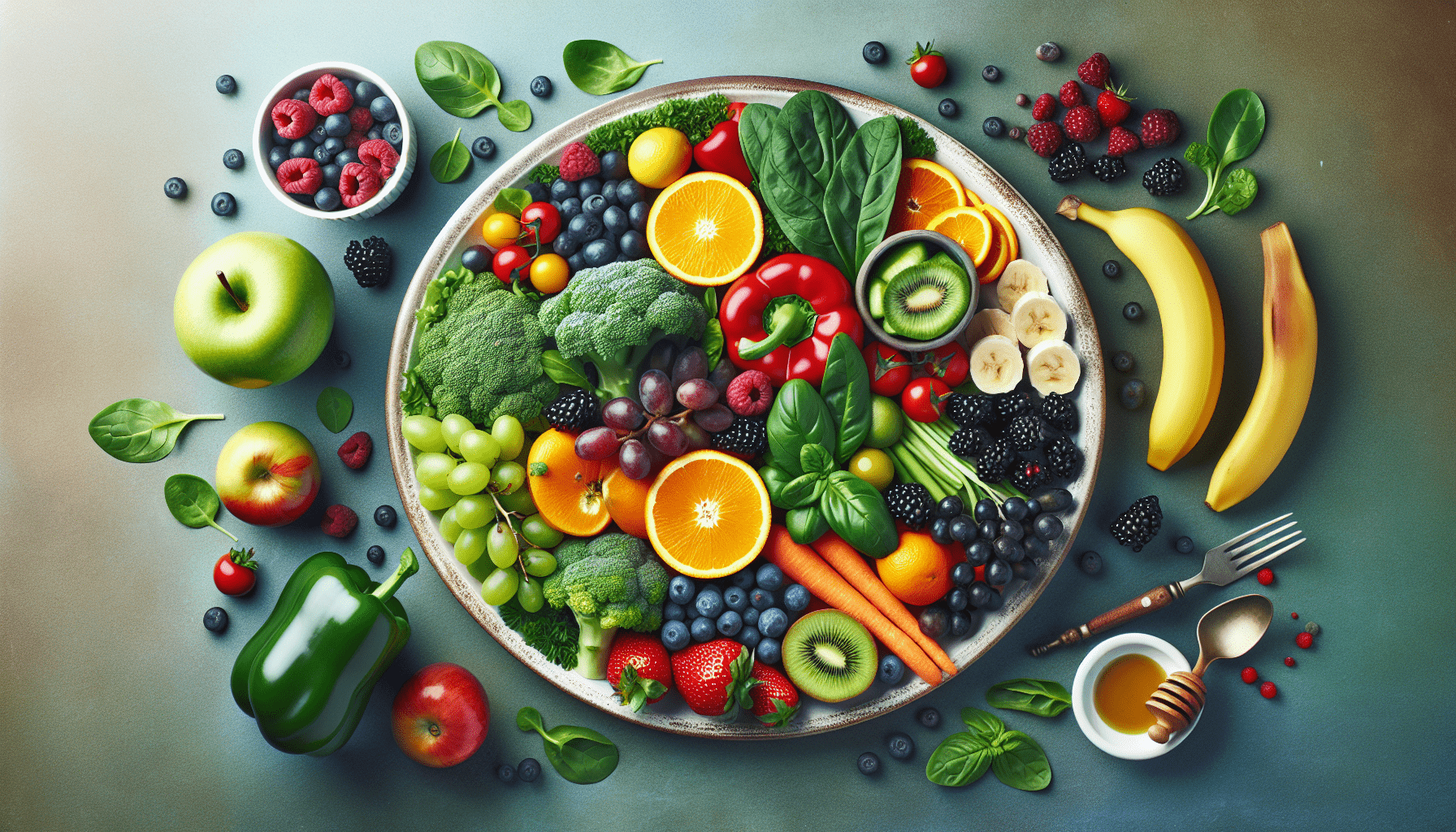
If you’re one of the many individuals who struggle with hypertension, you may have wondered which diets are the most effective in managing this condition. Look no further, as this article explores the world of popular diets tailored specifically to help you maintain healthier blood pressure levels. From the DASH diet to the Mediterranean diet, you’ll discover a range of dietary options that can make a significant impact on your cardiovascular health. So, let’s embark on a journey through the delicious and nutritious world of popular diets for managing hypertension.
1. DASH Diet
Introduction to the DASH Diet
The DASH (Dietary Approaches to Stop Hypertension) diet is a popular eating plan that focuses on reducing high blood pressure. It was specifically designed to help individuals manage hypertension and is recognized by health professionals as an effective way to lower blood pressure naturally. The DASH diet encourages the consumption of healthy, nutrient-rich foods while limiting the intake of sodium, unhealthy fats, and processed foods.
Principles of the DASH Diet
The main principles of the DASH diet revolve around eating a variety of foods that are low in sodium and high in essential nutrients. These include fruits, vegetables, whole grains, lean proteins, and low-fat dairy products. The DASH diet emphasizes portion control and encourages individuals to reduce their sodium intake to no more than 2,300 milligrams per day (or 1,500 milligrams for those with higher blood pressure or other medical conditions). It also encourages the consumption of foods rich in potassium, calcium, and magnesium, as they have been shown to help lower blood pressure.
Benefits of the DASH Diet
The DASH diet offers numerous benefits for individuals looking to manage their hypertension. By following this eating plan, you can significantly reduce your blood pressure levels and lower your risk of developing heart disease, stroke, and other health complications associated with high blood pressure. The DASH diet promotes healthier eating habits and can lead to weight loss, improved cholesterol levels, and better overall cardiovascular health. Furthermore, by focusing on nutrient-rich foods, the DASH diet ensures that your body receives the necessary vitamins, minerals, and antioxidants that are essential for optimal health.
2. Mediterranean Diet
Introduction to the Mediterranean Diet
The Mediterranean diet is characterized by the traditional eating habits of people in countries bordering the Mediterranean Sea, such as Greece, Italy, and Spain. It has gained popularity worldwide due to its numerous health benefits, including its positive impact on hypertension. The Mediterranean diet emphasizes the consumption of plant-based foods, healthy fats, and moderate amounts of lean proteins, while limiting processed foods and red meat.
Principles of the Mediterranean Diet
The principles of the Mediterranean diet revolve around consuming a variety of fruits, vegetables, whole grains, legumes, nuts, seeds, and olive oil. This eating plan also encourages the consumption of fish, poultry, and dairy products in moderation, while limiting the intake of red meat and processed foods. The Mediterranean diet emphasizes flavoring foods with herbs and spices instead of salt, which helps individuals reduce their sodium intake. Additionally, moderate consumption of red wine is often associated with the Mediterranean diet, but it is important to do so in moderation.
Benefits of the Mediterranean Diet
The Mediterranean diet offers numerous health benefits, including a reduced risk of heart disease, stroke, and high blood pressure. By following this diet, individuals can significantly lower their blood pressure levels and improve their overall cardiovascular health. The Mediterranean diet is rich in nutrients, antioxidants, and healthy fats, which can help reduce inflammation in the body and promote healthy blood vessel function. Additionally, this eating plan has been associated with a decrease in LDL (bad) cholesterol levels and lower rates of obesity and diabetes.
3. Low Sodium Diet
Introduction to the Low Sodium Diet
A low sodium diet, as the name implies, focuses on reducing the amount of sodium (salt) consumed in your daily meals. While sodium is an essential mineral needed for various bodily functions, excessive intake can contribute to hypertension and other health issues. A low sodium diet aims to keep sodium consumption within recommended limits to help manage high blood pressure.
Principles of the Low Sodium Diet
The principles of a low sodium diet involve minimizing the use of table salt and avoiding high-sodium processed foods. It is important to read food labels carefully and choose items labeled as low sodium or sodium-free whenever possible. Instead of relying on salt for flavor, you can opt for herbs, spices, and other natural seasonings to enhance the taste of your meals. Additionally, focusing on fresh fruits and vegetables, whole grains, and lean proteins can help further reduce sodium intake.
Benefits of the Low Sodium Diet
By following a low sodium diet, you can effectively manage your hypertension and reduce your risk of heart disease and stroke. Minimizing sodium intake helps regulate your blood pressure levels and improves overall cardiovascular health. Additionally, reducing sodium consumption can help prevent or alleviate fluid retention and bloating, leading to a healthier body weight. A low sodium diet also encourages the consumption of nutrient-rich foods and promotes overall wellness.
4. Vegetarian and Vegan Diets
Introduction to Vegetarian and Vegan Diets
Vegetarian and vegan diets have gained significant popularity in recent years, not only for ethical reasons but also for their potential health benefits. These diets are based on plant-based eating and exclude or limit the consumption of animal products. For individuals looking to manage hypertension, both vegetarian and vegan diets can be effective choices.
Principles of Vegetarian and Vegan Diets
Vegetarian and vegan diets are centered around plant-based foods, including fruits, vegetables, whole grains, legumes, nuts, and seeds. Vegetarian diets may include dairy products and eggs, while vegan diets exclude all animal-derived foods. By focusing on plant-based sources of protein and healthy fats, individuals can significantly reduce their intake of saturated fats and cholesterol, both of which can contribute to high blood pressure. These diets also tend to be high in fiber and antioxidants, which are beneficial for cardiovascular health.
Benefits of Vegetarian and Vegan Diets
Vegetarian and vegan diets offer numerous benefits for individuals aiming to manage their hypertension. By eliminating or limiting the consumption of animal products, these diets can help lower blood pressure levels and reduce the risk of heart disease and stroke. Vegetarian and vegan diets are typically lower in saturated fats and higher in dietary fiber, which can contribute to improved cholesterol levels and better overall cardiovascular health. Additionally, these diets tend to promote the consumption of nutrient-dense foods, which provide essential vitamins, minerals, and antioxidants.
(Continued in the response due to length restrictions)