
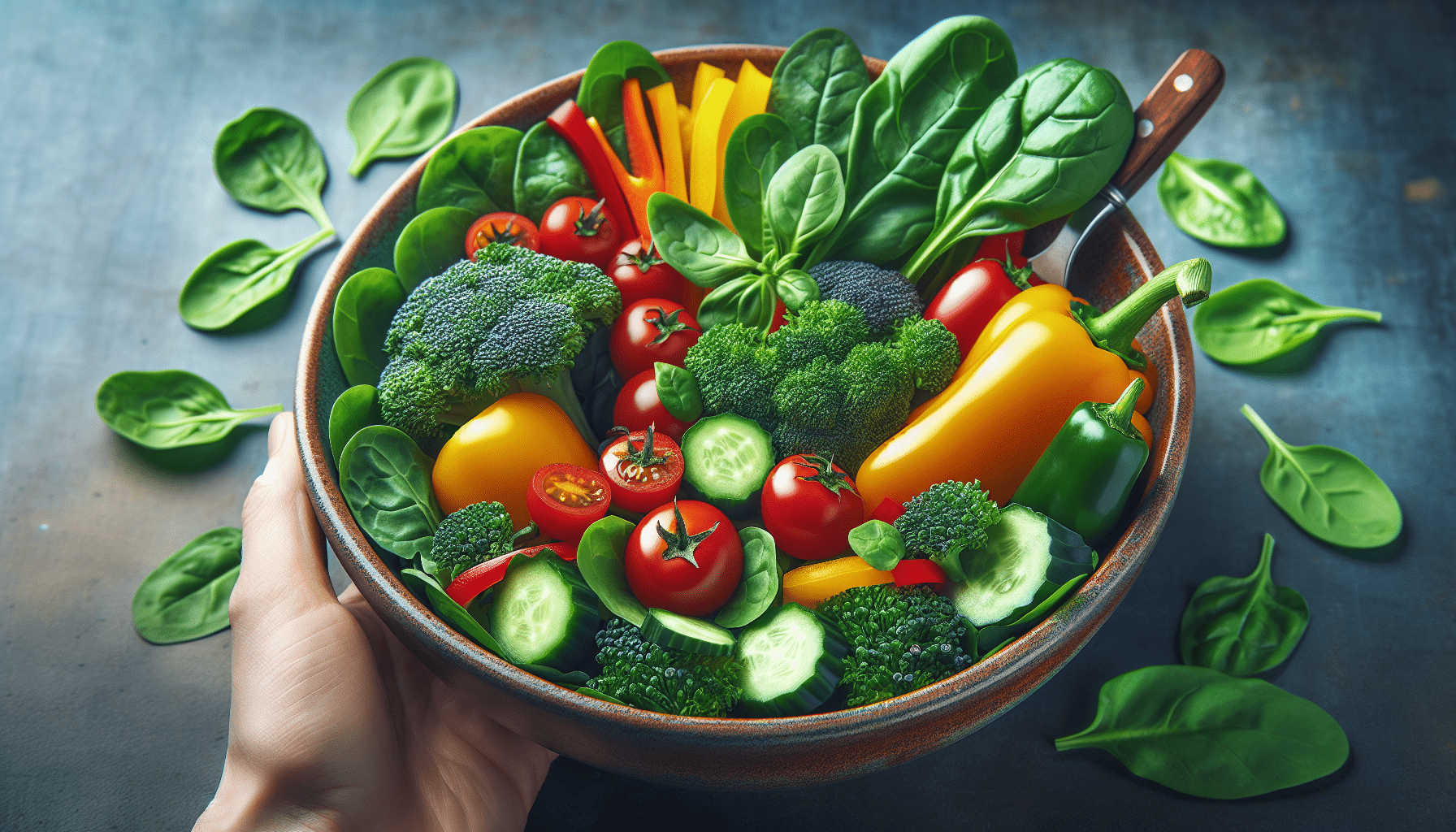
Are you looking for effective diet strategies to manage your diabetes? Look no further! In this article, we will discuss the most successful and proven dietary approaches that can help you not only manage your diabetes but also improve your overall health. By incorporating these strategies into your daily routine, you will be able to maintain stable blood sugar levels, reduce the risk of complications, and achieve a healthier and more balanced lifestyle. Whether you’re newly diagnosed or have been living with diabetes for years, these diet strategies will provide you with the guidance and support you need to take control of your health.
Low Carbohydrate Diet
Definition and Benefits of a Low Carbohydrate Diet
A low carbohydrate diet is a dietary approach that focuses on reducing the intake of carbohydrates, particularly refined carbohydrates and sugars. Instead, the emphasis is placed on consuming foods that are rich in protein, healthy fats, and non-starchy vegetables. This type of diet can have several benefits for individuals with diabetes.
One of the main benefits of a low carbohydrate diet is improved blood sugar control. When you limit your carbohydrate intake, it helps to stabilize blood sugar levels and reduce insulin resistance. This can be particularly beneficial for individuals with type 2 diabetes who struggle with high blood sugar levels.
Additionally, following a low carbohydrate diet can lead to weight loss, which is another critical factor in managing diabetes. When you eat fewer carbs, your body is forced to burn stored fat for energy, resulting in weight loss. Shedding excess weight can improve insulin sensitivity and glycemic control.
Foods to Include in a Low Carbohydrate Diet
In a low carbohydrate diet, it is crucial to focus on consuming nutrient-dense foods that are low in carbohydrates. Here are some foods that you can include in your low carbohydrate diet:
-
Lean proteins: Incorporate foods like chicken, turkey, fish, eggs, and tofu. These protein sources are low in carbohydrates and provide essential amino acids.
-
Healthy fats: Avocados, nuts, seeds, and olive oil are excellent sources of healthy fats that can be included in a low carbohydrate diet. These fats help to keep you satiated and contribute to overall heart health.
-
Non-starchy vegetables: Load up on vegetables like broccoli, spinach, kale, cauliflower, and bell peppers. These veggies are low in carbohydrates and high in fiber, vitamins, and minerals.
-
Low-sugar fruits: Opt for berries such as strawberries, blueberries, and raspberries, which are lower in sugar compared to other fruits. They are also rich in antioxidants and fiber.
Foods to Avoid in a Low Carbohydrate Diet
While following a low carbohydrate diet, it is essential to minimize or eliminate certain foods that are high in carbohydrates. Here are some foods to avoid:
-
Sugary beverages: Avoid soda, fruit juices, sweetened teas, and energy drinks, as they are high in sugar and can cause blood sugar spikes.
-
Refined grains: Stay away from white bread, white rice, pasta, and processed cereals, as they are high in carbohydrates and lack fiber and nutrients.
-
High sugar snacks: Skip the candies, cookies, pastries, and other sugary treats that can rapidly raise your blood sugar levels.
-
Starchy vegetables: Limit or avoid high-carb vegetables like potatoes, corn, peas, and winter squash, as they can impact blood sugar levels.
Recommended Daily Carbohydrate Intake
The recommended daily carbohydrate intake may vary depending on individual needs, diabetes management goals, and overall health. However, a general guideline for a low carbohydrate diet is to consume around 20-50 grams of carbohydrates per day.
It is essential to work with a healthcare professional or a registered dietitian who specializes in diabetes management to determine the appropriate carbohydrate intake for your specific needs. They can provide personalized guidance based on your medical history, blood sugar control, and other factors.
Mediterranean Diet
Overview of the Mediterranean Diet
The Mediterranean diet is a way of eating that is inspired by the traditional dietary patterns of countries bordering the Mediterranean Sea, such as Greece, Italy, and Spain. It is widely recognized as one of the healthiest diets in the world and has shown numerous benefits for diabetes management.
The Mediterranean diet emphasizes whole, unprocessed foods, plenty of fruits and vegetables, legumes, whole grains, lean proteins, and healthy fats. It also encourages moderate consumption of red wine and limits the intake of processed foods, sweets, and red meat.
Benefits of the Mediterranean Diet for Diabetes Management
The Mediterranean diet has been shown to have several benefits for individuals with diabetes. Some of the key benefits include:
-
Improved blood sugar control: The high fiber content of the diet, combined with the moderate consumption of carbohydrates, helps to regulate blood sugar levels and reduce the risk of type 2 diabetes.
-
Heart health: The Mediterranean diet emphasizes healthy fats, such as olive oil and avocados, which are rich in monounsaturated fats and omega-3 fatty acids. These fats can help reduce inflammation, improve cholesterol levels, and lower the risk of cardiovascular disease, which is a common complication of diabetes.
-
Weight management: The Mediterranean diet encourages portion control and includes nutrient-dense foods, which can help with weight loss or weight maintenance. Maintaining a healthy weight is essential for managing diabetes effectively.
Key Components of the Mediterranean Diet
The Mediterranean diet is based on the following key components:
-
Fruits and vegetables: Aim to include a variety of colorful fruits and vegetables in your meals and snacks. These are packed with vitamins, minerals, and fiber.
-
Whole grains: Opt for whole grains like whole wheat bread, brown rice, quinoa, and barley instead of refined grains. Whole grains provide more fiber and nutrients.
-
Legumes: Incorporate legumes such as chickpeas, lentils, and beans into your diet. They are an excellent source of plant-based protein, fiber, and complex carbohydrates.
-
Healthy fats: Include healthy fats like olive oil, avocados, nuts, and seeds in your meals. These fats can help reduce inflammation and provide satiety.
-
Lean proteins: Choose lean sources of protein such as fish, poultry, tofu, and legumes. These are lower in saturated fats and can help regulate blood sugar levels.
-
Moderate dairy: Consume dairy products in moderation. Opt for low-fat options like Greek yogurt and limit the intake of high-fat cheeses.
-
Limited red meat: Red meat should be consumed in small amounts. Focus on leaner proteins like fish and poultry instead.
-
Herbs and spices: Use herbs and spices to season your meals instead of salt. This can help reduce sodium intake and add flavor to your dishes.
Recommended Serving Sizes
The Mediterranean diet does not require strict portion control, but it does encourage mindful eating and moderation. Here are some general guidelines for serving sizes in the Mediterranean diet:
-
Fruits and vegetables: Aim for 2-3 servings of fruits and 3-4 servings of vegetables per day. One serving is typically equal to one medium-sized fruit or half a cup of cooked or raw vegetables.
-
Whole grains: Include 3-4 servings of whole grains per day. One serving is usually equivalent to one slice of whole wheat bread, half a cup of cooked grains, or one ounce of dry cereal.
-
Legumes: Aim for 2-3 servings of legumes per week. One serving is around half a cup of cooked legumes.
-
Healthy fats: Incorporate 2-3 servings of healthy fats per day. One serving generally includes one tablespoon of olive oil, a handful of nuts, or a quarter of an avocado.
-
Lean proteins: Include 2-3 servings of lean proteins per day. One serving is typically equivalent to 3-4 ounces of fish, poultry, or tofu.
-
Moderate dairy: Consume 1-2 servings of dairy per day. One serving can be one cup of milk or yogurt.
It is important to note that these serving sizes can vary depending on individual needs, calorie requirements, and activity levels. Consulting with a registered dietitian can help determine the appropriate serving sizes for you.
Sample Mediterranean Diet Meal Plan
Here is a sample one-day meal plan following the principles of the Mediterranean diet:
-
Breakfast: Start your day with a Greek yogurt topped with fresh berries, a sprinkle of nuts, and a drizzle of honey. Enjoy a slice of whole grain toast on the side.
-
Snack: Have a handful of almonds and an apple as a mid-morning snack.
-
Lunch: Prepare a salad with mixed greens, cherry tomatoes, cucumber, sliced bell peppers, and feta cheese. Dress it with olive oil and lemon juice. Serve it with a side of grilled chicken breast or roasted chickpeas.
-
Snack: Enjoy some carrot sticks with a small portion of hummus.
-
Dinner: Grill a piece of salmon and serve it with a side of quinoa and steamed asparagus. Drizzle some lemon juice and olive oil over the salmon for added flavor.
-
Dessert: Treat yourself to a small serving of dark chocolate.
Remember to adjust portion sizes and meal components based on your individual needs and preferences. It’s always a good idea to consult with a healthcare professional or registered dietitian when making significant changes to your diet.
DASH (Dietary Approaches to Stop Hypertension) Diet
Introduction to the DASH Diet
The DASH diet, also known as Dietary Approaches to Stop Hypertension, is an eating plan that focuses on reducing high blood pressure. However, it has also shown several benefits for individuals with diabetes. The DASH diet is similar to the Mediterranean diet and promotes the consumption of nutrient-dense foods that are low in sodium and unhealthy fats.
Relationship Between DASH Diet and Diabetes Control
The DASH diet can be beneficial for individuals with diabetes as it emphasizes whole, unprocessed foods and limits the intake of foods high in added sugars and unhealthy fats. By following the DASH diet, individuals can better manage their blood sugar levels and reduce the risk of complications associated with diabetes.
Additionally, the DASH diet’s focus on reducing sodium intake can help lower blood pressure, which is a common concern for those with diabetes. High blood pressure can increase the risk of heart disease and other complications in individuals with diabetes.
Foods to Include in a DASH Diet
To follow the DASH diet, it is important to include foods that are rich in nutrients and low in sodium and unhealthy fats. Here are some foods to include in a DASH diet:
-
Fruits and vegetables: Incorporate a variety of colorful fruits and vegetables into your meals and snacks. These are low in calories and high in essential vitamins, minerals, and fiber.
-
Whole grains: Opt for whole grains like brown rice, whole wheat bread, quinoa, and oats instead of refined grains. Whole grains are higher in fiber and important nutrients.
-
Lean proteins: Choose lean sources of protein such as fish, poultry, beans, and legumes. These are lower in saturated fats and contribute to satiety.
-
Low-fat dairy: Include low-fat or fat-free dairy products in your diet, such as milk, yogurt, and cheese. These provide important nutrients like calcium and vitamin D.
-
Nuts and seeds: Enjoy a handful of nuts and seeds as a snack or add them to your meals. They are a great source of healthy fats, protein, and fiber.
-
Healthy fats: Include fats from sources like olive oil, avocados, and nuts. These fats can help reduce inflammation and improve heart health.
Foods to Avoid in a DASH Diet
While following a DASH diet, it is advised to limit or avoid certain foods that are high in sodium and unhealthy fats. Here are some foods to avoid or minimize:
-
Processed foods: Processed foods like packaged snacks, deli meats, and convenience meals often contain high amounts of sodium, unhealthy fats, and added sugars.
-
Fast food: Fast food meals are typically high in saturated and trans fats, sodium, and calories. These can negatively impact blood sugar control and overall health.
-
Sugary beverages: Avoid regular soft drinks, sweetened teas, and fruit juices, as they are high in added sugars and can cause blood sugar spikes.
-
High sodium condiments: Minimize the use of high sodium condiments like soy sauce, ketchup, and barbecue sauce. These can contribute to increased sodium intake.
Recommended Sodium Intake
The recommended sodium intake for individuals with diabetes is generally the same as the general population, which is around 2,300 milligrams (mg) per day. However, individuals with high blood pressure or other health conditions may require further reduction to around 1,500 mg per day.
It is important to read food labels and opt for low sodium or no added salt versions of products whenever possible. Cooking at home with fresh ingredients allows for better control over sodium intake.
Consulting with a healthcare professional or registered dietitian can help determine the appropriate sodium intake for your specific situation.
Portion Control
Understanding Portion Sizes
Portion control refers to the practice of eating the right amount of food to meet your nutritional needs without overeating. It involves being mindful of the serving sizes of different foods and making conscious choices about the quantities consumed.
Understanding portion sizes can be challenging, as modern food portions tend to be much larger than what is necessary. It is crucial to learn to recognize serving sizes and adjust your portions accordingly.
Importance of Portion Control in Managing Diabetes
Practicing portion control is essential for managing diabetes for several reasons:
-
Blood sugar control: Consistently consuming appropriate portion sizes helps regulate blood sugar levels. Overeating can lead to blood sugar spikes and challenges in managing diabetes effectively.
-
Weight management: Portion control plays a significant role in weight management. By eating appropriate portions, you can prevent overeating and maintain a healthy weight or achieve weight loss if necessary. Weight management is important for diabetes management and overall health.
-
Nutrient balance: Portion control ensures a balanced intake of macronutrients (carbohydrates, proteins, and fats) and essential vitamins and minerals. This contributes to overall health and supports diabetes management.
Tips for Practicing Portion Control
Here are some practical tips to help you practice portion control:
-
Use smaller plates and bowls: Choose smaller plates and bowls to trick your mind into thinking you are eating more food. Studies show that people tend to eat less when using smaller plates.
-
Measure and weigh your food: Use measuring cups, spoons, and a food scale to accurately measure your portions. Familiarize yourself with portion sizes by comparing them to common household items. For example, one ounce of cheese is roughly the size of four dice.
-
Practice mindful eating: Pay attention to your hunger and fullness cues while eating. Eat slowly, savoring each bite, and stop when you feel comfortably satisfied. This can prevent overeating.
-
Plan and prepare meals in advance: Prepare your meals and portion them out in advance to avoid mindless eating and overeating. This allows you to control the portion sizes and make healthier choices.
-
Fill up on non-starchy vegetables: Non-starchy vegetables are low in calories and high in fiber, vitamins, and minerals. Fill at least half of your plate with non-starchy vegetables to help you feel full while keeping your overall calorie intake in check.
Using Portion Control Tools
Various portion control tools can assist in managing portion sizes effectively. Some examples include:
-
Portion control plates: These plates have sections or markings that indicate appropriate portion sizes for different food groups. They can help guide you in filling each part of the plate with the right amount of food.
-
Measuring cups and spoons: These tools allow you to measure precise amounts of dry and liquid ingredients. They are particularly useful when following recipes or portioning out certain foods.
-
Food scales: Food scales help determine the weight of food items. By weighing your portions, you can accurately track your intake and ensure portion control.
-
Divided containers: These containers have compartments that assist in portioning out meals and snacks. They are convenient for meal prepping and controlling portion sizes on the go.
These tools can be helpful when starting out with portion control, but with time and practice, you will become better at estimating portion sizes without relying on them.
Glycemic Index and Load
What is the Glycemic Index?
The glycemic index (GI) is a scale that measures how quickly a carbohydrate-containing food raises blood sugar levels compared to a reference food, usually glucose or white bread. Foods are assigned a value ranging from 0 to 100, with higher values indicating a faster rise in blood sugar levels.
How Does the Glycemic Index Affect Blood Sugar Levels?
Understanding the glycemic index can be beneficial for individuals with diabetes, as it helps to identify foods that can cause significant fluctuations in blood sugar levels. Foods with a high glycemic index can lead to rapid spikes in blood sugar, while foods with a low glycemic index cause a slower and more gradual rise.
By choosing foods with a lower glycemic index, you can help manage blood sugar levels more effectively and reduce the risk of blood sugar spikes and crashes.
Using the Glycemic Index to Make Food Choices
When utilizing the glycemic index to make food choices, it is important to aim for foods with a lower glycemic index. Here are some examples:
-
Low glycemic index foods: These include most non-starchy vegetables, legumes, whole grains, and most fruits. These foods are digested and absorbed more slowly, resulting in more stable blood sugar levels.
-
Moderate glycemic index foods: These include foods like sweet potatoes, brown rice, whole-grain bread, and some fruits. While they have a higher glycemic index, portion control and pairing them with fiber and lean protein can help mitigate blood sugar spikes.
-
High glycemic index foods: These include white bread, white rice, sugary cereals, and processed snacks. These foods are digested quickly, leading to rapid spikes in blood sugar levels. It is best to consume these foods in moderation and pair them with proteins and healthy fats to slow down digestion.
Glycemic Load vs. Glycemic Index
While the glycemic index provides an understanding of how quickly a food raises blood sugar levels, the glycemic load (GL) takes into account both the glycemic index of a food and the portion size consumed. The glycemic load gives a more accurate representation of the overall impact of a food on blood sugar levels.
Foods with a low glycemic index can still have a significant impact on blood sugar levels if consumed in large quantities. Therefore, considering both the glycemic index and load is essential when making food choices.
Foods with Low Glycemic Index and Load
Here are some examples of foods with low glycemic index and load that can be included in a diabetes-friendly diet:
-
Non-starchy vegetables: Broccoli, spinach, kale, cauliflower, and bell peppers have a low glycemic index and load and are packed with vitamins, minerals, and fiber.
-
Legumes: Foods like lentils, chickpeas, black beans, and kidney beans have a low glycemic index and load. They are also rich in protein, fiber, and essential nutrients.
-
Whole grains: Foods such as quinoa, brown rice, oatmeal, and whole wheat bread have a low to moderate glycemic index and load. They are higher in fiber and nutrients compared to refined grains.
-
Berries: Strawberries, blueberries, and raspberries have a low glycemic index and load and are packed with antioxidants and fiber.
By incorporating these foods into your diet, you can maintain more stable blood sugar levels and support overall health.
Sugar and Sweeteners
Understanding Sugar and Its Effects on Diabetes
Sugar, particularly added sugars, can have several negative effects on individuals with diabetes. When consumed in excess, sugar can cause blood sugar levels to spike, contributing to poor glycemic control.
Furthermore, foods high in added sugars are often calorie-dense and nutrient-poor, leading to weight gain and an increased risk of obesity, which can worsen diabetes management.
Understanding different types of sugars and their impact on blood sugar levels is crucial for effectively managing diabetes.
Natural and Artificial Sweeteners
When looking for alternatives to sugar, natural and artificial sweeteners can be considered. Natural sweeteners, such as stevia and monk fruit extract, are derived from plants and are generally considered safe for individuals with diabetes. They provide sweetness without adding calories or raising blood sugar levels significantly.
Artificial sweeteners, on the other hand, are synthetic sugar substitutes. They are often lower in calories or non-nutritive, meaning they have minimal impact on blood sugar levels. Examples of artificial sweeteners include aspartame, sucralose, and saccharin. While artificial sweeteners are considered safe, it is important to consume them in moderation and be mindful of any potential side effects.
Best Sweetener Options for People with Diabetes
When it comes to sweeteners, it is essential to choose options that have minimal impact on blood sugar levels while still providing sweetness. Here are some of the best sweetener options for individuals with diabetes:
-
Stevia: Stevia is a natural sweetener derived from the leaves of the Stevia rebaudiana plant. It is highly sweet without adding any calories or carbohydrates.
-
Monk fruit extract: Monk fruit extract, also known as Luo Han Guo, is a natural sweetener derived from the monk fruit. It has zero calories and does not affect blood sugar levels.
-
Erythritol: Erythritol is a sugar alcohol that provides sweetness without adding calories or raising blood sugar levels significantly. It is often used as a sugar substitute in food products.
It is important to note that while these sweeteners are generally safe for individuals with diabetes, it is still important to consume them in moderation as part of an overall balanced diet.
Avoiding Hidden Sugars in Foods
Many processed and packaged foods contain significant amounts of added sugars, even those that don’t taste sweet. It is crucial to read food labels carefully and be aware of hidden sugars in order to effectively manage diabetes. Some common sources of hidden sugars include:
-
Condiments and sauces: Ketchup, barbecue sauce, salad dressings, and even some marinades can contain added sugars. Opt for low-sugar or sugar-free options.
-
Sweetened beverages: Soft drinks, fruit juices, energy drinks, and sweetened teas are often loaded with added sugars. Choose water, unsweetened tea, or naturally flavored sparkling water instead.
-
Processed snacks: Many pre-packaged snacks like granola bars, flavored yogurt, and sweetened cereals contain added sugars. Look for healthier alternatives or opt for homemade snacks using natural sweeteners.
-
Canned or packaged fruit: Some canned fruits and fruit cups are packed in syrup that contains added sugars. Choose fruit canned in water or natural juices, or opt for fresh or frozen fruits.
By being conscious of hidden sugars and choosing whole, unprocessed foods whenever possible, you can better manage your blood sugar levels and overall health.
Fiber-Rich Foods
Importance of Dietary Fiber for Diabetes Management
Dietary fiber is a type of carbohydrate that is not digested by the body. It passes through the digestive system largely intact and provides several health benefits, particularly for individuals with diabetes.
Fiber can help regulate blood sugar levels by slowing down the absorption of glucose into the bloodstream. It also contributes to satiety, aids in weight management, regulates bowel movements, and supports heart health.
Including fiber-rich foods in your diet is crucial for properly managing diabetes and maintaining overall health.
Types of Fiber and Their Health Benefits
There are two main types of dietary fiber: soluble fiber and insoluble fiber. Both types have unique health benefits:
-
Soluble fiber: This type of fiber dissolves in water and forms a gel-like substance in the digestive system. Soluble fiber helps slow down the absorption of glucose, which can help stabilize blood sugar levels. It can also lower cholesterol levels and improve heart health. Good sources of soluble fiber include oats, barley, legumes, and fruits like apples and oranges.
-
Insoluble fiber: Insoluble fiber does not dissolve in water and adds bulk to the stool, promoting regular bowel movements and preventing constipation. It can also contribute to satiety and aid in weight management. Good sources of insoluble fiber include whole grains, nuts, seeds, and vegetables such as celery and carrots.
Both types of fiber are important for overall health and should be incorporated into a balanced diet.
Foods High in Fiber
Here are some fiber-rich foods that can be included in a diabetes-friendly diet:
-
Whole grains: Opt for whole grain options like brown rice, whole wheat bread, quinoa, and oats. These grains are higher in fiber compared to refined grains.
-
Legumes: Include legumes such as lentils, chickpeas, black beans, and kidney beans in your meals. These are high in fiber and provide plant-based protein.
-
Fruits: Many fruits are excellent sources of fiber. Berries, apples, pears, and oranges are particularly high in soluble fiber. It is best to consume whole fruits rather than juices to obtain the maximum fiber content.
-
Vegetables: Non-starchy vegetables like broccoli, Brussels sprouts, spinach, and cauliflower are rich in fiber. Aim to include a variety of vegetables in your meals and snacks.
-
Nuts and seeds: Almonds, chia seeds, flaxseeds, and sunflower seeds are a good source of fiber. Enjoy them as a snack or add them to your meals.
It is important to gradually increase your fiber intake and drink plenty of water to prevent digestive discomfort. Additionally, individuals with specific medical conditions may need to consult with a healthcare professional before increasing fiber intake.
Tips for Increasing Fiber Intake
Here are some practical tips to help increase your fiber intake:
-
Include fruits and vegetables in every meal: Aim to have a variety of fruits and vegetables with each meal to increase fiber intake. Add leafy greens to salads, slices of vegetables to sandwiches, and fruit to yogurt or cereal.
-
Choose whole grains: Swap refined grains for whole grains in your meals. Choose whole wheat bread, brown rice, quinoa, and whole grain pasta. These are higher in fiber and nutrients.
-
Snack on fiber-rich foods: Reach for fiber-rich snacks like nuts, seeds, and cut-up raw vegetables. These can be enjoyed on their own or paired with a protein source for a balanced snack.
-
Experiment with legumes: Include legumes like beans, lentils, and chickpeas in your meals. They are versatile and can be added to soups, stews, salads, or used as a meat substitute in certain dishes.
-
Gradually increase fiber intake: Increasing fiber intake too rapidly can cause digestive discomfort. Gradually incorporate high-fiber foods into your diet and drink plenty of water to aid digestion.
Remember that individual fiber needs may vary, so it’s important to listen to your body and adjust your intake accordingly. Consulting with a healthcare professional or registered dietitian can provide personalized guidance based on your specific needs and medical history.
Healthy Fats
Different Types of Fats
Fats are an essential macronutrient and play a crucial role in the body. Not all fats are created equal, and it is important to choose healthier fats that can benefit individuals with diabetes.
There are three main types of fats:
-
Saturated fats: These fats are typically solid at room temperature and are commonly found in animal products, such as fatty meats, butter, full-fat dairy products, and tropical oils like coconut oil and palm oil. Consuming excessive amounts of saturated fats can raise cholesterol levels and increase the risk of heart disease.
-
Trans fats: Trans fats are created through a process called hydrogenation, which turns liquid oils into solid fats. Trans fats are commonly found in fried foods, baked goods, packaged snacks, and margarine. Trans fats should be avoided as they not only raise cholesterol levels but also increase the risk of heart disease.
-
Unsaturated fats: Unsaturated fats are considered healthy fats and can be beneficial for individuals with diabetes. There are two types of unsaturated fats:
-
Monounsaturated fats: These fats are found in foods like olive oil, avocados, nuts, and seeds. They can help reduce bad cholesterol levels, lower the risk of heart disease, and promote overall health.
-
Polyunsaturated fats: These fats are found in fatty fish (such as salmon and sardines), walnuts, flaxseeds, and soybean oil. They are rich in omega-3 and omega-6 fatty acids, which have anti-inflammatory properties and support heart health.
-
Benefits of Healthy Fats for Diabetes
Incorporating healthy fats into a diabetes-friendly diet offers several benefits:
-
Improved heart health: Healthy fats, particularly monounsaturated and polyunsaturated fats, have been shown to improve cholesterol levels, reduce the risk of heart disease, and support overall cardiovascular health. This is particularly important for individuals with diabetes, as they are at an increased risk of developing heart disease.
-
Enhanced satiety: Fats take longer to digest than carbohydrates and protein, providing a longer-lasting feeling of fullness. Including healthy fats in meals and snacks can help manage appetite, prevent overeating, and contribute to weight management.
-
Blood sugar stabilization: Healthy fats can help slow down the digestion and absorption of carbohydrates, leading to a more gradual and steady rise in blood sugar levels. This can be especially beneficial for individuals with diabetes in managing glycemic control.
-
Nutrient absorption: Some vitamins, such as vitamins A, D, E, and K, are fat-soluble and require the presence of dietary fat for absorption. Including healthy fats in meals helps ensure the body can adequately absorb and utilize these important vitamins.
Sources of Healthy Fats
Incorporate the following food sources of healthy fats into your diabetes-friendly diet:
-
Avocados: Avocados are an excellent source of monounsaturated fats. Enjoy them sliced on whole grain toast, in salads, or as a topping for soups.
-
Nuts and seeds: Almonds, walnuts, flaxseeds, and chia seeds are rich in healthy fats. Snack on a handful of nuts, sprinkle seeds on yogurt or cereal, or use nut butters as a spread.
-
Olive oil: Use olive oil as a primary cooking oil or drizzle it over salads and cooked vegetables. It is a great source of monounsaturated fats and adds flavor to your meals.
-
Fatty fish: Salmon, mackerel, sardines, and trout are high in omega-3 fatty acids, which have numerous health benefits. Aim to incorporate fatty fish into your diet at least twice a week.
-
Coconut oil (in moderation): While coconut oil is high in saturated fats, it can be included in moderation. It adds a unique flavor to dishes and can be used for sautéing or baking.
-
Natural nut butters: Opt for natural nut butters without added sugars or hydrogenated oils. Spread them on whole grain bread or use them as a dip for fruits and vegetables.
Remember to incorporate healthy fats in moderation as part of an overall balanced diet. It is also important to pay attention to portion sizes, as fats are calorie-dense.
Recommended Daily Fat Intake
The recommended daily fat intake for individuals with diabetes is generally around 20-35% of total daily calories. However, it is best to work with a healthcare professional or registered dietitian to determine the appropriate fat intake for your specific needs.
Remember, balance is key, and it’s important to include a variety of nutrient-dense foods from all food groups in your diet. Consulting with a healthcare professional or registered dietitian can provide personalized guidance based on your specific needs and medical history.
Regular Meal Timing
Impact of Meal Timing on Blood Sugar Control
The timing of meals can significantly impact blood sugar control in individuals with diabetes. Consistency in meal timing helps regulate blood sugar levels and supports overall glycemic control.
Eating meals at regular intervals allows for better management of insulin and medication dosing, preventing blood sugar spikes or crashes. It also helps maintain stable energy levels throughout the day.
Benefits of Regular Meal Timing
Establishing regular meal timing offers several benefits for individuals with diabetes:
-
Improved blood sugar control: Eating meals at consistent times can help regulate blood sugar levels and prevent sudden spikes or drops. This enables better management of diabetes and reduces the risk of complications.
-
Enhanced medication effectiveness: Taking diabetes medications or insulin injections at consistent times helps ensure optimal effectiveness. This allows medication to work properly and lowers the risk of medication-related errors.
-
Routine and structure: Regular meal timing provides a sense of routine and structure to daily life, which can be beneficial for managing diabetes. Knowing when and what to eat allows for better planning and preparation.
-
Appetite control: Incorporating regular meal timing helps regulate appetite and prevents excessive hunger or overeating. This can contribute to weight management and stable blood sugar levels.
Tips for Establishing a Regular Meal Schedule
To establish a regular meal schedule, consider the following tips:
-
Plan meals in advance: Plan out your meals for the week, taking into account your daily schedule, work, and personal commitments. This allows for better time management and ensures you have suitable meals and snacks on hand.
-
Set reminders: Use alarms, phone notifications, or other reminders to signal meal times. This can be particularly helpful if you have a busy schedule or tend to forget mealtimes.
-
Practice mindful eating: Take the time to sit down and enjoy your meals without distractions. This allows for better awareness of hunger and fullness cues and can prevent mindless eating.
-
Eat every 3-4 hours: Aim to eat a meal or snack every 3-4 hours to maintain stable blood sugar levels throughout the day. This can prevent extreme hunger and overeating.
-
Be flexible: While consistency in meal timing is important, it is also essential to be flexible and adapt to changing circumstances. If you have to deviate from your regular meal schedule occasionally, make sure to choose healthy options and prioritize a balanced diet.
Remember, individual meal timing may vary depending on personal preferences, lifestyle, and medication routines. Consulting with a healthcare professional or registered dietitian can provide personalized guidance for establishing a regular meal schedule based on your specific needs.
Snack Options for Stable Blood Sugar Levels
Incorporating well-balanced snacks into your regular meal schedule can help maintain stable blood sugar levels between meals. Here are some healthy snack options for individuals with diabetes:
-
Greek yogurt with berries: Choose a plain, low-fat Greek yogurt and add a handful of fresh berries for a protein-rich and fiber-rich snack.
-
Raw vegetables with hummus: Enjoy sliced cucumbers, carrot sticks, bell peppers, or snap peas dipped in a small portion of hummus. This snack provides a satisfying crunch and is packed with nutrients and fiber.
-
Hard-boiled eggs: Hard-boiled eggs are a convenient and portable snack that offers protein and healthy fats. Sprinkle them with a pinch of salt and pepper for extra flavor.
-
Nuts and seeds: A small handful of almonds, walnuts, or pumpkin seeds makes for a satisfying snack. Pair them with a piece of fruit for added fiber.
-
Cottage cheese with fruit: Combine a serving of low-fat cottage cheese with a serving of your favorite fruit, such as pineapple, peaches, or melon. This snack provides a balance of protein, fiber, and natural sweetness.
-
Sliced apple or celery with nut butter: Slice up an apple or celery sticks and enjoy them with a tablespoon of natural nut butter. This snack provides a combination of carbohydrates, fiber, healthy fats, and protein.
Remember to check your blood sugar levels before and after snacks to monitor their impact on your glycemic control. Consulting with a healthcare professional or registered dietitian can provide personalized guidance on snack options based on your specific needs and diabetes management goals.
Balancing Macronutrients
Understanding Macronutrients and Their Importance
Macronutrients are the three major components of the diet that provide energy and are required in large amounts by the body. They include carbohydrates, proteins, and fats.
Understanding the role of macronutrients and achieving the right balance is crucial for managing diabetes effectively.
-
Carbohydrates: Carbohydrates are the primary source of energy for the body and have the greatest impact on blood sugar levels. It is important to choose complex carbohydrates that are rich in fiber and absorbed slowly to prevent blood sugar spikes.
-
Proteins: Proteins are essential for building and repairing tissues, as well as regulating hormones and enzymes. They provide a steady source of energy and can help stabilize blood sugar levels when consumed in combination with carbohydrates.
-
Fats: Fats are a concentrated source of energy and play a vital role in hormone production, cell function, and vitamin absorption. Choosing healthy fats and moderating their intake is important for maintaining overall health and managing diabetes.
Carbohydrate, Protein, and Fat Ratios for Diabetes Management
While the ideal macronutrient ratio may vary depending on individual needs, the following general guidelines can be helpful for diabetes management:
-
Carbohydrates: Aim for a moderate carbohydrate intake, focusing on complex carbohydrates rich in fiber. Approximately 45-60% of total daily calories should come from carbohydrates. This equates to around 45-60 grams of carbohydrates per meal, or about 15-20 grams per snack.
-
Proteins: Include lean sources of protein with each meal. Around 15-20% of total daily calories should come from protein. This equates to approximately 15-20 grams of protein per meal, or about 5-10 grams per snack.
-
Fats: The remaining calories should come from healthy fats. Approximately 25-30% of total daily calories should come from fats. This includes both monounsaturated and polyunsaturated fats.
These ratios can serve as a starting point, but individual needs may vary based on factors such as activity levels, weight management goals, and overall health. Consulting with a healthcare professional or registered dietitian can provide personalized guidance for determining the appropriate macronutrient balance for your specific needs.
Determining Personalized Macronutrient Balance
Determining the personalized macronutrient balance that works best for you often requires individualized assessment and guidance. A healthcare professional or registered dietitian can help tailor macronutrient ratios based on factors such as:
-
Individual goals: Goals may include weight management, blood sugar control, blood pressure management, or cholesterol management.
-
Physical activity: Consider the type, duration, and intensity of physical activity. Active individuals may have higher energy and protein needs.
-
Medications and medical history: Certain medications may require adjustments to macronutrient intake. Medical conditions or dietary restrictions may also play a role.
-
Blood sugar control: Monitoring blood sugar levels before and after meals can provide valuable insights into the effect of macronutrient balance on glycemic control.
Remember, achieving the right macronutrient balance should be a personalized journey that takes into account your specific needs, preferences, and goals. Regular monitoring and consultation with a healthcare professional or registered dietitian can help fine-tune your individual macronutrient ratios.
Monitoring Blood Sugar Levels After Meals
Monitoring blood sugar levels after meals can provide valuable insights into the impact of macronutrients on glycemic control. It helps identify how different foods and meals affect blood sugar levels and allows for adjustments in meal planning to achieve optimal control.
To monitor blood sugar levels after meals:
-
Check blood sugar levels: Use a blood glucose meter to measure blood sugar levels before and approximately 2 hours after a meal. This will provide an indication of how the meal influenced blood sugar levels.
-
Track the results: Record the blood sugar readings along with details of the meal consumed, including portion sizes, carbohydrate content, and types of macronutrients. This allows you to identify patterns and make adjustments as necessary.
-
Analyze the impact: Look for patterns in blood sugar readings. Identify meals that consistently lead to blood sugar spikes or dips and consider adjusting portion sizes, macronutrient ratios, or food choices accordingly.
-
Consult a healthcare professional or registered dietitian: Share your blood sugar monitoring results with a healthcare professional or registered dietitian. They can help interpret the data, provide guidance, and make adjustments to your meal plan as necessary.
Remember, blood sugar monitoring after meals is just one tool in managing diabetes effectively. It should be used in conjunction with other strategies, such as consistent low-glycemic meal planning, portion control, and regular physical activity. Consulting with a healthcare professional or registered dietitian can provide the most accurate and personalized guidance for monitoring blood sugar levels after meals.
In conclusion, managing diabetes through diet requires a comprehensive approach that encompasses various factors, including carbohydrate intake, meal timing, portion control, macronutrient balance, and food choices. By understanding and implementing effective diet strategies, such as low carbohydrate diets, the Mediterranean diet, the DASH diet, portion control, glycemic index and load, sugar and sweeteners, fiber-rich foods, healthy fats, regular meal timing, and macronutrient balancing, individuals can better control and manage their diabetes while promoting overall health and well-being. Working with a healthcare professional or registered dietitian is beneficial in creating a personalized meal plan and providing ongoing support for optimal diabetes management.