Welcome to a guide on the key nutritional needs for athletes! As an athlete, it is important to fuel your body with the right balance of nutrients to optimize performance and recovery. In this article, you will learn about the essential nutrients that athletes need and how to incorporate them into your diet to support your training and competitive endeavors. So read on to discover how you can fuel your body like a champion! Have you ever wondered what sets athletes apart from the rest of us mere mortals when it comes to their energy, strength, and overall performance? The answer lies not only in their dedication to training and practice but also in their keen attention to their nutritional needs. To perform at their best, athletes require a specialized diet that provides the right balance of nutrients to fuel their bodies and support their physical demands. In this article, we’ll delve into the key nutritional needs for athletes, so you can better understand how to optimize your own diet to support your athletic goals.
The Role of Nutrition in Athletic Performance
Nutrition plays a crucial role in athletic performance, serving as the fuel that powers the body through intense physical activity. Athletes require a precise balance of macronutrients (carbohydrates, proteins, and fats) and micronutrients (vitamins and minerals) to support their energy needs, aid in recovery, and optimize their overall performance. By paying attention to their nutritional intake and making smart choices about what they eat, athletes can maximize their potential and achieve their goals on the field, court, or track.
Macronutrients: Carbohydrates
Carbohydrates are the body’s primary source of energy, making them an essential nutrient for athletes looking to fuel their workouts and optimize their performance. When you consume carbohydrates, your body converts them into glucose, which is then used to power your muscles during exercise. For athletes, consuming an adequate amount of carbohydrates is crucial to ensure that they have enough energy to perform at their best.
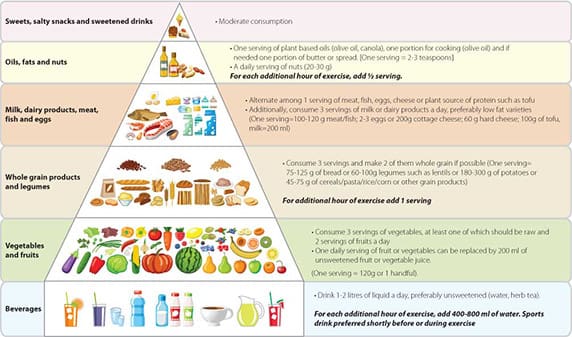
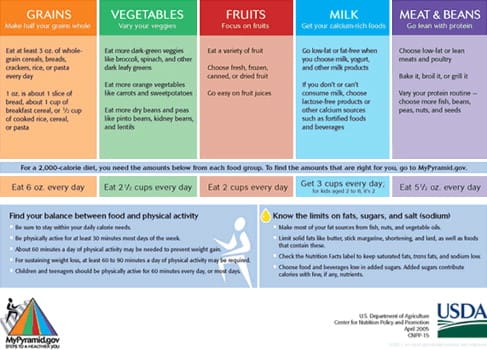
So, how many carbohydrates do you need as an athlete? The general recommendation is that carbohydrates should make up about 45-65% of your total caloric intake, with a focus on complex carbohydrates like whole grains, fruits, and vegetables. These foods provide a steady source of energy and help to regulate blood sugar levels, keeping you fueled throughout your workout.
Macronutrients: Proteins
Proteins are essential for muscle repair and growth, making them a key component of an athlete’s diet. When you engage in physical activity, you create microscopic tears in your muscle fibers, which need to be repaired to support muscle growth and recovery. Protein provides the building blocks (amino acids) needed for this repair process, helping to optimize your recovery and support muscle development.
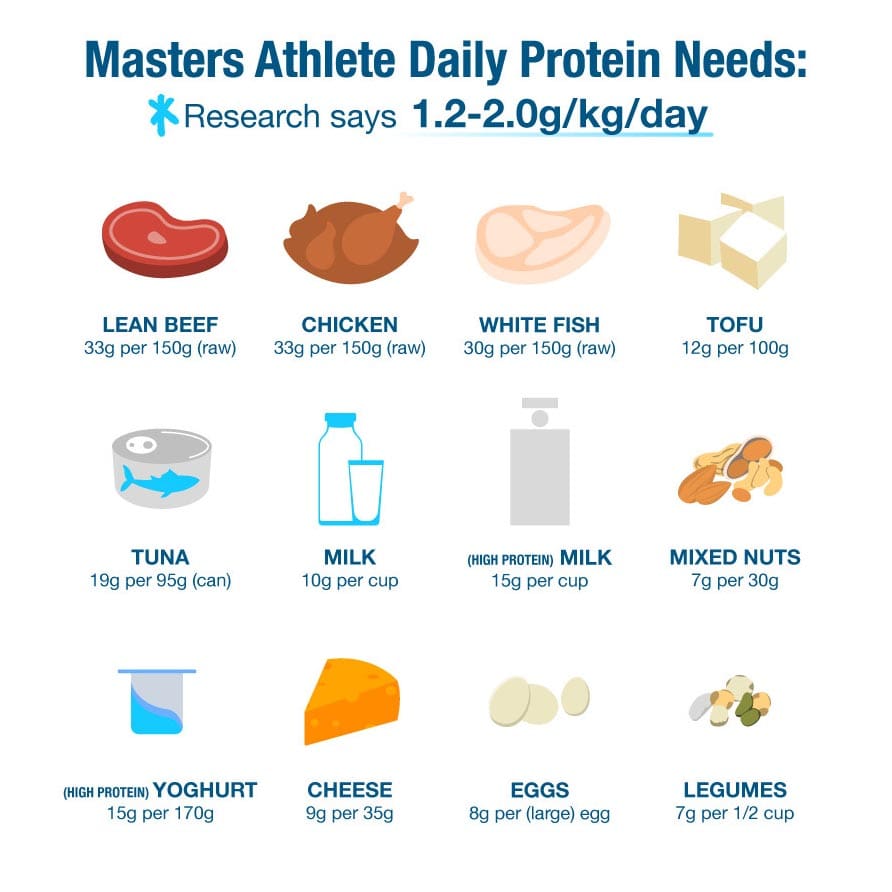
As an athlete, you should aim to consume about 1.2-2.0 grams of protein per kilogram of body weight per day, depending on your training intensity and goals. Good sources of protein include lean meats, poultry, fish, eggs, dairy products, legumes, and plant-based sources like tofu and tempeh. By incorporating protein-rich foods into your diet, you can support your muscle health and recovery, helping you perform at your peak.
Macronutrients: Fats
Fats often get a bad rap, but they are actually an important source of energy and serve several critical functions in the body, such as supporting hormone production, cell structure, and nutrient absorption. For athletes, incorporating healthy fats into their diet is essential for optimal performance and overall health.
While fats should make up a smaller portion of your total caloric intake (about 20-35%), choosing the right types of fats is key. Focus on consuming unsaturated fats, such as those found in nuts, seeds, avocados, and fatty fish, which can help reduce inflammation, support heart health, and provide sustained energy for your workouts. By including healthy fats in your diet, you can maintain a balanced macronutrient profile that supports your athletic endeavors.
Micronutrients: Vitamins and Minerals
In addition to macronutrients, athletes also need to pay attention to their micronutrient intake to ensure they are meeting their body’s needs for essential vitamins and minerals. These micronutrients play a crucial role in supporting overall health, immune function, energy production, and recovery, all of which are important for athletes looking to perform at their best.
Some key vitamins and minerals that athletes should focus on include:
- Vitamin D: Essential for bone health, muscle function, and immune support. Vitamin D can be obtained through exposure to sunlight and dietary sources like fortified foods and fatty fish.
- Iron: Important for oxygen transport in the blood and energy production. Iron-rich foods include lean meats, poultry, fish, beans, and fortified cereals.
- Calcium: Critical for bone health and muscle function. Dairy products, leafy green vegetables, and fortified foods are good sources of calcium.
- Magnesium: Supports energy production, muscle function, and protein synthesis. Nuts, seeds, whole grains, and leafy green vegetables are rich in magnesium.
By ensuring that you are consuming a diverse range of nutrient-dense foods, you can help meet your body’s needs for these essential vitamins and minerals, supporting your performance and recovery as an athlete.
Hydration: The Unsung Hero of Athletic Performance
While nutrition is crucial for athletic performance, hydration is often an unsung hero that can make or break your success as an athlete. Staying properly hydrated is essential for maintaining optimal performance, regulating body temperature, and supporting recovery, so it’s important to prioritize your fluid intake before, during, and after your workouts.
The Importance of Hydration
Water makes up a significant portion of your body and plays a vital role in nearly every physiological process, from digestion and nutrient absorption to temperature regulation and waste removal. When you exercise, you lose water through sweat, which can lead to dehydration if you don’t replenish these losses by drinking enough fluids.
Dehydration can have a negative impact on your athletic performance, leading to decreased endurance, reduced strength and power, impaired cognitive function, and increased risk of heat-related illnesses. By staying properly hydrated, you can help maintain optimal performance, support your recovery, and reduce your risk of dehydration-related issues.
Hydration Guidelines for Athletes
So, how much water do you need as an athlete? The general recommendation is to drink about 17-20 ounces of water 2-3 hours before exercise, 7-10 ounces of water every 10-20 minutes during exercise, and 16-24 ounces of water for every pound of body weight lost during exercise. These guidelines can vary depending on factors like exercise intensity, duration, and environmental conditions, so it’s important to listen to your body and adjust your fluid intake accordingly.
In addition to water, athletes can also benefit from consuming beverages that contain electrolytes, such as sodium and potassium, which are lost through sweat during exercise. Electrolyte-enhanced sports drinks can help replenish these losses and support hydration, especially during prolonged or intense workouts. By staying properly hydrated and replenishing electrolytes as needed, you can optimize your performance, support your recovery, and stay at the top of your game as an athlete.

Meal Timing and Pre-Exercise Nutrition
In addition to focusing on the right balance of macronutrients and staying properly hydrated, athletes also need to pay attention to their meal timing and pre-exercise nutrition to maximize their performance and recovery. What you eat before a workout can have a significant impact on your energy levels, endurance, and ability to push yourself to the limit, so it’s important to make smart choices about your pre-exercise meals and snacks.
Meal Timing
The timing of your meals and snacks can play a critical role in optimizing your performance and recovery as an athlete. Eating a balanced meal or snack about 2-3 hours before exercise can help fuel your workout, support your endurance, and prevent blood sugar fluctuations that can lead to fatigue or reduced performance. Aim to include a combination of carbohydrates, protein, and healthy fats in your pre-exercise meal to provide sustained energy and support muscle recovery.
If you’re working out first thing in the morning or don’t have time for a full meal before exercise, you can opt for a smaller snack about 30-60 minutes before your workout. Choose something easy to digest, such as a piece of fruit, a yogurt parfait, or a small smoothie, to provide quick energy and prevent hunger during your workout. Experiment with different pre-exercise meal timing and options to find what works best for you and supports your athletic performance.
Pre-Exercise Nutrition
In addition to meal timing, paying attention to the specific nutrients you consume before exercise can help optimize your performance and recovery. Carbohydrates are a key focus for pre-exercise nutrition, as they provide the fuel needed to power your muscles during exercise. Aim to consume easily digestible carbohydrates, such as fruits, whole grains, or sports drinks, about 30-60 minutes before your workout to top off your glycogen stores and provide energy for your muscles.
Including a small amount of protein in your pre-exercise snack can also help support muscle repair and recovery, especially if you haven’t eaten a full meal in a few hours. Greek yogurt, a protein smoothie, or a handful of nuts can provide a source of protein to aid in muscle recovery and support your performance during your workout. By paying attention to your pre-exercise nutrition and making smart choices about what you eat, you can optimize your energy levels, endurance, and overall performance as an athlete.
Post-Exercise Recovery and Nutrition
Once your workout is complete, your focus shifts to recovery, repair, and refueling to support your body’s needs after intense physical activity. Paying attention to your post-exercise nutrition is crucial for supporting muscle recovery, replenishing energy stores, and optimizing your recovery time, so it’s important to make smart choices about what you eat and drink after your workout.
The Importance of Post-Exercise Nutrition
After exercise, your body is in a state of depletion, with glycogen stores depleted, muscle fibers damaged, and fluid and electrolyte levels reduced. By consuming the right nutrients in the post-exercise period, you can help support your body’s recovery, repair muscle tissue, replenish energy stores, and promote hydration, all of which are critical for optimizing your performance and preparing for your next workout.
Post-Exercise Refueling
One key focus of post-exercise nutrition is refueling your body with carbohydrates to replenish glycogen stores and provide energy for muscle recovery. Aim to consume a meal or snack that contains a mix of carbohydrates and protein within 30-60 minutes after exercise to jumpstart the recovery process and support muscle repair. A smoothie with fruit and protein powder, a turkey and avocado sandwich, or a bowl of oatmeal with nuts and berries are all good options for post-exercise refueling.
In addition to carbohydrates and protein, it’s also important to pay attention to your fluid intake after exercise to replace losses from sweat and support hydration. Water is a good choice for rehydrating, but you can also consider beverages like chocolate milk, which provides a mix of carbohydrates, protein, and electrolytes to support recovery and refueling. By refueling your body with the right nutrients after exercise, you can support your recovery, reduce muscle soreness, and prepare your body for your next workout as an athlete.
Supplements for Athletes: What You Need to Know
In addition to focusing on your diet and hydration, some athletes may consider incorporating supplements into their routine to support their athletic performance, recovery, and overall health. While supplements can be a useful tool for some athletes, it’s important to approach them with caution and consult with a healthcare provider or registered dietitian before adding them to your regimen. Here are a few key points to consider when it comes to supplements for athletes.
Dietary Supplements
Dietary supplements are products that contain vitamins, minerals, herbs, amino acids, enzymes, or other ingredients intended to supplement the diet. While some athletes may benefit from specific dietary supplements to address nutrient deficiencies or support their training goals, it’s important to be cautious when considering supplement use and choose products from reputable sources that have been tested for safety and efficacy.
Some common dietary supplements used by athletes include:
- Protein powder: Provides a convenient source of protein to support muscle recovery and growth.
- Creatine: Supports energy production and muscle performance during high-intensity exercise.
- BCAAs (branched-chain amino acids): Aids in muscle recovery and reduces muscle soreness after exercise.
- Omega-3 fatty acids: Support heart health, reduce inflammation, and aid in recovery.
Before adding any dietary supplement to your routine, it’s important to do your research, consult with a healthcare provider or registered dietitian, and consider your individual needs, goals, and potential risks. Keep in mind that dietary supplements are meant to complement, not replace, a balanced diet and should be used in conjunction with a nutrient-rich eating plan to support your athletic performance.
Performance-Enhancing Substances
While some dietary supplements can be beneficial for athletes, it’s important to draw a distinction between legal dietary supplements and illegal performance-enhancing substances, such as anabolic steroids, stimulants, or hormone boosters. These substances can have serious health risks, lead to disqualification from competition, and tarnish your reputation as an athlete, so it’s crucial to avoid them at all costs.
If you have questions about a specific supplement, ingredient, or product, don’t hesitate to seek guidance from a healthcare provider, sports nutritionist, or other qualified professional. By making informed choices about supplements for athletes, you can support your athletic performance, recovery, and overall health in a safe and effective manner.
Putting It All Together: Optimizing Your Nutrition as an Athlete
As an athlete, optimizing your nutrition is crucial for supporting your performance, recovery, and overall health as you strive to reach your goals on the field, court, or track. By focusing on the key nutritional needs for athletes, including macronutrients, micronutrients, hydration, meal timing, and supplements, you can create a well-rounded eating plan that fuels your body, supports your training, and helps you perform at your best.
Remember, nutrition is a highly individualized process, and what works for one athlete may not work for another. Experiment with different foods, meal timing strategies, and hydration practices to find what works best for you and supports your athletic goals. By paying attention to your body, listening to your hunger and satiety cues, and making smart choices about what you eat, you can optimize your nutrition as an athlete and set yourself up for success in your sport.
So, whether you’re a weekend warrior, a competitive athlete, or someone who just loves to move their body, remember that nutrition plays a key role in your athletic performance. By prioritizing your nutritional needs, fueling your body with the right balance of macronutrients and micronutrients, staying properly hydrated, and supporting your recovery with smart choices about meal timing and supplements, you can optimize your athletic performance and achieve your goals as an athlete. Here’s to fueling your body, feeding your passion, and reaching new heights in your athletic journey!