
Welcome to an exciting journey exploring the role of stakeholders in negotiating healthcare policy changes. As a stakeholder, you play a crucial part in shaping the landscape of healthcare and promoting the well-being of individuals and communities. This article will guide you through the process of engaging with policy makers, advocating for your interests, and ultimately influencing positive changes in healthcare policy. Let’s dive in and make a difference together! Hey there! Have you ever found yourself wondering how you can have a say in healthcare policy changes as a stakeholder? Whether you’re a healthcare provider, patient, researcher, or industry professional, your voice matters in shaping the future of healthcare policies. In this article, we’ll explore the ins and outs of negotiating healthcare policy changes as a stakeholder. Let’s dive in!
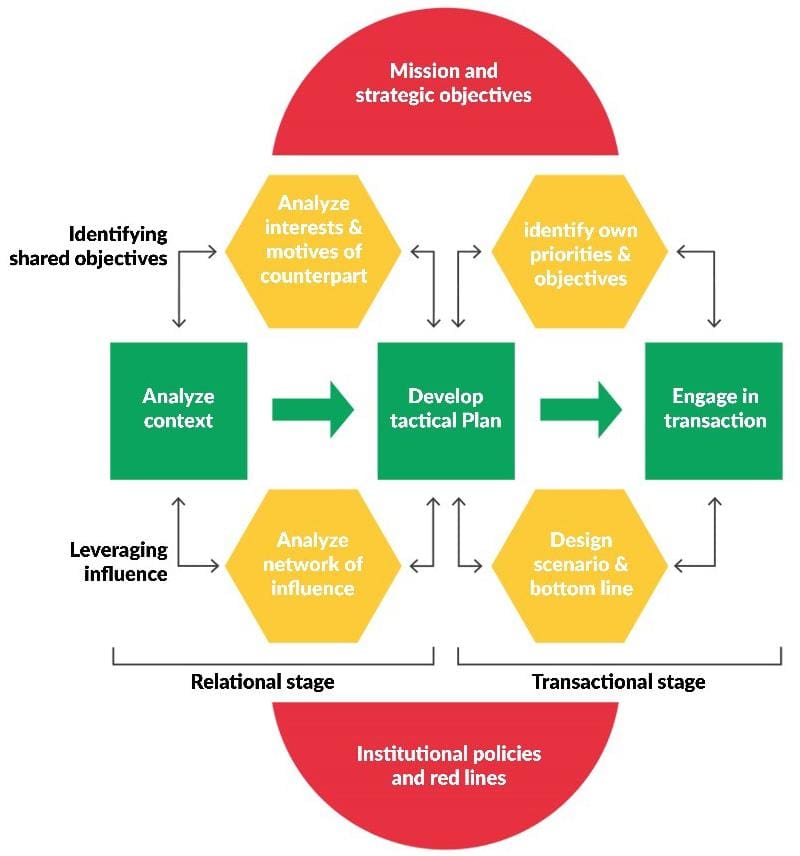
Understanding Your Role as a Stakeholder
As a stakeholder in healthcare policy changes, your role is crucial in influencing decisions that will impact the healthcare system. Stakeholders can include patients, healthcare providers, researchers, insurers, policymakers, and industry representatives. Each stakeholder brings a unique perspective and expertise to the table, making collaboration essential in the policymaking process.
Being a stakeholder means that you have a vested interest in the outcome of healthcare policies, and your input can help shape the direction of these policies. By actively participating in the negotiation process, you can advocate for changes that reflect the needs and priorities of your stakeholder group.
Building Coalitions and Partnerships
One of the most effective ways to negotiate healthcare policy changes as a stakeholder is by building coalitions and partnerships with other stakeholders who share similar goals and priorities. By working together towards a common objective, stakeholders can amplify their voices and increase their influence in the policymaking process.
Collaborating with diverse stakeholders can also help in developing comprehensive and inclusive policy solutions that address the needs of various groups within the healthcare system. Building strong relationships with other stakeholders can lead to a more united front when advocating for policy changes and can result in more impactful outcomes.

Understanding the Policy Landscape
Before diving into negotiations, it’s important to have a solid understanding of the policy landscape and the factors that influence healthcare policy changes. Familiarize yourself with the current healthcare policies, regulations, and stakeholders involved in the policymaking process. Stay informed about emerging trends, research, and data that may impact healthcare policies in the future.
By having a comprehensive understanding of the policy landscape, you can better identify opportunities for change and develop strategic approaches to advocate for policy reforms. Being well-informed will also help you articulate your positions effectively during negotiations and make evidence-based arguments to support your proposals.
Advocating for Policy Changes
When advocating for policy changes as a stakeholder, it’s essential to clearly articulate your objectives, priorities, and rationale for the proposed changes. Present compelling evidence, data, and research to support your arguments and demonstrate the potential impact of the proposed policy changes.
Engage with policymakers, legislators, and other key decision-makers to advocate for your positions and build support for the policy changes you are proposing. Utilize various communication channels, such as meetings, public hearings, written submissions, and media outreach, to raise awareness about your advocacy efforts and mobilize support from the broader community.
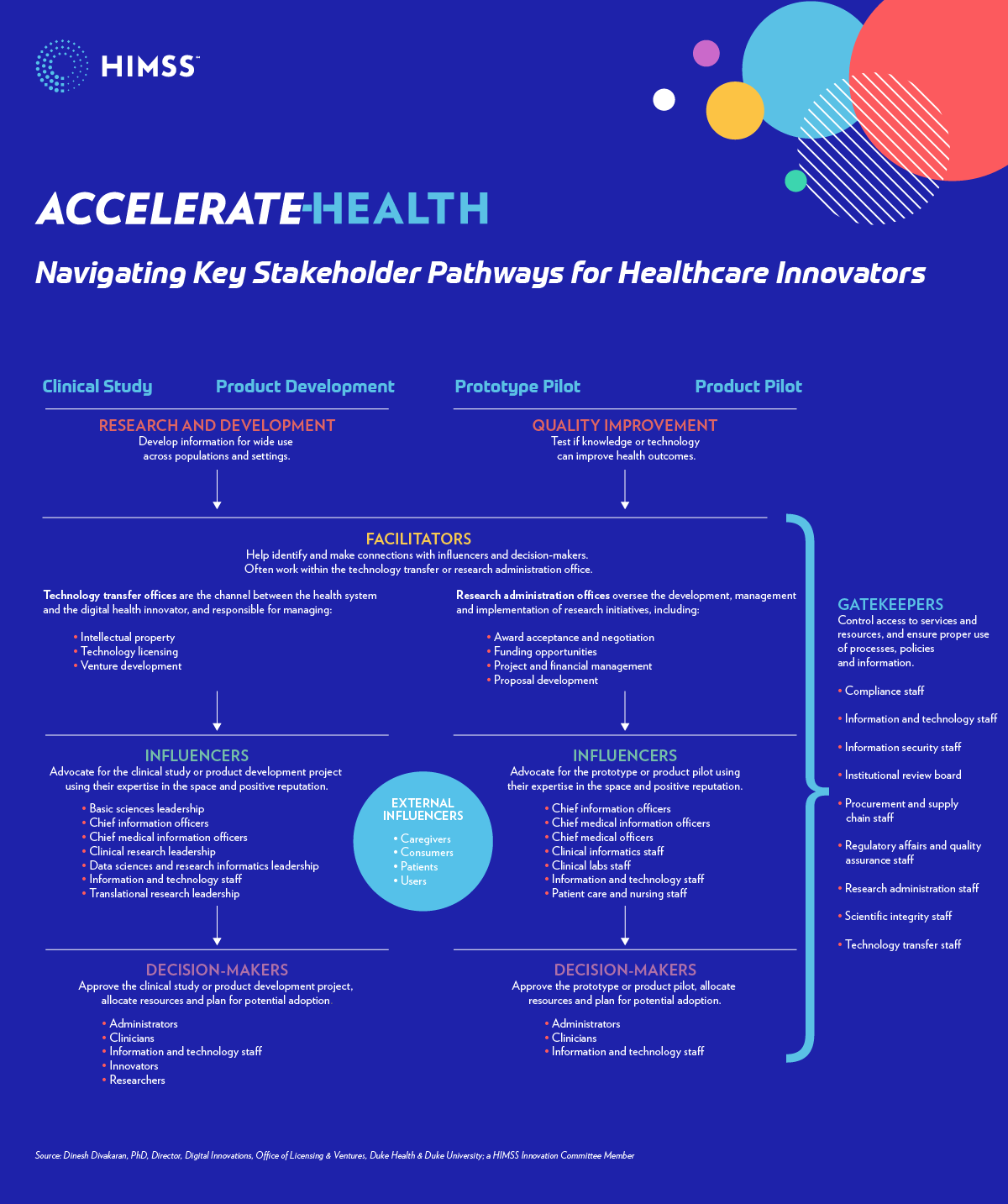
Collaborating with Government Agencies
Government agencies play a significant role in shaping healthcare policies and regulations, making collaboration with these agencies essential for stakeholders seeking to influence policy changes. Engage with relevant government agencies, such as the Centers for Medicare and Medicaid Services (CMS) or the Food and Drug Administration (FDA), to provide input on proposed policies, regulations, and initiatives.
By establishing productive relationships with government agencies, stakeholders can contribute valuable insights, expertise, and perspectives to the policymaking process. Work closely with agency officials, policymakers, and regulatory bodies to advocate for policy changes that align with the interests and priorities of your stakeholder group.
Monitoring and Evaluating Policy Impact
After advocating for and negotiating healthcare policy changes, it’s crucial to monitor and evaluate the impact of these changes on the healthcare system, stakeholders, and the broader community. Assess the implementation of the policy changes, their effectiveness in achieving the intended outcomes, and any unintended consequences that may have arisen.
Collect and analyze data, metrics, and feedback to measure the success of the policy changes and identify areas for improvement or further adjustments. Engage with stakeholders, policymakers, and experts to evaluate the impact of the policy changes and communicate the findings to inform future policy decisions.
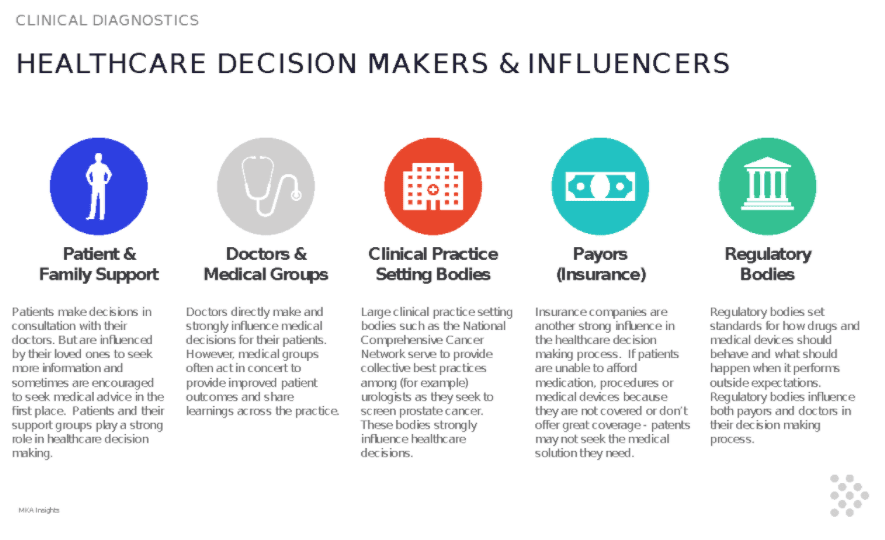
Addressing Ethical and Legal Considerations
When negotiating healthcare policy changes as a stakeholder, it’s important to consider ethical and legal considerations that may arise during the policymaking process. Uphold ethical standards, values, and principles in advocating for policy changes that prioritize patient safety, access to quality care, and equity in the healthcare system.
Ensure compliance with legal requirements, regulations, and standards when proposing, advocating for, and implementing policy changes to avoid any legal challenges or conflicts. Consult with legal experts, ethicists, and other stakeholders to address ethical and legal considerations and navigate potential complexities that may arise during negotiations.
Engaging in Continuous Education and Training
As a stakeholder involved in negotiating healthcare policy changes, it’s essential to engage in continuous education and training to stay informed about the latest developments, best practices, and innovations in healthcare policy and advocacy. Attend workshops, seminars, conferences, and training programs to enhance your knowledge, skills, and expertise in healthcare policy negotiation.
Stay updated on emerging trends, research findings, and policy updates that may impact the healthcare system and your stakeholder group. Engage with experts, thought leaders, and peers in the field to exchange ideas, collaborate on projects, and share insights that can inform your advocacy efforts and enhance your impact as a stakeholder.
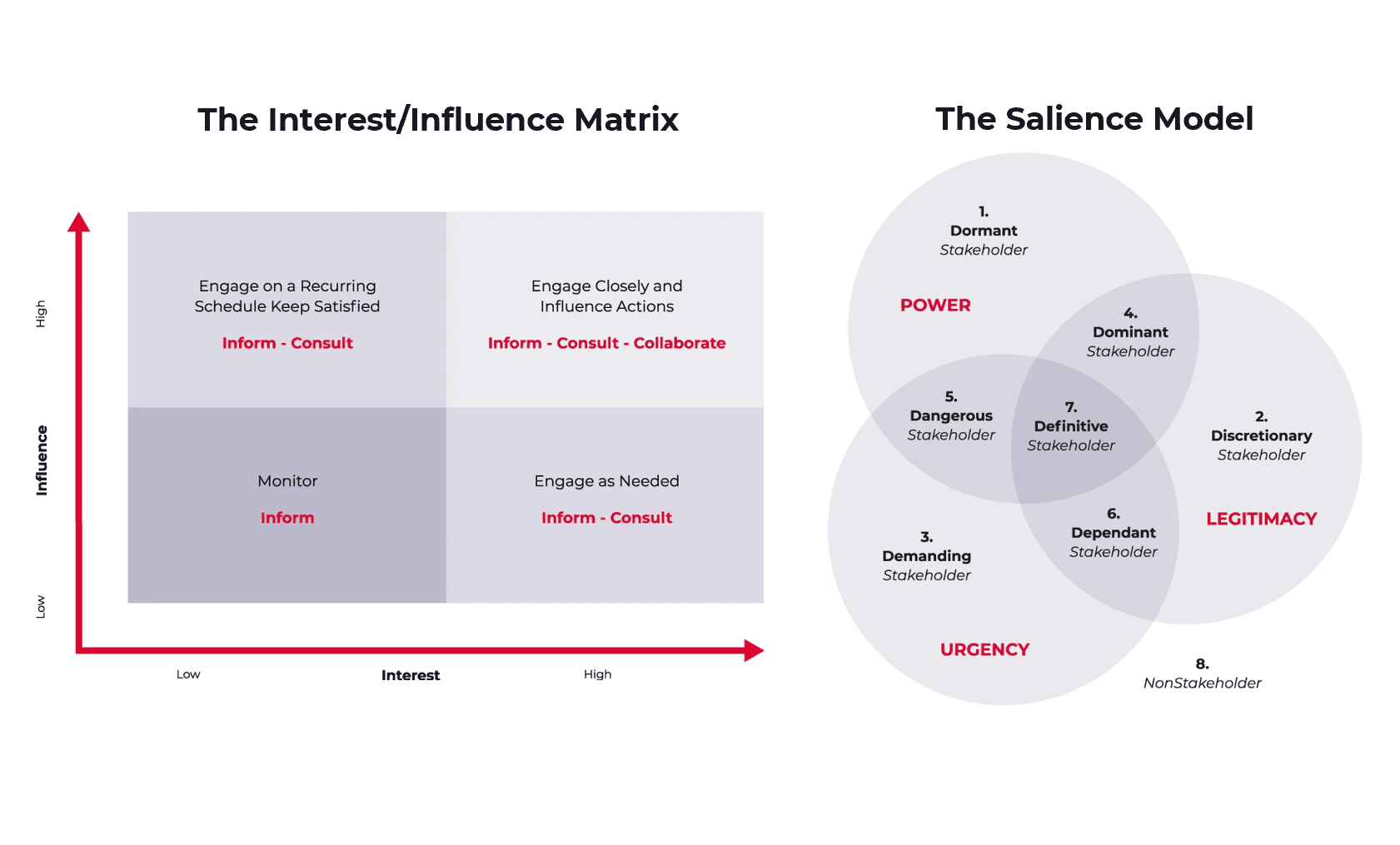
Conclusion
Negotiating healthcare policy changes as a stakeholder requires active engagement, collaboration, and advocacy to influence decision-making and shape the future of healthcare policies. By understanding your role, building coalitions, advocating for policy changes, and engaging with government agencies, stakeholders can drive meaningful reforms that improve the quality, access, and affordability of healthcare for all.
Remember that your voice matters in the policymaking process, and your contributions as a stakeholder can make a significant impact on healthcare policies and outcomes. Stay informed, involved, and committed to advocating for changes that reflect the needs and priorities of your stakeholder group. Together, we can work towards a healthcare system that meets the diverse needs of individuals, families, and communities. Thank you for your dedication and efforts in negotiating healthcare policy changes as a stakeholder. Let’s continue to collaborate, advocate, and make a difference in shaping the future of healthcare policies.