Are you curious about the benefits of alternative medicine and the role essential oils play in it? Look no further! In this article, we will explore the incredible power of essential oils and learn how to incorporate them into your alternative medicine routine. Whether you’re seeking relief from stress, pain, or even looking to boost your immune system, essential oils offer a natural and holistic approach to wellness. With our simple and practical tips, you’ll be well on your way to harnessing the healing properties of these precious oils. So, let’s get started on this aromatic journey together!
Understanding Essential Oils
What are essential oils?
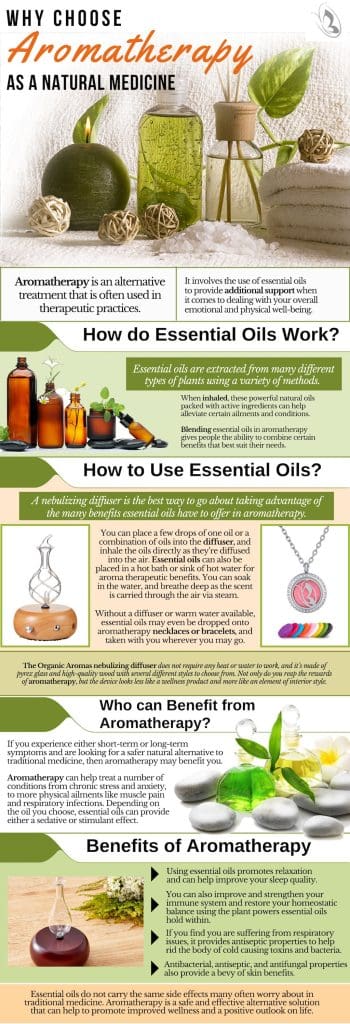
Essential oils are concentrated aromatic compounds extracted from various parts of plants, including the leaves, flowers, stems, and roots. These oils capture the natural essence and fragrance of plants, making them highly potent and versatile in their use. They have been used for centuries in traditional medicine practices and are now gaining popularity in alternative medicine.
How are essential oils made?
The process of extracting essential oils from plants can vary depending on the type of plant and its specific properties. The most common methods of extraction include steam distillation, cold pressing, and solvent extraction. Steam distillation involves passing steam through the plant material to release the essential oils, which are then collected and cooled to form a liquid. Cold pressing is used for citrus oils, where the peels are pressed to extract the oils. Solvent extraction is typically used for delicate flowers, where solvents like hexane are used to extract the oils.
Different types of essential oils
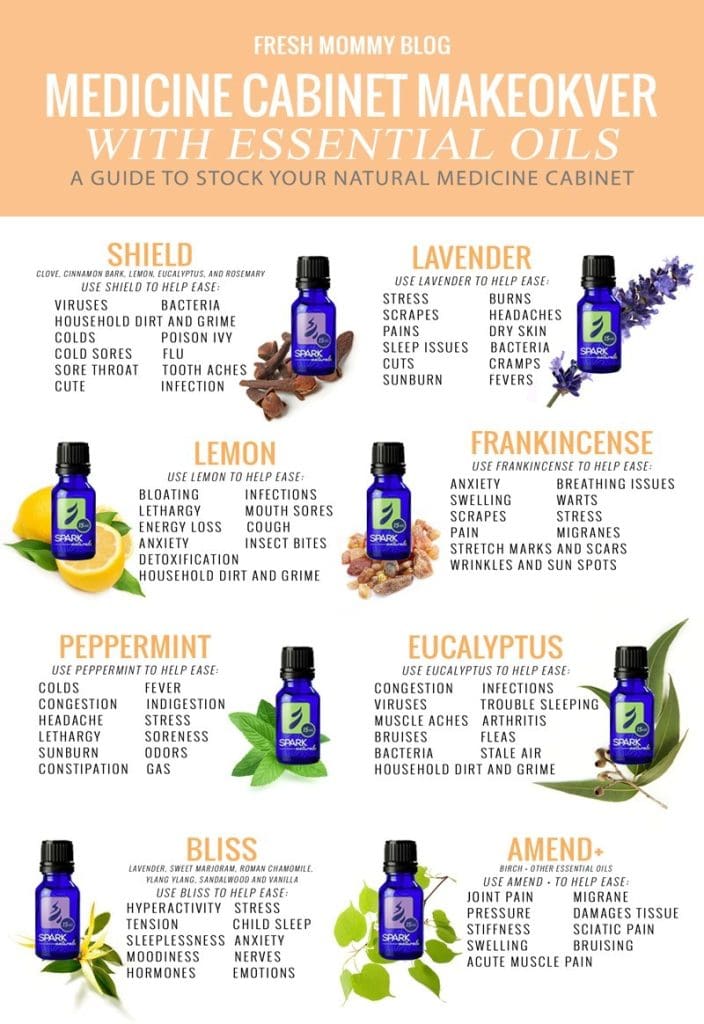
There is a wide variety of essential oils available, each with its own unique properties and benefits. Some popular essential oils include lavender, peppermint, tea tree, eucalyptus, chamomile, and lemon. Lavender essential oil is known for its calming and soothing effects, while peppermint essential oil can help with digestion and headaches. Tea tree essential oil has antimicrobial properties, making it useful for skincare, and eucalyptus essential oil can help relieve respiratory issues. It is essential to choose essential oils based on their specific properties and intended use.
Choosing Essential Oils
Researching essential oils
Before selecting essential oils, it’s important to do thorough research to understand their properties, benefits, and potential side effects. Numerous resources are available, including books, websites, and reputable sources, which can provide valuable information about the different essential oils. Additionally, it is helpful to consult with aromatherapists, herbalists, or other professionals who specialize in essential oils to gain deeper insights and guidance.
Quality and purity
When purchasing essential oils, it is crucial to consider their quality and purity. Look for oils that are labeled as 100% pure and do not contain any additives or synthetic ingredients. The purity of essential oils determines their effectiveness and safety. To ensure quality, choose oils that have been third-party tested and have obtained certifications such as USDA organic or ISO 9001. The country of origin and the extraction method also play a role in determining the quality of essential oils.
Safety considerations
While essential oils offer numerous benefits, it’s important to use them safely and responsibly. Some essential oils can cause skin irritation or allergic reactions, so it is essential to perform a patch test before applying them topically. Pregnant women, children, and individuals with certain medical conditions should exercise caution and consult with a healthcare professional before using essential oils. Additionally, always follow proper dilution guidelines and avoid ingesting essential oils unless under the guidance of a healthcare professional.
Methods of Application
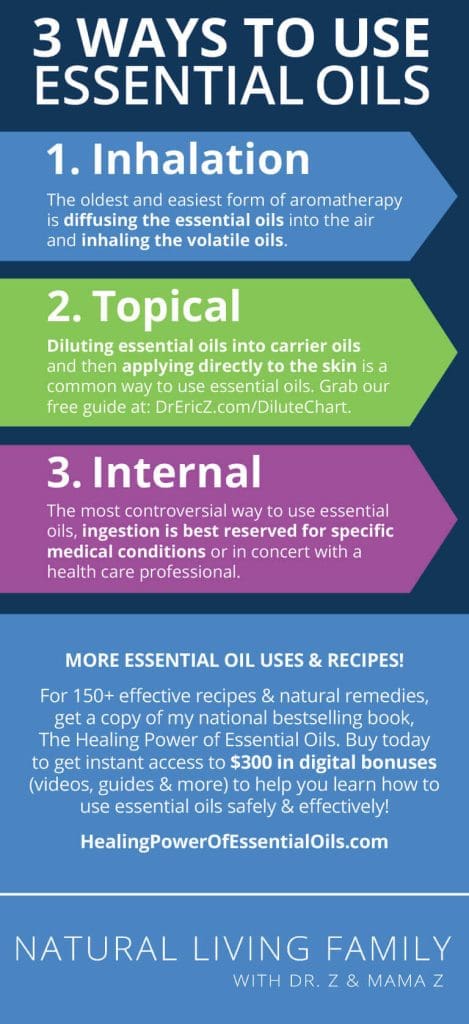
Inhalation
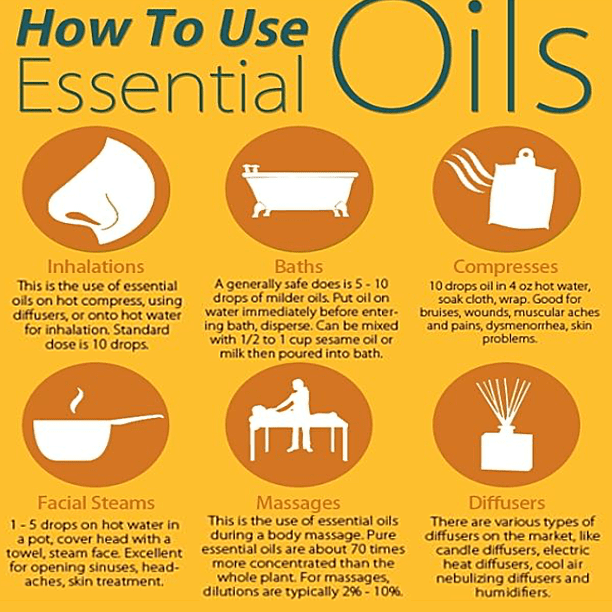
Inhalation is one of the most common and effective ways to use essential oils. It allows the aroma and therapeutic properties of the oils to be quickly absorbed by the body. There are various techniques for inhaling essential oils, including direct inhalation, steam inhalation, and using a diffuser.
Topical application
Topical application involves applying essential oils directly to the skin. Before applying any essential oil topically, it is crucial to dilute it with a carrier oil, such as coconut oil or jojoba oil, to prevent skin irritation. Massage, compresses, and baths are all effective methods of topical application.
Internal use
Internal use of essential oils should be approached with caution and only under the guidance of a healthcare professional. Some essential oils can be ingested if they are labeled for internal use, but it is essential to follow proper dosage guidelines. Internal use of essential oils can be in the form of oral ingestion or adding a few drops to beverages or food.
Inhalation Techniques
Direct inhalation
Direct inhalation involves inhaling essential oils directly from the bottle or by placing a few drops on a tissue or fabric. This method is quick and convenient, ideal for on-the-go use or when you need immediate relief from symptoms such as headaches or stress.
Steam inhalation
Steam inhalation is a more targeted approach and involves adding a few drops of essential oil to a bowl of steaming hot water. Place a towel over your head and breathe in the steam, allowing the essential oil vapors to penetrate your respiratory system. This method is beneficial for relieving congestion, sinus issues, and respiratory problems.
Using a diffuser
Using a diffuser allows essential oils to be dispersed into the air, creating a soothing and aromatic environment. There are different types of diffusers available, including ultrasonic diffusers, nebulizing diffusers, and heat diffusers. Simply add a few drops of essential oil to the diffuser and enjoy the therapeutic benefits throughout your space.
Topical Application Techniques
Dilution guidelines
Dilution is crucial when applying essential oils topically to prevent skin irritation or adverse reactions. The general rule of thumb is to use a 2-5% dilution, which means adding a few drops of essential oil to a carrier oil, such as almond oil or avocado oil. For sensitive skin or children, a lower dilution of 1% is recommended.
Massage
Massaging essential oils onto the skin not only allows for easy absorption but also provides the added benefits of relaxation and stress relief. Combine a few drops of essential oil with a carrier oil and massage it onto the desired area using gentle, circular motions.
Compresses
Compresses are ideal for addressing specific areas of the body or relieving muscle pain. Add a few drops of essential oil to a bowl of warm or cold water, soak a cloth in the mixture, and apply it to the affected area. For warm compresses, use essential oils with warming properties, such as ginger or black pepper. For cold compresses, use oils like peppermint or eucalyptus to provide a soothing and cooling sensation.
Baths
Adding essential oils to your bath is a luxurious way to relax and unwind. Mix a few drops of essential oil with a carrier oil, Epsom salts, or a dispersing agent like liquid castile soap before adding them to the bathwater. Swirl the water to disperse the oils evenly and enjoy the aromatic and therapeutic experience.
Internal Use of Essential Oils
Safety precautions
Internal use of essential oils should be approached with caution as some oils can be toxic or harmful when ingested. It is essential to consult with a healthcare professional or certified aromatherapist before using essential oils internally. Do not exceed the recommended dosage and ensure the oils you are using are labeled for internal use.
Choosing oils for internal use
Not all essential oils are suitable for internal use. When choosing oils for internal consumption, look for those that are labeled as food grade or have specific instructions for internal use. Oils such as peppermint, lemon, and lavender are commonly used internally in small amounts for digestive support, immune support, or relaxation.
Methods of internal use
Internal use of essential oils can be in the form of adding a drop or two to beverages, water, or food. They can also be encapsulated in a vegetable capsule for targeted and controlled consumption. It is crucial to follow dosage guidelines and only use internal methods under the supervision of a healthcare professional.
Common Conditions and Essential Oils
Headaches and migraines
For headaches and migraines, essential oils such as peppermint, lavender, and eucalyptus can provide relief. Massage diluted peppermint oil onto the temples, inhale lavender oil, or apply a cold compress with eucalyptus oil to the forehead and temples.
Stress and anxiety
To alleviate stress and anxiety, essential oils like lavender, chamomile, and ylang-ylang are effective. Diffuse these oils in your space, add a few drops to a bath, or use them in a massage to promote relaxation and calmness.
Insomnia
For insomnia or trouble sleeping, essential oils such as lavender, roman chamomile, and bergamot can be beneficial. Diffuse these oils in your bedroom, apply them topically to your pulse points, or add a few drops to a warm bath before bedtime.
Digestive issues
To support digestion and relieve digestive issues, essential oils like ginger, peppermint, and fennel are commonly used. Dilute a few drops with a carrier oil and massage onto the abdomen in a clockwise motion or add a drop to a glass of water and consume.
Respiratory problems
When experiencing respiratory issues, essential oils such as eucalyptus, tea tree, and peppermint can provide relief. Use steam inhalation with these oils, diffuse them in your space, or apply a chest rub with a diluted blend to alleviate congestion and promote easier breathing.
Blending Essential Oils
Understanding scent profiles
Each essential oil has its own unique scent profile, consisting of top notes, middle notes, and base notes. Top notes are usually lighter and refreshing, middle notes are more balanced and harmonizing, while base notes are deep and grounding. Understanding and combining these scent profiles can help create well-rounded and pleasing blends.
Creating synergistic blends
Synergy is the concept of combining essential oils that work together to enhance their therapeutic effects. When blending oils, consider their individual properties and combine them to create a synergistic effect. For example, combining lavender, bergamot, and ylang-ylang creates a relaxing and uplifting blend that promotes feelings of calmness and peace.
Using carrier oils
Carrier oils are used to dilute essential oils and provide a base for topical application. They help ensure safe and effective use of essential oils while also providing additional benefits for the skin. Common carrier oils include coconut oil, almond oil, jojoba oil, and olive oil. When blending essential oils, mix them with the carrier oil before applying them to the skin.
Storage and Shelf Life
Choosing the right containers
To preserve the quality and potency of essential oils, it’s important to store them in the right containers. Essential oils should be stored in dark glass bottles, such as amber or cobalt blue, as they protect the oils from UV light exposure. Avoid storing essential oils in clear or plastic containers, as they can degrade the oils and reduce their shelf life.
Proper storage conditions
Essential oils should be stored in a cool, dark place away from direct sunlight and heat sources. Exposure to light, heat, and air can cause the oils to deteriorate and lose their effectiveness. Keep the lids tightly closed and ensure the bottles are upright to prevent leakage. By following proper storage conditions, you can extend the shelf life of your essential oils.
Determining the shelf life of essential oils
The shelf life of essential oils can vary depending on the oil and its specific properties. Generally, most essential oils have a shelf life of 1-3 years when stored properly. However, citrus oils have a shorter shelf life of around 6-12 months due to their higher volatility. To determine if an essential oil is still usable, check for any changes in color, consistency, or odor. If the oil has an off-putting smell or appearance, it is best to discard it and replace it with a fresh bottle.
Consulting a Professional
Advice from an aromatherapist or herbalist
If you are new to using essential oils or have specific health concerns, it is beneficial to consult with a professional aromatherapist or herbalist. These experts can provide personalized guidance, recommend suitable essential oils for your needs, and help you navigate any potential interactions or precautions.
Interactions with medications
It is important to be aware that essential oils can interact with certain medications. Some oils may enhance the effects of medications, while others may inhibit their effectiveness. If you are taking any medications, consult with your healthcare provider before using essential oils to ensure they are safe to use in conjunction with your current treatment.
Precautions during pregnancy or for children
Pregnant women and children have specific safety considerations when it comes to essential oil use. Some oils are not recommended during pregnancy or for young children due to potential risks. It is crucial to seek advice from a healthcare professional or pediatric specialist to ensure the safe and appropriate use of essential oils during pregnancy or for children.
Incorporating essential oils into your wellness routine can offer a natural and holistic approach to alternative medicine. By understanding the various types of essential oils, safe usage methods, and potential benefits for different conditions, you can harness the power of these potent plant essences to support your health and well-being. Remember to always prioritize safety, consult professionals when needed, and enjoy the diverse aromas and therapeutic benefits that essential oils have to offer.