
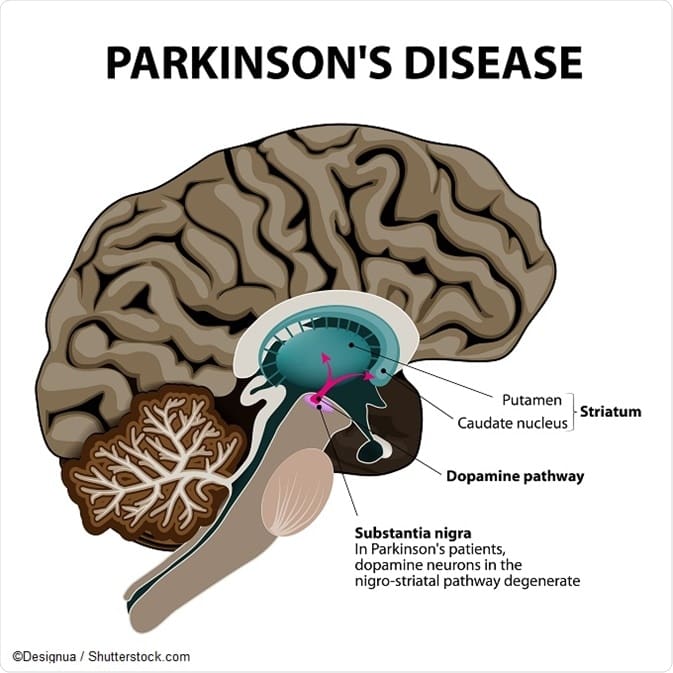
Living with Parkinson’s disease can present daily challenges, but there are practical tips that can help improve your quality of life. From finding support groups to staying active and managing medications, this article provides valuable insights and strategies for navigating the complexities of Parkinson’s. With a friendly tone and helpful advice, it aims to empower individuals with Parkinson’s to make positive changes and enhance their overall well-being. Living with Parkinson’s disease can present daily challenges, but there are practical steps you can take to improve your quality of life. From medication management to maintaining social connections, addressing various aspects of your well-being can make a significant difference. Let’s explore some helpful tips for managing Parkinson’s disease and enhancing your overall well-being.
Medication Management
Create a Medication Schedule
Maintaining a consistent medication routine is essential for managing Parkinson’s disease symptoms effectively. Create a medication schedule that outlines the specific times and dosages of your medications. This will help you stay organized and ensure you take your medications as prescribed.
Use Pill Organizers
Pill organizers can be an excellent tool for managing your medications. These convenient containers allow you to sort your pills by day and time, making it easier to stay on track with your medication regimen. Invest in a pill organizer that suits your needs and preferences, ensuring you have a clear visual reminder of your daily medications.
Set Reminders for Medication
Incorporating reminders into your daily routine can help you remember to take your medications. Utilize alarm clocks, smartphone apps, or medication reminder devices to prompt you when it’s time to take your medication. These reminders can be especially helpful if you have a busy schedule or tend to forget things easily.
Keep Track of Side Effects
It’s important to be aware of any side effects that may occur with your medications. Keep a record of any changes or adverse reactions you experience, and share this information with your healthcare provider. Tracking side effects can assist your doctor in adjusting your medication regimen to minimize discomfort and enhance your overall well-being.
Physical Exercise
Consult a Physical Therapist
Working with a physical therapist can be immensely beneficial for individuals with Parkinson’s disease. A therapist specializing in Parkinson’s can create a tailored exercise program that focuses on improving strength, flexibility, balance, and coordination. They can also guide you on proper posture and movement techniques to manage symptoms more effectively.
Engage in Regular Aerobic Exercises
Aerobic exercises such as walking, swimming, cycling, or dancing can help improve cardiovascular fitness and overall mobility. Aim for at least 150 minutes of moderate aerobic exercise per week. Regular aerobic exercise can also boost your mood, reduce rigidity, and improve sleep quality.
Incorporate Strength Training
Strength training exercises can help maintain muscle strength and reduce the risk of falls. Consider incorporating resistance bands, free weights, or weight machines into your exercise routine. Work with your physical therapist or a certified trainer to ensure you are using proper form and technique while performing strength exercises.
Consider Balance and Coordination Exercises
Specific exercises focused on balance and coordination can help manage Parkinson’s symptoms. Activities like tai chi, yoga, and balance boards can improve stability, reduce the risk of falls, and enhance overall body control. Consult with your healthcare provider or a certified instructor to find the best exercises for your needs.
Dietary Adjustments
Consume a Balanced Diet
A healthy, balanced diet is crucial for managing Parkinson’s disease. Consult with a registered dietitian who specializes in Parkinson’s to create a personalized dietary plan. Focus on including a variety of fruits, vegetables, whole grains, lean proteins, and healthy fats in your meals.
Include Fiber-Rich Foods
Constipation is a common symptom experienced by individuals with Parkinson’s disease. Including fiber-rich foods such as whole grains, fruits, vegetables, and legumes in your diet can help alleviate this issue. Be sure to drink plenty of water to support healthy digestion.
Monitor Protein Intake
Protein can interfere with the absorption of medications used to manage Parkinson’s symptoms. Talk to your healthcare provider about the recommended timing and distribution of protein intake throughout the day. Adjusting your protein consumption can optimize medication effectiveness.
Stay Hydrated
Proper hydration is essential for overall health and well-being. Aim to drink an adequate amount of water throughout the day, as dehydration can worsen Parkinson’s symptoms. Keep a water bottle with you as a reminder to stay hydrated and establish a routine of drinking water.
Speech and Swallowing Exercises
Work with a Speech-Language Pathologist
A speech-language pathologist can provide valuable guidance in managing speech and swallowing difficulties associated with Parkinson’s disease. They can design personalized exercises to strengthen the muscles used for speech and improve swallowing function. Regular therapy sessions with a speech-language pathologist can help maintain and enhance your communicative abilities.
Practice Deep Breathing Exercises
Deep breathing exercises can improve speech projection and vocal quality. Engage in diaphragmatic breathing exercises, inhaling deeply through your nose, expanding your abdomen, and exhaling slowly through your mouth. Regular practice of deep breathing exercises can also contribute to relaxation and stress reduction.
Perform Tongue and Jaw Exercises
Tongue and jaw exercises can promote better control and movement of these facial muscles, improving articulation and swallowing function. This may involve movements such as sticking out your tongue, moving it side to side, or performing resistance exercises with your jaw. Consult with a speech-language pathologist for specific exercises and techniques.
Use Speech Therapy Apps or Resources
Utilize the plethora of speech therapy apps and resources available online to practice your speech and swallowing exercises at home. These tools can provide additional support and guidance, allowing you to continue your therapy exercises between sessions and track your progress.
Cognitive Stimulation
Engage in Mentally Stimulating Activities
Keeping your mind active and engaged can help maintain cognitive function and slow the progression of cognitive decline. Engage in activities that challenge your brain, such as puzzles, crosswords, Sudoku, or memory games. Dedicate time each day to mentally stimulating activities to support brain health.
Play Brain Games or Puzzles
Brain games and puzzles designed specifically for cognitive stimulation can be a fun and effective way to exercise your brain. Explore online platforms or mobile apps that offer a variety of games targeting memory, attention, problem-solving, and other cognitive skills. Incorporate these games into your daily routine for maximum benefit.
Read Books or Join Book Clubs
Reading books can provide mental stimulation and nourish your imagination. Choose books that interest you and challenge your thinking. Consider joining a book club to further enhance the social aspect of reading and engage in stimulating discussions about literature.
Learn a New Skill or Hobby
Learning something new can stimulate your brain and provide a sense of accomplishment. Whether it’s taking up a musical instrument, learning a new language, painting, or gardening, find a new skill or hobby that interests you. Engaging in these activities can positively impact your cognitive function and enhance your overall well-being.
Home Modifications
Arrange Furniture for Better Mobility
Make adjustments to your home environment to accommodate any mobility challenges. Arrange furniture in a way that allows for easy movement and reduces the risk of falls. Create clear pathways and ensure that there is enough space for mobility aids such as walkers or wheelchairs, if necessary.
Install Grab Bars and Handrails
Installing grab bars and handrails in key areas of your home, such as the bathroom and stairways, can provide extra support and enhance safety. These fixtures can assist with maintaining balance, preventing falls, and improving independence in daily activities.
Improve Lighting Conditions
Good lighting is essential for individuals with Parkinson’s disease, as it can help with visual perception and reduce the risk of falls. Install bright, energy-efficient light bulbs throughout your home. Consider adding task lighting in areas where extra illumination is needed, such as reading areas.
Remove Tripping Hazards
Take steps to eliminate or minimize potential tripping hazards in your home. Remove loose rugs, clutter, and extension cords from walkways. Secure carpets and use non-slip mats. By creating a safe and clutter-free environment, you can significantly reduce the risk of falls and injuries.
Assistive Devices
Use Walking Aids
If you experience difficulties with mobility, explore the use of walking aids such as canes, walkers, or rollators. Consult with a physical therapist or healthcare provider to determine the most suitable walking aid for your needs. Properly using assistive devices can provide stability and support during daily activities.
Try Utensils with Built-Up Handles
Hand tremors or weakness can make eating challenging for individuals with Parkinson’s disease. Consider using utensils with built-up handles or rocker knives that require minimal hand strength. These adaptive eating utensils can enhance independence and make mealtime more enjoyable and manageable.
Explore Adaptive Clothing Options
Dressing can become more challenging as Parkinson’s disease progresses. Look for adaptive clothing options such as magnetic closures, front-opening tops, or elastic waistbands. These modifications can make dressing easier, allowing you to maintain your independence and dignity.
Consider Voice-Activated Technology
Voice-activated technology, such as smart speakers or voice-activated personal assistants, can provide convenience and accessibility. Use these devices to control lights, appliances, alarms, or to set reminders for medications or appointments. Voice-activated technology can be especially helpful if mobility or dexterity is impaired.
Psychological Support
Join a Support Group
Connecting with others who understand what you are going through can be incredibly valuable. Join a local or online support group specifically for individuals with Parkinson’s disease. Sharing experiences, coping strategies, and emotional support with others can contribute to improved mental well-being.
Consider Individual Therapy Sessions
Individual therapy with a licensed mental health professional can provide a safe space to address the emotional and psychological challenges that come with Parkinson’s. Therapy can help you navigate through feelings of anxiety, depression, or grief that may arise. A therapist can also provide valuable coping mechanisms and strategies to manage the emotional impact of Parkinson’s disease.
Practice Stress Management Techniques
Stress can exacerbate Parkinson’s symptoms and negatively impact your overall well-being. Incorporate stress management techniques into your daily routine. This can include activities such as deep breathing exercises, mindfulness meditation, yoga, or engaging in hobbies that bring you joy and relaxation.
Engage in Relaxation Exercises
Relaxation exercises, such as progressive muscle relaxation or guided imagery, can be effective in reducing muscle tension and promoting a sense of calm. Learn these techniques from a therapist, online resources, or relaxation apps. Regular practice can help manage stress levels and improve your overall mental and physical well-being.
Sleep Hygiene
Establish a Bedtime Routine
Establishing a consistent bedtime routine can signal your body that it’s time to wind down and prepare for sleep. Engage in relaxing activities before bed, such as reading a book, taking a warm bath, or listening to calming music. Stick to a regular sleep schedule to promote better sleep quality.
Create a Comfortable Sleeping Environment
Optimize your sleeping environment to promote restful sleep. Ensure your bedroom is cool, quiet, and dark. Invest in a comfortable mattress and pillows that provide adequate support. Use blackout curtains or eye masks to block out any unwanted light and reduce disturbances.
Avoid Stimulating Activities Before Bed
Avoid engaging in stimulating activities right before bed, such as watching stimulating shows, using electronic devices, or engaging in intense exercise. These activities can interfere with your ability to relax and fall asleep. Instead, choose calming activities that promote relaxation.
Limit Screen Time Before Sleep
Exposure to blue light emitted by electronic devices can disrupt your sleep-wake cycle. Limit screen time for at least an hour before bed. Instead, engage in activities that promote relaxation and prepare your body and mind for sleep.
Maintaining Social Connections
Stay Connected with Friends and Family
Maintaining social connections is essential for your mental and emotional well-being. Stay in touch with friends and family through phone calls, video chats, or social media platforms. Nurture these relationships and seek support from your loved ones when needed.
Join Parkinson’s Disease Support Organizations
Connecting with others who are also living with Parkinson’s disease can provide a sense of community and understanding. Join local or online support organizations specifically for individuals with Parkinson’s. Engage in discussions, attend events, and learn from others who have firsthand experience with the challenges of Parkinson’s.
Participate in Community Activities
Stay engaged in your local community by participating in activities that interest you. Join clubs, take classes, or participate in community events. Engaging in meaningful activities can provide a sense of purpose and fulfillment while fostering new friendships and social connections.
Volunteer for Causes of Interest
Giving back to your community can be incredibly rewarding. Look for volunteer opportunities that align with your interests and abilities. Whether it’s supporting organizations related to Parkinson’s disease or contributing to other causes that resonate with you, volunteering can provide a sense of purpose, social connection, and personal satisfaction.
By incorporating these practical tips into your daily life, you can manage Parkinson’s disease symptoms more effectively and improve your overall quality of life. Remember to consult with your healthcare provider or specialists for personalized guidance and recommendations based on your specific needs. With a comprehensive approach to managing Parkinson’s, you can enhance your well-being and live life to the fullest.