
Imagine being able to relieve your pain and relax anytime, anywhere, without the need for medication or expensive treatments. With acupressure, you have the power to do just that. Acupressure is an ancient healing technique that involves applying gentle pressure to specific points on your body, known as acupoints, to alleviate pain and promote relaxation. In this article, you will discover the secrets of acupressure and learn how to use these points effectively for pain relief and relaxation. Say goodbye to aches and stress, and say hello to a more natural and holistic approach to healing.
What is Acupressure?
Definition of Acupressure
Acupressure is a traditional healing technique that originated in China over 5,000 years ago. It involves the application of pressure on specific points on the body to stimulate the body’s natural healing abilities. Similar to acupuncture, acupressure works on the principle of restoring the flow of energy, or Qi, along the body’s meridians.
Key Principles of Acupressure
Acupressure revolves around a few key principles. It is based on the belief that the body is made up of energy pathways called meridians, and blockages or imbalances in these meridians can lead to physical or emotional discomfort. By applying pressure to specific acupressure points along the meridians, the flow of energy is restored, promoting healing and relieving various ailments.
How Acupressure Works
Acupressure works by stimulating specific points on the body, known as acupressure points, using fingers, hands, or specialized tools. By applying pressure to these points, the nervous system is activated, releasing endorphins and promoting relaxation. This stimulation also helps to regulate the flow of energy along the meridians, enhancing overall wellbeing and providing pain relief.
Identifying Acupressure Points
Common Acupressure Points
There are numerous acupressure points located throughout the body, each corresponding to different ailments or conditions. Some common acupressure points include the Third Eye Point, which is located between the eyebrows and can help alleviate headaches and eye strain, and the Joining Valley Point, found in the web between the thumb and index finger, which is known to relieve pain in the neck and shoulders.
Locating Acupressure Points
To locate acupressure points, it is important to have a basic understanding of the body’s meridian system. Acupressure points are typically found along these meridians, and each point has a specific location and function. By familiarizing yourself with the body’s meridian pathways and studying acupressure charts or diagrams, you can easily identify and target the relevant acupressure points for pain relief or relaxation.
Understanding Meridians
Meridians are energy channels that flow throughout the body, connecting the organs and tissues. There are twelve main meridians in the body, each associated with a specific organ system. These meridians correspond to different acupressure points, and by understanding their pathways and connections, you can effectively use acupressure to address specific health concerns.
Preparing for Acupressure
Creating a Calm Environment
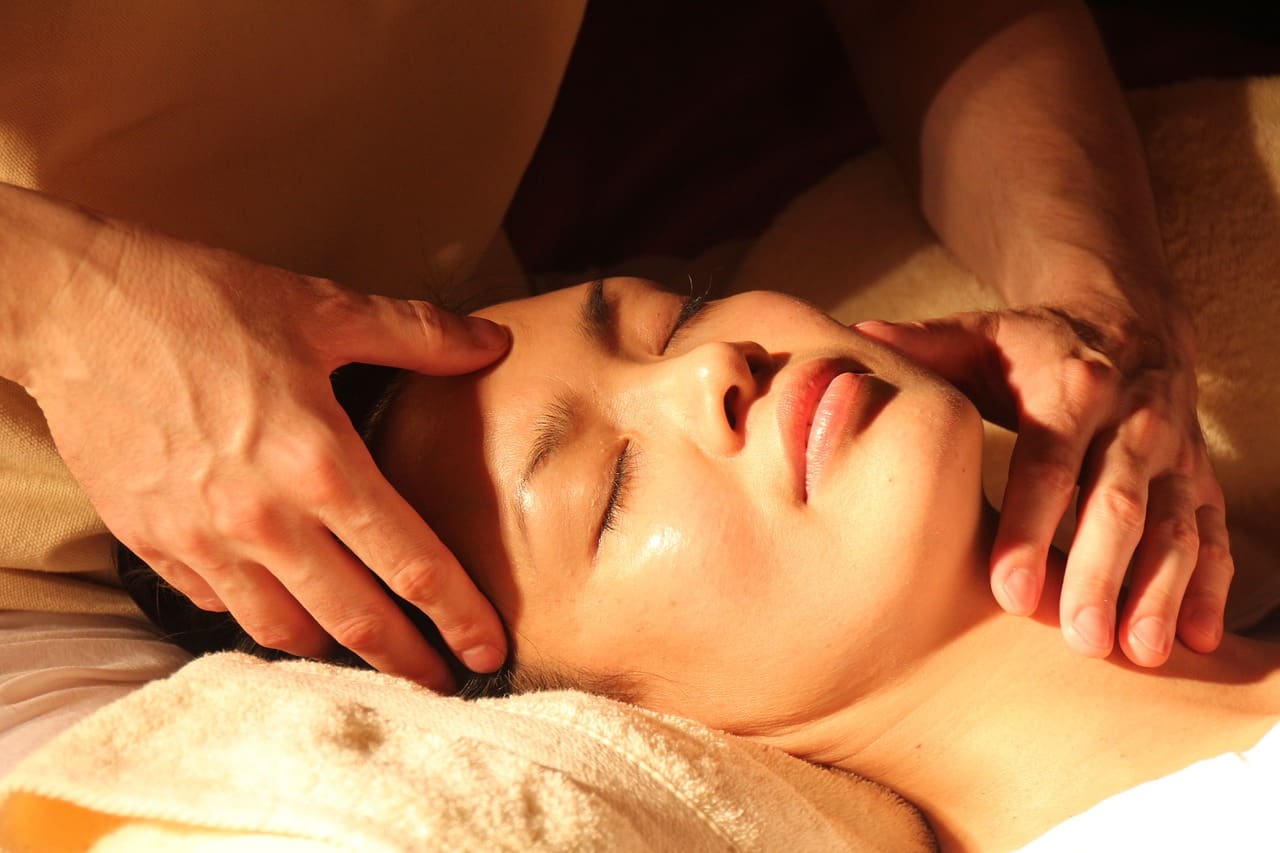
Before starting an acupressure session, it is essential to create a calm and relaxing environment. Find a quiet space where you can comfortably sit or lie down. Dim the lights, play soft music, or use aromatherapy to create a soothing ambiance. By creating a calm environment, you can enhance the effectiveness of acupressure and promote deep relaxation.
Practicing Deep Breathing
Deep breathing is a fundamental technique for relaxation and stress relief. Before beginning an acupressure session, take a few moments to focus on your breath. Inhale deeply through your nose, allowing your abdomen to expand, and exhale slowly through your mouth. Deep breathing helps to oxygenate the body and promote a state of relaxation, preparing you for the acupressure practice ahead.
Relaxing the Body
To optimize the benefits of acupressure, it is crucial to relax your body before starting the session. Release any tension in your muscles and find a comfortable position. You can try gentle stretching exercises or perform a short meditation to ease any physical or mental stress. By relaxing the body, you create a receptive state for the acupressure techniques to work effectively.
Techniques for Acupressure
Finger Pressure
Finger pressure is the most commonly used technique in acupressure. With clean and relaxed hands, use your fingertips or knuckles to apply firm and steady pressure to the acupressure points. Begin with light pressure and gradually increase the intensity as tolerated. You can use circular motions or hold the pressure for several minutes, focusing on the points that relate to your specific concern.
Using Massage Tools
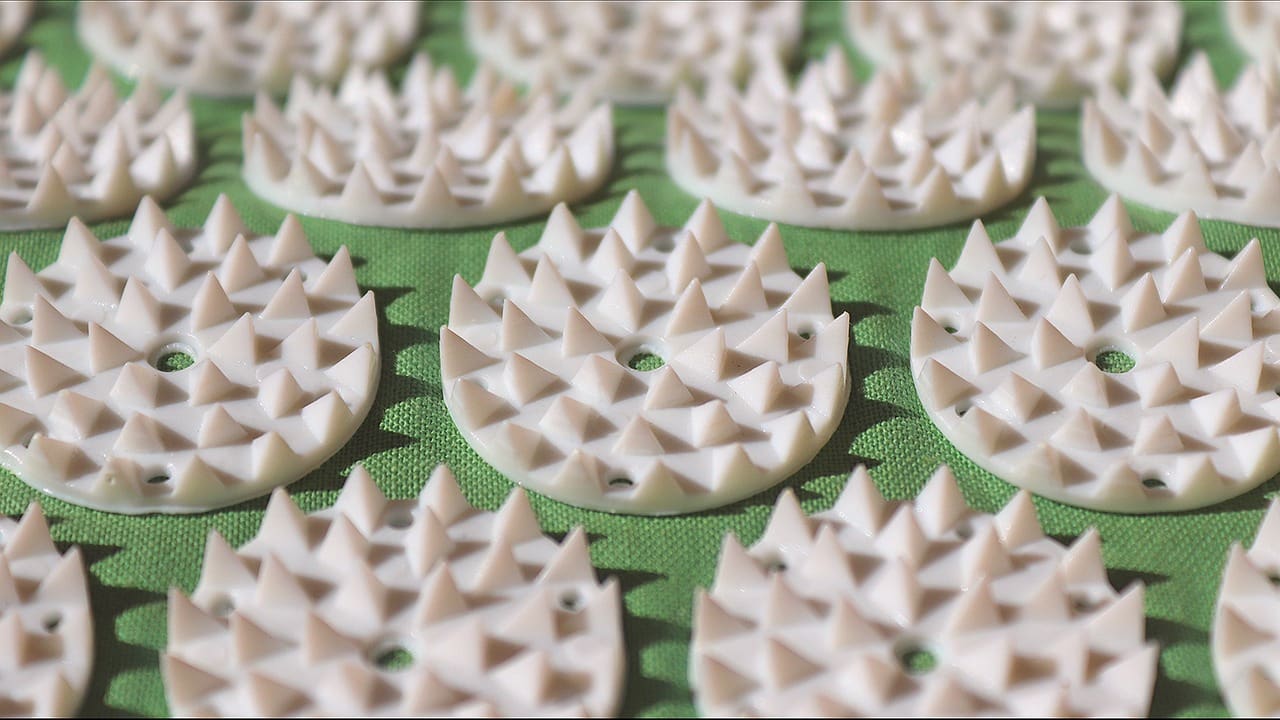
Massage tools can be a valuable aid in acupressure practice, especially for hard-to-reach areas or when you need to apply consistent pressure for an extended period. Tools such as acupressure balls, rollers, or handheld massagers can help relieve muscle tension and stimulate acupressure points with ease. When using tools, remember to apply gentle pressure and listen to your body’s response.
Applying Electrical Acupuncture
Electrical acupuncture, also known as electro-acupressure, involves the use of a low-level electrical current to stimulate the acupressure points. This technique can be particularly effective for pain relief and relaxation. A small electrical device is connected to the acupressure points, delivering gentle electrical impulses. However, it is essential to seek guidance from a trained professional before attempting this technique to ensure safety and proper application.
Acupressure Points for Pain Relief
Headaches and Migraines
Headaches and migraines can be debilitating, but acupressure can offer relief. The Third Eye Point, located between the eyebrows, can help alleviate headache pain. Gently apply pressure to this point using your middle finger and hold for a few minutes. Another effective point is the Union Valley Point, found in the web between your thumb and index finger. Apply pressure in a circular motion, gradually increasing the intensity, and release after a few minutes.
Back and Neck Pain
Back and neck pain are common complaints, but acupressure can provide relief by targeting specific points. The Heavenly Pillar Point, located in the large hollows at the back base of your skull, can help alleviate neck pain. Apply firm pressure with your thumbs or knuckles and hold for a few minutes. For back pain, the Sea of Vitality Point, located in the lower back area, can be effective. Use your fists to apply pressure to this point in an up and down motion.
Menstrual Cramps
Menstrual cramps can be uncomfortable, but acupressure can offer relief during menstruation. The Spleen 6 Point, located above the ankle bone on the inner side of the leg, is known for its ability to relieve menstrual cramps. Apply firm and steady pressure using your thumb or index finger and hold for a few minutes. The Lower Abdomen Point, found three finger-widths below the navel, can also help alleviate menstrual discomfort. Apply gentle circular pressure to this point for several minutes.
Acupressure Points for Relaxation
Anxiety and Stress
Acupressure can be a useful tool for managing anxiety and stress. The Heavenly Gate Point, located on the palm side of the hand between the thumb and index finger, can help relieve tension and promote relaxation. Apply firm pressure to this point using your opposite thumb or index finger and hold for a few minutes. The Inner Gate Point, found on the inner forearm, about three finger-widths above the wrist crease, can also help reduce anxiety. Apply gentle pressure to this point and take slow, deep breaths to induce a calming effect.
Sleep Disorders
Acupressure can aid in promoting a restful night’s sleep and managing sleep disorders. The Spirit Gate Point, located on the inner wrist crease, can help calm the mind and encourage sleep. Apply gentle pressure using your opposite thumb or index finger and hold for a few minutes. The Calm Sleep Point, found on the sole of the foot, about one-third of the way from the toes to the heel, can also be beneficial. Apply gentle pressure using your thumb and hold for a few minutes before bedtime.
Digestive Issues
Acupressure can provide relief for various digestive issues, including indigestion and bloating. The Sea of Energy Point, located two finger-widths below the navel, can help regulate digestion. Apply gentle circular pressure to this point for a few minutes. The Three Yin Intersection Point, found on the inner leg, about three finger-widths above the ankle bone, can also aid digestion. Apply firm pressure using your thumb and hold for a few minutes to help alleviate digestive discomfort.
Step-by-Step Guide for Pain Relief
Selecting the Appropriate Acupressure Points
Begin by identifying the acupressure points that relate to your specific pain or discomfort. Consult an acupressure chart or seek professional guidance to locate the appropriate points for your condition. Choose two or three points to start with, focusing on areas that correspond to your pain.
Applying Firm and Steady Pressure
Using your fingertips, thumbs, or knuckles, apply firm pressure to the selected acupressure points. Start with gentle pressure and gradually increase the intensity as tolerated. Hold the pressure for a few minutes or until you feel a release of tension. Remember to breathe deeply and stay relaxed throughout the process.
Relaxation Techniques during Pressure Application
While maintaining pressure on the acupressure points, incorporate relaxation techniques to enhance the effectiveness of the practice. Practice deep breathing, visualize tension releasing from the affected areas, or listen to soothing music. This combination of pressure and relaxation techniques can optimize pain relief and promote overall wellbeing.
Step-by-Step Guide for Relaxation
Choosing the Relevant Acupressure Points
Refer to an acupressure chart or seek guidance to identify the acupressure points that promote relaxation. Select two or three points that correspond to areas associated with stress or tension. These points can be located anywhere on the body, such as the hands, feet, or head.
Applying a Gentle and Soothing Touch
Using your fingertips or palms, apply a gentle and soothing touch to the selected acupressure points. Avoid using excessive force or pressure. Simply rest your hands on the points and allow the warmth and energy to flow. Experiment with circular motions or light tapping to find a technique that feels most comforting to you.
Combining Acupressure with Meditation or Breathing Exercises
To enhance relaxation, consider combining acupressure with meditation or breathing exercises. As you apply gentle pressure to the acupressure points, focus on your breath and cultivate a state of mindfulness. Take slow, deep breaths and visualize tension melting away with each exhale. This combination can deepen your relaxation experience and promote a sense of calm and tranquility.
Safety Precautions and Contraindications
When to Avoid Acupressure
While acupressure is generally safe, there are certain circumstances when it is advisable to avoid or seek professional guidance. Avoid acupressure if you are pregnant, have a contagious skin condition, open wounds, or fractures. Additionally, if you have a severe medical condition, such as cancer or heart disease, consult with a healthcare professional before engaging in acupressure.
Potential Risks and Side Effects
When performed correctly, acupressure is considered safe and rarely leads to adverse effects. However, some individuals may experience mild side effects such as temporary bruising, dizziness, or increased sensitivity at the acupressure points. If any unusual or concerning symptoms occur, discontinue the practice and consult with a healthcare professional.
Consulting with a Healthcare Professional
If you have any underlying medical conditions or concerns, it is wise to consult with a healthcare professional before using acupressure as a form of treatment. They can provide personalized advice, ensure compatibility with your existing healthcare regimen, and offer guidance on appropriate acupressure techniques for your specific needs.
Conclusion
Benefits of Acupressure
Acupressure offers numerous benefits for pain relief and relaxation. By stimulating specific acupressure points, it can alleviate headaches, back pain, and menstrual cramps. It can also help manage anxiety, improve sleep quality, and aid digestion. With its non-invasive and holistic approach, acupressure provides a natural alternative for promoting overall wellbeing and enhancing the body’s self-healing abilities.
Incorporating Acupressure into Daily Routine
Incorporating acupressure into your daily routine can provide ongoing benefits for your physical and mental health. By dedicating a few minutes each day to stimulate relevant acupressure points, you can proactively manage pain, reduce stress, and maintain a balanced state of wellbeing. Consistency is key, so make acupressure a ritual that you prioritize in your self-care routine.
Experimenting with Different Acupressure Techniques
Acupressure offers a wide range of techniques and approaches, allowing you to explore what works best for you. From finger pressure to massage tools to electrical acupuncture, there are various methods to choose from. Experiment with different techniques to find the ones that resonate with you and provide the most effective results. Remember to listen to your body and adapt your practice accordingly.
Acupressure is a versatile and accessible healing modality that can empower you to take control of your health and wellbeing. By understanding its principles, mastering the identification of acupressure points, and incorporating appropriate techniques, you can harness the benefits of acupressure for pain relief, relaxation, and overall vitality.