
Are you a man looking to improve your vision and enhance your overall eye health? Look no further! In this article, we will explore some of the top ways you can improve your vision, allowing you to see the world with clarity and precision. Whether you’re struggling with nearsightedness or simply want to maintain optimal eye health, these tips and tricks are tailored specifically for men like you. From incorporating certain nutrients into your diet to practicing eye exercises, get ready to take proactive steps towards better vision. Let’s get started!
Eat a healthy diet
Eating a healthy diet plays a crucial role in maintaining good eye health. By incorporating certain foods into your daily meals, you can provide your eyes with the essential nutrients they need to function optimally.
Include fruits and vegetables rich in antioxidants
Fruits and vegetables are packed with antioxidants that protect your eyes from damage caused by harmful free radicals. Incorporating a variety of colorful fruits and vegetables, such as spinach, kale, carrots, and berries, can provide your eyes with important vitamins and minerals.
Incorporate omega-3 fatty acids
Omega-3 fatty acids are essential for eye health and can be found in fatty fish like salmon, mackerel, and sardines. These fatty acids help maintain proper retinal function and can reduce the risk of age-related macular degeneration.
Consume foods rich in vitamin C and E
Vitamin C and E are important antioxidants that help prevent cataracts and age-related eye diseases. Foods like oranges, strawberries, almonds, and sunflower seeds are rich in these vitamins and should be included in your diet to support healthy vision.
Protect your eyes from harmful UV rays
The sun’s ultraviolet (UV) rays can pose a serious threat to your eyes if they are not properly protected. Taking simple precautions can go a long way in safeguarding your vision from UV damage.
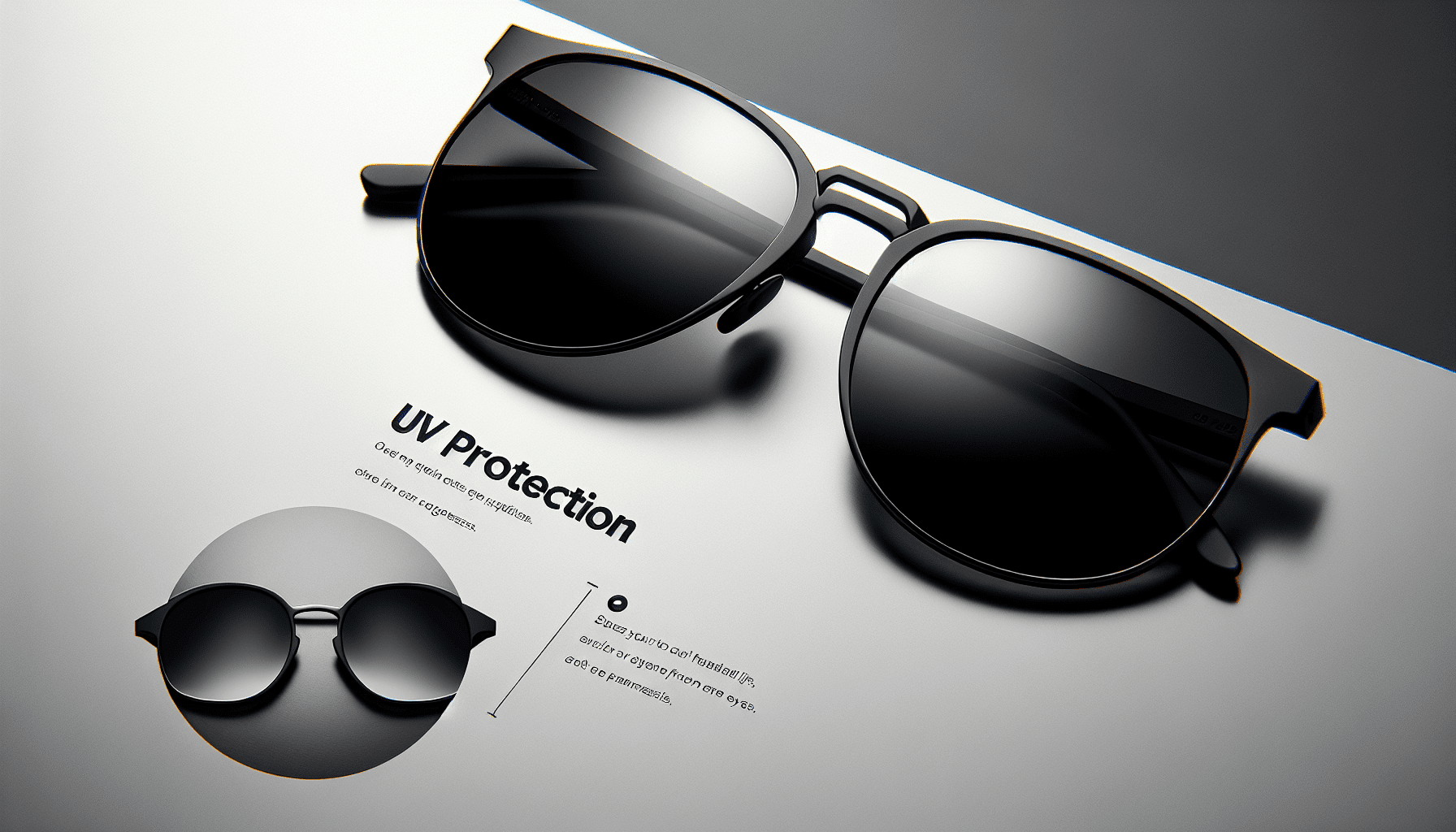
Wear sunglasses with proper UV protection
Whenever you step outside, especially on sunny days, make sure to wear sunglasses that offer sufficient UV protection. Look for sunglasses that block 100% of both UVA and UVB rays to shield your eyes from harmful radiation.
Use wide-brimmed hats or caps
In addition to sunglasses, wearing wide-brimmed hats or caps can provide extra protection for your eyes. Not only do they shield your eyes from direct sunlight, but they also provide shade to your face, reducing overall sun exposure.
Avoid exposure during peak UV hours
UV rays are at their strongest between 10 a.m. and 4 p.m. It is advisable to limit your outdoor activities during these peak hours or take additional precautionary measures to protect your eyes, such as using umbrellas or seeking shade whenever possible.
Get regular eye check-ups
Regular eye check-ups are essential for maintaining healthy vision and detecting potential eye problems at an early stage. By scheduling comprehensive eye exams, you can ensure that any changes or issues with your eyes are promptly addressed.
Schedule comprehensive eye exams
Make it a priority to schedule regular eye exams with an optometrist or ophthalmologist. These professionals are trained to assess your visual acuity and overall eye health. Regular eye exams can help diagnose and manage conditions such as nearsightedness, farsightedness, and astigmatism.
Monitor and manage any existing eye conditions
If you already have existing eye conditions, it is crucial to monitor them closely and follow your doctor’s recommendations for treatment and management. Regular check-ups allow your eye care professional to assess the effectiveness of your current treatment plan and make any necessary adjustments.
Rest your eyes
In today’s digital age, our eyes are exposed to prolonged periods of screen time, which can strain our visual system. By practicing good eye hygiene and implementing simple strategies, you can alleviate eye fatigue and maintain healthy eyes.
Follow the 20-20-20 rule
To give your eyes regular breaks from screen time, follow the 20-20-20 rule. Every 20 minutes, take a 20-second break and look at something at least 20 feet away. This helps reduce eye strain and allows your eyes to refocus.
Take regular breaks from screens
In addition to the 20-20-20 rule, it is beneficial to take regular breaks from screens. Get up, stretch, and give your eyes a rest every hour or so. This can help alleviate digital eye strain and prevent long-term damage to your vision.
Use artificial tears or moisturizing drops
If you experience dryness or irritation in your eyes, especially after prolonged screen use, consider using artificial tears or moisturizing drops. These eye drops help lubricate your eyes and provide relief from discomfort.
Exercise your eyes
Just like any other muscle in your body, your eyes can benefit from regular exercise. By incorporating simple eye exercises into your daily routine, you can improve your visual acuity and enhance eye muscle strength.
Practice eye exercises
There are various eye exercises you can try to strengthen your eye muscles. One popular exercise involves focusing on a distant object for a few seconds, then shifting your focus to a nearby object. Repeat this exercise multiple times to enhance your ability to switch focus.
Focus on near and far objects
To improve eye coordination and flexibility, try practicing focusing on objects both near and far. This helps train your eyes to adjust quickly between different distances and can prevent vision problems such as eye strain and double vision.
Try eye yoga or palming
Eye yoga and palming are relaxation techniques that can help reduce eye strain and improve overall eye health. Eye yoga involves moving your eyes in specific patterns, while palming involves covering your eyes with your palms to provide soothing warmth and darkness.
Maintain a healthy weight
Obesity not only affects your overall health but can also have a negative impact on your eyes. By maintaining a healthy weight through a balanced diet and regular exercise, you can reduce the risk of developing eye conditions.
Obesity can increase the risk of eye diseases
Studies have shown a correlation between obesity and various eye diseases, including glaucoma, cataracts, and age-related macular degeneration. Excess weight puts additional strain on the blood vessels in the eyes and can lead to vision problems.
Manage your weight through a balanced diet and exercise
To maintain a healthy weight, it is important to follow a balanced diet that includes whole grains, lean proteins, fruits, and vegetables. Regular exercise, such as brisk walking or jogging, can also help manage weight and improve overall cardiovascular health.
Manage chronic conditions
Chronic conditions such as high blood pressure and diabetes can have a significant impact on your eye health. By effectively managing these conditions and keeping them under control, you can reduce the risk of developing eye complications.
Control high blood pressure and diabetes
High blood pressure and diabetes can cause damage to the blood vessels in the eyes, leading to conditions like diabetic retinopathy and hypertensive retinopathy. It is crucial to manage these conditions through lifestyle changes, medication, and regular check-ups with your healthcare provider.
Follow prescribed treatments for systemic conditions
If you have any systemic conditions that can affect your eyes, such as autoimmune disorders or thyroid problems, it is important to follow your prescribed treatments and regularly consult with your healthcare professional. Proper management of these conditions can minimize the risk of eye complications.
Quit smoking
Smoking is not only harmful to your lungs but also puts you at a higher risk of developing eye diseases. By quitting smoking, you can significantly improve your overall eye health and reduce the chances of vision problems.
Smoking increases the risk of cataracts and other eye diseases
Numerous studies have shown a strong link between smoking and the development of cataracts, age-related macular degeneration, and optic nerve damage. The harmful chemicals in tobacco smoke can directly affect the delicate tissues of the eyes and accelerate the progression of these diseases.
Seek support to quit smoking
Quitting smoking can be challenging, but there are various support systems available to help you. Reach out to healthcare professionals, support groups, or tobacco cessation programs to receive guidance, counseling, and resources to successfully quit smoking.
Wear protective eyewear
Certain activities and environments can pose a risk to your eye safety. By wearing appropriate protective eyewear, you can prevent potential injuries and ensure the long-term health of your eyes.
Use safety glasses for hazardous activities
When engaging in activities such as woodworking, playing sports, or using power tools, wearing safety glasses is crucial. These glasses are designed to protect your eyes from flying debris, impacts, and other potential hazards.
Wear goggles while swimming or in chemical environments
If you are swimming in pools or working in chemical environments, make sure to wear goggles. Chlorine in pools and harmful chemicals in labs or industrial settings can irritate your eyes and cause damage.
Limit screen time
In today’s digital era, it is common for many individuals to spend excessive time in front of screens. However, prolonged screen time can strain your eyes and have long-term effects on your vision. By limiting your screen time and taking necessary precautions, you can protect your eyes from digital eye strain.
Reduce excessive exposure to digital screens
Try to reduce the amount of time you spend staring at digital screens, whether it be from your computer, smartphone, or television. Take regular breaks and engage in other activities that do not require screen use, such as reading a book or going for a walk.
Adjust screen brightness and use blue light filters
To minimize eye strain from digital screens, adjust the brightness of your devices to a comfortable level. Additionally, consider using blue light filters or apps that reduce the amount of blue light emitted by your screens, as blue light can disrupt your sleep patterns and cause eye fatigue.
Incorporating these top ways to improve your vision into your daily routine can significantly enhance your eye health. By taking care of your eyes through proper nutrition, protection, and regular check-ups, you can maintain clear vision and prevent potential eye problems. Remember, your eyes are priceless, so prioritize their well-being and enjoy a lifetime of healthy vision.