Welcome to an informative article on key nutrients for men’s health and wellness! In order to maintain optimal health, it is important for men to focus on incorporating essential nutrients into their diets. From vitamins to minerals, these key nutrients play a vital role in supporting overall well-being, energy levels, and disease prevention. By understanding the importance of these nutrients and making conscious choices when it comes to food and supplements, you can take proactive steps towards improving and maintaining your health. Let’s dive into the essential nutrients that every man should be aware of in order to prioritize their well-being. Have you ever wondered what key nutrients are essential for men’s health and wellness? It’s common to hear about the importance of a balanced diet, but what specific nutrients should you be focusing on to ensure you are supporting your overall health as a man?
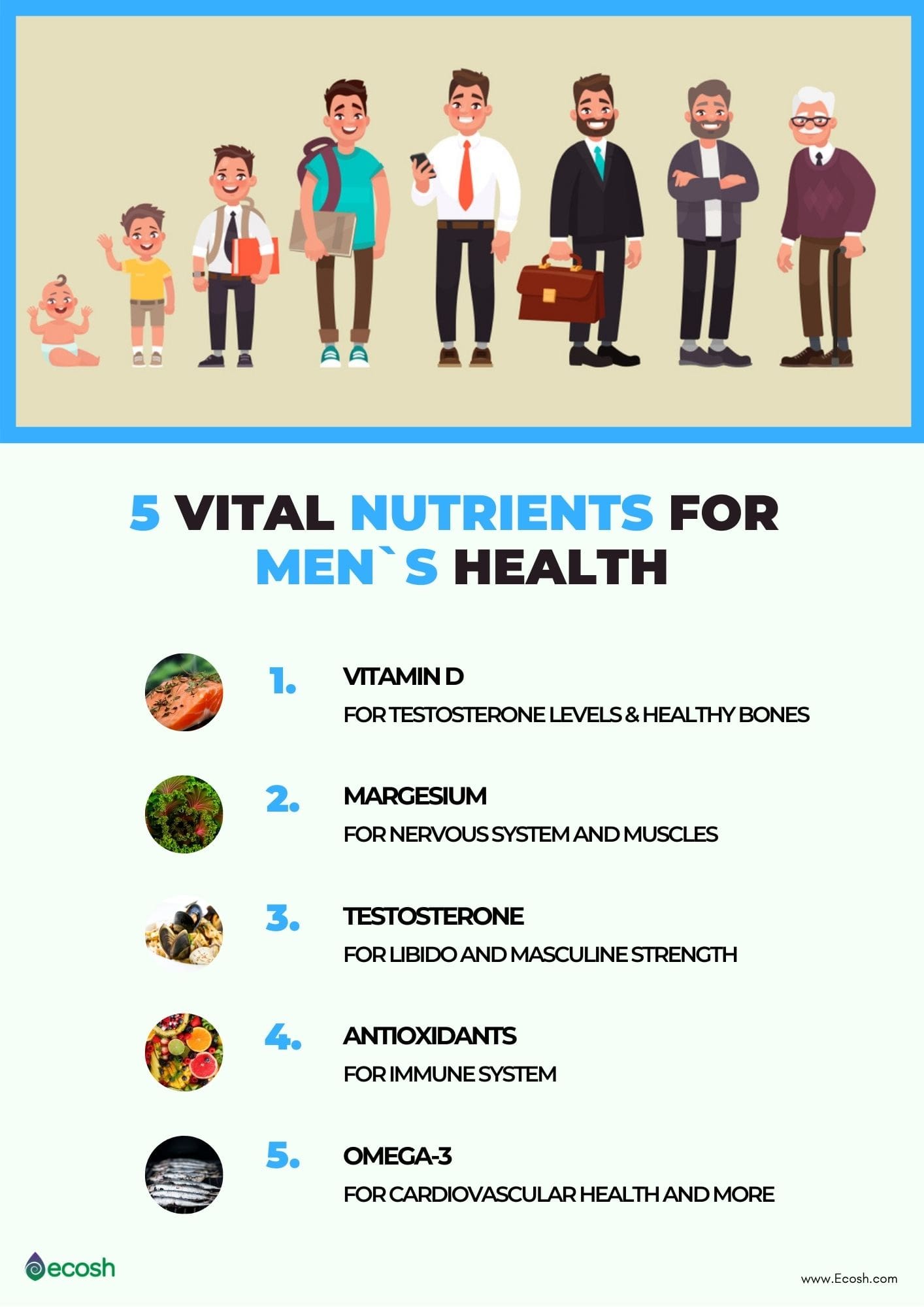
Understanding the Basics of Men’s Nutrition
When it comes to nutrition, men have unique needs that differ from women. It’s important to pay attention to what you are putting into your body to ensure you are providing it with the essential nutrients it needs to function optimally. Let’s break down some of the key nutrients that are crucial for men’s health and wellness.
Protein: Building Blocks for Muscles
Protein is often referred to as the building blocks of the body, and as a man, it plays a key role in supporting muscle growth, repair, and maintenance. Including sources of high-quality protein in your diet such as lean meats, poultry, fish, eggs, and dairy products can help ensure you are meeting your daily requirements.
Fiber: Supporting Digestive Health
Fiber is essential for digestive health and can help prevent constipation, hemorrhoids, and other digestive issues. It is also known to help regulate blood sugar levels and lower cholesterol. Foods such as whole grains, fruits, vegetables, and legumes are excellent sources of fiber and should be incorporated into your daily meals.
Omega-3 Fatty Acids: Heart Health Boost
Omega-3 fatty acids are beneficial for heart health and can help reduce the risk of cardiovascular disease. Including sources of omega-3s such as fatty fish (salmon, mackerel, sardines), flaxseeds, chia seeds, and walnuts in your diet can provide you with these essential fatty acids.
Calcium: Strong Bones and Teeth
Calcium is crucial for maintaining strong bones and teeth, which is especially important as men age and bone density starts to decline. Dairy products, leafy green vegetables, fortified plant-based milk, and tofu are all excellent sources of calcium that can help support bone health.
Vitamin D: Absorption of Calcium
Vitamin D plays a key role in the absorption of calcium, making it essential for maintaining bone health. Spending time outdoors in the sun, consuming fortified foods such as dairy products, cereals, and orange juice, as well as taking a vitamin D supplement can help ensure you are meeting your daily requirements.
Magnesium: Muscle and Nerve Function
Magnesium is involved in over 300 biochemical reactions in the body, including muscle and nerve function, energy production, and bone health. Foods such as nuts, seeds, whole grains, and leafy green vegetables are rich sources of magnesium that can help support your overall health.
Zinc: Immune System Support
Zinc is crucial for immune system function, wound healing, and cell division. Including sources of zinc in your diet such as oysters, red meat, poultry, beans, and nuts can help ensure you are supporting your immune system and overall health.
B Vitamins: Energy and Metabolism
B vitamins are essential for energy production, metabolism, and brain function. Foods such as whole grains, meat, poultry, fish, eggs, dairy products, nuts, and seeds are excellent sources of B vitamins that can help support your overall health and well-being.
Antioxidants: Fighting Free Radicals
Antioxidants help protect the body from oxidative stress and free radicals, which can contribute to chronic diseases, inflammation, and premature aging. Consuming a colorful array of fruits and vegetables rich in antioxidants such as vitamin C, vitamin E, and beta-carotene can help support your overall health.
Key Nutrients in Men’s Health Supplements
While it is always best to get your essential nutrients from whole foods, sometimes supplementation may be necessary to ensure you are meeting your daily requirements. Here are some key nutrients that men may consider supplementing with to support their overall health and wellness.
Multivitamin
A high-quality multivitamin can help fill in the gaps in your diet and provide you with a variety of essential vitamins and minerals. Look for a multivitamin specifically formulated for men that includes key nutrients such as vitamin D, zinc, selenium, and B vitamins.
Omega-3 Fish Oil
If you are not consuming enough fatty fish in your diet, an omega-3 fish oil supplement can help ensure you are getting an adequate intake of these essential fatty acids. Look for a fish oil supplement that is high in EPA and DHA to support heart health and brain function.
Vitamin D
Many men are deficient in vitamin D, especially those who live in colder climates with limited sun exposure. Supplementing with vitamin D can help support bone health, immune function, and overall well-being. Look for a vitamin D supplement in the form of D3 for optimal absorption.
Calcium and Magnesium
If you are not getting enough calcium and magnesium from your diet, consider supplementing with a combination of these two minerals to support bone health and overall wellness. Look for a supplement that includes calcium citrate and magnesium glycinate for maximum absorption.
Probiotics
Probiotics are beneficial bacteria that support digestive health, immune function, and overall well-being. Consider adding a high-quality probiotic supplement to your daily routine to support a healthy gut microbiome and improve digestion.

Conclusion
In conclusion, paying attention to your nutrient intake and ensuring you are getting an adequate amount of key nutrients is crucial for supporting men’s health and wellness. By focusing on a balanced diet rich in protein, fiber, omega-3 fatty acids, calcium, vitamin D, magnesium, zinc, B vitamins, and antioxidants, you can help support your overall health and well-being. Consider incorporating whole foods rich in these nutrients into your meals and supplementing when necessary to ensure you are meeting your daily requirements. Remember, taking care of your health starts with what you put into your body, so make your nutrition a priority to support a healthy and active lifestyle.