
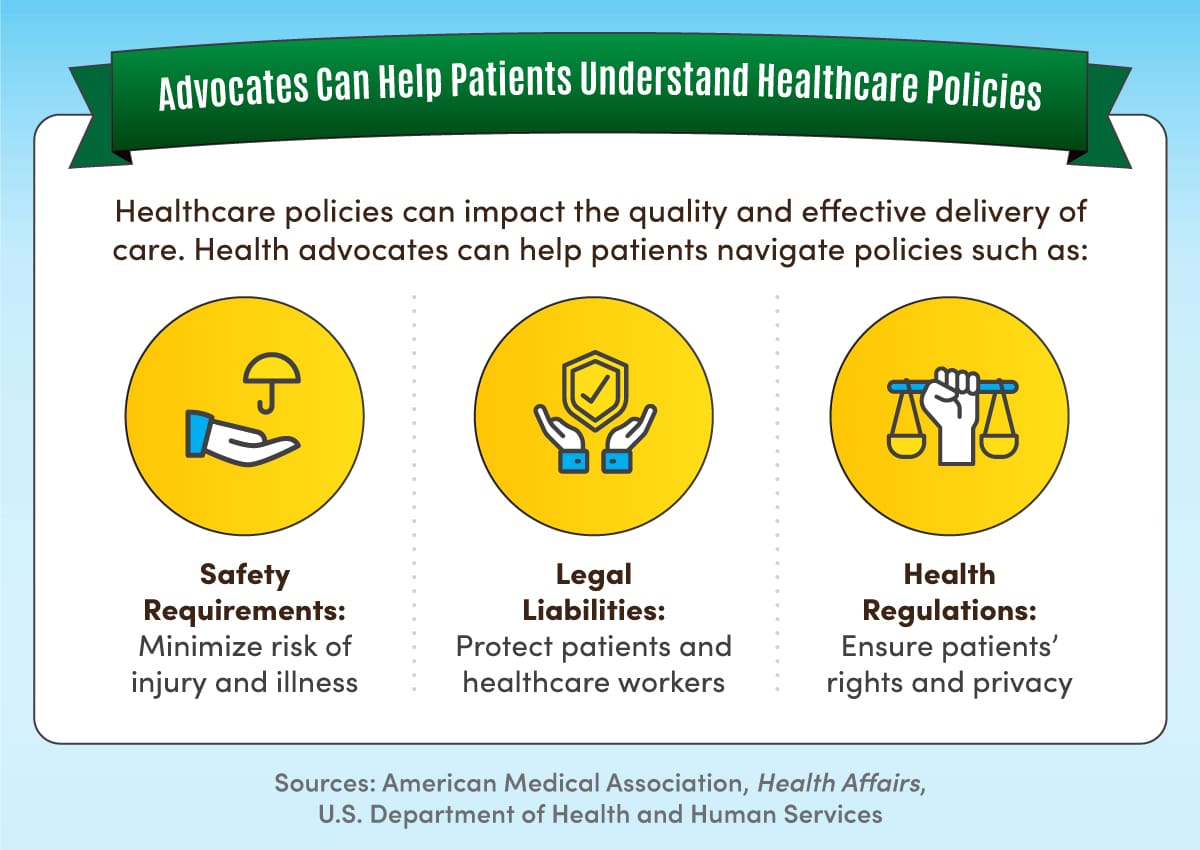
In this article, you will discover essential strategies that will empower you to become an effective advocate for healthcare policies. By understanding the key approaches to healthcare policy advocacy, you will be able to make a positive impact and drive meaningful change. Whether you are a healthcare professional, a patient, or simply passionate about improving the healthcare system, this article will equip you with the tools and insights you need to navigate the complex world of healthcare policy and effectively advocate for policies that benefit all. So, let’s dive in and explore these key strategies together!
Understanding the Healthcare Policy Landscape
When it comes to advocating for healthcare policy changes, one of the first steps you need to take is understanding the current healthcare policy landscape. This involves researching and familiarizing yourself with the existing policies that govern the healthcare system. By having a comprehensive understanding of the policies in place, you can better identify areas that require improvement or change.
To start, conduct thorough research on the current healthcare policies in your region or country. Look for government websites, healthcare organizations, and reputable research institutions that provide information on healthcare policies. Take note of the key policies that affect different aspects of healthcare, such as coverage, access, and affordability.
Once you have gathered this information, it is important to analyze the policies and identify key stakeholders. These stakeholders can include government officials, lawmakers, healthcare providers, insurance companies, patient advocacy groups, and other organizations that have a vested interest in healthcare policy. Understanding the perspectives and priorities of these stakeholders will help you tailor your advocacy efforts to effectively engage with them.
Building a Strong Advocacy Team
Advocacy efforts are most effective when they are carried out by a strong and diverse team. To build a strong advocacy team, you need to identify individuals with relevant expertise and a passion for healthcare policy. Look for people who have a deep understanding of the healthcare system, policy-making processes, public health, legal frameworks, communication, and advocacy.
Once you have identified potential team members, it is essential to assign clear roles and responsibilities. Each member should have a specific area of focus and expertise within the advocacy efforts. This will ensure that tasks are allocated efficiently and that everyone understands their responsibilities.
Establishing effective communication channels is also crucial for a strong advocacy team. Regular team meetings, email updates, and shared document platforms can help facilitate communication and collaboration. It is important to create an environment where team members feel comfortable sharing ideas, asking questions, and providing feedback.
Developing Clear Advocacy Goals
In order to effectively advocate for healthcare policy changes, it is essential to have clear advocacy goals. Clear goals provide a framework for your advocacy efforts and help you stay focused and organized. When developing advocacy goals, consider the specific objectives you want to achieve, the timelines for achieving these objectives, and how they align with the needs of the target population.
Defining specific objectives helps ensure that your advocacy efforts are targeted and measurable. For example, instead of having a generic goal of “improving healthcare access,” you can have a specific objective, such as “increasing the number of primary care clinics in underserved areas by 20% within the next two years.”
Setting realistic timelines is important for managing expectations and keeping the advocacy efforts on track. Take into account the complexity of the policy changes you are advocating for, the political landscape, and any other external factors that may impact the timeline.
Aligning goals with the needs of the target population ensures that your advocacy efforts are addressing the most pressing issues. Conducting needs assessments, listening to the concerns of the target population, and engaging with community organizations can help ensure that your goals are relevant and impactful.
Crafting Persuasive Messages
When advocating for healthcare policy changes, it is important to craft persuasive messages that resonate with your target audience. Identifying key talking points that highlight the benefits and impact of the proposed policy changes can help you effectively communicate your message.
Tailoring messages to different audiences is also crucial for effective advocacy. Consider the diverse range of stakeholders involved in healthcare policy and adapt your messages to appeal to their specific interests and concerns. For example, when engaging with policymakers, emphasize the economic benefits or public health outcomes of the proposed policy changes. When communicating with the general public, focus on the potential improvement in healthcare access or quality of care.
Utilizing compelling data and evidence can enhance the persuasiveness of your messages. Look for research studies, statistics, and case studies that support your advocacy goals. This will help strengthen your arguments and make it more difficult for decision-makers to dismiss your proposals.
Engaging with Decision-Makers
Engaging with decision-makers is crucial for influencing healthcare policy changes. Building relationships with policymakers can help you gain their attention and support for your advocacy efforts. It is important to establish a rapport by attending events, meetings, and forums where policymakers are present. Introduce yourself, explain your advocacy goals, and express your willingness to collaborate and provide expertise.
Attending healthcare policy meetings and forums provides valuable opportunities to learn about the decision-making process and gain insights into the priorities and concerns of policymakers. Take notes, ask questions, and actively participate in discussions to demonstrate your knowledge and commitment to the cause.
Submitting written testimonies and comments on proposed policies is another effective way to engage with decision-makers. These written submissions allow you to provide detailed arguments, evidence, and recommendations. Make sure to follow the submission guidelines and deadlines provided by the policymaking bodies.
Mobilizing the Target Population
Mobilizing the target population is essential for creating a strong and impactful advocacy movement. Developing grassroots advocacy campaigns can help raise awareness and generate support for your cause among the general public.
Organizing community events and awareness campaigns can help educate the public about the importance of the proposed policy changes and how they can benefit from them. Consider hosting town hall meetings, panel discussions, or public forums where experts can share their insights and answer questions from the public.
Utilizing social media platforms for outreach is also a powerful tool in mobilizing the target population. Create engaging content, share success stories, and encourage people to take action by contacting their elected officials or participating in advocacy events. Use hashtags, tag relevant stakeholders, and collaborate with other organizations to amplify your message.
Collaborating with Other Advocacy Organizations
Collaborating with other advocacy organizations can strengthen your advocacy efforts and amplify your impact. Identifying potential partners and allies who share similar goals and values can help you pool resources, expertise, and networks.
Establishing formal collaborations and coalitions with other organizations can help maximize your collective influence. Work together to develop joint advocacy strategies, coordinate events and campaigns, and advocate for policy changes as a unified front. By working together, you can present a more united and powerful voice to decision-makers.
Sharing resources and expertise is another benefit of collaborating with other advocacy organizations. This can include sharing research findings, best practices, and tools for effective advocacy. It is important to establish clear communication channels and protocols for sharing information to ensure smooth collaboration.
Utilizing Media and Public Relations
Utilizing media and public relations strategies can help elevate your advocacy efforts and reach a wider audience. Issuing press releases and media statements can generate media coverage and raise public awareness about your cause. Craft compelling messages and key talking points that are newsworthy and relevant to current events or trends.
Pitching stories to journalists and reporters is another effective way to garner media attention. Identify journalists who cover healthcare policy or related topics and reach out to them with story ideas, interview opportunities, or expert perspectives. Make sure to tailor your pitch to their specific interests and deadlines.
Organizing media events and interviews can further enhance media coverage. This can include press conferences, media briefings, or one-on-one interviews with key spokespersons. Prepare spokespersons with key messages and talking points, and provide supporting materials to journalists to ensure accurate and comprehensive coverage.
Monitoring and Evaluating Advocacy Efforts
Monitoring and evaluating your advocacy efforts is essential for measuring your impact and making necessary adjustments. Tracking policy developments and changes allows you to stay informed about the progress and outcomes of your advocacy goals. Subscribe to newsletters, follow relevant news outlets, and monitor official government websites for updates.
Collecting and analyzing data on advocacy outcomes helps you assess the effectiveness of your strategies. This can include tracking the number of policymakers influenced, policy changes implemented, or improvements in healthcare outcomes. Use this data to identify strengths and weaknesses in your advocacy efforts and make informed decisions moving forward.
Making adjustments based on evaluation results ensures that your advocacy efforts remain relevant and impactful. If certain strategies or messages are not yielding the desired results, consider revising them or exploring different approaches. Regularly update your advocacy goals, strategies, and messages based on the changing needs of the healthcare policy landscape.
Sustaining Long-Term Advocacy Efforts
Advocacy efforts for healthcare policy changes are often long-term endeavors. Sustaining these efforts requires ongoing engagement, resource management, and adaptation to changing political landscapes.
Developing a sustainable funding and resource strategy is crucial for the longevity of your advocacy efforts. Explore funding opportunities from foundations, grants, or individual donors who support healthcare policy advocacy. Develop a budget to allocate funds effectively and consider seeking in-kind support from partner organizations or volunteers.
Continuing engagement with decision-makers and stakeholders is essential for maintaining momentum and influence. Regularly communicate with policymakers, provide updates on your advocacy efforts, and offer your expertise whenever relevant policy discussions arise. Building long-term relationships based on trust and mutual respect can increase the likelihood of policymakers considering your recommendations.
Adapting advocacy approaches to changing political landscapes ensures that your efforts remain relevant and effective. Monitor political shifts, public opinion, and emerging issues that may impact healthcare policy. Stay flexible and be prepared to modify your strategies, messages, and goals to address new challenges or opportunities that arise.
In conclusion, effective healthcare policy advocacy requires a comprehensive understanding of the policy landscape, building a strong advocacy team, defining clear goals, crafting persuasive messages, engaging with decision-makers, mobilizing the target population, collaborating with other organizations, utilizing media and public relations, monitoring and evaluating efforts, and sustaining long-term engagement. By following these key strategies, you can increase the impact and success of your healthcare policy advocacy endeavors.