
Are those late-night sugar cravings leaving you feeling guilty and unsatisfied? Look no further! In this article, we will explore the best techniques for conquering those pesky sugar cravings that seem to hit at the most inconvenient times. From simple lifestyle changes to practical tips, you will discover a range of effective strategies that will help you regain control over your sweet tooth. Say goodbye to those unrelenting sugar cravings and hello to a healthier, happier you!
Understanding Sugar Cravings
Sugar cravings are a common phenomenon that many people experience. Understanding what causes these cravings and the effects of excessive sugar consumption is essential in managing them effectively. By gaining insight into the factors behind sugar cravings, you can make informed choices to support your overall health and well-being.
Causes of Sugar Cravings
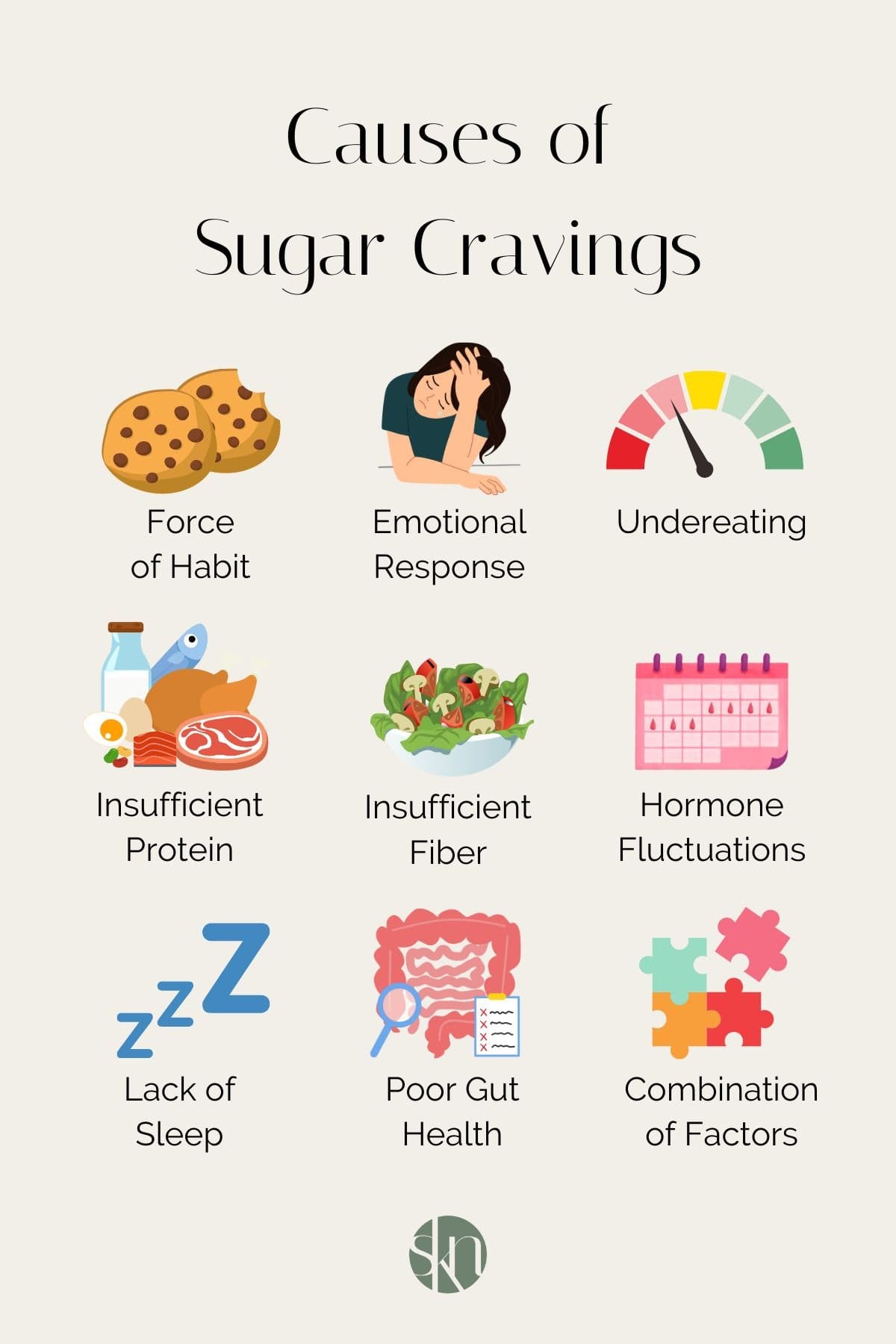
There are several reasons why you may experience sugar cravings. One common cause is fluctuating blood sugar levels. When your blood sugar drops, your body craves quick energy, leading you to reach for sugary snacks. Additionally, stress and emotions can trigger sugar cravings, as sugary foods may provide temporary comfort or distraction. Hormonal changes, nutrient deficiencies, and even certain medications can also contribute to sugar cravings.
Effects of Excessive Sugar Consumption
While it’s natural to have occasional sugar cravings, consistently consuming excessive amounts of sugar can have detrimental effects on your health. High sugar intake is linked to weight gain, increased risk of chronic diseases such as diabetes and heart disease, and poor dental health. Furthermore, foods high in added sugars often lack essential nutrients, leading to nutrient imbalances in your diet. It’s important to be mindful of your sugar consumption to maintain a balanced and healthy lifestyle.
Healthy Eating Habits
Adopting healthy eating habits is key to managing sugar cravings and maintaining overall well-being. By focusing on balancing macronutrients, choosing complex carbohydrates, and including protein and fiber in meals, you can optimize your nutrition and minimize cravings.
Balancing Macronutrients
Balancing macronutrients – carbohydrates, proteins, and fats – is vital in controlling sugar cravings. When you consume a meal that is disproportionately high in carbohydrates, especially refined and simple sugars, it can cause a spike in your blood sugar levels, leading to subsequent crashes and cravings. Aim to include a variety of proteins and healthy fats in your meals to help stabilize your blood sugar and keep cravings at bay.
Choosing Complex Carbohydrates
Opting for complex carbohydrates instead of simple sugars is another effective strategy for managing sugar cravings. Complex carbohydrates, such as whole grains, legumes, and vegetables, are digested more slowly, providing a steady release of glucose into the bloodstream. This gradual release helps maintain stable blood sugar levels, reducing the likelihood of cravings.
Including Protein and Fiber in Meals
Including adequate amounts of protein and fiber in your meals helps keep you feeling satisfied and reduces the likelihood of sugar cravings. Protein-rich foods, such as lean meats, fish, tofu, and legumes, provide sustained energy and promote feelings of fullness. Similarly, fiber-rich foods like fruits, vegetables, and whole grains add bulk to your meals, keeping you satiated for longer periods. By making sure your meals contain a good balance of protein and fiber, you can effectively manage your sugar cravings.
Mindful Eating
Practicing mindful eating techniques can greatly contribute to managing sugar cravings. By paying attention to your hunger cues, identifying emotional triggers, and practicing portion control, you can develop a healthier and more balanced relationship with food.
Listening to Hunger Cues
One essential aspect of mindful eating is learning to listen to your body’s hunger cues. Many people eat out of habit or in response to external stimuli, rather than in response to true hunger. By becoming more attuned to your body’s signals of hunger and fullness, you can avoid impulsive snacking and mindless overeating. Try to eat when you’re genuinely hungry and stop when you feel comfortably satisfied.
Identifying Emotional Triggers
Emotional triggers are often connected to sugar cravings. Many people turn to sugary foods when they are stressed, sad, or seeking comfort. By identifying your emotional triggers and finding alternative coping mechanisms, you can break the cycle of emotional eating. Engaging in activities such as exercise, meditation, or seeking support from friends and family can help you manage your emotions in a healthier way.
Practicing Portion Control
Portion control plays a significant role in managing sugar cravings. Even healthy foods can contribute to a surplus of calories if consumed excessively. By practicing portion control and being mindful of serving sizes, you can enjoy a balanced diet without overindulging in sugary treats. Utilize smaller plates, measure your portions, and savor each bite mindfully to avoid overeating.
Stay Hydrated
Staying hydrated is often overlooked but is crucial in controlling sugar cravings. By drinking adequate water and avoiding sugary beverages, you can effectively curb your cravings and support your overall health.
Drinking Adequate Water
Drinking enough water throughout the day helps keep your body hydrated and can reduce the intensity of your sugar cravings. Oftentimes, dehydration can be mistaken for hunger, leading you to reach for sugary snacks unnecessarily. Stay hydrated by carrying a water bottle with you and sipping water regularly. Aim to drink at least eight glasses of water daily or adjust your intake based on your individual needs and activity level.
Avoiding Sugary Beverages
Sugary beverages, such as soda, fruit juices, and energy drinks, are major contributors to excessive sugar consumption. These drinks provide little to no nutritional value and can lead to a spike in blood sugar levels, promoting cravings for more sugary foods. It’s best to avoid or minimize your intake of sugary beverages and opt for healthier alternatives like herbal tea, flavored water, or infused water with fruits and herbs.
Manage Stress Levels
Managing stress levels effectively is crucial for controlling sugar cravings. When you’re stressed, your body releases cortisol, a hormone that can increase cravings for sugary and high-fat foods. By identifying your stressors and finding healthy coping mechanisms, you can reduce your reliance on sugar for comfort.
Identifying Stressors
Understanding what triggers your stress is the first step towards managing it effectively. Whether it’s work-related issues, relationship problems, or financial concerns, identifying your stressors allows you to target them directly. Take time to reflect on the sources of your stress and consider seeking professional help or support groups if needed.
Finding Healthy Coping Mechanisms
Instead of turning to sugary treats when you’re stressed, try finding healthier coping mechanisms. Engaging in physical activity, such as yoga, jogging, or dancing, can help reduce stress levels and boost your mood. Practice relaxation techniques like deep breathing or meditation to calm your mind and alleviate stress. Engaging in hobbies, spending time with loved ones, or seeking professional counseling can also provide valuable support in managing stress without resorting to sugar cravings.
Get Enough Sleep
Getting enough quality sleep is often underestimated but plays a crucial role in managing sugar cravings and maintaining overall well-being. By establishing a consistent sleep schedule and prioritizing sleep hygiene, you can better regulate your appetite and resist sugar cravings.
Establishing a Consistent Sleep Schedule
Consistency is key when it comes to sleep. Establish a regular sleep schedule by going to bed and waking up at the same time each day, even on weekends. This helps regulate your body’s internal clock and promotes quality sleep. Aim for seven to nine hours of uninterrupted sleep each night to support your overall health and reduce cravings.
Prioritizing Sleep Hygiene
Creating a conducive sleep environment and practicing good sleep hygiene is essential for a restful night’s sleep. Keep your bedroom cool, dark, and quiet, and avoid using electronic devices or consuming caffeine close to bedtime. Establish a relaxing bedtime routine, such as reading a book or taking a warm bath, to signal to your body that it’s time to wind down. By prioritizing sleep hygiene, you enhance your sleep quality, reduce fatigue, and prevent unnecessary sugar cravings.
Regular Exercise Routine
Engaging in regular physical activity is a powerful tool in managing sugar cravings and supporting overall health. By understanding the importance of physical activity and choosing activities you enjoy, you can make exercise a regular part of your lifestyle.
Importance of Physical Activity
Regular exercise offers numerous benefits for both physical and mental well-being. It helps regulate blood sugar levels, boosts mood and energy levels, and promotes overall cardiovascular health. Engaging in physical activity also reduces stress levels, which in turn reduces the likelihood of stress-induced sugar cravings. Aim for at least 150 minutes of moderate-intensity aerobic exercise or 75 minutes of vigorous-intensity exercise each week, along with strength training exercises twice a week.
Choosing Activities You Enjoy
The key to maintaining a regular exercise routine is finding activities that you genuinely enjoy. Whether it’s dancing, cycling, swimming, or practicing yoga, choose activities that bring you joy and make you feel good. Variety is also essential to prevent boredom and keep you motivated. Experiment with different forms of exercise until you find what works best for you. By making exercise enjoyable, you’ll be more inclined to stick with it and reap the benefits in controlling sugar cravings.
Alternative Sweeteners
If you’re looking to reduce your sugar intake but still satisfy your sweet tooth, alternative sweeteners can be a helpful tool. These natural or low-calorie sweeteners provide a sweet taste without the negative health effects associated with excessive sugar consumption.
Stevia
Stevia is a popular natural sweetener extracted from the leaves of the Stevia rebaudiana plant. It is much sweeter than sugar but contains zero calories and does not raise blood sugar levels. Stevia can be used to sweeten beverages, baked goods, and other recipes, making it an excellent alternative to sugar for those looking to cut down on their sugar cravings.
Monk Fruit Extract
Monk fruit extract is another natural sweetener derived from the monk fruit, also known as Luo Han Guo. It provides a pleasant sweetness without the calories or impact on blood sugar levels. This sweetener is often used in sugar-free products, beverages, and desserts. Like Stevia, monk fruit extract can be a great option for those seeking a sugar substitute to manage cravings.
Erythritol
Erythritol is a sugar alcohol that occurs naturally in fruits and is commonly used as a sugar substitute. It has about 70% of the sweetness of sugar but contains only a fraction of the calories. Erythritol does not raise blood sugar levels or contribute to tooth decay, making it a suitable alternative for those looking to control their sugar cravings while still enjoying sweet treats.
Healthy Snack Options
Having healthy snack options readily available can help you resist the temptation of reaching for sugary snacks. By choosing fresh fruit, nuts and seeds, and Greek yogurt as go-to snacks, you can satisfy your cravings while supporting your overall health.
Fresh Fruit
Nature’s candy, fresh fruit, is a delicious and nutritious snack option that can satisfy your sweet tooth. Fruits like berries, apples, oranges, and melons offer natural sweetness and provide essential vitamins, minerals, and fiber. Keep a variety of fruits easily accessible in your home or workplace to reach for when sugar cravings strike.
Nuts and Seeds
Nuts and seeds are excellent snack options that provide a satisfying crunch and a dose of healthy fats, protein, and fiber. Almonds, walnuts, pumpkin seeds, and chia seeds are just some of the nutritious choices available. These snacks can keep you feeling full and satisfied, reducing the likelihood of craving sugary treats. Just be mindful of portion sizes, as nuts and seeds are calorie-dense.
Greek Yogurt
Greek yogurt is a creamy and protein-rich snack option that can help control sugar cravings. Its tangy taste and smooth texture make it an enjoyable alternative to sugary desserts. Opt for plain Greek yogurt and add your choice of fresh fruits or a drizzle of honey for natural sweetness. Greek yogurt is not only delicious but also provides probiotics, calcium, and other essential nutrients.
Supportive Environment
Creating a supportive environment is crucial in managing sugar cravings and maintaining healthy eating habits. By surrounding yourself with healthy options and engaging in positive social support, you can make nutritious choices and stay on track with your goals.
Surrounding Yourself with Healthy Options
Stocking your pantry and refrigerator with nutritious foods is an effective way to set yourself up for success. Remove sugary treats and replace them with healthier alternatives, such as fresh fruits, vegetables, and whole grains. Having these options readily available makes it easier to resist the urge to indulge in sugary snacks. When grocery shopping, make a conscious effort to choose nutrient-dense foods and minimize impulse buys.
Engaging in Positive Social Support
Building a network of positive social support can greatly impact your ability to manage sugar cravings. Surround yourself with individuals who have similar health goals or who are supportive of your efforts. Share your journey with friends and family, and encourage each other to make healthier choices. Consider joining online communities or local support groups focused on healthy eating, where you can seek advice, share experiences, and find encouragement from like-minded individuals.
By understanding the causes of sugar cravings, implementing healthy eating habits, practicing mindful eating, staying hydrated, managing stress levels, getting enough sleep, engaging in regular exercise, exploring alternative sweeteners, choosing healthy snacks, and fostering a supportive environment, you can gain control over your sugar cravings and lead a healthier, more balanced lifestyle. Remember, managing sugar cravings is a journey, and it’s important to be patient with yourself and celebrate every small victory along the way.