
Welcome to a comprehensive guide on key strategies for preventing and managing respiratory health. In this article, you will learn about simple yet effective ways to maintain healthy lungs and prevent respiratory illnesses. From adopting good hygiene practices to quitting smoking, these strategies will help you breathe easier and live a healthier life. Get ready to take control of your respiratory health and enhance your overall well-being. Let’s get started! Have you been looking for ways to improve your respiratory health? A healthy respiratory system is crucial for overall well-being, but it can be challenging to know where to start. In this article, we will discuss key strategies for preventing and managing respiratory health. From lifestyle changes to medical treatments, we will cover everything you need to know to keep your lungs in top condition. So let’s dive in and explore how you can take better care of your respiratory system!
Understanding Respiratory Health
Before diving into prevention and management strategies, it’s essential to understand the basics of respiratory health. Your respiratory system consists of organs such as the lungs, bronchial tubes, trachea, and diaphragm, all working together to help you breathe. Efficient respiratory function is crucial for oxygenating the blood and removing carbon dioxide, ensuring that your body has the oxygen it needs to function properly.
What can affect your respiratory health?
Various factors can impact your respiratory health, from environmental pollutants and allergens to lifestyle habits and medical conditions. Smoking, air pollution, respiratory infections, and chronic diseases like asthma and COPD can all compromise your lung function and lead to respiratory problems. Understanding these risk factors is the first step toward improving your respiratory health.
Prevention Strategies
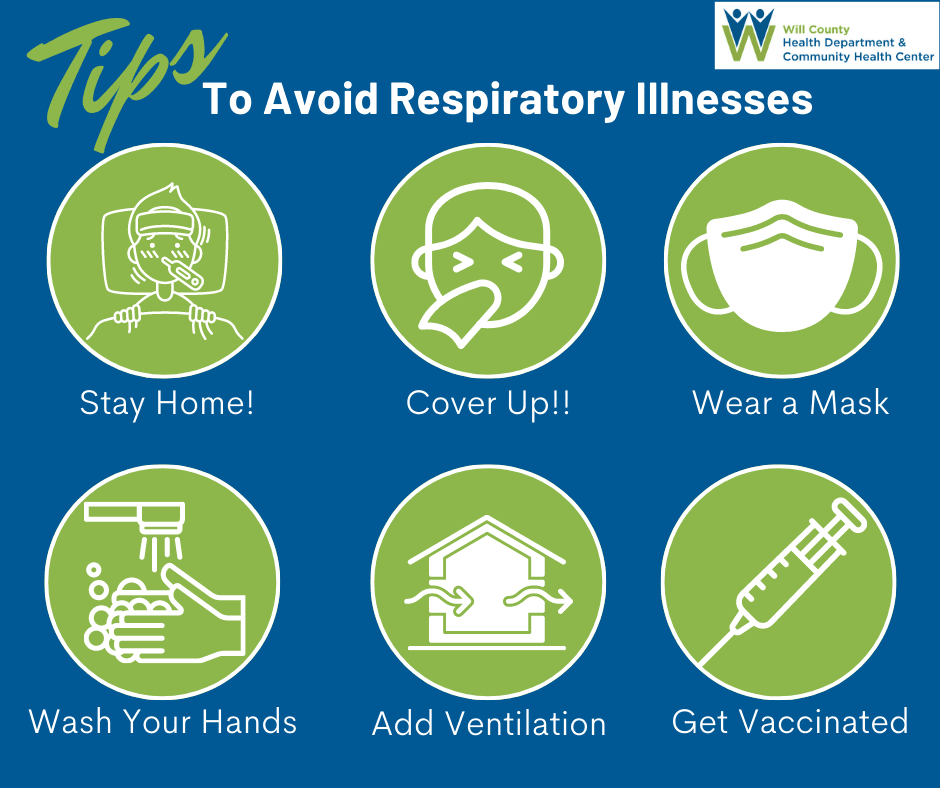
Preventing respiratory issues is key to maintaining optimal lung function and overall well-being. By incorporating these strategies into your daily routine, you can reduce your risk of developing respiratory problems and enjoy better lung health in the long run.
Avoiding Tobacco Smoke
One of the most important steps you can take to protect your respiratory health is to avoid tobacco smoke. Smoking is a leading cause of lung cancer, COPD, and other respiratory diseases, so quitting smoking or avoiding secondhand smoke is crucial for maintaining healthy lungs. If you’re a smoker, consider seeking support and resources to help you quit and improve your respiratory health.
Protecting Against Air Pollution
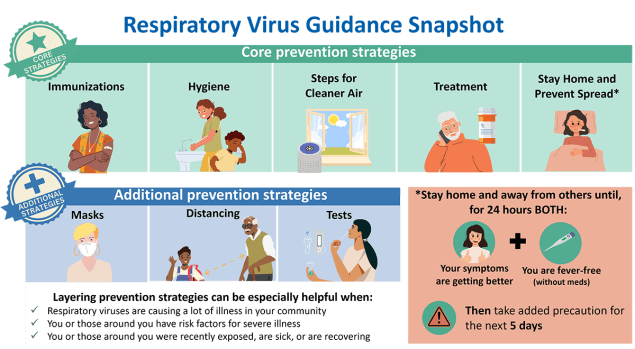
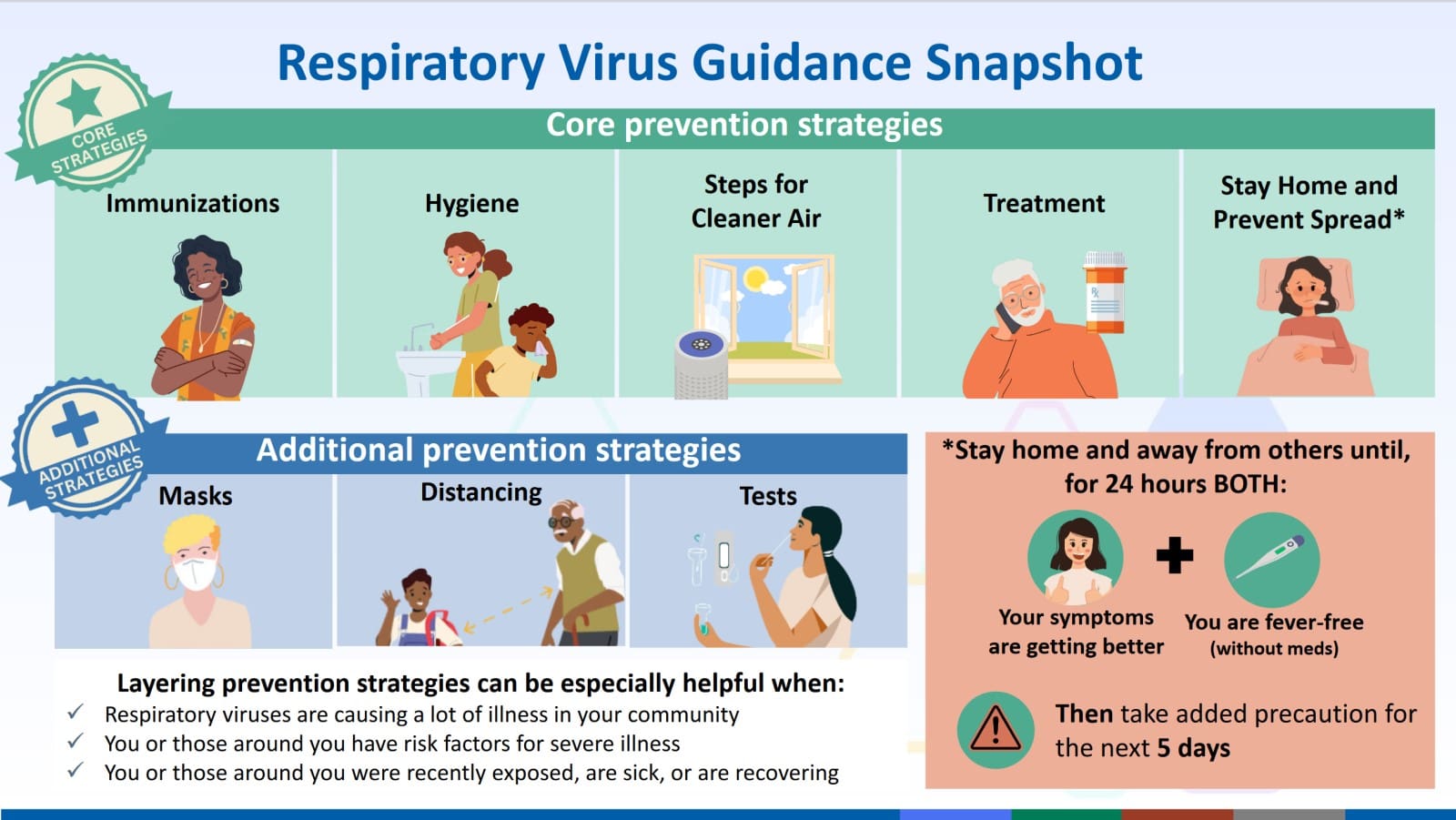
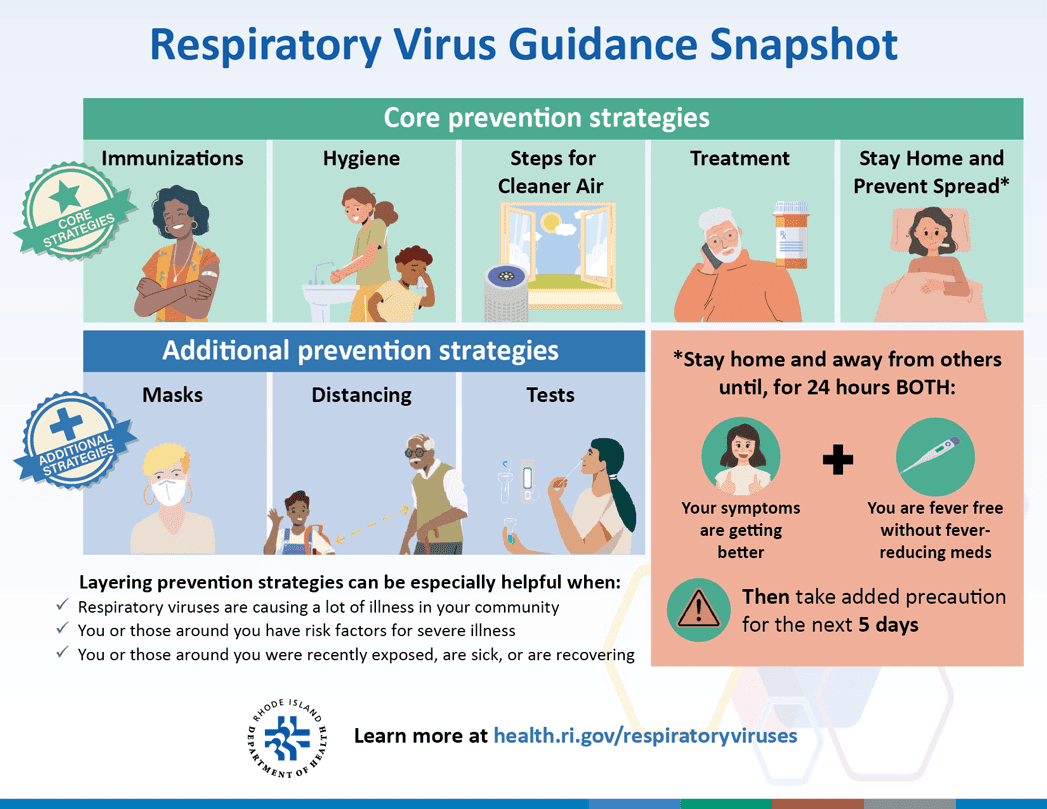
Exposure to air pollution can irritate your respiratory system and worsen existing lung conditions. To protect yourself from the harmful effects of air pollution, try to limit your exposure by staying indoors on days with poor air quality, using air purifiers in your home, and wearing a mask when outdoors in polluted environments. Taking these precautions can help reduce the risk of respiratory issues caused by pollution.
Maintaining a Healthy Diet
A balanced diet rich in fruits, vegetables, whole grains, and lean proteins can support your respiratory health by providing essential nutrients and antioxidants. Certain foods like citrus fruits, nuts, and seeds have been shown to have anti-inflammatory and antioxidant properties that can benefit your lungs. By incorporating these foods into your diet, you can support healthy lung function and reduce the risk of respiratory problems.
Staying Active
Regular physical activity is essential for maintaining healthy lungs and overall respiratory function. Exercise can help strengthen your respiratory muscles, improve lung capacity, and reduce the risk of respiratory infections. Aim for at least 30 minutes of moderate exercise most days of the week to support your respiratory health and keep your lungs in top condition.
Management Strategies
If you’re dealing with respiratory issues or have been diagnosed with a lung condition, it’s essential to manage your symptoms effectively and prevent further complications. By following these management strategies, you can take control of your respiratory health and improve your quality of life.
Taking Medications as Prescribed
If you have a respiratory condition like asthma or COPD, it’s crucial to take your medications as prescribed by your healthcare provider. Medications such as bronchodilators, corticosteroids, and antibiotics can help manage symptoms, reduce inflammation, and prevent exacerbations. Be sure to follow your treatment plan and attend regular check-ups to monitor your condition and adjust your medications as needed.
Practicing Breathing Exercises
Breathing exercises can help improve lung function, reduce shortness of breath, and enhance respiratory muscle strength. Techniques like pursed lip breathing, diaphragmatic breathing, and breathing through a straw can all be beneficial for individuals with respiratory conditions. Consider working with a respiratory therapist or pulmonary rehabilitation program to learn breathing exercises tailored to your specific needs.
Using Inhalers Correctly
If you use an inhaler to manage your respiratory symptoms, it’s essential to use it correctly to ensure the medication reaches your lungs effectively. Improper inhaler technique can result in wasted medication and inadequate symptom relief. Make sure to follow the instructions provided by your healthcare provider or pharmacist and practice using your inhaler regularly to ensure you’re getting the full benefit of your medication.
Managing Environmental Triggers
If you have allergies or asthma triggered by environmental factors, it’s essential to manage these triggers to prevent respiratory symptoms. Common triggers like dust mites, pet dander, pollen, and mold can exacerbate respiratory conditions and lead to breathing difficulties. By identifying and avoiding these triggers, you can reduce your risk of respiratory flare-ups and improve your quality of life.
Seeking Professional Help
If you’re experiencing persistent respiratory symptoms, it’s important to seek professional help from a healthcare provider specializing in respiratory health. Respiratory specialists like pulmonologists or allergists can assess your lung function, diagnose underlying conditions, and recommend appropriate treatments to manage your symptoms effectively. Don’t hesitate to reach out for professional help if you’re struggling with respiratory issues that impact your daily life.
When should you see a healthcare provider?
If you’re experiencing any of the following respiratory symptoms, it’s advisable to consult a healthcare provider for evaluation and treatment:
- Persistent coughing or wheezing
- Shortness of breath or chest tightness
- Frequent respiratory infections
- Coughing up blood or mucus
- Unexplained weight loss or fatigue
- Difficulty breathing during physical activity

Conclusion
Your respiratory health plays a crucial role in your overall well-being, so taking steps to prevent and manage respiratory issues is essential for maintaining healthy lungs and a high quality of life. By incorporating key strategies such as avoiding tobacco smoke, protecting against air pollution, maintaining a healthy diet, and staying active, you can support your respiratory health and reduce the risk of lung problems down the line. If you’re dealing with respiratory issues, don’t hesitate to seek professional help from a healthcare provider specializing in respiratory health. With the right strategies and support, you can take control of your respiratory health and enjoy better lung function for years to come.