
Living with chronic conditions can be challenging, but when coupled with a substance use disorder, the difficulties seem insurmountable. In this article, we explore the concept of dual diagnosis, which refers to individuals who struggle with both a chronic condition and a substance use disorder. We will delve into the unique challenges faced by these individuals, as well as the importance of integrated treatment approaches that address both conditions simultaneously. Through understanding and support, recovery is possible for those living with this dual diagnosis.
Understanding Dual Diagnosis
Definition of Dual Diagnosis
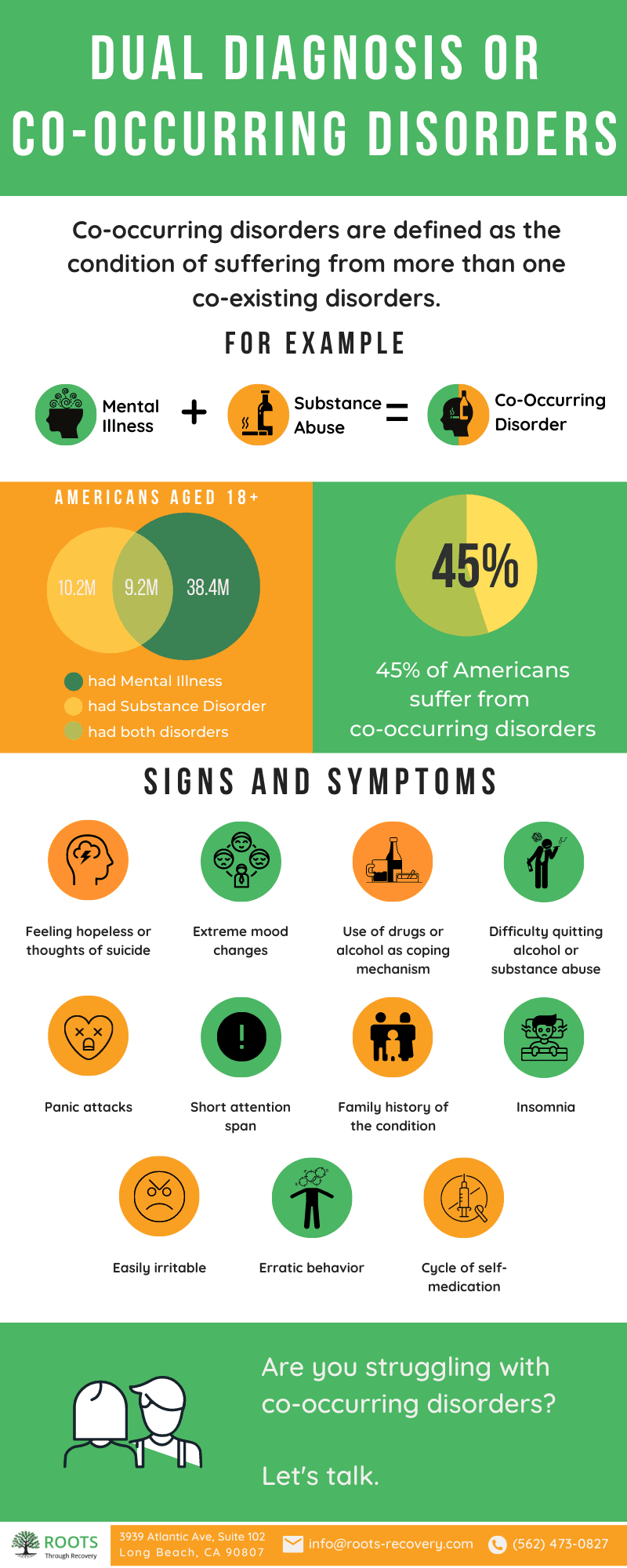
Dual diagnosis refers to the coexistence of a substance use disorder and a mental health condition in an individual. It suggests that an individual is struggling with both challenges simultaneously, and these conditions often have a mutual impact on each other. Substance use disorder, commonly known as addiction, involves the misuse of drugs or alcohol, leading to detrimental consequences in various aspects of a person’s life. Mental health conditions, on the other hand, include disorders such as depression, anxiety, bipolar disorder, and schizophrenia, which significantly affect an individual’s emotional and cognitive well-being.
Prevalence of Dual Diagnosis
Dual diagnosis is more prevalent than one might think, affecting a significant portion of the population. Studies have shown that nearly half of all individuals with a substance use disorder also have a co-occurring mental health condition. Similarly, about one-third of individuals with a mental health disorder also struggle with substance abuse. These numbers highlight the substantial overlap between these two issues and emphasize the need for a comprehensive approach to diagnosis and treatment.
Factors Contributing to Dual Diagnosis
Several factors contribute to the development of dual diagnosis, making it a complex and multifaceted phenomenon. One significant factor is the shared risk factors between mental health conditions and substance use disorders. Genetics, traumatic experiences, early childhood adversity, and environmental influences can all increase the susceptibility to both conditions. Additionally, the use of substances as a form of self-medication to alleviate the symptoms of mental health disorders can lead to the development of a substance use disorder. It is crucial to recognize these contributing factors in order to provide effective treatment and support for individuals with dual diagnosis.
Common Chronic Conditions and Substance Use Disorders
Depression and Substance Use Disorder
Depression and substance use disorder often coexist, forming a challenging dual diagnosis. Individuals who struggle with depression may turn to substances as a means of temporarily alleviating their symptoms or seeking an escape from their emotional pain. However, this self-medication can ultimately worsen the symptoms of depression and lead to a vicious cycle of substance abuse and worsening mental health. Treatment for dual diagnosis involving depression and substance use disorder requires a comprehensive approach that addresses both conditions simultaneously.
Anxiety Disorders and Substance Use Disorder
Anxiety disorders, such as generalized anxiety disorder, panic disorder, and social anxiety disorder, commonly co-occur with substance use disorder. Individuals with anxiety disorders may turn to drugs or alcohol in an attempt to self-soothe or reduce their anxiety symptoms. However, substance abuse can exacerbate anxiety symptoms and impair an individual’s ability to function effectively. Integrated treatment approaches that address both anxiety and substance use disorder have shown to be effective in facilitating recovery and managing symptoms.
Bipolar Disorder and Substance Use Disorder
Bipolar disorder, characterized by extreme mood swings ranging from manic to depressive episodes, frequently coexists with substance use disorder. Individuals with bipolar disorder may misuse substances during manic episodes to intensify their elevated mood, or during depressive episodes as a means of self-medication. Substance abuse can destabilize the already fragile mood regulation of individuals with bipolar disorder and significantly impact their overall well-being. Treatment plans for dual diagnosis involving bipolar disorder and substance use disorder typically incorporate mood stabilizers, therapy, and support to manage both conditions effectively.
Schizophrenia and Substance Use Disorder
Schizophrenia, a chronic mental health condition known for its disturbances in thinking, perception, emotions, and behavior, often co-occurs with substance use disorder. Substance abuse can worsen the symptoms of schizophrenia and interfere with the effectiveness of antipsychotic medications used to manage the condition. Additionally, individuals with schizophrenia may use substances to cope with social isolation, impaired functioning, or distress. Treatment approaches that integrate medication management, therapy, and substance abuse treatment are essential for individuals with dual diagnosis involving schizophrenia and substance use disorder.
Effects of Dual Diagnosis on Individuals
Increased Severity of Symptoms
When an individual is living with both a mental health condition and a substance use disorder, the presence of one condition often intensifies the symptoms of the other. For example, someone with depression who abuses substances may experience more profound feelings of hopelessness, sadness, and despair than someone with depression alone. Similarly, someone with anxiety who misuses substances may experience heightened levels of worry, unease, and panic. Dual diagnosis amplifies the impact of both conditions, making it crucial to address both simultaneously for effective symptom management.
Higher Risk of Relapse
Individuals with dual diagnosis face a higher risk of relapse compared to those with a single diagnosis. The interplay between mental health conditions and substance use disorder can trigger a cycle of relapse wherein the use of substances worsens mental health symptoms, which in turn leads to increased substance abuse. Addressing these interconnected issues through comprehensive treatment and support is essential in minimizing the risk of relapse and promoting long-term recovery.
Impacts on Daily Functioning
Dual diagnosis has a significant impact on an individual’s daily functioning, impairing their ability to carry out daily activities and responsibilities. The symptoms of mental health conditions, coupled with substance abuse, can lead to difficulties in maintaining consistent employment, academic pursuits, and personal relationships. Individuals with dual diagnosis often struggle to meet their own basic needs, leading to further deterioration in their physical and emotional well-being.
Impacts on Relationships
The presence of dual diagnosis can strain relationships with family, friends, and romantic partners. The erratic behavior, mood swings, and emotional instability associated with both mental health conditions and substance use disorder can lead to conflicts and misunderstandings. Additionally, the focus on obtaining and using substances may prioritize the addiction over maintaining healthy relationships, causing further strain and alienation. It is crucial to involve loved ones in the recovery process and foster understanding in order to rebuild and strengthen relationships affected by dual diagnosis.
Barriers to Diagnosis and Treatment
Stigma Surrounding Mental Health and Substance Use
Stigma surrounding mental health and substance use remains a significant barrier to the diagnosis and treatment of dual diagnosis. Many individuals fear judgment or discrimination if their struggles with substance abuse and mental health disorders are revealed. Consequently, they may be reluctant to seek help or disclose their issues to healthcare professionals, friends, or family. Public education, awareness campaigns, and destigmatization efforts are vital in reducing these barriers and encouraging individuals to seek the necessary support and treatment.
Lack of Access to Integrated Treatment
Integrated treatment, where mental health and substance use disorder are addressed simultaneously, is considered the most effective approach for dual diagnosis. However, the lack of access to comprehensive, integrated treatment programs remains a considerable challenge for many individuals. Limited availability of specialized dual diagnosis treatment facilities, inadequate insurance coverage, and geographical limitations contribute to this barrier. It is essential to advocate for increased funding and resources to ensure that individuals with dual diagnosis have access to effective and holistic treatment options.
Difficulty in Identifying Symptoms
Identifying symptoms of a mental health condition and substance use disorder can be challenging, particularly when they coexist. The overlapping nature of symptoms can make it difficult to determine whether certain behaviors or emotions stem from mental health issues or substance abuse. Healthcare professionals need access to comprehensive assessment tools and specialized training to accurately diagnose dual diagnosis. Improved screening protocols and increased awareness among healthcare providers can facilitate early identification and appropriate treatment for individuals with dual diagnosis.

Integrated Treatment Approaches
Benefits of Integrated Treatment
Integrated treatment approaches, which address both mental health and substance use disorders simultaneously, offer several benefits for individuals with dual diagnosis. By targeting both conditions concurrently, integrated treatment aims to promote better outcomes, reduce the risk of relapse, and improve overall well-being. Integrated treatment focuses on the interplay between mental health and substance abuse, recognizing that effective recovery involves addressing both aspects of an individual’s life. By providing comprehensive care, integrated treatment offers a pathway to lasting recovery and improved quality of life.
Comprehensive Assessment and Treatment Planning
Comprehensive assessment is a crucial component of integrated treatment for dual diagnosis. It involves gathering information about an individual’s mental health history, substance use patterns, social support systems, and any co-occurring medical conditions. This thorough evaluation helps healthcare professionals develop an individualized treatment plan that takes into account the unique needs, challenges, and strengths of the person. Through regular reassessments, treatment plans can be adapted to ensure ongoing effectiveness.
Pharmacotherapy and Psychotherapy
Pharmacotherapy, the use of medications to manage mental health conditions and substance use disorder, is often a necessary component of integrated treatment. Medications are prescribed based on the specific mental health condition and presence of substance abuse, aiming to alleviate symptoms, stabilize mood, and support recovery. Psychotherapy, such as cognitive-behavioral therapy (CBT) and dialectical behavior therapy (DBT), is another critical aspect of integrated treatment. Therapy focuses on addressing underlying issues, teaching coping skills, modifying maladaptive behaviors, and supporting the development of healthier thought patterns.
Supportive Services and Peer Support
Integrated treatment recognizes the importance of a holistic approach that extends beyond traditional therapy. Supportive services, such as case management, housing assistance, employment support, and access to basic needs, can significantly contribute to an individual’s recovery. Peer support, in the form of support groups and sober communities, provides individuals with dual diagnosis a sense of belonging, understanding, and encouragement. These supportive services and peer support play a crucial role in maintaining long-term recovery and aiding individuals in rebuilding their lives.
Recovery and Self-Management
Understanding the Recovery Process
Recovery from dual diagnosis is a unique and ongoing process that involves multiple stages. It entails not only achieving abstinence from substances but also addressing and managing the underlying mental health condition. Recovery is a highly individualized journey, and it requires a commitment to self-reflection, growth, and change. Understanding the recovery process involves acknowledging the challenges, celebrating successes, and embracing resilience in the face of setbacks.
Building a Strong Support System
Building a strong support system is essential for individuals in recovery from dual diagnosis. Surrounding yourself with people who understand your struggles, provide encouragement, and offer accountability can significantly impact your recovery journey. This support system may include family, friends, support groups, and healthcare professionals. Regular communication, open dialogue, and honest relationships foster an environment of trust and understanding that is crucial for sustained recovery.
Developing Coping Skills
Developing effective coping skills is vital in managing the challenges of dual diagnosis and preventing relapse. Coping skills can include various techniques and practices such as mindfulness, relaxation exercises, journaling, engaging in hobbies, and seeking healthy outlets for stress and emotions. Learning and practicing these skills empowers individuals to navigate life’s difficulties without turning to substances or experiencing a decline in mental health. Through therapy and support, individuals can identify and develop coping mechanisms that work best for their unique needs.
Managing Medications and Treatment Plans
For individuals with dual diagnosis, proper management of medications and treatment plans is crucial for maintaining stability and preventing relapse. It is essential to follow prescribed medication regimens consistently and communicate openly with healthcare professionals about any concerns or side effects. Regularly reviewing and adjusting treatment plans with healthcare providers ensures that they remain aligned with the individual’s changing needs and goals. Adhering to medication schedules and actively participating in therapy sessions are integral parts of self-management and recovery.
Relapse Prevention
Identifying Triggers and High-Risk Situations
The identification of triggers and high-risk situations is a vital aspect of relapse prevention in dual diagnosis recovery. Triggers refer to any person, place, or situation that elicits strong cravings and urges to use substances or exacerbates mental health symptoms. High-risk situations involve circumstances that may increase vulnerability to substance abuse or worsen mental health. By recognizing and avoiding triggers and high-risk situations, individuals can strengthen their resilience and minimize the risk of relapse.
Developing Healthy Coping Strategies
Developing healthy coping strategies is an integral part of relapse prevention in dual diagnosis recovery. When faced with triggers or high-risk situations, individuals can employ healthy and constructive strategies to manage cravings, stress, and emotional distress. These strategies may include engaging in physical activities, practicing mindfulness and meditation, seeking support from loved ones or support groups, and pursuing creative outlets. By replacing unhealthy coping mechanisms with healthier alternatives, individuals enhance their ability to navigate challenges without resorting to substance abuse.
Regular Monitoring and Check-Ins
Regular monitoring and check-ins are essential components of relapse prevention in dual diagnosis recovery. Ongoing care and support, including follow-up appointments with healthcare professionals, therapy sessions, and support group meetings, help individuals maintain accountability and receive necessary guidance. Consistent monitoring allows healthcare providers to track progress, identify early warning signs of relapse, and make appropriate adjustments to treatment plans. Check-ins with trusted individuals can also provide a valuable support network for accountability and encouragement.
Follow-Up Care and Aftercare Support
Follow-up care and aftercare support are critical in sustaining recovery from dual diagnosis. Transitioning from an intensive treatment program to independent living requires ongoing support and resources. Aftercare support may include outpatient therapy, ongoing medication management, support groups, and access to community resources. By maintaining regular contact with healthcare professionals and participating in aftercare programs, individuals can strengthen their recovery and establish a foundation for long-term well-being.
Family and Social Support
Importance of Family Involvement
Family involvement plays a vital role in the recovery of individuals with dual diagnosis. Loved ones can provide practical and emotional support, guidance, and encouragement throughout the recovery journey. Involving family members in treatment planning, therapy sessions, and education about dual diagnosis can enhance their understanding of the challenges faced by their loved one. Family involvement contributes to a supportive and nurturing environment that fosters healing, growth, and sustained recovery.
Educating Loved Ones about Dual Diagnosis
Educating loved ones about dual diagnosis is crucial for fostering empathy, understanding, and supportive communication. Providing information about the nature of mental health conditions, substance use disorders, and their intersection can help dispel misconceptions and reduce stigma. Offering resources and opportunities for loved ones to learn about dual diagnosis empowers them to provide informed support and engage in effective communication strategies that promote recovery and well-being.
Supportive Communication and Boundaries
Supportive communication and setting boundaries are essential in maintaining healthy relationships when navigating dual diagnosis. Open and honest communication allows for the expression of needs, concerns, and emotions, fostering understanding and strengthening relationships. Setting boundaries helps establish and maintain a safe and supportive environment. Encouraging loved ones to seek their own support, such as therapy or support groups, also ensures that they have resources to manage any challenges they may face as a result of dual diagnosis.
Seeking Family Therapy
Family therapy can be a valuable resource for individuals and their loved ones in dual diagnosis recovery. Family therapy sessions provide a space for open communication, conflict resolution, and collaboration in mapping out strategies for supporting the individual’s recovery. By involving the entire family system in the healing process, underlying dynamics and patterns can be addressed, contributing to a healthier and more supportive environment for everyone involved.

Community Resources and Support Groups
Local Mental Health and Substance Abuse Centers
Local mental health and substance abuse centers are valuable community resources for individuals with dual diagnosis. These centers often provide a range of services, including individual therapy, group therapy, medication management, addiction treatment, and case management. Accessing these resources allows individuals to receive holistic care and support from professionals experienced in working with dual diagnosis. Local centers may also offer specialized programs and support groups tailored to meet the unique needs of individuals with dual diagnosis.
12-Step Programs and Anonymous Fellowships
12-step programs, such as Alcoholics Anonymous (AA) and Narcotics Anonymous (NA), offer support, encouragement, and fellowship for individuals struggling with substance use disorder and dual diagnosis. These programs provide a structured framework, guidance, and accountability based on the principles of recovery. Attendance at meetings, working with a sponsor, and engaging in the twelve steps can empower individuals to maintain abstinence, manage their mental health, and cultivate a strong support network of peers who understand their experiences.
Online Support Communities
Online support communities, such as forums, chat rooms, and social media groups, offer individuals with dual diagnosis an accessible and convenient way to connect with others facing similar challenges. These communities provide a platform for sharing experiences, seeking advice, and offering support in a non-judgmental environment. Online support communities can be particularly beneficial for individuals who may face geographical limitations or prefer the anonymity that online platforms offer.
Advocacy Organizations and Helplines
Advocacy organizations and helplines specializing in mental health and substance abuse can provide valuable information, resources, and support for individuals with dual diagnosis and their loved ones. These organizations often offer helplines staffed by trained professionals who can provide guidance, crisis intervention, and referrals to appropriate services. Advocacy organizations work to promote awareness, reduce stigma, and advocate for improved access to care for individuals with dual diagnosis. Their resources and expertise can be invaluable in navigating the challenges associated with dual diagnosis.
Overcoming Challenges and Building Resilience
Addressing Co-Occurring Issues
Addressing co-occurring issues, such as mental health conditions and substance use disorder, is a critical aspect of overcoming challenges in dual diagnosis recovery. By acknowledging the interconnectedness of these issues and seeking integrated treatment, individuals can address the root causes, develop effective coping mechanisms, and promote sustainable recovery. Identifying and addressing any co-occurring medical conditions or social challenges can also contribute to overall well-being and resilience.
Maintaining a Strong Commitment to Recovery
Maintaining a strong commitment to recovery is essential when facing the challenges of dual diagnosis. Recovery requires dedication, effort, and perseverance. It may involve altering lifestyle choices, seeking ongoing treatment, and making difficult changes to ensure a healthy and fulfilling life. Maintaining a strong commitment to recovery involves prioritizing self-care, setting realistic goals, and regularly reflecting on one’s motivation and progress. A support system, including professionals and loved ones, can offer guidance and accountability in maintaining this commitment.
Developing Positive Coping Mechanisms
Developing positive coping mechanisms is crucial for building resilience in the face of dual diagnosis challenges. By cultivating healthy outlets for stress, emotions, and cravings, individuals can effectively manage their well-being without resorting to substance abuse or experiencing a decline in mental health. Engaging in activities such as exercise, creative pursuits, mindfulness practices, and connecting with nature can promote emotional well-being and provide alternative ways to cope with life’s difficulties.
Celebrating Milestones and Successes
Celebrating milestones and successes, no matter how small, is important in dual diagnosis recovery. Recognizing and acknowledging personal accomplishments fosters a sense of pride, motivation, and hope. Each step forward, whether it be a day of sobriety, progress in therapy, or a newfound coping skill, deserves recognition and celebration. By cultivating an attitude of self-compassion and gratitude, individuals can find strength and encouragement in their recovery journey.
In conclusion, living with dual diagnosis, the co-occurrence of a mental health condition and substance use disorder, presents unique challenges and complexities. Understanding the nature of dual diagnosis, common chronic conditions that often coexist with substance use disorder, and the effects on individuals is vital in providing comprehensive care and support. Recognizing the barriers to diagnosis and treatment, such as stigma and lack of access, paves the way for advocating for improved resources and services. Integrated treatment approaches, tailored to address both mental health and substance use disorders, offer the most effective path to recovery. Relapse prevention, family and social support, and community resources all play crucial roles in individuals’ journeys toward overcoming challenges and building resilience. Through commitment, self-management, and the cultivation of positive coping strategies, individuals with dual diagnosis can achieve lasting recovery, celebrate milestones, and embrace the potential for a brighter future.
