
Living with chronic conditions as a young adult can be quite a challenging journey, requiring you to navigate through the realms of education, work, and social life. It’s not always easy when faced with physical or mental health issues that persist over time, but rest assured, you are not alone. This article aims to provide useful insights, advice, and support to help you navigate the ups and downs of managing your chronic condition while pursuing your goals and maintaining a fulfilling social life.
Understanding chronic conditions
Defining chronic conditions
Chronic conditions refer to long-term health issues that persist over an extended period, often for several months or even years. These conditions typically require ongoing management and treatment, as they can significantly impact an individual’s health and quality of life. Examples of chronic conditions include diabetes, asthma, arthritis, epilepsy, and autoimmune disorders.
Prevalence of chronic conditions in young adults
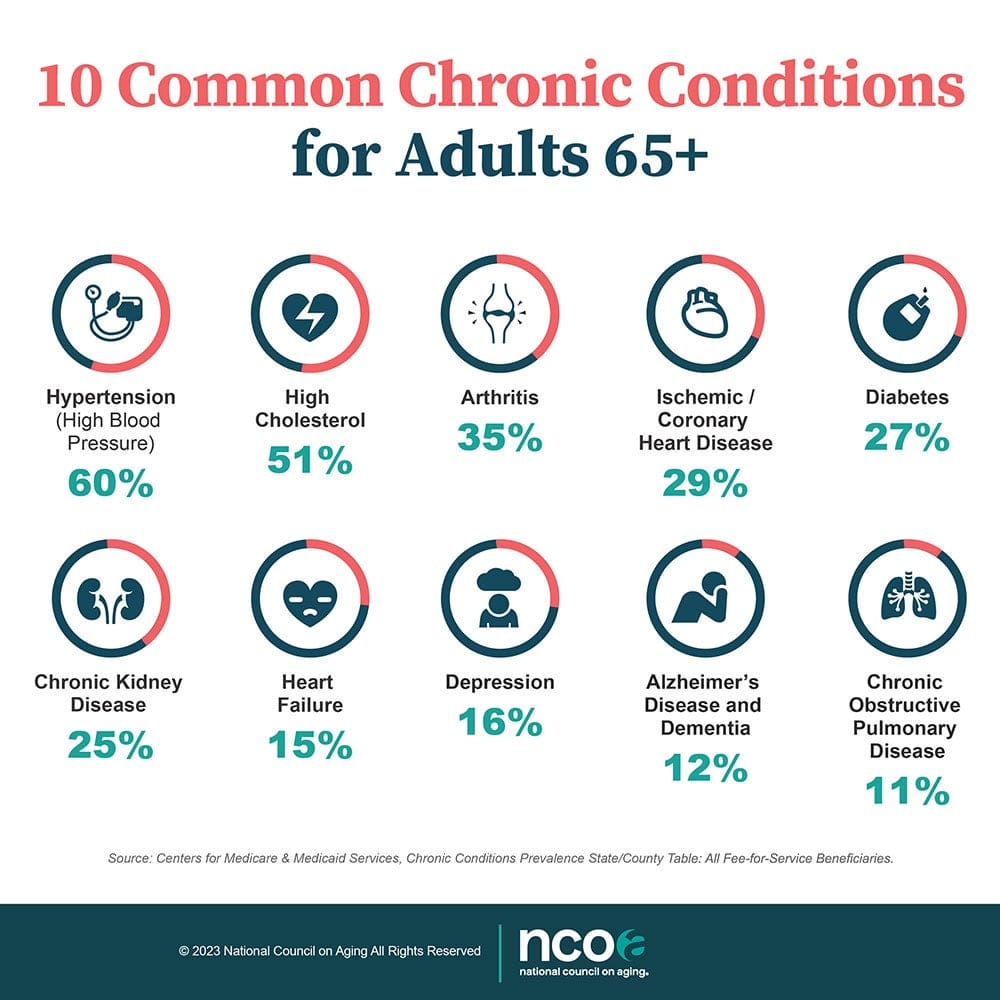
Chronic conditions are not limited to older adults; they also affect a significant number of young adults. According to research, around 45% of young adults aged 18 to 29 in the United States have at least one chronic condition. This statistic highlights the importance of understanding and addressing the unique challenges faced by young adults living with chronic conditions.
Impact of chronic conditions on daily life
Living with a chronic condition can have a profound impact on various aspects of daily life. Physical symptoms, such as fatigue, pain, and limited mobility, may affect one’s ability to carry out routine activities. Additionally, the emotional and psychological toll of managing a chronic condition can lead to stress, anxiety, and depression. It is crucial to recognize and address these challenges to ensure a well-rounded approach to managing chronic conditions effectively.
Education and chronic conditions
Disclosure and communication with teachers and professors
When living with a chronic condition, open and honest communication with teachers and professors is essential. Informing them about your condition allows for better understanding of your situation and fosters a supportive academic environment. You may choose to disclose your condition discreetly or request accommodations through the school’s disability services office.
Accessing accommodations and support services
Educational institutions often provide accommodations and support services to students with chronic conditions. These may include flexibility with attendance policies, extended time for assignments or exams, assistive technology, notetaking services, and accessible transportation options. It is essential to familiarize yourself with the available resources and advocate for the support you need to succeed academically.
Balancing academic commitments and health needs
Finding a balance between academic commitments and health needs can be challenging when living with a chronic condition. It is important to prioritize self-care and create a realistic schedule that allows for rest and recovery. Learning effective time management strategies, seeking assistance when needed, and establishing open lines of communication with professors and classmates can help ensure success in both academics and health.
Exploring online and flexible learning options
For individuals with chronic conditions, online and flexible learning options can be beneficial. These alternatives provide the flexibility to manage your education while accommodating health needs. Online courses, remote learning platforms, and flexible scheduling options allow for a personalized approach to education, minimizing the impact of physical limitations and promoting a more inclusive learning environment.
Workplace considerations
Disclosing chronic conditions to employers
Deciding whether to disclose a chronic condition to an employer is a personal choice. However, transparency can often lead to a more supportive and accommodating workplace environment. It is important to consider the potential benefits of disclosure, such as access to reasonable accommodations and understanding from colleagues and supervisors. Consult resources such as the Americans with Disabilities Act (ADA) to understand your rights and protections in the workplace.
Navigating reasonable accommodations and legal rights
Employees with chronic conditions are entitled to reasonable accommodations under the ADA. These accommodations may include flexible work hours, modified duties, ergonomic equipment, or accessible workspaces. Familiarize yourself with your legal rights and communicate with your employer to explore available accommodations. Open dialogue and collaboration can help create a conducive and inclusive work environment.
Managing productivity and fatigue
Living with a chronic condition can often involve managing fluctuating energy levels and fatigue. To maintain productivity in the workplace, consider strategies such as prioritizing tasks, breaking them into manageable steps, and using tools to organize and track progress. Additionally, incorporating regular breaks, practicing stress management techniques, and maintaining a healthy work-life balance can help mitigate the effects of chronic condition-related fatigue.
Building a support network in the workplace
Building a support network within the workplace can be beneficial for individuals with chronic conditions. Seek out colleagues who are understanding and empathetic, as they can offer valuable support and insight. Engaging in workplace groups or Employee Resource Networks can provide additional resources, mentorship opportunities, and a sense of belonging. Remember, you are not alone, and surrounding yourself with a supportive network can make a significant difference in your work experience.
Social life and relationships
Explaining chronic conditions to friends and peers
Explaining your chronic condition to friends and peers can help foster understanding and empathy. Consider sharing information about your condition in a simple, concise manner, emphasizing how it affects your daily life. Sharing your experiences openly can help dispel misconceptions and promote a supportive social environment where others can better understand your needs and limitations.
Maintaining social connections despite limitations
Living with a chronic condition may present challenges when it comes to maintaining social connections. However, it is crucial to prioritize relationships and find ways to stay connected with friends and loved ones. Adapt social activities to accommodate your needs, suggest alternatives that are less physically demanding, and communicate openly about what you can comfortably participate in. True friends will be understanding and find ways to include you, despite any limitations.
Managing social events and physical exertion
Attending social events can be physically demanding for individuals with chronic conditions. Pace yourself during these activities, listen to your body, and prioritize self-care. Consider alternatives such as hosting smaller gatherings in quieter environments or participating in activities that align with your energy levels and abilities. Remember, it is okay to decline invitations or leave early if necessary—your health should always come first.
Finding support groups and communities
Connecting with support groups and communities can be immensely beneficial for individuals living with chronic conditions. These groups provide a safe space to share experiences, seek advice, and access invaluable emotional support. Look for local organizations, online forums, or social media groups that focus on your specific condition or chronic conditions in general. Participating in these communities can help combat feelings of isolation and provide a sense of belonging.
Managing physical and mental health
Developing a self-care routine
Prioritizing self-care is essential for managing both physical and mental health with a chronic condition. Establishing a daily routine that includes proper rest, nutrition, exercise, and stress management techniques can contribute to overall well-being. Engaging in activities that bring joy, practicing relaxation exercises, and seeking moments of mindfulness can also positively impact mental and emotional health.
Seeking medical and mental health professionals
Regularly consulting with medical and mental health professionals is crucial for managing chronic conditions effectively. Build a trusted healthcare team that includes physicians, specialists, therapists, or counselors who can provide specialized care and support. Open communication, adherence to treatment plans, and regular check-ups can help monitor the progression of your condition and address any emerging concerns.
Navigating medication and treatment regimens
Managing medication and treatment regimens can be complex for individuals with chronic conditions. Maintain a clear record of prescribed medications, dosage instructions, and potential side effects. Use tools, such as pill organizers or smartphone apps, to stay organized and ensure adherence to prescribed regimens. Regularly communicate with your healthcare provider to evaluate the effectiveness of treatment and explore potential adjustments if necessary.
Addressing the emotional impact of chronic conditions
Living with a chronic condition can take a toll on one’s emotional well-being. It is important to acknowledge and address the emotional impact through therapy, counseling, or support groups. Professional help can offer coping strategies, tools for managing stress, and provide a safe space to discuss the challenges and frustrations that come with living with a chronic condition. Embracing emotional well-being is crucial for maintaining a balanced and fulfilling life.
Financial considerations
Understanding health insurance options
Understanding health insurance options is essential for managing the financial aspects of chronic conditions. Familiarize yourself with the terms and limitations of your health insurance policy, such as coverage for medications, doctor visits, and specialized therapies. Reach out to your insurance provider or a healthcare navigator if you have questions or need assistance in navigating the intricacies of your policy.
Navigating medical expenses and co-pays
Managing medical expenses and co-pays can be a significant financial burden for individuals with chronic conditions. Explore options such as flexible payment plans, government assistance programs, or co-pay assistance programs offered by pharmaceutical companies. Researching potential savings programs or negotiating with healthcare providers for reduced costs can also help alleviate financial stress.
Applying for disability benefits if applicable
In some cases, individuals with chronic conditions may be eligible for disability benefits. Research the disability benefits available in your country or region and understand the eligibility criteria. Consult with professionals who specialize in disability benefits assistance to ensure you have the necessary documentation and support when applying for these benefits.
Balancing financial responsibilities with healthcare costs
Balancing financial responsibilities with healthcare costs can be challenging. It is crucial to establish a budget and prioritize your healthcare expenses while also considering other financial obligations. Explore resources that provide financial education, seek assistance from financial advisors, and consider long-term financial planning to ensure that you can effectively manage your chronic condition while maintaining financial stability.
Building a support network
Family and friends as sources of support
Family and friends can provide invaluable support for individuals living with chronic conditions. Maintain open lines of communication with loved ones, share your needs and concerns, and lean on them for emotional support when necessary. Educate them about your condition, its impact, and potential ways they can assist you. Together, you can build a support network that helps you navigate the challenges of living with a chronic condition.
Connecting with peer support groups
Peer support groups allow individuals with chronic conditions to connect and share experiences with others who can relate to their unique challenges. These groups often provide a safe space to discuss concerns and seek advice from peers who have firsthand knowledge of living with chronic conditions. Seek out local community organizations, online platforms, or support group directories to find relevant peer support groups.
Joining online communities and forums
Online communities and forums offer a platform for individuals with chronic conditions to connect, ask questions, and share insights. These platforms provide a wealth of information, personal stories, and a sense of belonging. Engage in discussions, ask for advice, and share your experiences to benefit from the collective knowledge and support found in these online communities.
Seeking professional counseling or therapy
Professional counseling or therapy can be tremendously beneficial for individuals living with chronic conditions. A therapist or counselor can help you navigate the emotional challenges, manage stress, and develop coping strategies specific to your situation. Seek out professionals experienced in working with individuals with chronic conditions, as they can provide specialized support and guidance tailored to your needs.
Goal setting and future planning
Setting realistic goals considering health constraints
Set realistic goals that take into account your specific health constraints when living with a chronic condition. Consider your energy levels, physical limitations, and potential fluctuations in symptoms when establishing goals. Break larger goals into smaller, achievable steps, allowing for flexibility if your condition requires adjustments along the way. By setting realistic expectations, you can work towards accomplishing your goals while maintaining your overall well-being.
Exploring career options compatible with chronic conditions
When considering a career, it is essential to explore options that align with your chronic condition and its limitations. Research industries or professions that offer flexibility, remote work options, or accommodations for individuals with chronic conditions. Networking with professionals in your desired field can provide valuable insights into potential career paths that are compatible with your health needs.
Developing a long-term healthcare plan
Developing a long-term healthcare plan is crucial for managing chronic conditions effectively. Work closely with your healthcare team to develop a comprehensive plan that addresses ongoing treatment, potential complications, and necessary lifestyle adjustments. Regularly review and update your healthcare plan to ensure it reflects your changing needs and goals as you navigate life with your chronic condition.
Financial planning for future healthcare needs
Financial planning for future healthcare needs is essential for individuals living with chronic conditions. Assess your potential healthcare costs, including ongoing treatments, medications, and potential emergencies. Explore options such as health savings accounts, insurance policies, and long-term care plans to ensure you have the necessary financial resources to support your healthcare needs in the future.
Advocacy and self-empowerment
Educating oneself about rights and resources
Empower yourself by educating yourself about your rights and available resources as an individual living with a chronic condition. Familiarize yourself with disability rights legislation, support organizations, and advocacy groups relevant to your condition. Stay informed about advancements in research, treatment options, and technologies that may benefit your health and quality of life.
Advocating for improved accessibility and inclusion
Become an advocate for improved accessibility and inclusion for individuals living with chronic conditions. Share your experiences, raise awareness, and engage with local communities, schools, workplaces, and policymakers to promote positive change. By amplifying your voice and advocating for the needs of others, you can contribute to a more inclusive society that supports individuals with chronic conditions.
Participating in support groups and awareness campaigns
Participating in support groups and awareness campaigns can have a significant impact on the chronic condition community. Engage with local and national organizations by volunteering, supporting fundraising efforts, or actively participating in awareness campaigns. By sharing your experiences and contributing to these initiatives, you can help create a network of support and advance the understanding of chronic conditions.
Building confidence and resilience
Building confidence and resilience is essential when living with a chronic condition. Focus on your strengths and accomplishments, celebrate small victories, and surround yourself with positive influences. Engage in activities that enhance your self-esteem, such as hobbies, creative outlets, or physical exercise tailored to your abilities. By nurturing your confidence and resilience, you can better navigate the challenges that come with living with a chronic condition.
Coping with uncertainty and setbacks
Managing the emotional rollercoaster of chronic conditions
Living with a chronic condition often involves navigating uncertainty and setbacks. Allow yourself to acknowledge and process the emotional rollercoaster that comes with these challenges. Practice self-compassion, reach out to support networks, and engage with mental health professionals who can help you develop coping strategies and resilience during difficult times.
Strategies for coping with unpredictability
Coping with the unpredictability associated with chronic conditions requires adaptability and resilience. Embrace strategies that promote mindfulness, stress reduction, and self-care during uncertain times. Engage in calming activities, such as meditation, deep breathing exercises, or journaling, to help you stay grounded and manage anxiety. Remember, your ability to embrace uncertainty and adapt to changing circumstances is a testament to your inner strength.
Seeking professional help during difficult times
During particularly challenging times, seeking professional help is crucial. Mental health professionals can provide the necessary support and guidance to navigate emotional distress associated with the unpredictability of chronic conditions. Do not hesitate to reach out if you find yourself struggling. Seeking professional help is a sign of strength and a proactive step towards managing your mental well-being.
Embracing a positive mindset and self-acceptance
Embracing a positive mindset and practicing self-acceptance are vital components of coping with chronic conditions. Focus on your strengths, abilities, and moments of joy in your life. Cultivate gratitude and practice reframing negative thoughts into positive ones. Embrace self-acceptance by recognizing that your chronic condition does not define you and that you are capable of living a fulfilling and meaningful life.