
Welcome to an article that explores the fascinating link between longevity and the power of community support. Research has shown that individuals who are surrounded by a strong network of friends, family, and neighbors tend to live longer and healthier lives. This highlights the importance of cultivating meaningful relationships and building a strong sense of community in order to promote overall well-being and longevity. Join us as we delve into the many ways in which social connections can positively impact your health and lifespan. Have you ever wondered what the secret is to living a long and healthy life? Many people focus on diet and exercise, but one crucial factor that often gets overlooked is the power of community support. In this article, we will explore the connection between longevity and the support of a strong community. Let’s dive in and discover how the people around you can impact your overall health and well-being.
The Power of Social Connections
Having a strong support system is essential for both our mental and physical health. When we have social connections in our lives, we are more likely to experience lower levels of stress, depression, and anxiety. These positive relationships can also boost our immune system, improve our cardiovascular health, and even increase our lifespan.
Think about the people in your life who make you feel loved and supported. These individuals play a crucial role in helping you navigate life’s challenges and celebrate its joys. Whether it’s family members, friends, or colleagues, having a network of people who genuinely care about you can make a significant difference in your overall well-being.
Building Meaningful Relationships
Building strong relationships with others takes time and effort, but the benefits are well worth it. Take the time to nurture your connections with those who matter most to you. Whether it’s through regular phone calls, face-to-face conversations, or shared activities, making an effort to stay connected with others can greatly impact your health and happiness.
When you invest in your relationships, you are investing in your own well-being. Reach out to those you care about and let them know how much they mean to you. By fostering these meaningful connections, you are not only enriching your own life but also contributing to the health and happiness of those around you.
The Impact of Community Support on Longevity
Research has shown that individuals with strong social ties tend to live longer, healthier lives. This is because having a community of people who support you can provide a sense of purpose, belonging, and security. When you know that you have people in your corner who care about you, you are more likely to take better care of yourself and seek help when needed.
Whether it’s a shared interest group, a religious community, or a neighborhood organization, finding a sense of belonging within a community can have far-reaching benefits for your overall health and well-being. Being part of a supportive community can provide you with a sense of identity and connection, which can help you navigate life’s challenges with greater resilience.
Finding Your Tribe
Finding your tribe—a group of individuals who share your values, interests, and goals—is essential for creating a sense of belonging and support. This could be a group of friends who enjoy hiking, a book club, a volunteer organization, or a local sports team. Whatever form it takes, having a group of like-minded individuals who share your passions can provide you with a sense of camaraderie and belonging.
If you haven’t found your tribe yet, don’t worry. There are plenty of opportunities to connect with others in your community. Consider joining a local club or organization, attending community events, or volunteering for a cause you care about. By putting yourself out there and exploring different avenues for connection, you may just stumble upon the supportive community you’ve been looking for.

The Role of Social Support in Health and Well-Being
Social support plays a crucial role in our health and well-being by providing us with emotional, practical, and informational assistance when we need it most. Whether it’s lending a listening ear, offering a helping hand, or sharing valuable advice, the people in our lives can provide us with the support and encouragement we need to thrive.
Think about a time when someone supported you through a difficult period in your life. How did their presence and encouragement impact your ability to cope with challenges and come out stronger on the other side? These experiences remind us of the profound impact that social support can have on our mental and physical health.
Emotional Support
Emotional support is the backbone of our relationships with others. It involves providing comfort, compassion, and empathy to those who are going through a tough time. When we feel emotionally supported by others, we are more likely to experience lower levels of stress and anxiety, as well as greater feelings of happiness and contentment.
Take a moment to reflect on the people in your life who offer you emotional support. How do they make you feel when you’re going through a difficult situation? By nurturing these relationships and being there for others in their time of need, you are building a strong foundation of emotional support that can sustain you through life’s ups and downs.
Practical Support
Practical support involves helping others with tasks or responsibilities that they may find challenging. This could be anything from running errands for a sick friend to helping a family member with household chores. By lending a helping hand to those in need, you are not only lightening their load but also strengthening your bond with them.
Think about how you can offer practical support to someone in your life who may be struggling. Whether it’s cooking a meal for a busy neighbor or offering to babysit for a friend who needs a break, small acts of kindness can go a long way in showing others that you care.
Informational Support
Informational support involves providing others with helpful advice, resources, or guidance to help them navigate a challenging situation. Whether it’s recommending a good therapist, sharing a helpful article, or offering your expertise on a particular topic, providing informational support can empower others to make informed decisions and take positive steps toward improving their well-being.
Consider how you can offer informational support to those in your community who may be seeking guidance or advice. By sharing your knowledge and expertise with others, you can make a meaningful impact on their lives and help them move closer to their goals.
The Health Benefits of a Supportive Community
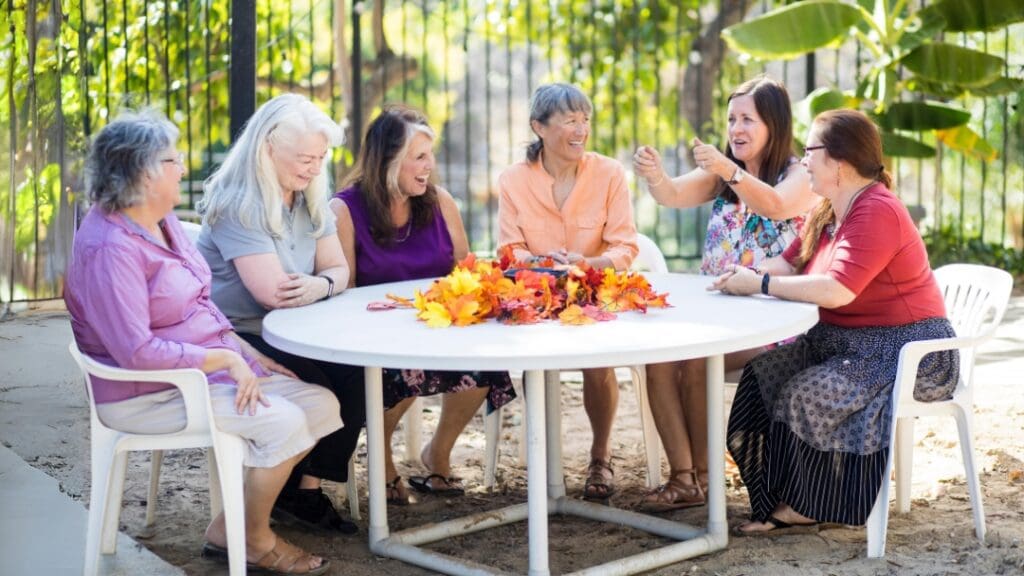
Being part of a supportive community can have a wide range of health benefits that extend beyond just emotional well-being. From improved mental health to enhanced physical well-being, the power of community support can positively impact every aspect of your life.
Mental Health Benefits
Having a strong support system can help protect against mental health issues such as depression and anxiety. When you have people in your life who you can turn to for emotional support, you are less likely to experience feelings of isolation and loneliness. This sense of connection and belonging can greatly contribute to your overall mental well-being.
Think about the ways in which your relationships with others have helped improve your mental health. Whether it’s a friend who listens without judgment or a family member who offers a shoulder to cry on, these supportive connections can provide a source of comfort and reassurance during challenging times.
Physical Health Benefits
In addition to its impact on mental health, community support can also have positive effects on your physical well-being. Research has shown that individuals with supportive social networks tend to have lower rates of chronic diseases, reduced inflammation, and improved immune function.
Consider how being part of a community has influenced your physical health. Have you noticed that you feel better when you are surrounded by people who uplift and support you? By cultivating strong relationships with others, you are not only enhancing your mental well-being but also boosting your physical health in the process.

Cultivating Supportive Relationships in Your Life
Now that you understand the importance of community support in promoting longevity and overall well-being, it’s time to take action and cultivate supportive relationships in your own life. Here are some tips to help you build strong connections with others and create a sense of belonging within your community.
Be Authentic
One of the most important aspects of cultivating supportive relationships is being authentic and true to yourself. When you are honest and genuine with others, you are more likely to attract like-minded individuals who appreciate and value you for who you are.
Think about the qualities and values that are important to you in a relationship. By staying true to yourself and expressing your true thoughts and feelings, you will attract people who align with your beliefs and aspirations.
Reach Out
Building relationships takes effort and initiative. Take the time to reach out to others and show them that you care. Whether it’s sending a thoughtful text, writing a heartfelt letter, or planning a get-together, making an effort to connect with others can strengthen your bonds and foster a sense of belonging.
Consider reaching out to someone in your life who you haven’t connected with in a while. By taking the first step to initiate contact, you may be surprised at how quickly you can rekindle a supportive relationship.
Practice Active Listening
One of the most valuable skills you can develop in building supportive relationships is the art of active listening. When you listen attentively to others and show genuine interest in their thoughts and feelings, you are demonstrating your care and respect for them.
Think about a recent conversation you had with someone close to you. Did you actively listen to what they were saying, or were you preoccupied with your own thoughts? By practicing active listening, you can deepen your relationships with others and create a strong foundation of support and understanding.
Offer Help and Support
One of the best ways to cultivate supportive relationships is by offering help and support to those in need. Whether it’s lending a helping hand, offering a listening ear, or sharing valuable advice, showing others that you are there for them can strengthen your connections and foster a sense of community.
Think about a friend or family member who may be going through a challenging time. How can you offer your help and support to them in a meaningful way? By extending a helping hand to others, you are not only demonstrating your care and compassion but also building a strong network of support that can benefit everyone involved.

Conclusion
In conclusion, the power of community support cannot be overstated when it comes to promoting longevity and overall well-being. By cultivating strong relationships with others, you are creating a network of support that can help you navigate life’s challenges with greater ease and resilience. Whether it’s through emotional, practical, or informational support, the people in your life play a crucial role in fostering your health and happiness.
As you continue to build meaningful connections with others and find your tribe, remember that you are not alone in this journey. By reaching out, offering help and support, and practicing active listening, you can create a strong sense of community that will uplift and sustain you for years to come. So, don’t underestimate the power of community support in enhancing your health, happiness, and longevity. Your connections with others can truly make a difference in your life.