
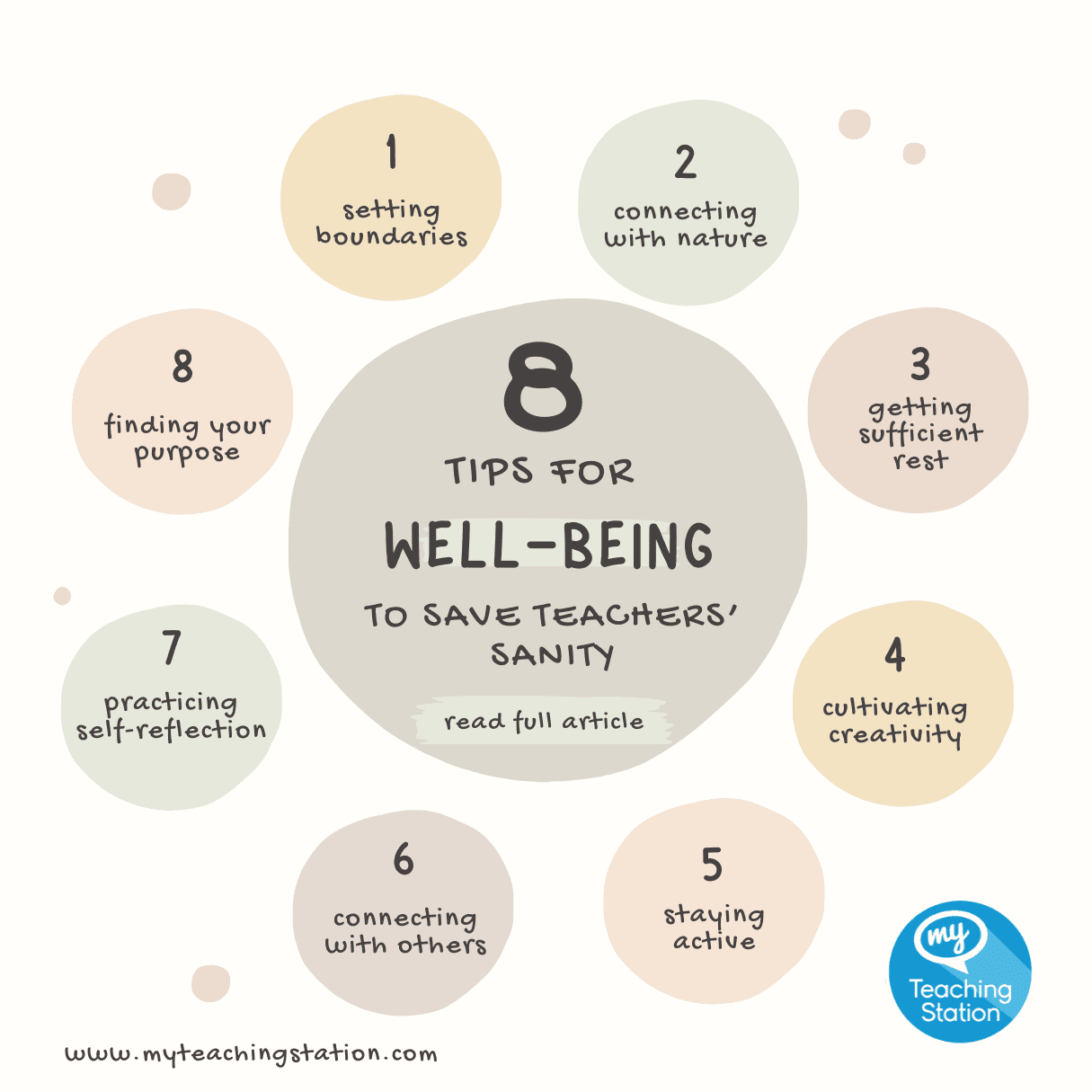
Welcome to an article that will provide you with valuable tips on how to boost your mental health and enhance your overall longevity. In today’s fast-paced world, taking care of your mental well-being is essential for living a long and fulfilling life. From practicing mindfulness and stress management techniques to maintaining social connections and engaging in regular physical activity, incorporating these tips into your daily routine can have a significant impact on your mental health and longevity. So, get ready to prioritize your well-being and start living your best life today! Have you ever wondered how you can boost your longevity and improve your mental health at the same time? It may seem like a daunting task, but with the right tips and strategies, you can take control of your well-being and set yourself up for a long and fulfilling life. In this article, we will explore some key longevity-boosting tips that specifically focus on improving your mental health. From incorporating healthy habits into your daily routine to cultivating a positive mindset, there are plenty of ways you can enhance both your physical and mental well-being. So, grab a cup of tea, get cozy, and let’s dive in!
Setting the Foundation: Understanding the Connection between Longevity and Mental Health
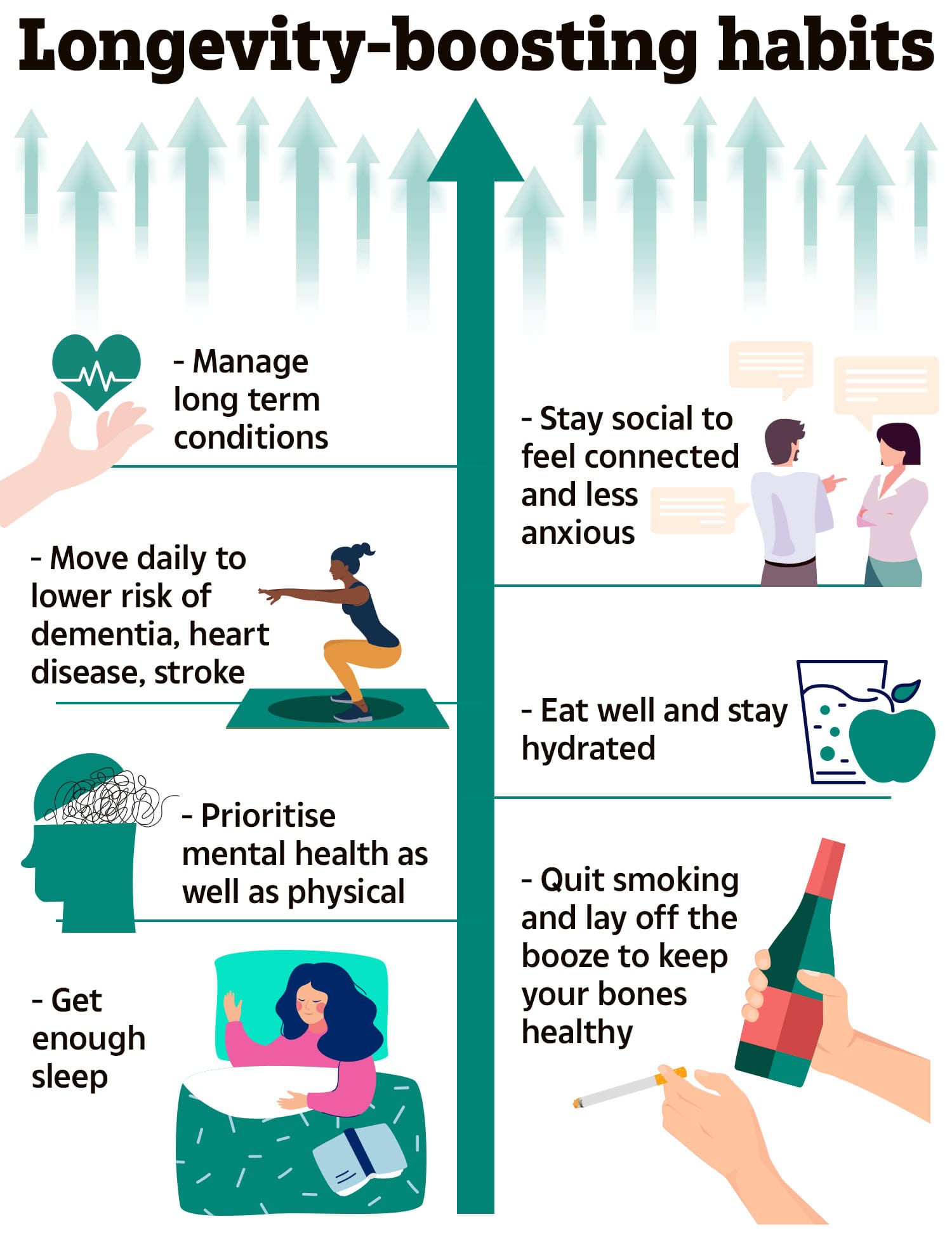
When it comes to longevity, many people tend to focus on physical health – eating well, staying active, and getting enough sleep. While these are certainly important factors, mental health plays a crucial role in determining how long and how well you live. Research has shown that mental health issues such as depression, anxiety, and chronic stress can have a significant impact on overall health and longevity. In fact, studies have found that individuals with poor mental health are more likely to experience a range of physical health problems, including heart disease, diabetes, and even premature death.
So, why is mental health so important for longevity? The answer lies in the intricate relationship between your mind and body. When you experience negative emotions or chronic stress, your body releases stress hormones like cortisol, which can wreak havoc on your physical health over time. Conversely, when you cultivate positive emotions, such as gratitude, joy, and love, your body produces feel-good hormones like oxytocin and endorphins, which can boost your immune system, reduce inflammation, and promote overall well-being.
Key takeaway:
Taking care of your mental health isn’t just good for your brain – it’s essential for your physical health and longevity too. By prioritizing your mental well-being, you can set the foundation for a long and fulfilling life.
Building Healthy Habits: The Power of Nutrition and Exercise
When it comes to boosting longevity and improving mental health, few things are as powerful as a nutritious diet and regular exercise. Research has shown that a diet rich in fruits, vegetables, whole grains, and healthy fats can help protect against cognitive decline, reduce the risk of chronic diseases, and promote overall brain health. Similarly, regular exercise has been found to boost mood, reduce stress, and improve cognitive function – all of which can have a positive impact on mental health and longevity.
So, what should you be eating and doing to promote optimal mental health and longevity? Here are some key tips to keep in mind:
Nutrition:
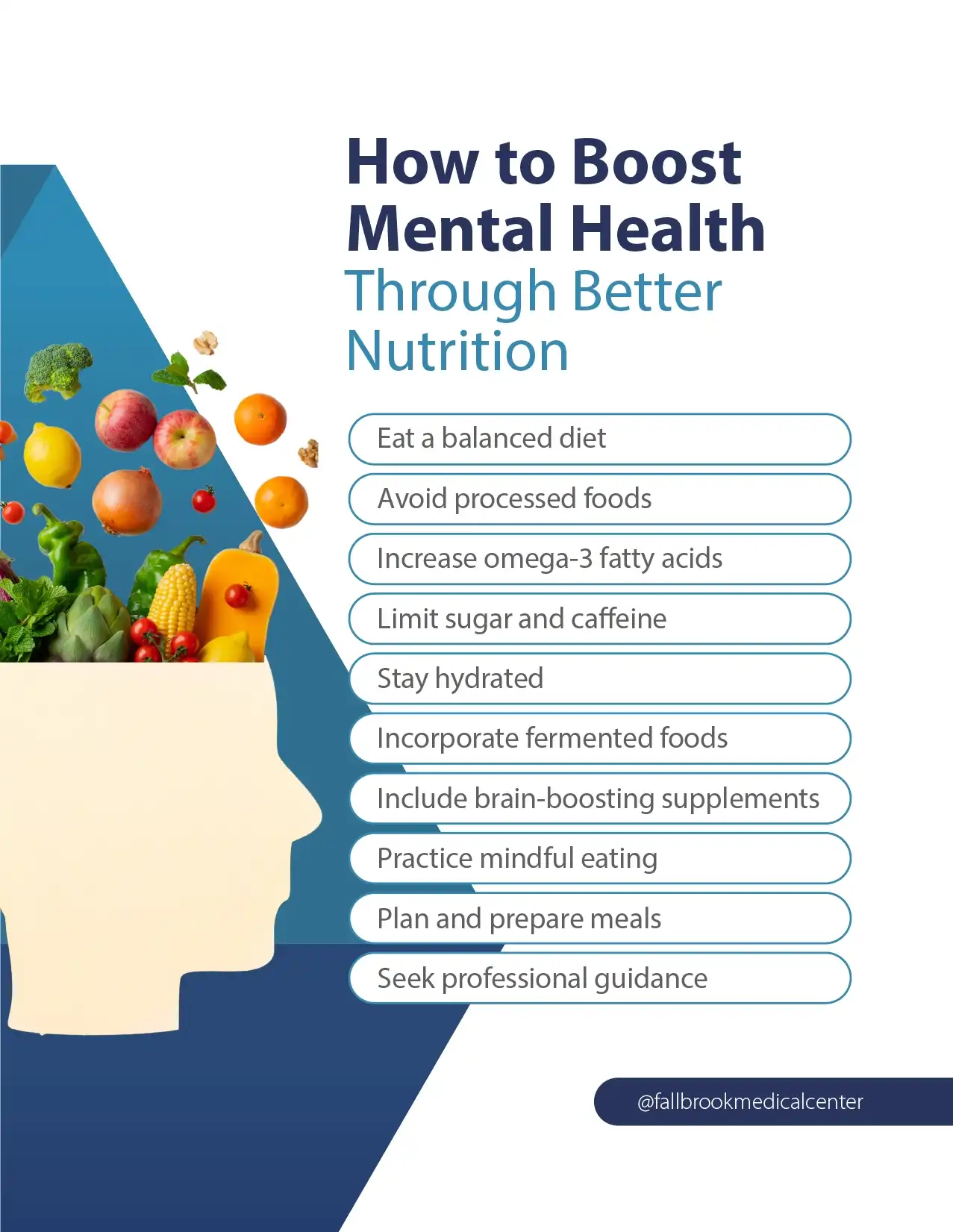
- Focus on whole, unprocessed foods like fruits, vegetables, whole grains, and lean protein sources.
- Include a variety of nutrients in your diet, such as omega-3 fatty acids (found in fatty fish like salmon), antioxidants (found in berries and colorful vegetables), and B vitamins (found in whole grains and leafy greens).
- Limit your intake of refined sugars, saturated fats, and processed foods, which can contribute to inflammation and cognitive decline.
Exercise:
- Aim for at least 150 minutes of moderate-intensity exercise per week, such as brisk walking, cycling, or swimming.
- Incorporate strength training exercises at least twice a week to build muscle mass and improve bone health.
- Find activities that you enjoy and that fit into your lifestyle, whether it’s dancing, gardening, or playing a sport.
By prioritizing nutrition and exercise, you can support both your physical and mental health, paving the way for a longer and healthier life.
Key takeaway:
Your diet and exercise habits play a crucial role in determining your mental and physical well-being. By fueling your body with nutritious foods and staying active, you can boost your longevity and improve your overall quality of life.
Stress Management: Techniques for Cultivating Calm and Resilience
In today’s fast-paced world, stress has become a ubiquitous part of daily life for many people. Whether it’s work deadlines, family responsibilities, or financial pressures, stress can take a toll on your mental health and well-being. Chronic stress has been linked to a host of health problems, including heart disease, obesity, and mental health disorders. So, how can you effectively manage stress and cultivate a sense of calm and resilience in your life?
Mindfulness and Meditation:
- Practice mindfulness techniques, such as deep breathing, body scans, and mindful eating, to stay present and reduce anxiety.
- Incorporate meditation into your daily routine, even if it’s just for a few minutes each day. Meditation can help quiet your mind, reduce stress, and improve emotional well-being.
Yoga and Tai Chi:
- Engage in mind-body practices like yoga and tai chi, which combine movement with breathwork and meditation. These forms of exercise can help reduce stress, improve flexibility, and promote relaxation.
Journaling and Gratitude:
- Keep a journal to track your thoughts and emotions, and explore any patterns or triggers that may be contributing to your stress.
- Practice gratitude by writing down three things you’re grateful for each day. Gratitude can help shift your focus from what’s lacking in your life to what you have, fostering a positive mindset.
By incorporating stress management techniques into your daily routine, you can reduce the harmful effects of chronic stress, enhance your resilience, and promote mental well-being.
Key takeaway:
Stress is a common part of life, but it doesn’t have to dictate your well-being. By practicing mindfulness, engaging in relaxation exercises, and fostering a sense of gratitude, you can effectively manage stress and improve your mental health.
Social Connection: The Power of Relationships and Community
Humans are social beings by nature, and our connections with others play a crucial role in shaping our mental health and well-being. Research has shown that strong social ties, whether with family, friends, or community groups, can provide a buffer against stress, loneliness, and depression. In contrast, social isolation and loneliness have been linked to a higher risk of mental health disorders, cognitive decline, and even premature death.
So, how can you cultivate meaningful relationships and foster a sense of belonging in your life? Here are some tips to help you nurture your social connections and boost your mental health:
Stay Connected:
- Reach out to friends, family members, and loved ones regularly, whether through phone calls, video chats, or in-person visits.
- Join social groups or clubs that align with your interests, such as book clubs, fitness classes, or volunteer organizations. These can provide opportunities to meet like-minded individuals and form new connections.
Prioritize Quality over Quantity:
- Focus on building a few close, meaningful relationships rather than a large network of acquaintances. Quality relationships built on trust, respect, and support are key to fostering a sense of belonging and well-being.
Practice Active Listening:
- When interacting with others, practice active listening by giving your full attention, asking questions, and responding empathetically. Strong communication skills are essential for building and maintaining healthy relationships.
By investing in your social connections and fostering a sense of community, you can strengthen your mental health, enhance your resilience, and increase your overall well-being.
Key takeaway:
Your relationships with others have a profound impact on your mental health and longevity. By staying connected, prioritizing quality over quantity, and practicing active listening, you can cultivate meaningful relationships that support your well-being.
Emotional Well-Being: Strategies for Cultivating Positivity and Resilience
In addition to managing stress and fostering social connections, cultivating a positive mindset and emotional well-being is essential for boosting longevity and improving mental health. Positive emotions like joy, gratitude, and love have been shown to have powerful effects on both brain health and physical well-being. By prioritizing your emotional well-being and practicing positivity, you can enhance your resilience, cope with life’s challenges, and lead a more fulfilling life.
Gratitude Practice:
- Start a gratitude journal or gratitude jar, where you write down things you’re thankful for each day. Focusing on the positive aspects of your life can shift your perspective and boost your mood.
Positive Affirmations:
- Create a list of positive affirmations or mantras that you can repeat to yourself regularly. Affirmations can help reframe negative thoughts, boost self-confidence, and cultivate a sense of positivity.
Self-Compassion:
- Practice self-compassion by treating yourself with kindness, understanding, and patience. Acknowledge your imperfections and mistakes without judgment, and remember that you are worthy of love and acceptance.
By incorporating these strategies into your daily routine and mindset, you can cultivate emotional well-being, support your mental health, and enhance your overall quality of life.
Key takeaway:
Your emotional well-being is closely intertwined with your mental health and longevity. By practicing gratitude, affirmations, and self-compassion, you can cultivate positivity, resilience, and a sense of fulfillment in your life.
Seeking Professional Support: When to Ask for Help
While incorporating healthy habits, stress management techniques, and positive mindset strategies can go a long way in supporting your mental health and well-being, it’s important to remember that seeking professional support is always an option. If you’re struggling with persistent feelings of anxiety, depression, or stress, or if you’re finding it difficult to cope with life’s challenges, don’t hesitate to reach out for help.
Therapy:
- Consider seeking therapy or counseling to address any mental health concerns or emotional issues you may be experiencing. Therapy can provide a safe space to explore your thoughts and feelings, develop coping strategies, and work through past traumas.
Support Groups:
- Join a support group or mental health community to connect with others who may be going through similar struggles. Sharing your experiences and receiving support from others can help you feel less alone and more understood.
Medication:
- If you’re struggling with a mental health condition such as depression or anxiety, medication may be a helpful treatment option. Consult with a mental health professional to discuss whether medication is right for you and to explore other treatment options.
Remember, asking for help is a sign of strength, not weakness. Taking the first step to prioritize your mental health and seek professional support can lead to healing, growth, and a brighter future.
Key takeaway:
You don’t have to navigate life’s challenges alone. If you’re struggling with your mental health, reach out for support from a mental health professional, therapist, or support group. Seeking help is a courageous and empowering step toward healing and well-being.

In Conclusion: Your Mental Health Matters
Your mental health is an essential component of your overall well-being, and it plays a significant role in determining your longevity and quality of life. By prioritizing your mental well-being, building healthy habits, managing stress, nurturing social connections, cultivating emotional well-being, and seeking professional support when needed, you can take control of your mental health and set yourself up for a long, fulfilling life.
Remember, taking care of your mental health isn’t just about preventing mental health disorders – it’s about enhancing your resilience, fostering positivity, and promoting overall well-being. By incorporating these longevity-boosting tips into your daily routine and mindset, you can support your mental health, increase your longevity, and lead a life filled with joy, purpose, and fulfillment.
So, take a deep breath, remind yourself of your inner strength, and know that you have the power to prioritize your mental health and well-being. Here’s to a long, happy, and healthy life ahead!
Key takeaway:
Your mental health is an integral part of your overall well-being and longevity. By prioritizing your mental well-being, practicing healthy habits, managing stress, nurturing social connections, and seeking professional support when needed, you can enhance your resilience, boost your positivity, and live a fulfilling life.