
If you want to keep your heart healthy and ward off age-related health problems, it’s important to understand the best strategies for preventing metabolic syndrome and cardiovascular issues. This article explores some of the most effective ways to protect yourself from these conditions, focusing on lifestyle changes and habits that can make a significant impact. By incorporating these recommendations into your daily routine, you can take proactive steps towards maintaining your well-being and enjoying a long, fulfilling life.
Maintain a Healthy Weight
Adopt a Balanced Diet
Maintaining a healthy weight is essential for preventing age-related metabolic syndrome and cardiovascular issues. One of the key ways to achieve and maintain a healthy weight is by adopting a balanced diet. This means including a variety of nutritious foods from all food groups in your daily meals. Make sure to consume plenty of fruits and vegetables, whole grains, lean proteins, and healthy fats. A balanced diet provides your body with the essential nutrients it needs to function optimally and can help prevent weight gain.
Watch Portion Sizes
In addition to adopting a balanced diet, it’s important to be mindful of portion sizes. Even healthy foods can contribute to weight gain if consumed in excessive amounts. Pay attention to serving sizes and use measuring cups or a food scale when necessary. It can be helpful to learn about appropriate portion sizes for different types of food to ensure you’re not overeating. By being aware of portion sizes, you can better control your calorie intake and maintain a healthy weight.
Limit Processed and Sugary Foods
Processed and sugary foods are often high in unhealthy fats, added sugars, and sodium. These foods can contribute to weight gain, increase the risk of metabolic syndrome, and raise your chances of developing cardiovascular issues. Try to limit your consumption of processed foods, such as packaged snacks, sugary beverages, and fast food. Instead, opt for whole, unprocessed foods that are nutrient-dense and beneficial for overall health.
Stay Active and Exercise Regularly
Regular physical activity is crucial for maintaining a healthy weight and preventing age-related metabolic syndrome and cardiovascular issues. Engaging in exercise not only helps you burn calories but also strengthens your heart and improves blood circulation. Aim for at least 150 minutes of moderate-intensity aerobic activity or 75 minutes of vigorous-intensity aerobic activity per week. Additionally, incorporate strength training exercises at least twice a week to build and preserve muscle mass. Remember to choose activities you enjoy, as this will increase adherence and make exercise a sustainable habit.
Manage Blood Pressure
Monitor Blood Pressure Regularly
Monitoring your blood pressure regularly is essential for managing it effectively and preventing cardiovascular issues. High blood pressure, or hypertension, is a significant risk factor for heart disease and stroke. You can monitor your blood pressure at home using a home blood pressure monitor or by visiting your healthcare provider for regular check-ups. By keeping track of your blood pressure, you can detect any abnormalities early on and take prompt action to manage it.
Reduce Sodium Intake
Excessive sodium intake can contribute to high blood pressure. It’s important to limit your sodium intake to help maintain healthy blood pressure levels. Avoid adding extra salt to your meals, and be cautious of hidden sources of sodium in processed and packaged foods. Opt for fresh, whole foods whenever possible and flavor your meals with herbs and spices instead of salt. By reducing your sodium intake, you can help manage your blood pressure and reduce the risk of cardiovascular issues.
Eat a Heart-Healthy Diet
Following a heart-healthy diet is another crucial aspect of managing blood pressure and preventing cardiovascular issues. This includes consuming foods that are low in saturated fats, trans fats, and cholesterol. Choose lean proteins, such as poultry, fish, and legumes, and limit red meat consumption. Incorporate plenty of fruits, vegetables, whole grains, and low-fat dairy products into your diet. Healthy fats, like those found in avocados, nuts, and olive oil, can be included in moderation. A balanced and heart-healthy diet helps control blood pressure and reduces the risk of cardiovascular problems.
Engage in Regular Physical Activity
Physical activity plays a vital role in managing blood pressure. Regular exercise helps strengthen the heart muscle, improve blood flow, and lower blood pressure. Aim for at least 150 minutes of moderate-intensity aerobic activity or 75 minutes of vigorous-intensity aerobic activity per week, along with muscle-strengthening activities at least twice a week. Find activities that you enjoy, such as walking, cycling, swimming, or dancing, and make them a regular part of your routine. Consistency is key when it comes to reaping the blood pressure-lowering benefits of exercise.
Limit Alcohol Consumption
Excessive alcohol consumption can contribute to high blood pressure levels and increase the risk of developing cardiovascular issues. It’s important to know the recommended limits for alcohol intake and drink in moderation. For men, the recommended limit is up to two drinks per day, while for women, it’s up to one drink per day. Binge drinking should be avoided altogether, as it can have severe consequences for your health. If you’re struggling to limit your alcohol consumption, seek support from loved ones or professional resources to maintain a healthy lifestyle.

Control Blood Sugar Levels
Eat a Balanced Diet
Controlling blood sugar levels is crucial for preventing age-related metabolic syndrome and related cardiovascular issues. One of the most effective ways to manage blood sugar is by following a balanced diet. This means choosing foods that have a balanced combination of carbohydrates, proteins, and fats. Emphasize whole grains, lean proteins, and healthy fats, while also incorporating plenty of fruits, vegetables, and fiber. A balanced diet helps stabilize blood sugar levels and promotes overall health.
Choose Low Glycemic Index Foods
Foods with a low glycemic index (GI) have a slower impact on blood sugar levels, making them ideal choices to control blood sugar. These foods release glucose into the bloodstream more gradually, preventing spikes in blood sugar levels. Include low GI foods such as whole grains, legumes, non-starchy vegetables, and most fruits in your diet. Avoid or limit high GI foods like sugary beverages, white bread, and sugary snacks. By focusing on low GI foods, you can better manage blood sugar and reduce the risk of metabolic syndrome.
Limit Added Sugars
Added sugars can significantly contribute to elevated blood sugar levels and increase the risk of metabolic syndrome. Be mindful of the amount of added sugars you consume through beverages, sweets, desserts, and processed foods. Read food labels carefully and choose products with little to no added sugars. Instead, satisfy your sweet tooth with naturally sweet foods like fruits or low-sugar alternatives. By limiting your intake of added sugars, you can better control blood sugar levels and protect your cardiovascular health.
Monitor Blood Sugar Levels
Regular monitoring of blood sugar levels is essential for individuals at risk of age-related metabolic syndrome. This can be done at home through glucose monitoring devices, or through regular check-ups with your healthcare provider. Monitoring your blood sugar helps identify potential fluctuations or abnormalities early on, allowing for timely intervention and management. By staying proactive and vigilant, you can maintain optimal blood sugar levels and reduce the risk of cardiovascular issues.
Exercise Regularly
Physical activity is a cornerstone of blood sugar management and preventing metabolic syndrome. Regular exercise helps improve insulin sensitivity, allowing your body to use blood sugar more efficiently. Aim for at least 150 minutes of moderate-intensity aerobic activity or 75 minutes of vigorous-intensity aerobic activity per week, along with strength training exercises at least twice a week. Find activities you enjoy and make exercise a part of your daily routine. By staying active, you can better control blood sugar levels and promote overall metabolic health.
Reduce LDL Cholesterol Levels
Adopt a Heart-Healthy Diet
High levels of LDL (low-density lipoprotein) cholesterol can increase the risk of cardiovascular issues. One of the most effective ways to lower LDL cholesterol is by adopting a heart-healthy diet. Emphasize foods that are low in saturated fats and trans fats, and high in fiber. Include plenty of fruits, vegetables, whole grains, and lean proteins in your diet. Limit the consumption of red meat, full-fat dairy products, processed foods, and fried foods. A heart-healthy diet helps reduce LDL cholesterol and promotes cardiovascular health.
Choose Unsaturated Fats Over Saturated Fats
Making mindful choices when it comes to fats can help reduce LDL cholesterol levels. Opt for unsaturated fats, such as those found in avocados, nuts, seeds, and olive oil. These fats can help raise HDL (high-density lipoprotein) cholesterol, which is considered the “good” cholesterol. Limit your intake of saturated fats found in red meat, full-fat dairy products, and tropical oils like coconut oil. By prioritizing unsaturated fats over saturated fats, you can positively impact your cholesterol levels and reduce the risk of cardiovascular issues.
Limit Trans Fats
Trans fats are known for their negative impact on LDL cholesterol levels and cardiovascular health. These fats are often found in processed foods, baked goods, and fried foods. Read food labels carefully and avoid products that contain partially hydrogenated oils, as they are a major source of trans fats. Choose healthier cooking methods such as baking, steaming, or grilling instead of frying foods. By minimizing your intake of trans fats, you can lower LDL cholesterol levels and protect your heart health.
Increase Soluble Fiber Intake
Soluble fiber has been shown to reduce LDL cholesterol levels. Include foods rich in soluble fiber, such as oats, barley, legumes, fruits, and vegetables, in your diet. Aim to consume at least 25-30 grams of fiber per day. Soluble fiber works by binding to cholesterol in the digestive system, preventing its absorption into the bloodstream. By increasing your intake of soluble fiber, you can effectively lower LDL cholesterol and improve your cardiovascular health.
Exercise Regularly
Regular physical activity is not only beneficial for weight management but also plays a crucial role in reducing LDL cholesterol levels. Engage in aerobic exercises such as brisk walking, jogging, or cycling for at least 150 minutes a week. Exercise helps raise HDL cholesterol levels, the “good” cholesterol, and promotes overall cardiovascular health. Make exercise a regular part of your routine to maintain healthy cholesterol levels and reduce the risk of cardiovascular issues.
Quit Smoking
Understand the Dangers of Smoking
Smoking poses significant dangers to your health, including an increased risk of metabolic syndrome and cardiovascular issues. Cigarette smoke contains chemicals that can damage blood vessels, reduce blood flow, and raise blood pressure and cholesterol levels. Educate yourself about the risks of smoking, both for yourself and those around you. Understand that quitting smoking is the best decision you can make for your overall health and well-being.
Seek Support to Quit
Quitting smoking can be challenging, but you don’t have to do it alone. Seek support from loved ones, friends, or support groups to help you through the process. Let your family and friends know about your decision to quit smoking and ask for their encouragement and understanding. Having a support system in place can provide the necessary motivation and accountability to successfully quit smoking.
Utilize Smoking Cessation Aids
There are various smoking cessation aids available that can greatly improve your chances of successfully quitting. Nicotine replacement therapy, such as nicotine patches or gum, can help reduce cravings and withdrawal symptoms. Prescription medications like bupropion or varenicline may also be prescribed by your healthcare provider to assist with quitting. Consult with your doctor about which smoking cessation aids may be suitable for you and utilize them as part of your quit plan.
Find Healthy Alternatives to Smoking
Finding healthy alternatives to smoking can help you cope with cravings and make the transition to a smoke-free lifestyle easier. Engage in activities that distract you from smoking, such as going for a walk, practicing deep breathing exercises, or enjoying a healthy snack. Replace the habit of smoking with healthier habits, such as drinking herbal tea or chewing sugar-free gum. By finding healthy alternatives, you can successfully overcome the urge to smoke and protect your health.
Stay Motivated and Persistent
Quitting smoking is a process that requires motivation and persistence. Remind yourself of the reasons why you want to quit and the benefits of a smoke-free life. Celebrate milestones along the way, such as a week or month of being smoke-free, and reward yourself for your achievements. Stay committed to your decision and remember that setbacks may occur, but they do not mean failure. Keep pushing forward and seek support whenever you need it. With determination and persistence, you can successfully quit smoking and improve your overall health.
Limit Alcohol Consumption
Know the Recommended Limits
Understanding the recommended limits for alcohol consumption is crucial for maintaining your health and preventing cardiovascular issues. The Centers for Disease Control and Prevention (CDC) recommends a limit of up to two drinks per day for men and up to one drink per day for women. It’s important to be aware of these guidelines to ensure you’re consuming alcohol in moderation and not exceeding the recommended limits.
Drink in Moderation
Moderation is key when it comes to alcohol consumption. While moderate alcohol intake has been associated with certain health benefits, excessive drinking can have serious consequences for your health, including an increased risk of hypertension and cardiovascular disease. To drink in moderation, pace yourself and alternate alcoholic beverages with non-alcoholic drinks. Be mindful of portion sizes and avoid binge drinking. By consuming alcohol in moderation, you can minimize the negative effects on your health and well-being.
Avoid Binge Drinking
Binge drinking, which is defined as consuming a large amount of alcohol in a short period, can significantly increase the risk of health complications, including heart disease and stroke. It’s important to avoid binge drinking altogether and be mindful of your alcohol consumption. Remember to set limits for yourself and stick to them. If you find it challenging to control your alcohol intake, seek support from loved ones or professional resources to help you maintain a healthy balance.
Choose Low-Alcohol Beverages
Choosing low-alcohol beverages can be a sensible choice for those looking to limit their alcohol consumption. Opt for drinks with lower alcohol content, such as light beers or wines, and avoid high-proof liquors. Be mindful of added sugars in some alcoholic beverages, as excessive sugar intake can contribute to weight gain and other health issues. By choosing low-alcohol options, you can still enjoy a drink while minimizing the potential negative impacts on your health.
Never Drink and Drive
Drinking and driving is not only illegal but also extremely dangerous. Alcohol impairs your judgment, coordination, and reaction time, increasing the risk of accidents and injuries. It’s important to never drink and drive, and always have a designated driver or alternative transportation arranged if you plan to consume alcohol. By making responsible choices and prioritizing your safety and the safety of others, you can prevent alcohol-related accidents and protect your well-being.

Manage Stress Levels
Identify Stressors
Managing stress levels is crucial for preventing age-related metabolic syndrome and cardiovascular issues. Start by identifying the sources of stress in your life. These stressors can be external, such as work-related or financial pressures, or internal, such as personal expectations or negative self-talk. By understanding what causes stress, you can work towards finding effective coping mechanisms and reducing their impact on your overall well-being.
Practice Relaxation Techniques
Relaxation techniques are effective tools for managing stress and promoting overall mental and physical health. Incorporate practices such as deep breathing exercises, meditation, yoga, or progressive muscle relaxation into your daily routine. These techniques help activate the body’s relaxation response, reducing stress hormone levels and inducing a sense of calm and well-being. Find a relaxation technique that resonates with you and make it a regular part of your stress management routine.
Engage in Regular Physical Activity
Physical activity is not only beneficial for your physical health but also plays a crucial role in managing stress levels. Regular exercise releases endorphins, the body’s natural mood-boosting chemicals, and helps relieve tension and anxiety. Aim for at least 150 minutes of moderate-intensity aerobic activity or 75 minutes of vigorous-intensity aerobic activity per week, and incorporate activities that you enjoy. By staying active, you can effectively manage stress and promote overall well-being.
Get Adequate Sleep
Adequate sleep is essential for managing stress and maintaining optimal health. Lack of sleep can contribute to increased stress levels and negatively impact physical and mental well-being. Aim for seven to nine hours of quality sleep each night, and establish a consistent sleep routine. Create a calming sleep environment, limit exposure to electronic devices before bed, and practice relaxation techniques to promote better sleep. By prioritizing sleep, you can effectively manage stress and improve your overall health.
Seek Support from Loved Ones
Building a support network of loved ones is vital for managing stress and maintaining your well-being. Share your thoughts, feelings, and concerns with trusted friends or family members who can provide emotional support and understanding. Sometimes, simply talking about your stressors can help alleviate their burden. Seek reassurance, advice, and encouragement from your loved ones and be open to their perspective and assistance. By leaning on your support network, you can better manage stress and navigate challenging situations.
Get Regular Health Check-ups
Visit Your Doctor Annually
Regular health check-ups are essential for maintaining your overall health and preventing age-related metabolic syndrome and cardiovascular issues. Schedule annual visits with your primary care doctor to monitor your health and detect any potential problems early on. During these visits, your doctor can perform physical exams, review your medical history, and provide appropriate screenings and tests. By staying proactive with your health, you can address any issues promptly and maintain optimal well-being.
Monitor Blood Pressure
Regular monitoring of blood pressure is crucial for assessing cardiovascular health and managing hypertension. Your healthcare provider can measure your blood pressure during check-ups or teach you how to monitor it at home. By tracking your blood pressure readings, you can identify any abnormal patterns and take appropriate actions to maintain healthy levels. Regular monitoring empowers you to make informed decisions about your lifestyle and seek medical attention if necessary.
Check Cholesterol Levels
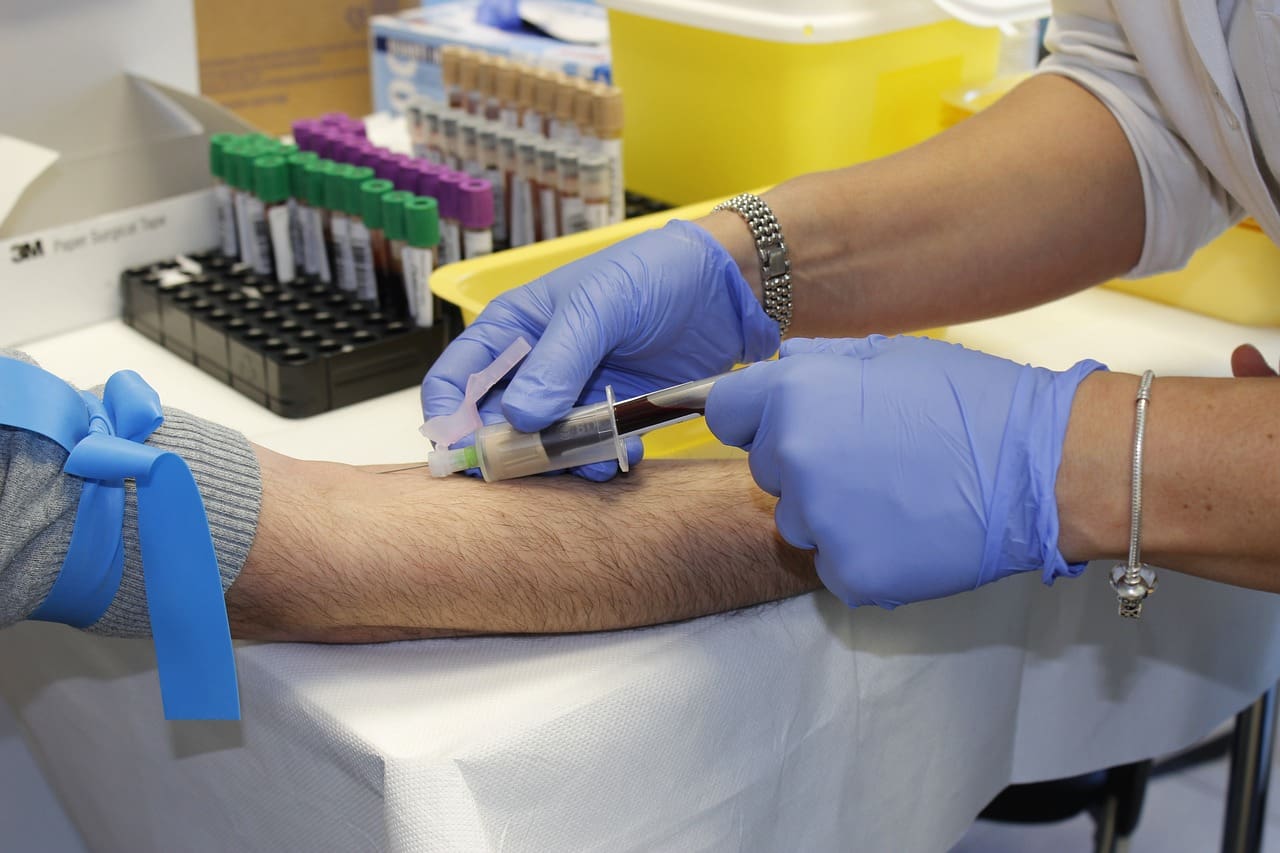
Monitoring cholesterol levels is an important part of cardiovascular health management. High cholesterol, particularly elevated LDL (bad) cholesterol, increases the risk of heart disease. Your doctor can order a blood test to measure your cholesterol levels, including LDL, HDL (good) cholesterol, and triglycerides. Based on the results, appropriate interventions can be implemented, such as lifestyle modifications or medication if needed. Regular cholesterol checks allow you to track your progress and make informed decisions regarding your cardiovascular health.
Evaluate Blood Sugar Levels
Monitoring blood sugar levels is essential for individuals at risk of metabolic syndrome and diabetes. Your healthcare provider may order blood tests, such as fasting glucose or hemoglobin A1c, to assess your blood sugar levels. Regular evaluation of blood sugar allows for the early detection of prediabetes or diabetes, enabling prompt interventions. By staying vigilant and monitoring your blood sugar, you can actively manage your metabolic health and reduce the risk of cardiovascular issues.
Assess Body Mass Index
Body mass index (BMI) is a measure of body fat based on your height and weight. It provides valuable information about your weight status and potential risk factors for metabolic syndrome and cardiovascular issues. Your healthcare provider can calculate your BMI during check-ups and help you interpret the results. If necessary, your healthcare provider can provide guidance on weight management strategies and refer you to additional resources. Regular assessments of your BMI assist in evaluating your overall health and identifying areas for improvement.
Stay Active and Exercise Regularly
Engage in Aerobic Exercises
Engaging in aerobic exercises is paramount for maintaining a healthy lifestyle and preventing age-related metabolic syndrome and cardiovascular issues. Aerobic exercises, such as brisk walking, jogging, swimming, or cycling, increase your heart rate and improve cardiovascular fitness. Aim for at least 150 minutes of moderate-intensity aerobic activity or 75 minutes of vigorous-intensity aerobic activity per week. By making aerobic exercises a regular part of your routine, you can boost your overall health and reduce the risk of metabolic and cardiovascular complications.
Incorporate Strength Training
Strength training exercises are crucial for maintaining muscle mass, increasing metabolism, and promoting overall physical strength. Include strength training exercises at least twice a week, targeting major muscle groups such as the arms, legs, back, chest, and core. You can use free weights, resistance bands, or bodyweight exercises to build strength. By incorporating strength training into your exercise routine, you can improve your overall fitness, support your bone health, and enhance your metabolism.
Participate in Flexibility Exercises
Flexibility exercises are often overlooked but play a vital role in maintaining joint mobility and preventing age-related injuries. Incorporate stretching exercises into your routine to improve flexibility and range of motion. This can include static stretches, yoga, or Pilates. Remember to warm up before stretching and perform exercises that target different muscle groups. By prioritizing flexibility exercises, you can enhance your overall physical well-being and reduce the risk of musculoskeletal issues.
Choose Activities You Enjoy
Staying active and exercising regularly becomes more sustainable when you choose activities that you enjoy. Find physical activities that bring you joy and fit your interests and preferences. It could be dancing, hiking, playing a sport, or even gardening. By selecting activities that are fun and enjoyable, you are more likely to stick with them in the long term, making exercise a regular part of your lifestyle.
Make Exercise a Habit
Consistency is key when it comes to maintaining an active lifestyle. Make exercise a habit by scheduling it into your daily routine and treating it as a non-negotiable commitment. Set realistic goals and celebrate milestones along the way to stay motivated. Find an accountability buddy or join a fitness class or group to stay committed and inspired. By making exercise a habit, you can reap the numerous physical and mental health benefits and prevent age-related metabolic syndrome and cardiovascular issues.
Seek Professional Guidance
Consult with a Healthcare Provider
Seeking professional guidance from a healthcare provider is crucial for maintaining your overall health and preventing age-related metabolic syndrome and cardiovascular issues. Your healthcare provider can assess your individual risk factors, offer personalized recommendations, and monitor your health status. Schedule regular check-ups and openly discuss any concerns or questions you may have. By collaborating with a healthcare provider, you can receive tailored guidance and proactively manage your health.
Work with a Registered Dietitian
A registered dietitian is a valuable resource for providing specialized nutrition guidance and support. They can help you develop a personalized dietary plan to manage weight, control blood sugar, lower cholesterol levels, and promote overall health. A registered dietitian will consider your unique needs, preferences, and goals to create a sustainable eating plan. By working with a registered dietitian, you can make informed choices about your diet and optimize your metabolic and cardiovascular health.
Engage a Certified Personal Trainer
For individuals seeking guidance and support in their fitness journey, partnering with a certified personal trainer can be highly beneficial. A personal trainer can create a tailored exercise program, ensure proper form and technique, and provide motivation and accountability. They can also modify exercises to accommodate any physical limitations or health concerns. By working with a certified personal trainer, you can safely and effectively reach your fitness goals while minimizing the risk of injury.
Receive Mental Health Support
Mental health plays a significant role in overall well-being, including metabolic and cardiovascular health. Seeking mental health support from a licensed therapist or counselor can help address stress, anxiety, depression, or any other mental health challenges that may impact your physical health. They can provide coping strategies, stress management techniques, and tools for maintaining emotional well-being. By addressing mental health concerns and seeking professional support, you can promote holistic health and reduce the risk of metabolic and cardiovascular issues.
Follow Medical Advice
Always follow medical advice and guidance provided by your healthcare provider. They are equipped with the knowledge and experience to assess your individual situation and recommend appropriate interventions. Whether it’s medication management, lifestyle modifications, or preventative measures, adhering to medical advice can significantly impact your health outcomes. Be proactive in discussing any concerns or questions, and work collaboratively with your healthcare provider to prioritize your metabolic and cardiovascular health.