
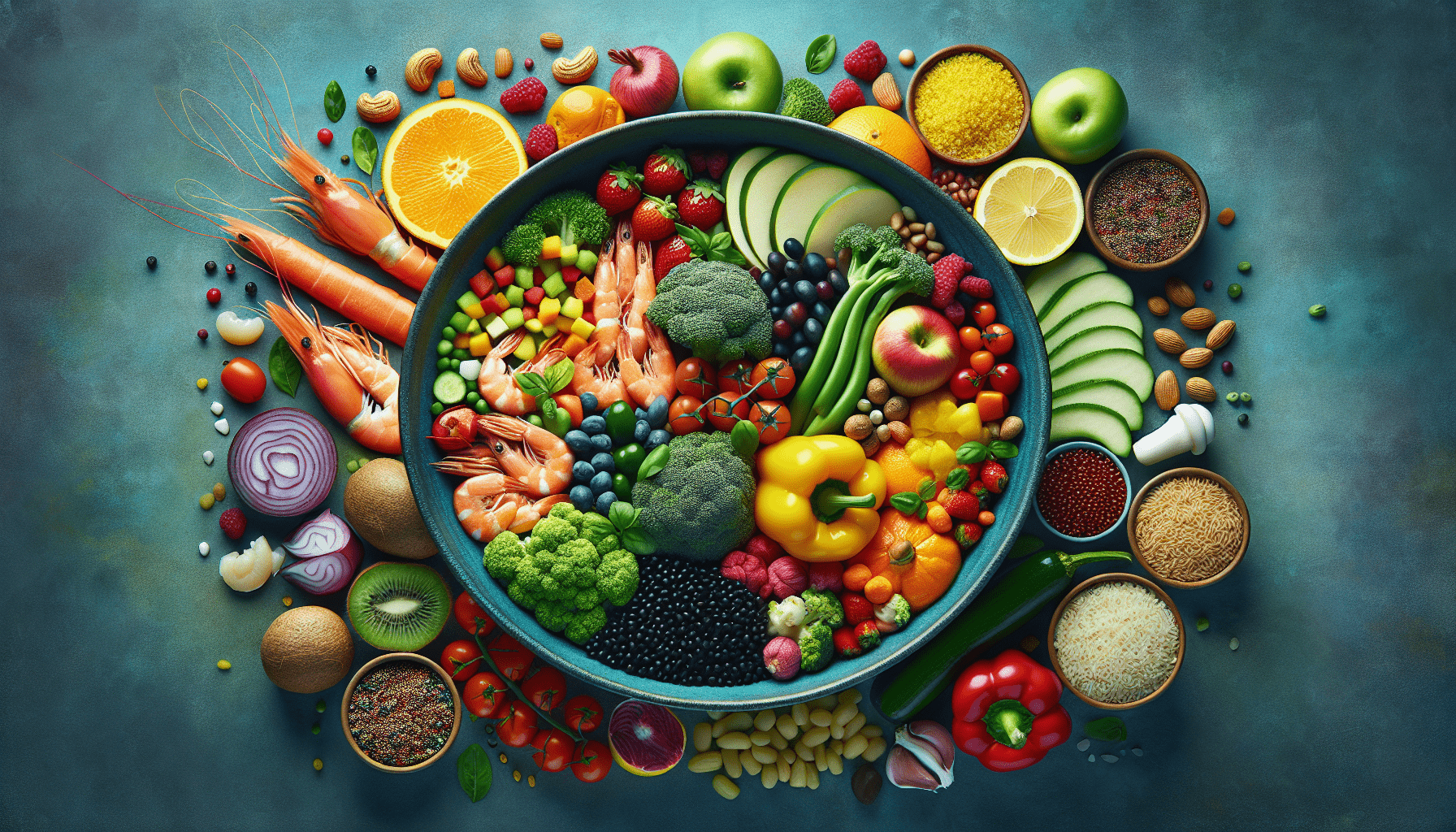
Longevity in Different Cultures: What We Can Learn” takes you on a fascinating journey around the globe, exploring the secrets of long life in various cultures. From the vibrant Okinawans in Japan who enjoy a high percentage of centenarians, to the inhabitants of the Greek island of Ikaria who seem to defy aging, this article uncovers the common factors that contribute to their prolonged lives. Discover the innovative practices, traditional diets, and strong community bonds that may hold the key to a longer and healthier life. So, put on your explorer’s hat and get ready to unlock the wisdom of different cultures that can revolutionize the way we think about aging.
Japanese Culture
Importance of a Balanced Diet
In Japanese culture, there is a strong emphasis on maintaining a balanced diet as a key component of a healthy lifestyle. The Japanese take pride in their traditional cuisine, which is known for its variety and nutritional value. Japanese meals typically consist of a combination of rice, fish, vegetables, and a small portion of meat or tofu. This balanced approach ensures that individuals receive a wide range of nutrients necessary for their overall well-being.
The Japanese also focus on portion control, often using smaller plates and bowls to help regulate the amount of food consumed. This mindful eating practice not only helps to prevent overeating, but it also encourages individuals to savor and enjoy each bite.
Regular Physical Activity
Regular physical activity is another vital aspect of Japanese culture that contributes to their longevity. The Japanese have incorporated physical activity into their daily routines, such as walking or cycling to work, taking the stairs instead of the elevator, and participating in group exercises like tai chi or traditional martial arts.
The Japanese also engage in activities that emphasize connecting with nature, such as gardening or hiking. These activities not only provide a form of exercise but also promote relaxation and mental well-being.
Community Support and Social Connections
Community support and social connections play a significant role in the Japanese culture and contribute to the overall health and longevity of its people. The strong emphasis on collective responsibility encourages individuals to take care of one another and provide support to those in need.
The concept of “moai” exemplifies this communal spirit, where groups of friends or neighbors support each other and share responsibility for their well-being. This close-knit community helps to reduce stress levels, foster a sense of belonging, and provide emotional support, all of which contribute to a healthier and longer life.
Mediterranean Culture
Emphasis on Fresh and Whole Foods
The Mediterranean diet is renowned for its emphasis on fresh and whole foods, which is considered essential for promoting good health and longevity. This dietary approach focuses on consuming abundant fruits, vegetables, legumes, whole grains, nuts, and seeds. These nutrient-dense foods provide a wide range of vitamins, minerals, and antioxidants that support overall well-being.
Healthy Fats and Oils
The Mediterranean diet also encourages the consumption of healthy fats in the form of olive oil, which is a staple in the Mediterranean region. Olive oil is rich in monounsaturated fats, which have been shown to have numerous health benefits, including reducing the risk of heart disease and improving cognitive function. This emphasis on healthy fats and oils contributes to the overall health and longevity of individuals following the Mediterranean diet.
Moderate Wine Consumption
Moderate wine consumption is another notable aspect of Mediterranean culture that is believed to have positive health effects. Red wine, in particular, contains resveratrol, a compound known for its antioxidant properties. Consuming wine in moderation, typically during meals, is thought to provide cardiovascular benefits and contribute to a longer and healthier life.
Okinawan Culture
Low-Calorie and Nutrient-Dense Diet
The Okinawan culture in Japan is known for its high number of centenarians, and their dietary habits play a significant role in this longevity. Okinawans follow a low-calorie and nutrient-dense diet, which includes a wide variety of fruits, vegetables, whole grains, and lean proteins. This dietary approach ensures that individuals receive essential vitamins and minerals while maintaining a calorie-controlled intake.
Practice of Hara Hachi Bu
Another unique aspect of the Okinawan culture is the practice of “hara hachi bu,” which means eating until you are 80% full. By adopting this mindful eating practice, Okinawans are able to prevent overeating and maintain a healthy body weight. This practice also allows them to fully enjoy their meals and helps to reduce the risk of chronic diseases associated with overconsumption.
Strong Family and Social Networks
Okinawans place a strong emphasis on family and social connections, which contributes to their overall well-being and longevity. Family support and intergenerational living are common in Okinawan culture, providing a sense of belonging and emotional support. The close-knit social networks and community ties in Okinawa create a strong support system that enhances both physical and mental health.
Indian Culture
Incorporation of Spices and Ayurvedic Herbs
Indian culture is renowned for its rich and flavorful cuisine, which typically incorporates a wide variety of spices and herbs. Many of these spices, such as turmeric, ginger, and garlic, have been studied for their potential health benefits, including anti-inflammatory and antioxidant properties.
The use of Ayurvedic herbs in traditional Indian medicine also contributes to the overall health and well-being of individuals. These herbs are believed to have medicinal properties that support the body’s natural healing process and promote longevity.
Plant-Based Diet
A significant aspect of Indian culture that contributes to longevity is the prevalence of a plant-based diet. Vegetables, legumes, whole grains, and fruits form the foundation of Indian meals, providing essential nutrients and fiber. This dietary approach is associated with a reduced risk of chronic diseases, such as heart disease and diabetes, which can contribute to a longer and healthier life.
Yoga and Meditation Practices
Yoga and meditation are integral parts of Indian culture and have gained worldwide recognition for their numerous health benefits. These practices promote physical strength, flexibility, and balance while also reducing stress and improving mental well-being. The combination of a plant-based diet and regular yoga and meditation practices contributes to the overall longevity and well-being of individuals in Indian culture.
Chinese Culture
Balancing Yin and Yang in Food
Chinese culture places great emphasis on balancing the yin and yang in food, aiming to achieve harmony within the body. This ancient philosophy involves choosing the right combination of foods that have cooling or warming properties to maintain a balanced state of health. By following this dietary principle, individuals can support their overall well-being and promote longevity.
Herbal Remedies and Traditional Chinese Medicine
Traditional Chinese medicine (TCM) has been practiced for thousands of years and continues to be an integral part of Chinese culture. TCM utilizes herbal remedies and treatments based on individual diagnoses to restore balance and promote healing. The use of herbal remedies in conjunction with a balanced diet and lifestyle contributes to the longevity and overall health of individuals in Chinese culture.
Tai Chi and Qigong Exercises
Tai Chi and Qigong are ancient Chinese practices that combine slow, flowing movements with deep breathing and meditation. These exercises promote balance, flexibility, and relaxation, and they have been associated with numerous health benefits. Regular practice of Tai Chi and Qigong contributes to physical well-being and mental clarity, supporting longevity in Chinese culture.
Greek Culture
Abundance of Fresh Fruits and Vegetables
Greek culture is known for its abundance of fresh fruits and vegetables, which form a significant part of their daily diet. The Mediterranean climate in Greece allows for a diverse range of produce, including olives, tomatoes, cucumbers, grapes, and citrus fruits. This high consumption of fruits and vegetables provides essential vitamins, minerals, and antioxidants that support overall health and longevity.
Plenty of Physical Activities
Physical activity is deeply ingrained in Greek culture, with outdoor activities and sports playing a significant role in daily life. Whether it’s swimming in the crystal-clear waters of the Mediterranean Sea, hiking through the picturesque landscapes, or participating in traditional dances, Greeks are passionate about staying active. This active lifestyle contributes to physical fitness, cardiovascular health, and overall longevity.
Strong Sense of Community
Greek culture places a strong emphasis on community and social connections. The concept of “philoxenia,” which means hospitality, generosity, and kindness towards others, is deeply ingrained in Greek society. This strong sense of community fosters mutual support, a sense of belonging, and emotional well-being, contributing to a longer and healthier life.
Costa Rican Culture
Simple and Unprocessed Foods
Costa Rican culture promotes a simple and unprocessed approach to food, which is a key factor in their longevity. Traditional Costa Rican meals often consist of freshly prepared dishes using locally sourced ingredients. These meals are typically free from additives, preservatives, and excessive amounts of sugar and salt, ensuring individuals receive nourishing and wholesome food.
Plant-Based Diet
Costa Rican cuisine is predominantly plant-based, with an emphasis on vegetables, legumes, and whole grains. This dietary approach provides a wide range of vitamins, minerals, and fiber necessary for optimal health. The plant-based nature of the Costa Rican diet is associated with a reduced risk of chronic diseases, such as heart disease and certain types of cancer, contributing to a longer and healthier life.
Sustainable Agriculture Practices
Costa Rican culture values sustainable agriculture practices, such as organic farming and permaculture. These methods prioritize environmental conservation and minimize the use of harmful pesticides and fertilizers. By relying on sustainable agriculture practices, Costa Ricans not only ensure the quality and nutritional value of their food but also contribute to the preservation of their natural resources for future generations.
Icelandic Culture
Clean and Pure Environment
Icelandic culture benefits from a clean and pure environment, which plays a significant role in the health and longevity of its people. The country’s remote location, minimal pollution, and strict environmental regulations contribute to the preservation of its pristine landscapes and natural resources. Breathing clean air and having access to unpolluted water sources positively impact the overall well-being of individuals in Icelandic culture.
Emphasis on Seafood and Lamb
Icelandic cuisine prominently features seafood and lamb, which are essential sources of protein and healthy fats. The cold waters surrounding Iceland provide an abundance of high-quality fish, such as salmon and cod, rich in omega-3 fatty acids and other beneficial nutrients. Additionally, Icelandic lamb is known for its lean meat and distinct flavor, making it a popular choice for protein in the Icelandic diet.
Hot Springs and Geothermal Baths
Iceland is renowned for its geothermal activity, and hot springs and geothermal baths have become an integral part of Icelandic culture. The natural hot springs and heated pools not only offer relaxation and stress relief but also provide various health benefits. Regular visits to hot springs and geothermal baths promote blood circulation, soothe muscle soreness, and improve overall well-being, contributing to the longevity of individuals in Icelandic culture.
African Culture
Cultivating a Sense of Purpose and Meaning
African culture places a strong emphasis on cultivating a sense of purpose and meaning in life. This cultural belief contributes to the overall health and longevity of individuals. Having a strong sense of purpose motivates individuals to maintain positive lifestyles, make healthier choices, and prioritize their overall well-being.
Traditional Healing Practices
Traditional healing practices, passed down through generations, are an integral part of African culture and contribute to the longevity of its people. These practices, often rooted in herbal medicine and spiritual healing rituals, support individuals’ physical, mental, and emotional well-being. Traditional healers play a crucial role in African communities, providing holistic care and guidance to promote longevity and overall health.
Strong Cultural Identity
A strong cultural identity and connection to ancestral traditions contribute to the overall health and longevity of individuals in African culture. This sense of identity fosters a sense of belonging, pride, and mental well-being. The preservation of cultural practices and customs, including music, dance, and storytelling, creates a rich and vibrant community that supports individuals’ overall sense of well-being and longevity.
Native American Culture
Connection to Nature and Traditional Foods
Native American culture is deeply rooted in a connection to nature and a respect for the land. Native Americans have a deep understanding of the healing properties of various plants, herbs, and traditional foods. The use of native plants as a source of nutrition and medicine contributes to the overall health and well-being of individuals in Native American culture.
Spiritual and Ceremonial Practices
Spiritual and ceremonial practices are integral to Native American culture and contribute to the overall well-being and longevity of its people. These practices promote spiritual growth, emotional healing, and connection to the community and nature. Native American ceremonies often involve music, dance, storytelling, and communal feasting, creating a sense of unity and belonging that supports longevity.
Close-Knit Tribal Communities
Close-knit tribal communities in Native American culture provide a strong support system that contributes to the overall well-being and longevity of individuals. These communities foster a sense of belonging, social cohesion, and emotional support. The collective responsibility and mutual care within tribal communities contribute to reducing stress levels and promoting overall health and longevity.
In conclusion, various cultures around the world offer valuable insights into promoting longevity and overall well-being. Each culture’s emphasis on dietary patterns, physical activity, social connections, and cultural practices can provide valuable lessons for individuals seeking to lead healthier and longer lives. By incorporating these aspects into our own lives, we can take inspiration from global cultures and take steps towards a healthier future.