Living with asthma can be challenging, but with the right strategies and practices, you can effectively manage your symptoms and prevent asthma attacks. In this article, we will explore the best practices for controlling asthma symptoms, including lifestyle changes, medication management, and avoiding triggers. By implementing these strategies, you can regain control over your asthma and live a healthier, more fulfilling life.
Understanding Asthma
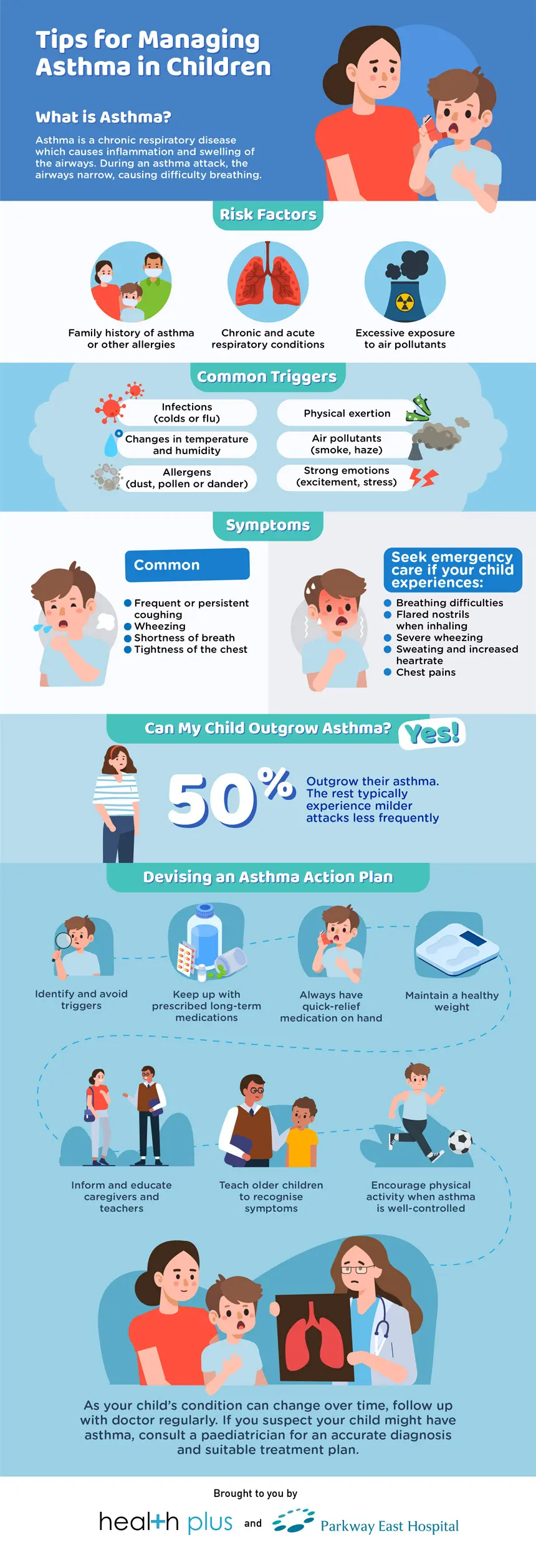
Asthma is a chronic respiratory condition that affects millions of people worldwide. It is characterized by inflammation and narrowing of the airways, leading to symptoms such as coughing, wheezing, shortness of breath, and chest tightness. While asthma cannot be cured, it can be effectively managed to minimize symptoms and improve overall quality of life.
What is Asthma?
Asthma is a chronic lung disease that causes inflammation and tightening of the airways. This inflammation makes the airways overly sensitive to certain triggers, resulting in symptoms such as coughing, wheezing, shortness of breath, and chest tightness.
Causes of Asthma
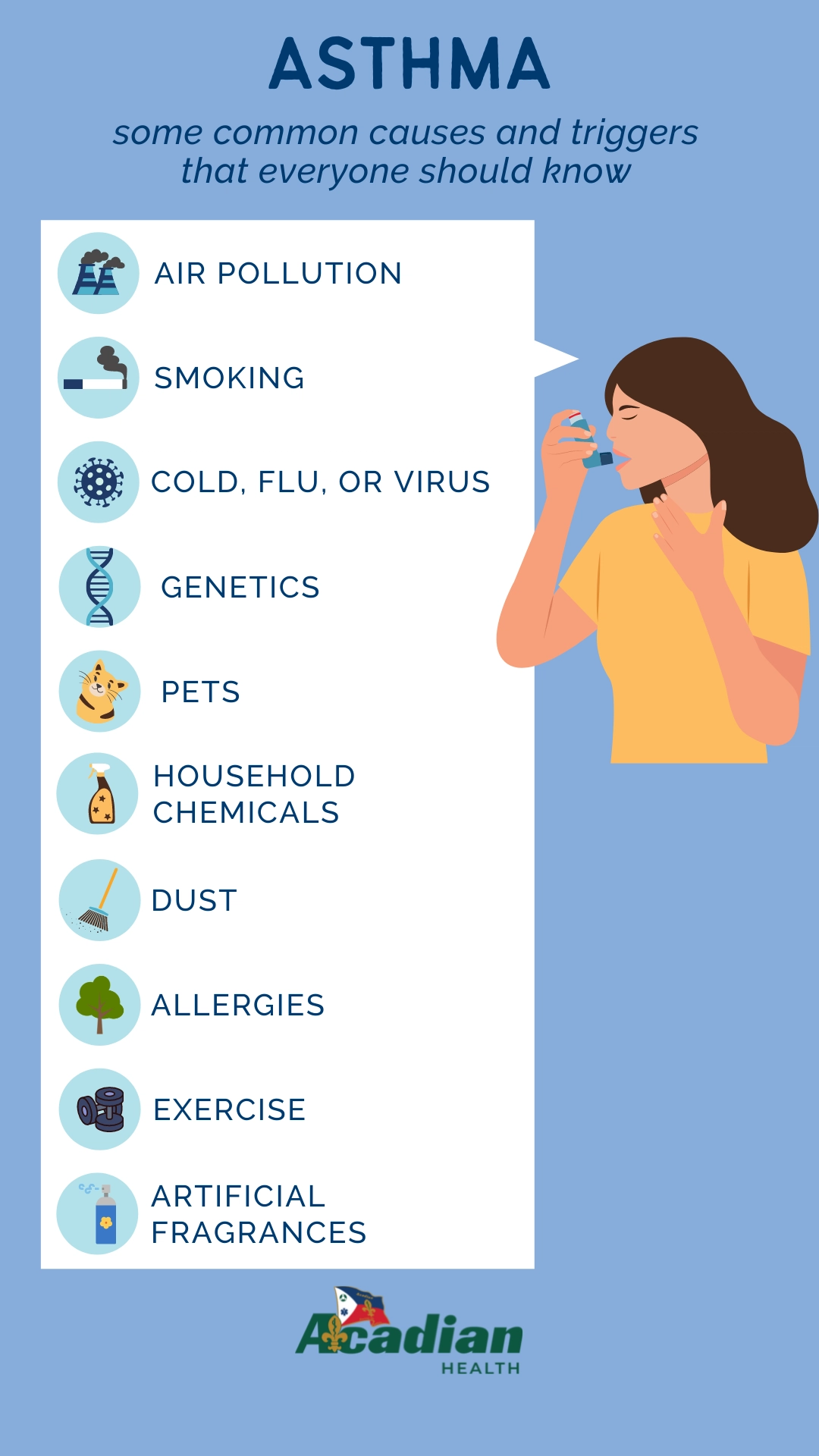
The exact cause of asthma is not yet fully understood, but it is believed to be a combination of genetic and environmental factors. People with a family history of asthma or allergies are more likely to develop the condition. Additionally, exposure to certain allergens and irritants, such as dust mites, pollen, pet dander, smoke, and pollution, can trigger asthma symptoms.
Types of Asthma
There are several types of asthma, classified based on different factors. The most common types include:
- Allergic Asthma: Triggered by exposure to allergens such as pollen, dust mites, or pet dander.
- Exercise-Induced Asthma: Triggered by physical activity or exercise.
- Occupational Asthma: Triggered by exposure to specific substances in the workplace, such as chemicals, dust, or fumes.
- Nocturnal Asthma: Symptoms worsen during the night, interrupting sleep.
- Seasonal Asthma: Symptoms occur only during certain seasons, often due to allergies.
Common Asthma Symptoms
It is crucial to recognize the common symptoms of asthma to seek appropriate medical care and manage the condition effectively.
Shortness of Breath
Shortness of breath is a common symptom experienced by individuals with asthma. It may feel like you cannot take a deep breath or are not getting enough air. It can occur during physical activity or even at rest, depending on the severity of your asthma.
Coughing
A persistent, dry or mucus-producing cough is another characteristic symptom of asthma. The cough may worsen at night or early in the morning, making it harder to sleep.
Wheezing
Wheezing is a high-pitched, whistling sound that occurs when you breathe out. It is caused by the narrowing of the airways due to inflammation and can be a telltale sign of asthma.
Chest Tightness
Many people with asthma experience a feeling of tightness or discomfort in their chest. This sensation can range from mild to severe and may be accompanied by difficulty breathing.
Diagnosing Asthma
If you suspect you have asthma based on your symptoms, it is important to undergo proper diagnosis by a healthcare professional. The following methods are commonly used to diagnose asthma:
Medical History and Physical Examination
Your healthcare provider will ask about your symptoms, medical history, and any triggers that worsen your symptoms. They will also listen to your lungs with a stethoscope to check for any abnormal sounds like wheezing.
Lung Function Tests
Lung function tests measure how well your lungs are working and can help diagnose and monitor asthma. The most common lung function test for asthma is called spirometry. This test measures the amount of air you can forcefully exhale in one breath and how quickly you can do it.
Allergy Testing
Allergy testing may be recommended to determine if allergies contribute to your asthma symptoms. This can be done through skin prick tests or blood tests to identify specific allergens that trigger your asthma.
Creating an Asthma Action Plan
An asthma action plan is a written document that outlines the steps to manage your asthma effectively. It is created in collaboration with your healthcare professional and tailored to your specific needs. Here are the key components of an asthma action plan:
Working with Healthcare Professionals
Collaborating with your healthcare team is crucial for creating an effective asthma action plan. They will assess your symptoms, prescribe appropriate medications, and provide guidance on managing your asthma.
Identifying Triggers
Identifying and avoiding triggers is essential in managing asthma. Your healthcare provider can help you identify common triggers and provide advice on ways to minimize exposure to them.
Recognizing Early Signs of an Attack
Learning to recognize the early signs of an asthma attack is vital for prompt intervention. These signs may include increased coughing, wheezing, shortness of breath, or changes in peak flow measurements.
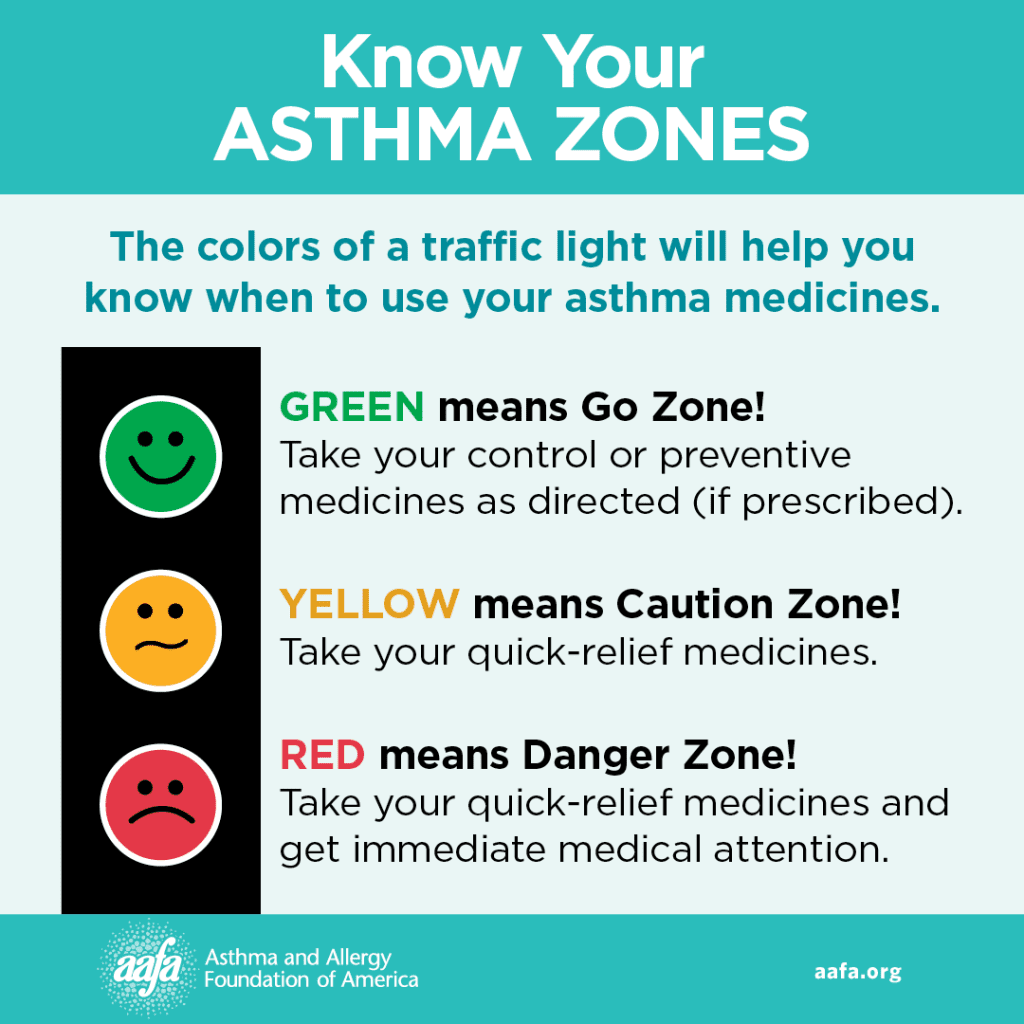
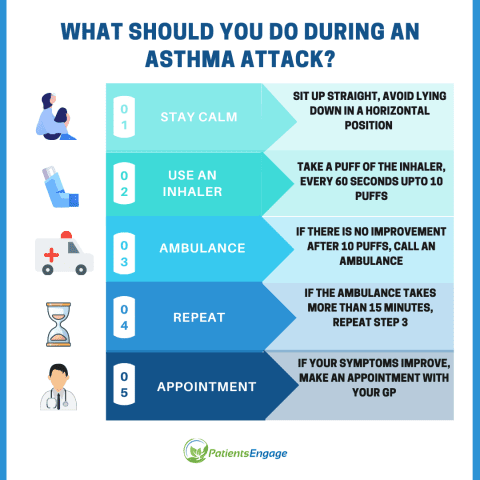
Knowing When to Seek Emergency Care
Understanding when to seek emergency care is crucial to prevent severe asthma attacks. Your asthma action plan should outline clear instructions on when to call your healthcare provider or go to the emergency room.
Asthma Medications
Asthma medications play a vital role in managing and controlling asthma symptoms. They can help reduce inflammation, open up the airways, and prevent or relieve symptoms. There are various types of medications used to treat asthma, including:
Short-Acting Bronchodilators
Also known as rescue inhalers, short-acting bronchodilators provide quick relief during an asthma attack. They work by relaxing the muscles surrounding the airways, allowing them to open up and relieve symptoms.
Long-Acting Bronchodilators
Long-acting bronchodilators are used to provide long-term control of asthma symptoms. They are typically used in combination with inhaled corticosteroids and are not designed for immediate relief during an asthma attack.
Inhaled Corticosteroids
Inhaled corticosteroids are the most effective long-term controller medications for asthma. They reduce airway inflammation, making them an essential part of asthma management.
Combination Inhalers
Combination inhalers contain both a long-acting bronchodilator and an inhaled corticosteroid. They are used for long-term control of asthma symptoms and reducing inflammation.
Using Asthma Inhalers Correctly
Using asthma inhalers correctly is crucial to ensure the effective delivery of medication to the airways. Proper inhaler technique includes the following steps:
Proper Inhaler Technique
- Shake the inhaler before each use.
- Breathe out fully to empty your lungs.
- Hold the inhaler with the mouthpiece towards your mouth.
- Place the inhaler mouthpiece in your mouth, making a tight seal with your lips.
- Breathe in deeply while pressing down on the inhaler to release the medication.
- Hold your breath for a few seconds to allow the medication to reach your airways.
- Slowly breathe out.
Cleaning and Maintenance of Inhalers
Regular cleaning and maintenance of inhalers are essential to ensure their proper functioning. Follow the manufacturer’s instructions on cleaning the inhaler and storing it properly.
Spacers and Holding Chambers
Spacers and holding chambers are devices that can be used with inhalers to improve the delivery of medication to the lungs. They help ensure that the medication reaches the airways effectively, especially for individuals who have difficulty coordinating their breath with inhaler use.
Preventing Asthma Triggers
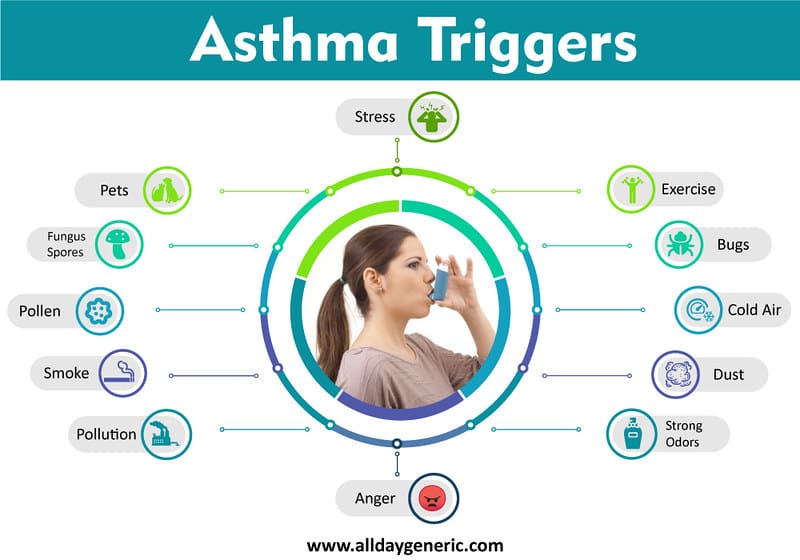
Preventing exposure to asthma triggers is an important part of managing and controlling asthma symptoms. Here are some strategies to help prevent asthma triggers:
Maintaining a Clean Indoor Environment
Keeping your indoor environment clean can help reduce exposure to dust mites, pet dander, mold, and other allergens. Regularly vacuuming, washing bedding in hot water, and using allergen-proof covers can make a significant difference.
Avoiding Outdoor Triggers
Outdoor triggers such as pollen, air pollution, and strong scents can worsen asthma symptoms. It is important to check pollen forecasts, limit outdoor activities during peak pollen times, and avoid areas with poor air quality.
Allergen-Proof Bedding and Covers
Using allergen-proof bedding, mattress covers, and pillow covers can create a barrier against dust mites and other allergens that can trigger asthma symptoms while you sleep.
Managing Stress
Stress can worsen asthma symptoms, so finding healthy ways to manage stress is important. Engaging in relaxation techniques, such as deep breathing exercises, yoga, or meditation, can help reduce stress levels and improve asthma control.
Maintaining a Healthy Lifestyle
Certain lifestyle changes can contribute to better asthma management and overall health. Consider the following tips:
Regular Exercise and Physical Activity
Regular exercise and physical activity are beneficial for individuals with asthma. It helps improve lung function, strengthen respiratory muscles, and enhance overall fitness. However, it is important to consult with your healthcare provider to determine the most appropriate activities and any necessary precautions.
Healthy Diet for Asthma Management
Eating a balanced diet rich in fruits, vegetables, whole grains, and lean proteins can help support lung health and overall well-being. Certain foods, such as those high in antioxidants and omega-3 fatty acids, may provide additional benefits for individuals with asthma.
Quitting Smoking and Avoiding Secondhand Smoke
Smoking and secondhand smoke can significantly worsen asthma symptoms and increase the risk of complications. If you smoke, quitting is the best thing you can do for your respiratory health. Additionally, avoiding environments where smoking is present is crucial to minimize exposure to secondhand smoke.
Monitoring Asthma
Regular monitoring of asthma symptoms and lung function is essential to assess asthma control and make necessary adjustments to the treatment plan. Here are some ways to monitor asthma effectively:
Tracking Symptoms and Peak Flow Measurements
Keeping track of your symptoms and monitoring your peak flow measurements can provide valuable information about your asthma control. Note down any changes in symptoms, frequency of medication use, or any triggers that worsen your symptoms.
Using Peak Flow Meters
A peak flow meter is a handheld device used to measure how well you can breathe out air. Regularly measuring your peak flow readings can help assess your lung function and detect any changes or declines in asthma control.
Recognizing When Asthma Control is Slipping
It is important to be aware of signs that your asthma may be worsening despite following your treatment plan. Increased symptoms, decreased peak flow measurements, or the need for increased rescue medication may indicate that your asthma control is slipping. In such cases, it is important to contact your healthcare provider to discuss possible adjustments to your treatment plan.
Working with Healthcare Professionals
Establishing a strong partnership with your healthcare professionals is key to successfully managing asthma. Regular check-ups and evaluations, open communication, and keeping an asthma diary are important aspects of this collaboration.
Regular Check-ups and Evaluations
Scheduling regular check-ups with your healthcare provider is essential to assess your asthma control, adjust your treatment plan if needed, and address any concerns or questions you may have. These check-ups may include lung function tests and discussions on symptom management.
Communication and Collaboration
Effective communication with your healthcare provider is crucial in managing asthma. Be sure to inform them about any changes in your symptoms, triggers, or medication use. Ask questions, express any concerns, and actively participate in discussions about your treatment plan.
Keeping an Asthma Diary
Keeping an asthma diary can provide valuable insights into your asthma patterns and triggers. Note down your symptoms, medication use, peak flow readings, and any potential triggers. This information can help you and your healthcare provider identify patterns, make treatment adjustments, and improve asthma management.
In conclusion, understanding asthma and implementing these best practices can greatly improve asthma control, minimize symptoms, and reduce the risk of asthma attacks. By working closely with healthcare professionals, actively managing triggers, using medications correctly, and maintaining a healthy lifestyle, individuals with asthma can lead fulfilling and symptom-free lives. Remember, you are not alone in managing asthma, and with proper care and support, you can effectively control your symptoms and prevent attacks.