
Welcome to the article on managing chronic illness in a disaster shelter. In times of emergency, it can be challenging to navigate the effects of chronic illnesses while in a temporary shelter. This article will provide you with helpful tips and strategies to ensure that you can properly manage your health condition while staying safe and secure in a disaster shelter. From medication management to communication with shelter staff, we have you covered. Let’s dive in and explore how you can take care of yourself and your chronic illness during uncertain times. Have you ever wondered how to manage your chronic illness in a disaster shelter? Whether you are dealing with diabetes, asthma, heart disease, or any other chronic condition, it’s essential to have a plan in place in case of an emergency. In this article, we will explore some strategies to help you effectively manage your chronic illness while in a disaster shelter. From medication management to communication with healthcare providers, we’ve got you covered. Let’s dive in!
Preparing for an Emergency
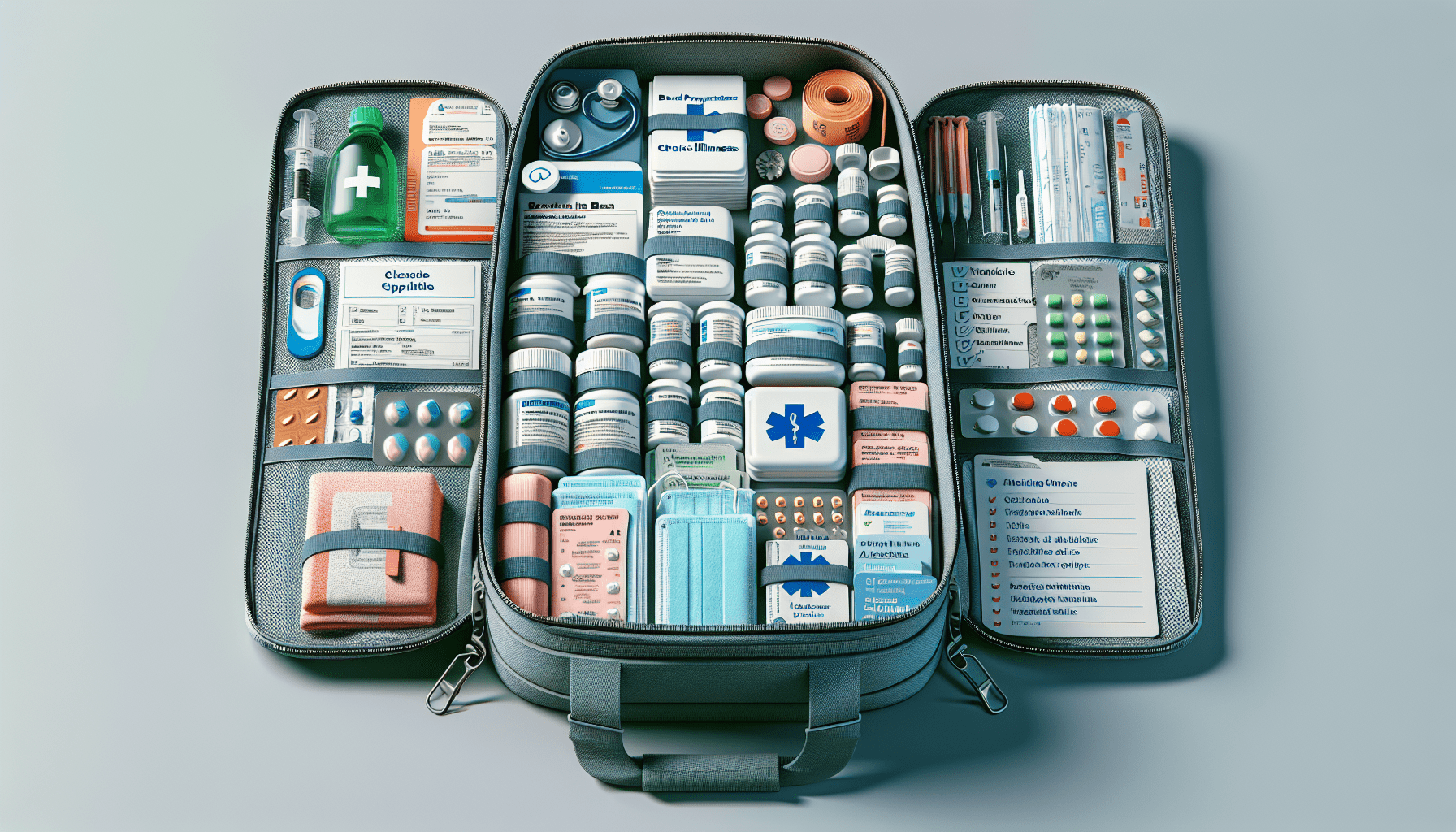
When disaster strikes, it’s crucial to be prepared. As someone with a chronic illness, you have unique needs that must be addressed in your emergency preparedness plan. Make sure to have a “go bag” ready with essential items such as medications, medical supplies, insurance cards, identification, and important documents. Additionally, consider creating a medical information card that includes details about your condition, allergies, medications, and contact information for your healthcare team.
Creating a “Go Bag”
A “go bag” is a must-have item for anyone with a chronic illness in case of an emergency. This bag should contain all the essential items you will need to manage your condition in a disaster shelter. Here are some items to include in your “go bag”:
- Medications: Pack at least a seven-day supply of all your medications, including insulin, inhalers, blood pressure medications, and any other essential drugs.
- Medical supplies: Include items such as blood glucose meters, test strips, syringes, lancets, and any other supplies you may need to monitor your condition.
- Insurance cards and identification: Make sure to have copies of your insurance cards, photo ID, and any other relevant documents in case you need medical care.
- Emergency contact information: Write down the names and phone numbers of your healthcare providers, family members, and friends who should be contacted in case of an emergency.
Developing a Communication Plan
Communication is key in managing chronic illness in a disaster shelter. Make sure to inform the shelter staff about your condition and any specific needs you may have. Additionally, stay in touch with your healthcare team to update them on your situation and get guidance on managing your illness in a shelter setting. Consider creating a communication plan that includes contact information for your healthcare providers, family members, and friends who can assist you during an emergency.
Managing Medications
One of the most critical aspects of managing a chronic illness in a disaster shelter is medication management. The disruption caused by a disaster can make it challenging to access medications and adhere to your treatment plan. However, there are steps you can take to ensure you have an adequate supply of medications and stay on track with your treatment regimen.
Stockpiling Medications
In preparation for a disaster, consider stockpiling medications to ensure you have an ample supply on hand. Work with your healthcare provider to obtain extra prescriptions that you can keep in your “go bag” or emergency kit. Additionally, explore options for mail-order pharmacy services that can deliver medications to you in case of an emergency.
Organizing Medications
Keeping your medications organized is crucial when managing a chronic illness in a disaster shelter. Use pill organizers or medication reminder apps to stay on track with your dosing schedule. Label your medications with clear instructions and store them in a waterproof container to protect them from damage.
Establishing a Routine
Maintaining a medication routine can be challenging in a chaotic environment like a disaster shelter. Establish a schedule for taking your medications and stick to it as closely as possible. Set reminders on your phone or watch to help you remember when it’s time to take your medications. If you have trouble managing your medications on your own, ask for assistance from shelter staff or fellow shelter residents.
Monitoring Your Condition
Monitoring your condition is essential for managing a chronic illness in a disaster shelter. Keep track of vital signs, symptoms, and other indicators that can help you assess your health status. Regular monitoring can help you detect any changes in your condition early and seek medical attention promptly if needed.
Checking Blood Glucose Levels
If you have diabetes, monitoring your blood glucose levels is crucial for managing your condition in a disaster shelter. Make sure to have a blood glucose meter, test strips, and lancets in your “go bag” to check your blood sugar regularly. Keep a log of your readings and share the information with shelter staff or healthcare providers as needed.
Tracking Blood Pressure
Individuals with heart disease or hypertension should monitor their blood pressure regularly in a disaster shelter. Invest in a portable blood pressure monitor that you can use to check your readings at home. Record your blood pressure readings in a log and report any significant changes to your healthcare team.
Monitoring Symptoms
Pay attention to any new or worsening symptoms that may indicate a flare-up of your chronic illness. Common symptoms to watch for include shortness of breath, chest pain, dizziness, nausea, or weakness. Keep a symptom journal to track your symptoms over time and share the information with your healthcare providers for proper evaluation and treatment.
Seeking Medical Care
In the event of a medical emergency or significant deterioration of your condition in a disaster shelter, seek medical care promptly. The shelter staff can assist you in contacting emergency services or arranging transportation to a healthcare facility. Be proactive in advocating for your health needs and do not hesitate to ask for help when needed.
Contacting Healthcare Providers
If you require medical attention while in a disaster shelter, contact your healthcare providers for guidance. Use the communication plan you established earlier to reach out to your doctors, nurses, or other members of your healthcare team. Inform them of your current situation, symptoms, and any changes in your condition that may require intervention.
Requesting Medication Refills
If you run out of medications or need refills while in a disaster shelter, request assistance from the shelter staff or your healthcare providers. Provide them with the details of the medications you need, including dosages and frequencies. The staff can work with local pharmacies or emergency services to fill your prescriptions and ensure you have the medications you require to manage your chronic illness.
Utilizing Telehealth Services
In some cases, telehealth services may be available to provide virtual consultations with healthcare providers while in a disaster shelter. Take advantage of telemedicine options to discuss your symptoms, receive medical advice, or request prescriptions for medications. Telehealth can be a valuable resource for individuals with chronic illnesses who require ongoing medical care during emergencies.
Mental Health Support
Managing a chronic illness in a disaster shelter can take a toll on your mental health. The stress and uncertainty of an emergency situation can exacerbate symptoms and impact your overall well-being. It’s essential to prioritize your mental health and seek support from counseling services, support groups, or mental health professionals.
Participating in Support Groups
Joining a support group for individuals with chronic illnesses can provide a sense of community and connection during challenging times. Share your experiences, concerns, and coping strategies with others who understand what you are going through. Support groups can offer emotional support, practical advice, and a safe space to express your feelings.
Accessing Counseling Services
If you are struggling with anxiety, depression, or other mental health challenges in a disaster shelter, consider seeking counseling services. Many shelters offer mental health support through trained counselors, social workers, or psychologists. Take advantage of these resources to address your mental health needs and develop coping strategies to manage stress and anxiety effectively.
Conclusion
Managing a chronic illness in a disaster shelter presents unique challenges that require careful planning and preparation. By creating a comprehensive emergency preparedness plan, organizing your medications, monitoring your condition, seeking medical care when needed, and prioritizing your mental health, you can effectively manage your chronic illness during emergencies. Remember to communicate with shelter staff, healthcare providers, and support resources to ensure you receive the care and support you need to stay healthy and safe in a disaster situation. Stay informed, stay proactive, and take care of yourself – you’ve got this!