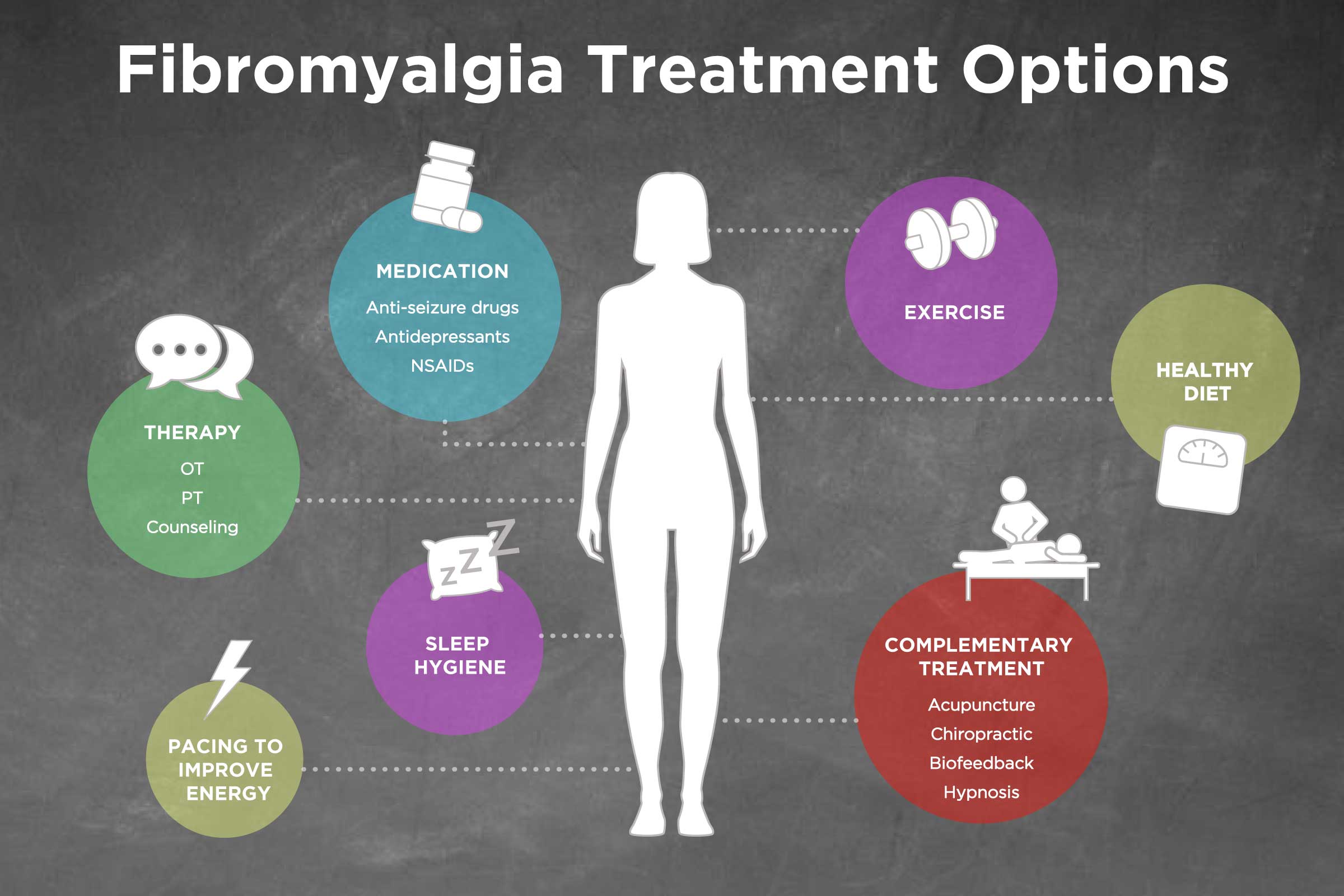
Living with fibromyalgia can be challenging, but incorporating exercise and relaxation techniques into your daily routine can provide much-needed pain relief. In this article, we will explore the importance of physical activity in managing fibromyalgia symptoms, as well as various relaxation techniques that can help reduce pain and promote overall well-being. From gentle stretching exercises to meditation practices, discover the simple yet effective ways to manage fibromyalgia and improve your quality of life. Living with fibromyalgia can be a daily challenge, but incorporating exercise and relaxation techniques into your routine can provide significant relief from pain and improve your quality of life. In this article, we will explore the benefits of exercise and relaxation for fibromyalgia, different types of exercises that are beneficial, tips for exercising with fibromyalgia, relaxation techniques for pain relief, how to incorporate exercise and relaxation into your daily routine, the importance of working with a healthcare professional, and supportive lifestyle changes that can complement your efforts. We will also discuss the challenges and obstacles you may face and when seeking professional help might be necessary.
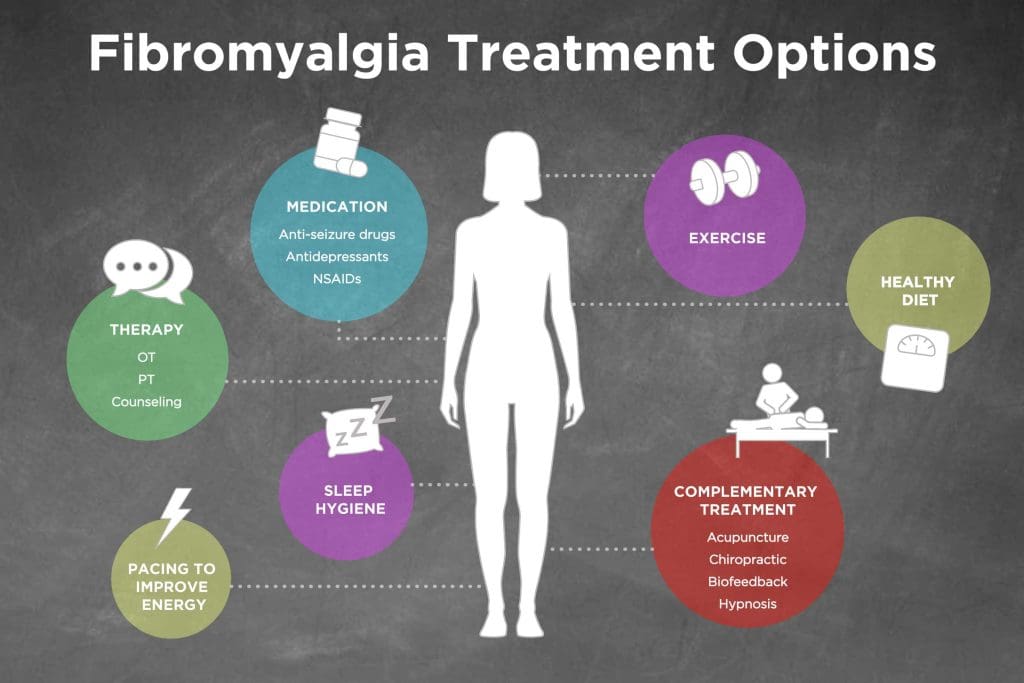
Benefits of Exercise for Fibromyalgia
Improved Pain Management
Exercise has been shown to be highly effective in managing pain associated with fibromyalgia. Regular physical activity helps to increase the production of endorphins, which are natural pain-relieving chemicals in the body. These endorphins not only reduce pain but also enhance your mood, giving you a sense of well-being. By engaging in exercise, you can experience a decrease in the intensity and frequency of fibromyalgia-related pain.
Increased Energy Levels
One of the most common symptoms of fibromyalgia is persistent fatigue and low energy levels. It may seem counterintuitive, but regular exercise can actually increase your energy levels and combat fatigue. When you engage in physical activity, your body becomes more efficient at using oxygen and nutrients, resulting in improved energy production. Exercise also releases feel-good hormones that can boost your energy levels and overall vitality.
Stress Reduction
Living with fibromyalgia often brings a significant amount of stress, which can exacerbate pain symptoms. Engaging in regular exercise can help to reduce stress and promote relaxation. Physical activity releases endorphins that act as natural stress relievers, reducing anxiety and enhancing your mood. Additionally, exercise provides a healthy outlet for pent-up emotions and helps to clear your mind, allowing you to better cope with the challenges of fibromyalgia.
Improved Sleep Quality
Many individuals with fibromyalgia struggle with sleep disturbances, making it difficult to get a restful night’s sleep. Exercise has been shown to improve sleep quality by positively affecting the sleep-wake cycle and promoting relaxation. Regular physical activity can help regulate your sleep patterns, making it easier to fall asleep, stay asleep, and achieve a deeper, more restorative sleep. By incorporating exercise into your routine, you may find relief from insomnia and wake up feeling more refreshed.
Types of Exercises for Fibromyalgia Relief
Aerobic Exercises
Aerobic exercises, also known as cardiovascular exercises, are highly beneficial for fibromyalgia relief. These exercises involve repetitive and rhythmic movements that increase your heart rate and work your large muscle groups. Examples of aerobic exercises that are gentle on the joints and muscles include walking, swimming, cycling, and water aerobics. Aerobic exercises help to improve cardiovascular health, increase stamina, and reduce pain and stiffness associated with fibromyalgia.
Strength Training
Strength training, also known as resistance training or weightlifting, involves using weights, resistance bands, or your body weight to build and strengthen your muscles. Many individuals with fibromyalgia may be concerned that strength training will exacerbate their symptoms, but it can actually provide significant benefits. Building muscle strength helps support your joints and improves your overall functional ability. Start with light weights and gradually increase the intensity as your muscles become stronger.
Flexibility Exercises
Flexibility exercises, such as stretching, can help improve joint range of motion and relieve muscle tension caused by fibromyalgia. Incorporating stretching exercises into your routine can help alleviate stiffness and improve your overall flexibility. Yoga, Pilates, and tai chi are excellent forms of exercise that combine flexibility training with relaxation techniques, offering a holistic approach to managing fibromyalgia symptoms.
Tips for Exercising with Fibromyalgia
Start Slow and Gradually Increase Intensity
It is essential to start your exercise routine slowly and gradually increase the intensity over time. Begin with low-impact exercises that are gentle on your joints and muscles, such as walking or swimming. As your fitness level improves, you can gradually introduce more challenging exercises. By starting slowly, you decrease the risk of triggering a fibromyalgia flare-up and allow your body to adjust to the increased physical activity.
Listen to Your Body’s Signals
When exercising with fibromyalgia, it is crucial to listen to your body’s signals and adjust accordingly. Pay attention to any pain or discomfort that may arise during or after exercise. If you experience excessive pain or fatigue, modify your routine to reduce the intensity or duration of the exercise. Remember that everyone’s tolerance level is different, and you should honor your body’s limits.
Set Realistic Goals
Setting realistic goals is key to maintaining a consistent exercise routine. It’s essential to start with achievable goals, such as exercising for 10 minutes a day, and gradually increase the duration and intensity as your fitness improves. Setting small, attainable goals allows you to track your progress and build confidence in your ability to manage fibromyalgia symptoms through exercise.
Use Proper Form and Technique
Proper form and technique are crucial in preventing injuries and getting the most out of your exercise routine. If you are unsure about how to perform a particular exercise, consider working with a qualified fitness professional who has experience working with individuals with fibromyalgia. They can guide you on correct postures, movements, and modifications to ensure that you exercise safely and effectively.
Relaxation Techniques for Fibromyalgia Relief
Deep Breathing Exercises
Deep breathing exercises are simple yet effective techniques for promoting relaxation and reducing stress. Deep breathing involves taking slow, deep breaths, focusing on filling up your lungs and then slowly exhaling. This technique helps activate the body’s natural relaxation response, reducing muscle tension and calming the mind. Incorporating deep breathing exercises into your daily routine can help alleviate fibromyalgia-related pain and promote a sense of calmness.
Progressive Muscle Relaxation
Progressive muscle relaxation (PMR) is a technique that involves systematically tensing and then releasing different muscle groups in your body. By tensing and relaxing each muscle group, you can release built-up tension and induce a state of deep relaxation. PMR is especially beneficial for fibromyalgia sufferers who experience muscle stiffness and tension. Regular practice of PMR can help reduce muscle pain, promote better sleep, and improve overall well-being.
Meditation and Mindfulness
Meditation and mindfulness techniques are powerful tools for managing fibromyalgia symptoms. These practices involve focusing your attention and being present in the current moment. Meditation can help calm an overactive mind, reduce stress, and alleviate fibromyalgia pain. Mindfulness, on the other hand, involves being aware of your thoughts, feelings, and bodily sensations without judgment. Regular meditation and mindfulness practice can enhance your ability to cope with fibromyalgia and improve your overall mental well-being.
Yoga and Tai Chi
Yoga and tai chi are ancient practices that combine physical movements, breathing techniques, and meditation. Both disciplines promote relaxation, flexibility, and a mind-body connection. Yoga and tai chi are gentle on the joints and muscles, making them ideal exercises for individuals with fibromyalgia. Regular practice of yoga and tai chi can improve muscle strength and flexibility, alleviate pain, and enhance overall physical and mental well-being.

Benefits of Relaxation Techniques for Fibromyalgia
Reduced Muscle Tension
Relaxation techniques, such as deep breathing, progressive muscle relaxation, and yoga, help reduce muscle tension commonly associated with fibromyalgia. By practicing these techniques regularly, you can release muscle tightness and relieve stiffness, leading to decreased pain and increased mobility.
Improved Mood and Mental Well-Being
Living with fibromyalgia can take a toll on your mental well-being, often leading to feelings of depression and anxiety. Relaxation techniques, including meditation, mindfulness, and yoga, have been shown to improve mood and reduce symptoms of depression and anxiety. By incorporating these techniques into your daily routine, you can experience a greater sense of calmness, improved mental clarity, and enhanced emotional well-being.
Better Pain Management
Relaxation techniques provide effective pain management strategies for individuals with fibromyalgia. By reducing stress and promoting relaxation, these techniques can help alleviate both physical and emotional pain. Regular practice of relaxation techniques can lead to a decrease in the frequency and intensity of fibromyalgia-related pain, empowering you to take control of your symptoms.
Enhanced Sleep Quality
Sleep disturbances are a common challenge for individuals with fibromyalgia. Relaxation techniques, particularly deep breathing, progressive muscle relaxation, and meditation, can help improve sleep quality. By calming the mind and relaxing the body, these techniques promote a sense of tranquility and aid in initiating and maintaining a restful sleep. Better sleep quality allows your body to restore and rejuvenate, leading to increased energy levels and improved overall well-being.
Incorporating Exercise and Relaxation Techniques into Daily Routine
Create a Schedule
Creating a schedule can help you incorporate exercise and relaxation techniques into your daily routine consistently. Set aside specific times for exercise and relaxation, just as you would for other important activities. By making it a priority in your schedule, you are more likely to stick with your routine and reap the benefits of regular exercise and relaxation.
Start with Short Sessions
If you are new to exercise or relaxation techniques, start with short sessions and gradually build up the duration. For example, begin with just five minutes of stretching in the morning and increase it by one minute every few days until you reach a comfortable duration. By starting slowly, you allow your body to adjust and minimize the risk of overexertion or exacerbating fibromyalgia symptoms.
Combine Exercise and Relaxation
To maximize the benefits of both exercise and relaxation, consider combining the two in a single session. For example, you can start your routine with a gentle yoga practice or tai chi to warm up your body and relax your mind. Afterward, engage in aerobic exercises or strength training to get your heart rate up and build muscle strength. Incorporating a balanced combination of exercise and relaxation techniques allows you to address both the physical and emotional aspects of fibromyalgia.
Find Enjoyable Activities
Engaging in activities that you enjoy is crucial for maintaining long-term adherence to an exercise and relaxation routine. Experiment with different forms of exercise and relaxation techniques to find what resonates with you. Whether it’s swimming, dancing, painting, or gardening, discovering activities that bring you joy will make it easier to stay motivated and make exercise and relaxation a regular part of your daily life.
Working with a Healthcare Professional
Consult with a Specialist
When starting an exercise and relaxation program for fibromyalgia, it is recommended to consult with a healthcare professional, such as a rheumatologist or a physiotherapist, who specializes in treating fibromyalgia. They can assess your individual needs, provide guidance on suitable exercises and relaxation techniques, and monitor your progress.
Get Personalized Exercise Recommendations
A healthcare professional can provide personalized exercise recommendations based on your specific symptoms and fitness level. They can design a program that targets your problem areas while ensuring that you exercise safely and effectively. Working with a professional ensures that you receive the most effective exercise regimen tailored to your needs.
Learn Proper Relaxation Techniques
While relaxation techniques can be learned from books or online resources, working with a healthcare professional can ensure that you are practicing techniques correctly. They can guide you through each relaxation technique, provide feedback, and make necessary adjustments to help you achieve optimal results.
Monitor Progress and Make Adjustments
Regular check-ins with a healthcare professional are essential to monitor your progress and make any necessary adjustments to your exercise and relaxation routine. A professional can guide you on increasing intensity, modify exercises to prevent plateaus, and address any challenges or setbacks you may encounter. Their expertise and guidance ensure a safe and effective approach to managing fibromyalgia through exercise and relaxation.
Supportive Lifestyle Changes
Maintain a Healthy Diet
Maintaining a healthy diet is crucial for individuals with fibromyalgia. A balanced diet rich in fruits, vegetables, whole grains, and lean proteins can provide essential nutrients to support your overall health and well-being. Certain dietary changes, such as reducing caffeine and sugar intake, may also help alleviate fibromyalgia symptoms. Consult with a registered dietitian to receive personalized dietary recommendations for managing fibromyalgia.
Get Enough Rest and Sleep
Rest and sleep are essential components of managing fibromyalgia symptoms. Prioritize getting enough rest and aim for a regular sleep schedule. Create a comfortable sleep environment, practice good sleep hygiene, and consider relaxation techniques before bed to promote a restful night’s sleep. Your body’s ability to recover and recharge during sleep plays a significant role in managing fibromyalgia pain and fatigue.
Practice Stress Management Techniques
Stress can exacerbate fibromyalgia symptoms, making it important to practice stress management techniques. Engage in activities that help you relax and unwind, such as reading, journaling, spending time in nature, or practicing hobbies you enjoy. Implementing stress management techniques into your daily routine can help reduce overall stress levels and mitigate fibromyalgia symptoms.
Stay Hydrated
Staying hydrated is crucial for overall health and can also help support the management of fibromyalgia symptoms. Dehydration can worsen muscle stiffness and increase fatigue. Aim to drink enough water throughout the day to ensure proper hydration. Carry a water bottle with you, set reminders if needed, and make it a habit to drink water regularly.
Overcoming Challenges and Obstacles
Expect Setbacks and Adapt
Living with fibromyalgia often involves facing setbacks and challenges. It’s essential to remember that setbacks are a normal part of the journey. When setbacks occur, be patient with yourself and adapt your exercise and relaxation routine accordingly. Listen to your body, adjust the intensity or duration of your activities, and focus on gradual progress. Remember that small steps forward are still steps in the right direction.
Manage Fatigue and Pain
Fatigue and pain are common symptoms of fibromyalgia that may fluctuate from day to day. It is important to manage your energy levels and pain carefully. Pace yourself throughout the day, take breaks when needed, and be mindful of your body’s signals. Utilize relaxation techniques and pain management strategies, such as heat or cold therapy, to help alleviate pain and manage fatigue effectively.
Seek Support from Loved Ones or a Support Group
Living with fibromyalgia can be physically and emotionally challenging. Seeking support from loved ones or joining a support group can provide immense comfort and understanding. Share your experiences, concerns, and triumphs with people who can relate. Connecting with others who face similar challenges can provide you with valuable insights, tips, and encouragement to stay motivated and resilient.
Stay Motivated and Focused
Maintaining motivation and focus can be difficult when living with chronic pain. Remind yourself of the benefits that exercise and relaxation bring to your overall well-being. Celebrate your progress, no matter how small, and keep a positive mindset. Surround yourself with positive influences, whether it’s uplifting music, inspiring quotes, or supportive individuals. Above all, remember that you have the strength and resilience to overcome the challenges of fibromyalgia.
Seeking Professional Help
Physical Therapy
Physical therapy can be extremely beneficial for individuals with fibromyalgia. A physical therapist can design a tailored exercise program to address your specific needs and help manage fibromyalgia symptoms. They can guide you through proper form and technique, provide hands-on treatment, and utilize modalities such as heat or cold therapy to relieve pain and improve mobility.
Occupational Therapy
Occupational therapy focuses on improving functional abilities and making daily activities more manageable. An occupational therapist can help develop strategies and techniques to improve your ability to perform tasks such as cooking, dressing, and bathing without exacerbating fibromyalgia symptoms. They can also provide modifications to your work environment or assist with managing work-related challenges.
Cognitive-Behavioral Therapy
Cognitive-behavioral therapy (CBT) is a type of psychotherapy that helps individuals manage their thoughts, emotions, and behaviors. CBT can be beneficial for individuals with fibromyalgia by helping them develop coping mechanisms and strategies to manage pain, stress, and fatigue. It can also assist in identifying and changing negative thought patterns and behaviors that may contribute to the severity of fibromyalgia symptoms.
Medications
In some cases, medication may be necessary to manage fibromyalgia symptoms effectively. There are various medications available that can target pain, sleep disturbances, and mood-related issues associated with fibromyalgia. It is important to consult with a healthcare professional, such as a rheumatologist, who can determine the most appropriate medications for your specific needs and closely monitor their effects.
In conclusion, exercise and relaxation techniques are valuable tools for managing fibromyalgia symptoms and improving overall quality of life. Incorporating regular exercise, such as aerobic exercises, strength training, and flexibility exercises, can help alleviate pain, boost energy levels, reduce stress, and improve sleep quality. Relaxation techniques, such as deep breathing exercises, progressive muscle relaxation, meditation, and yoga, offer effective strategies for reducing muscle tension, enhancing mood, managing pain, and promoting better sleep. By incorporating exercise and relaxation into your daily routine, following tips for exercising with fibromyalgia, working with a healthcare professional, making supportive lifestyle changes, and seeking professional help when necessary, you can take control of your fibromyalgia symptoms and live a more fulfilling and pain-free life. Remember to listen to your body, be patient with yourself, and keep a positive mindset as you embark on this journey towards managing fibromyalgia.