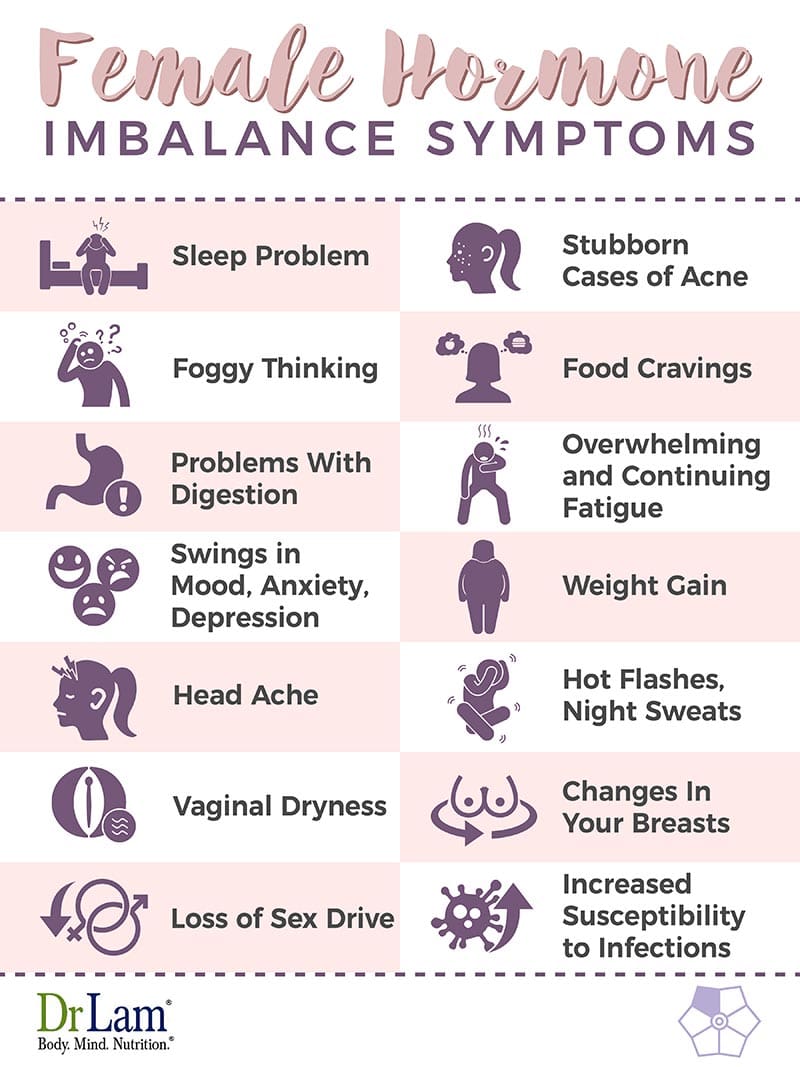
Welcome to a helpful guide on the most common symptoms of hormonal imbalance. Whether you’re experiencing mood swings, fatigue, weight gain, or irregular periods, understanding the signs of hormonal imbalance can help you take proactive steps towards better health. By recognizing these symptoms early on, you can work with your healthcare provider to address the root cause and restore balance to your hormones. Let’s explore the most common indicators of hormonal imbalance and how they can impact your overall well-being. Have you been feeling off lately, experiencing unexplained changes in your body or mood? You might be dealing with a hormonal imbalance. Hormones play a crucial role in regulating various functions in your body, and when they’re out of whack, it can lead to a range of symptoms. In this article, we’ll explore the most common symptoms of hormonal imbalance and how you can address them effectively.
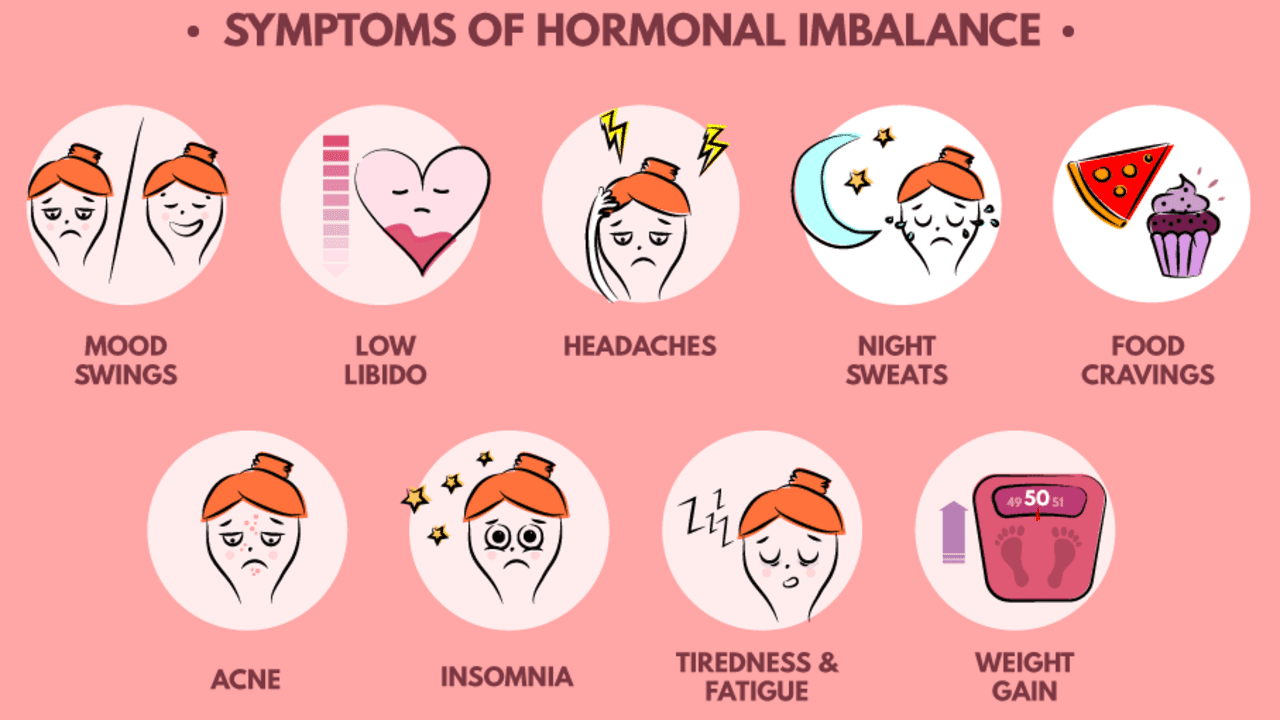
Signs and Symptoms of Hormonal Imbalance
Feeling out of sorts but not sure what’s causing it? Hormonal imbalance can manifest in a variety of symptoms, leading to both physical and emotional discomfort. By recognizing these signs, you can take steps to address the root cause and restore balance to your body.
Mood Swings
Have you been experiencing sudden mood swings, feeling irritable, anxious, or depressed for no apparent reason? Fluctuating hormone levels can impact your brain chemistry, leading to changes in mood and emotional well-being. If you find yourself feeling more emotional than usual, it could be a sign of hormonal imbalance.
Fatigue
Do you often feel exhausted, even after a good night’s sleep? Hormonal imbalances can disrupt your body’s natural energy production, leaving you feeling tired and lethargic throughout the day. If you struggle to find the motivation to get through your daily tasks, it may be worth investigating your hormone levels.
Weight Gain or Difficulty Losing Weight
Have you noticed sudden changes in your weight, despite maintaining a healthy diet and exercise routine? Hormonal imbalances can affect your metabolism and alter how your body stores fat, leading to unexplained weight gain or difficulty losing weight. If you’re struggling to manage your weight, it may be linked to your hormonal health.
Irregular Menstrual Cycles
Are your periods irregular, coming too frequently or infrequently, or with abnormal flow and duration? Hormonal imbalances can disrupt your menstrual cycle, leading to changes in the timing, duration, and intensity of your periods. If you notice significant deviations from your normal cycle, it could be a sign of hormonal imbalance.
Common Types of Hormonal Imbalance
Hormonal imbalances can occur due to a variety of factors, affecting different hormone levels and systems in your body. Understanding the common types of hormonal imbalance can help you identify potential causes of your symptoms and seek appropriate treatment.
Estrogen Dominance
Do you experience symptoms like bloating, breast tenderness, and mood swings around your menstrual cycle? Estrogen dominance occurs when there’s an excess of estrogen relative to progesterone in your body, leading to various physical and emotional symptoms. If you suspect estrogen dominance, addressing the underlying hormonal imbalance is key to restoring harmony in your body.
Thyroid Imbalance
Do you struggle with unexplained weight gain, fatigue, and hair loss, along with cold intolerance and constipation? Thyroid imbalances, such as hypothyroidism or hyperthyroidism, can disrupt your body’s metabolism and energy regulation, leading to a range of symptoms. If you suspect thyroid issues, consulting a healthcare provider for proper diagnosis and treatment is essential.
Adrenal Fatigue
Do you often feel overwhelmed, experience chronic stress, and struggle with fatigue and insomnia? Adrenal fatigue occurs when your adrenal glands can’t keep up with the demands of stress, leading to imbalances in cortisol production and regulation. By addressing lifestyle factors and stress management techniques, you can support your adrenal health and restore balance to your hormonal system.
Insulin Resistance
Do you struggle to manage your blood sugar levels, experience frequent cravings for sugary foods, and notice abdominal weight gain? Insulin resistance occurs when your cells become less responsive to insulin, leading to elevated blood sugar levels and increased fat storage. By adopting a healthy diet and lifestyle habits, you can improve your insulin sensitivity and support balanced hormonal function.
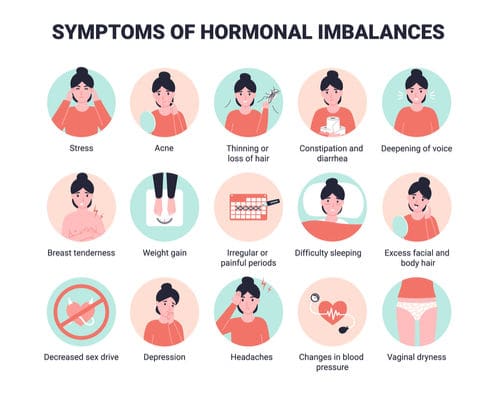
How to Address Hormonal Imbalance
If you suspect you’re dealing with hormonal imbalance based on your symptoms and experiences, there are several steps you can take to address the issue and restore harmony to your body. By adopting a holistic approach that considers your diet, lifestyle, and stress management strategies, you can support your hormonal health and well-being effectively.
Consult a Healthcare Provider
If you’re experiencing persistent or severe symptoms of hormonal imbalance, it’s essential to consult a healthcare provider for proper diagnosis and treatment. A healthcare professional can conduct tests to assess your hormone levels and identify underlying imbalances that may be contributing to your symptoms. By working with a healthcare provider, you can develop a personalized treatment plan tailored to your specific needs.
Maintain a Balanced Diet
Diet plays a crucial role in supporting hormonal health, so focusing on nutrient-dense foods and balanced meals can help regulate your hormone levels effectively. Include plenty of fruits and vegetables, whole grains, lean proteins, and healthy fats in your diet to provide essential nutrients for hormone production and regulation. Avoid processed foods, sugary snacks, and excessive caffeine, which can disrupt your hormonal balance.
Prioritize Sleep and Rest
Getting an adequate amount of quality sleep is essential for hormone regulation and overall health. Aim for 7-9 hours of sleep per night and establish a consistent sleep schedule to support your body’s natural rhythms. Create a relaxing bedtime routine, minimize screen time before bed, and keep your sleep environment cool and dark to promote restful sleep. Prioritizing rest and relaxation can help reduce stress and support hormonal balance.
Manage Stress Effectively
Chronic stress can contribute to hormonal imbalances, so finding ways to manage stress effectively is crucial for restoring harmony in your body. Practice stress-reducing techniques such as deep breathing, meditation, yoga, or mindfulness to calm your mind and body. Engage in activities you enjoy, spend time in nature, and connect with supportive friends and family to reduce stress levels and promote relaxation. By prioritizing self-care and stress management, you can support your hormonal health and well-being.
Conclusion
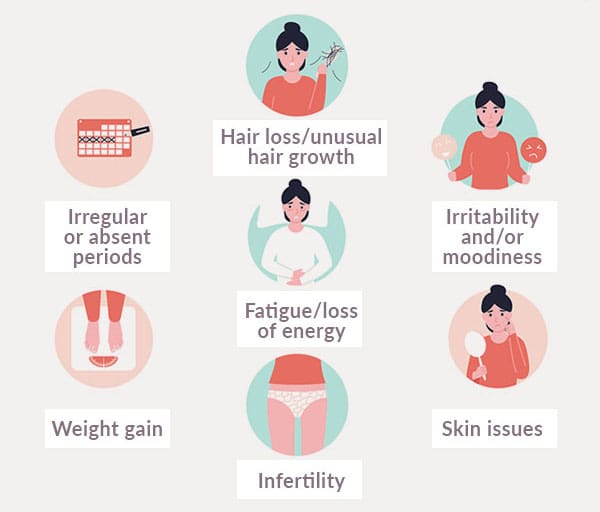
Hormonal imbalance can manifest in a variety of symptoms, affecting both your physical and emotional well-being. By recognizing the signs of hormonal imbalance and understanding the common types of hormonal imbalances, you can take steps to address the root cause and restore harmony to your body. By adopting a holistic approach that considers your diet, lifestyle, and stress management strategies, you can support your hormonal health effectively and improve your overall well-being. If you’re experiencing persistent or severe symptoms of hormonal imbalance, consulting a healthcare provider for proper diagnosis and treatment is essential. Remember to prioritize self-care, balanced nutrition, and stress management to support your hormonal health and promote optimal wellness.