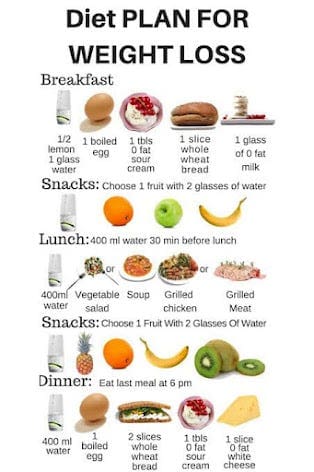
If you’ve been on the search for the most effective diet plans to help you shed those extra pounds, look no further. This article will provide you with a comprehensive overview of the top diet plans that have been proven to yield successful weight loss results. Whether you’re looking for a low-carb approach, a plant-based diet, or a meal delivery service, we’ve got you covered. Say goodbye to fad diets and hello to sustainable, science-backed strategies that will help you reach your weight loss goals. Are you ready to discover the most effective diet plans for weight loss? Let’s get started.
1. Mediterranean Diet
Introduction to the Mediterranean diet
The Mediterranean diet is a popular eating plan inspired by the traditional diets of countries such as Greece and Italy. It emphasizes whole, unprocessed foods such as fruits, vegetables, whole grains, legumes, and lean proteins, while limiting the consumption of refined grains, processed meats, and sugary beverages. This diet is not only known for its delicious flavors but also for its numerous health benefits.
Key principles of the Mediterranean diet
The key principles of the Mediterranean diet include eating plenty of fruits and vegetables, incorporating whole grains into your meals, consuming healthy fats like olive oil and nuts, enjoying fish and poultry in moderation, and limiting red meat and sweets. It also encourages regular physical activity and the enjoyment of meals with family and friends.
Benefits of the Mediterranean diet for weight loss
The Mediterranean diet has been widely studied and has been shown to be effective for weight loss. It is rich in fiber, which helps you feel full and satisfied, reducing the risk of overeating. The diet also focuses on nutrient-dense foods, providing the necessary vitamins, minerals, and antioxidants while keeping calorie intake in check.
Research suggests that following the Mediterranean diet may help reduce belly fat, a known risk factor for many chronic diseases. Additionally, the diet has been associated with improved heart health, reduced inflammation, and a lower risk of various conditions such as type 2 diabetes and certain types of cancer.
Sample meal plan for the Mediterranean diet
Here is a sample meal plan to give you an idea of what a day on the Mediterranean diet might look like:
- Breakfast: Greek yogurt topped with fresh berries and a sprinkle of almonds.
- Lunch: Salad with mixed greens, cherry tomatoes, cucumbers, olives, feta cheese, and a drizzle of olive oil and lemon juice. Served with a side of whole grain bread.
- Afternoon snack: Hummus with carrot sticks.
- Dinner: Grilled chicken breast with roasted vegetables (such as bell peppers, zucchini, and eggplant) and a side of quinoa.
- Dessert: Fresh fruit salad.
Tips for success on the Mediterranean diet
To successfully follow the Mediterranean diet, it is important to focus on incorporating a variety of colorful fruits and vegetables into your meals. Including whole grains, such as whole wheat bread and brown rice, is also essential. Additionally, aim to replace unhealthy fats, like butter, with healthier options like olive oil. Don’t forget to stay hydrated by drinking plenty of water and to engage in regular physical activity to support your weight loss goals.

2. Low Carb Diet
Introduction to low carb diets
A low carb diet, as the name suggests, involves reducing your intake of carbohydrates, primarily found in foods such as bread, pasta, rice, and sugary treats. Instead, this diet emphasizes protein-rich foods, healthy fats, and non-starchy vegetables.
Types of low carb diets
There are several types of low carb diets, including the Atkins diet, the ketogenic diet, and the South Beach diet. Each of these diets has its own specific approach to carbohydrate restriction, but they all aim to promote weight loss by reducing insulin levels and encouraging the body to burn stored fat for energy.
Science behind low carb diets for weight loss
Low carb diets have been shown to be effective for weight loss due to several factors. Firstly, reducing carb intake can lead to a decrease in appetite and cravings, making it easier to consume fewer calories overall. Secondly, the low carb eating approach can help stabilize blood sugar levels, which can prevent spikes and crashes in energy and subsequently reduce the desire for unhealthy, carbohydrate-rich snacks.
Additionally, when carb intake is limited, the body is forced to burn stored fat for fuel, leading to a state of ketosis. This metabolic state has been associated with increased fat burning and weight loss.
Pros and cons of low carb diets
Low carb diets have both pros and cons to consider. On the positive side, they can lead to fast initial weight loss, especially due to water loss from reduced glycogen stores. These diets can also improve markers of heart health, such as reducing triglyceride levels and increasing levels of HDL (good) cholesterol. Furthermore, low carb diets can help regulate blood sugar levels and improve insulin sensitivity, making them beneficial for individuals with type 2 diabetes or prediabetes.
However, low carb diets may not be suitable or sustainable for everyone. They can be restrictive and may require significant changes to your eating habits. Additionally, some people may experience initial side effects such as fatigue, headache, or constipation. It’s important to seek guidance from a healthcare professional before starting a low carb diet.
Sample meal plan for a low carb diet
Here is a sample meal plan to give you an idea of what a day on a low carb diet might look like:
- Breakfast: Scrambled eggs with spinach and mushrooms cooked in coconut oil.
- Lunch: Grilled chicken breast with a side of steamed broccoli and a mixed green salad with olive oil and vinegar dressing.
- Afternoon snack: Celery sticks with almond butter.
- Dinner: Baked salmon with roasted Brussels sprouts and cauliflower rice.
- Dessert: Greek yogurt with a sprinkle of cinnamon.
Tips for success on a low carb diet
To succeed on a low carb diet, it’s important to plan your meals in advance and focus on whole, unprocessed foods such as lean meats, fish, eggs, vegetables, and healthy fats. Be sure to read food labels to avoid hidden carbs and sugars in packaged products. Additionally, staying hydrated, managing your portion sizes, and incorporating regular physical activity into your routine can contribute to your weight loss journey on a low carb diet.

3. Atkins Diet
Introduction to the Atkins diet
The Atkins diet is a low carb eating plan developed by Dr. Robert C. Atkins in the 1960s. It is divided into four phases and is known for its focus on protein-rich foods and limited carbohydrate intake. The Atkins diet aims to switch the body into a fat-burning mode, leading to weight loss and improved overall health.
Four phases of the Atkins diet
The Atkins diet consists of four phases: the induction phase, the balancing phase, the fine-tuning phase, and the maintenance phase.
-
Induction phase: During this initial phase, carbohydrate intake is limited to around 20 grams per day, primarily from non-starchy vegetables. The goal is to induce ketosis, a metabolic state where the body burns fat for fuel.
-
Balancing phase: Once ketosis is established, carbohydrate intake is gradually increased to find an individual’s personal carb tolerance for continued weight loss.
-
Fine-tuning phase: In this phase, more variety is introduced into the diet, including additional carbs from whole foods such as nuts, seeds, and berries. The goal is to find a sustainable eating plan that supports long-term weight loss.
-
Maintenance phase: This final phase focuses on maintaining weight loss while enjoying a wide variety of nutrient-dense foods. Carbohydrate levels are increased to a level that allows weight maintenance without causing substantial weight gain.
How the Atkins diet promotes weight loss
The Atkins diet promotes weight loss through a combination of factors. Firstly, by significantly reducing carb intake, the body is forced to burn stored fat for energy. This leads to weight loss as the body taps into its fat stores. Additionally, the high protein content of the diet can help increase feelings of fullness and reduce appetite, which can result in a lower overall calorie intake.
Pros and cons of the Atkins diet
The Atkins diet has both advantages and disadvantages to consider. Some potential benefits include rapid initial weight loss, increased satiety due to higher protein intake, and improved markers of heart health such as decreased triglyceride levels and increased levels of HDL cholesterol.
However, the restrictive nature of the diet may make it difficult for some individuals to adhere to long term. The initial phase, in particular, can be challenging due to the limited food choices. This diet is also low in fiber, which may lead to digestive issues if not properly compensated for with non-starchy vegetables and fiber supplements.
Sample meal plan for the Atkins diet
Here is a sample meal plan to give you an idea of what a day on the Atkins diet might look like:
- Breakfast: Vegetable omelet cooked in olive oil with a side of avocado.
- Lunch: Grilled chicken breast with a side of sautéed spinach in garlic and olive oil.
- Afternoon snack: Celery sticks with cream cheese.
- Dinner: Baked salmon with a side of roasted asparagus and a Caesar salad (without croutons).
- Dessert: Sugar-free gelatin with a dollop of whipped cream.
Tips for success on the Atkins diet
To succeed on the Atkins diet, it is important to carefully follow the guidelines for each phase and gradually introduce carbs back into your diet. Prioritize high-quality proteins and healthy fats while ensuring you consume a variety of non-starchy vegetables to meet your nutrient needs. Staying hydrated, monitoring your progress, and seeking support from a healthcare professional or registered dietitian can also help ensure success on the Atkins diet.

4. Paleo Diet
Introduction to the Paleo diet
The Paleo diet, also known as the Paleolithic diet or the “caveman” diet, is based on the idea of eating foods that our hunter-gatherer ancestors would have consumed thousands of years ago. The diet focuses on whole, unprocessed foods while eliminating grains, legumes, and dairy products. The main principle of the Paleo diet is to eat like our Paleolithic ancestors in order to improve health and achieve weight loss.
Principles of the Paleo diet
The principles of the Paleo diet involve consuming lean proteins, vegetables, fruits, nuts, and seeds while avoiding grains, legumes, dairy products, processed foods, and added sugars. This eating plan aims to mimic the diets of our ancestors, who relied on these nutrient-dense, unprocessed foods for survival.
How the Paleo diet aids in weight loss
The Paleo diet promotes weight loss through several mechanisms. First, by eliminating processed foods and added sugars, it naturally reduces calorie intake, making it easier to create a calorie deficit for weight loss. Additionally, the diet is rich in protein, which can increase feelings of fullness and satiety, reducing the risk of overeating. The emphasis on whole, unprocessed foods also provides a higher nutrient density, ensuring the body receives the necessary vitamins, minerals, and antioxidants for optimal health.
Pros and cons of the Paleo diet
The Paleo diet has both advantages and disadvantages. Some potential benefits include weight loss, improved blood sugar control, reduced inflammation, and increased consumption of nutrient-dense foods. The diet also encourages a lifestyle focused on natural, unprocessed foods, which may have additional benefits for overall health.
However, one downside is that the diet eliminates major food groups such as grains and dairy, which can make it difficult to meet certain nutrient requirements. Calcium, vitamin D, and fiber intake may be inadequate without careful planning and the inclusion of suitable alternatives. It may also require more time and effort to prepare meals from scratch and find suitable Paleo-friendly options when dining out.
Sample meal plan for the Paleo diet
Here is a sample meal plan to give you an idea of what a day on the Paleo diet might look like:
- Breakfast: Veggie omelet cooked in coconut oil with a side of mixed berries.
- Lunch: Grilled chicken breast with a side of roasted sweet potatoes and steamed broccoli.
- Afternoon snack: Apple slices with almond butter.
- Dinner: Baked salmon with a side of sautéed kale and cauliflower rice.
- Dessert: Fresh fruit salad with a drizzle of coconut milk.
Tips for success on the Paleo diet
To succeed on the Paleo diet, focus on including a variety of lean proteins, non-starchy vegetables, and healthy fats in your meals. Experiment with herbs and spices to enhance flavors without relying on processed condiments. Planning and meal prepping ahead can also help you stay on track and ensure you have suitable options available. Additionally, it’s important to monitor your nutrient intake, particularly for calcium and vitamin D, and consider supplements if necessary.

5. Vegan Diet
Introduction to veganism
Veganism is a lifestyle that abstains from the use of animal products, including food, clothing, and personal care items. A vegan diet, also known as a plant-based diet, is centered around consuming plant-derived foods while excluding all animal products. This diet emphasizes whole grains, legumes, fruits, vegetables, nuts, and seeds as the primary sources of nutrition.
Principles of a vegan diet
The principles of a vegan diet involve eliminating all animal products, including meat, poultry, fish, dairy, eggs, and honey. Instead, the diet focuses on plant-based sources of protein, such as legumes, tofu, tempeh, and seitan. It also encourages the consumption of whole grains, fruits, vegetables, nuts, and seeds to meet all essential nutrient needs.
Benefits of a vegan diet for weight loss
A vegan diet can be effective for weight loss due to several reasons. Firstly, plant-based foods are generally lower in calories and higher in fiber, making them more satiating and reducing the risk of overeating. Secondly, a vegan diet is naturally low in saturated fats found in animal products, which can contribute to weight gain and negative health effects. Studies have shown that vegans tend to have a lower body mass index (BMI) compared to non-vegans.
Furthermore, a vegan diet has been associated with a lower risk of obesity-related diseases such as heart disease, type 2 diabetes, and certain types of cancer. It may also improve gut health and digestion due to the higher fiber content.
Important nutrients to consider for vegans
While a well-planned vegan diet can provide all necessary nutrients, there are a few key nutrients that may require special attention:
-
Protein: Plant-based proteins can be obtained from sources such as legumes, tofu, tempeh, seitan, and whole grains. Combining different plant-based protein sources throughout the day can help ensure all essential amino acids are met.
-
Vitamin B12: Vitamin B12 is primarily found in animal products, making it important for vegans to supplement or consume fortified foods to ensure adequate intake. Deficiency can lead to anemia and nervous system disorders.
-
Iron: Plant-based iron sources include legumes, leafy greens, tofu, and fortified cereals. However, plant-based iron is less readily absorbed than iron from animal sources. Including vitamin C-rich foods with iron-rich meals can enhance iron absorption.
-
Omega-3 fatty acids: While commonly found in fish, vegans can obtain omega-3 fatty acids from flaxseeds, chia seeds, walnuts, and algae-based supplements.
Sample meal plan for a vegan diet
Here is a sample meal plan to give you an idea of what a day on a vegan diet might look like:
- Breakfast: Overnight oats made with rolled oats, almond milk, chia seeds, and topped with fresh berries and a sprinkle of crushed walnuts.
- Lunch: Chickpea salad with mixed greens, cherry tomatoes, cucumbers, red onion, and a tahini dressing.
- Afternoon snack: Carrot sticks with hummus.
- Dinner: Stir-fried tofu and vegetable medley served with quinoa.
- Dessert: Vegan dark chocolate with a handful of almonds.
Tips for success on a vegan diet
To succeed on a vegan diet, it’s important to focus on variety and balance. Aim to include a wide range of fruits, vegetables, whole grains, legumes, nuts, and seeds in your meals. Experiment with different cooking methods and flavors to keep meals interesting and satisfying. It’s also crucial to monitor your nutrient intake and consider supplements for nutrients that may be challenging to obtain solely from plant-based sources. Consulting a registered dietitian who specializes in vegan nutrition can provide personalized guidance and ensure you meet your dietary needs.