Welcome to an article discussing the most effective treatments for managing Crohn’s disease. Living with Crohn’s disease can be challenging, but with the right treatment plan, you can improve your quality of life and manage your symptoms more effectively. In this article, you will learn about various treatment options, from medication to lifestyle changes, that can help you better manage your Crohn’s disease and lead a healthier, happier life. Stay tuned for valuable information that can make a difference in your journey with this chronic condition. Have you been diagnosed with Crohn’s disease and are looking for effective treatment options to manage your symptoms? In this article, we will discuss the most effective treatments for managing Crohn’s disease to help you navigate the complexities of this condition.
Understanding Crohn’s Disease
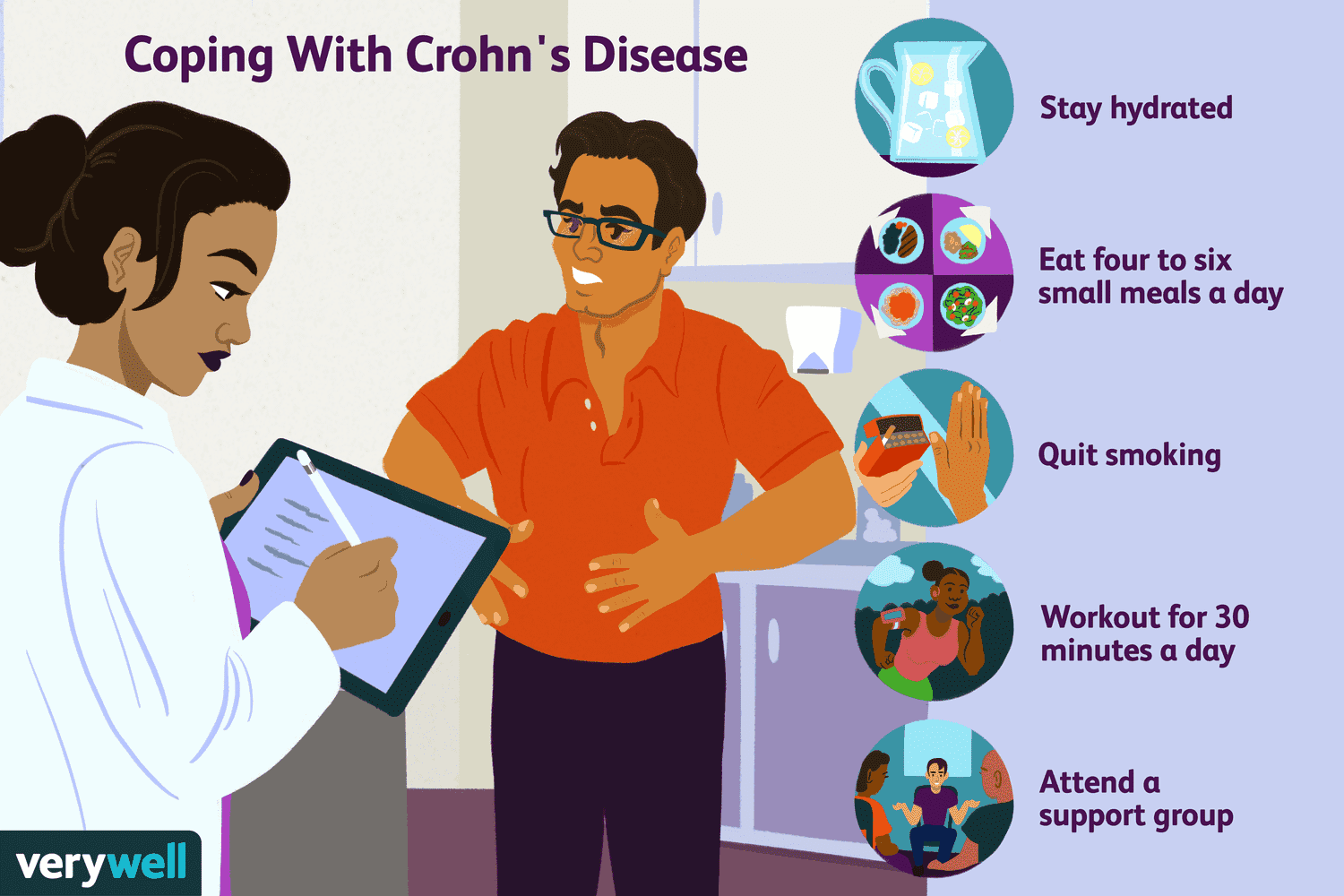
Crohn’s disease is a chronic inflammatory condition that primarily affects the gastrointestinal tract. The exact cause of Crohn’s disease is unknown, but it is believed to be a combination of genetic, environmental, and immune system factors. Symptoms of Crohn’s disease can vary from person to person and may include abdominal pain, diarrhea, fatigue, and weight loss.
What is Crohn’s Disease?
Crohn’s disease is a type of inflammatory bowel disease that causes inflammation of the digestive tract. It can affect any part of the gastrointestinal tract, from the mouth to the anus.
Treatment Options for Crohn’s Disease
There is no cure for Crohn’s disease, but there are various treatment options available to help manage symptoms and improve quality of life. The goals of treatment for Crohn’s disease are to reduce inflammation, relieve symptoms, and prevent complications.
Medications
Medications are often the first line of treatment for managing Crohn’s disease. There are several types of medications used to treat Crohn’s disease, including:
- Anti-inflammatory drugs: such as 5-aminosalicylates, corticosteroids, and immunomodulators, which help reduce inflammation in the digestive tract.
- Biologic therapies: such as TNF-alpha inhibitors, which target specific proteins in the immune system to reduce inflammation.
- Antibiotics: may be prescribed to treat infections that can occur in the gastrointestinal tract due to Crohn’s disease.
It is important to work closely with your healthcare provider to determine the most appropriate medication regimen for your specific symptoms and disease severity.
Surgery
In some cases, surgery may be necessary to treat complications of Crohn’s disease or to remove damaged portions of the gastrointestinal tract. Surgical options for Crohn’s disease may include:
- Strictureplasty: a surgical procedure to widen strictures or narrow areas in the intestines.
- Bowel resection: the removal of a damaged portion of the intestines.
- Colostomy or ileostomy: in severe cases, a surgical opening may be created in the abdominal wall for waste elimination.
Surgery is usually considered when medication treatments are no longer effective or when complications arise, such as bowel obstruction or perforation.
Lifestyle and Dietary Changes
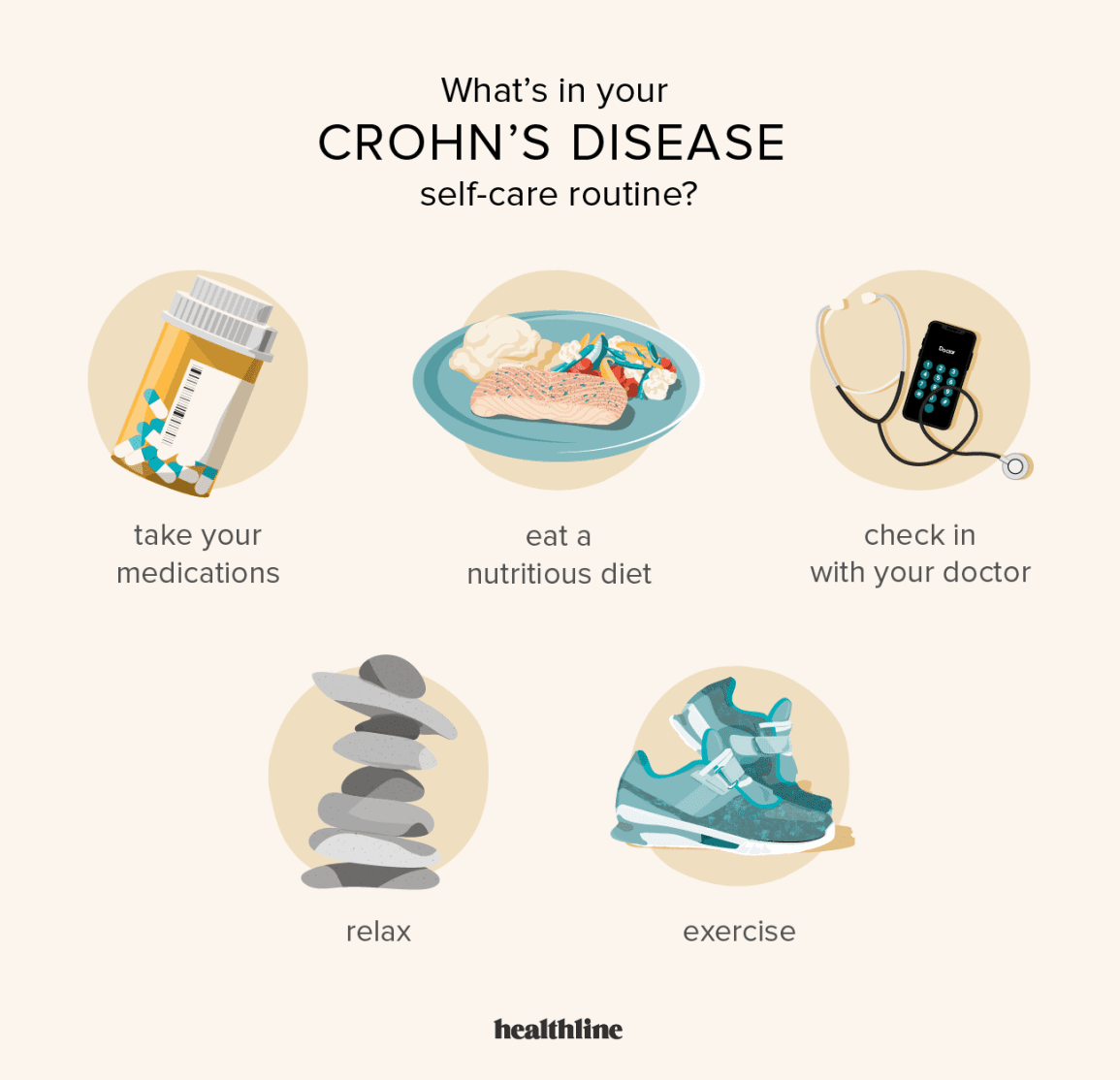
In addition to medical treatments, lifestyle and dietary changes can play a significant role in managing Crohn’s disease symptoms. Making certain adjustments to your daily routine and diet can help reduce inflammation, improve digestion, and promote overall health.
Dietary Modifications
- Low-FODMAP diet: reducing intake of fermentable carbohydrates may help alleviate gastrointestinal symptoms.
- High-protein, low-fiber diet: some individuals with Crohn’s disease may benefit from a diet that is easier to digest.
- Fluid intake: staying hydrated can help prevent dehydration, a common issue for individuals with Crohn’s disease.
Consulting with a dietitian or nutritionist can help you develop a personalized diet plan that meets your nutritional needs while minimizing symptoms.
Stress Management
Stress can exacerbate symptoms of Crohn’s disease, so finding ways to manage stress and promote relaxation is important for overall well-being. Techniques such as meditation, yoga, deep breathing, and exercise can help reduce stress levels and improve symptoms.
Regular Exercise
Regular physical activity has been shown to have numerous health benefits, including reducing inflammation and improving overall immune function. Incorporating exercise into your daily routine can help manage symptoms of Crohn’s disease and improve quality of life.
Alternative and Complementary Therapies
In addition to traditional medical treatments, some individuals with Crohn’s disease may benefit from alternative and complementary therapies to help manage symptoms and improve overall health. These therapies should be used in conjunction with medical treatments and under the guidance of a healthcare provider.
Herbal Supplements
- Turmeric: known for its anti-inflammatory properties, turmeric may help reduce inflammation in the digestive tract.
- Probiotics: can help restore healthy gut flora and promote digestion.
- Aloe vera: may have anti-inflammatory effects and help soothe digestive symptoms.
Before trying any herbal supplements, consult with your healthcare provider to ensure they are safe and appropriate for your specific condition.
Acupuncture
Acupuncture is a form of traditional Chinese medicine that involves the insertion of thin needles into specific points on the body to promote healing and balance energy flow. Some individuals with Crohn’s disease have reported improvements in symptoms such as pain and inflammation with acupuncture.
Mind-Body Therapies
Mind-body therapies such as tai chi, qigong, and biofeedback can help manage stress, improve relaxation, and promote overall well-being for individuals with Crohn’s disease. These therapies focus on the mind-body connection and can be effective in reducing symptoms.

Monitoring and Follow-Up Care
Regular monitoring and follow-up care with your healthcare provider are essential for effectively managing Crohn’s disease. Monitoring may include blood tests, imaging studies, and symptom assessments to evaluate disease activity and treatment effectiveness.
Importance of Follow-Up Visits
Regular follow-up visits with your gastroenterologist or healthcare provider allow for ongoing evaluation of your condition, adjustment of treatment plans as needed, and early intervention for any emerging complications. Keeping a detailed record of symptoms, medications, and dietary changes can help guide discussions during follow-up visits.
Disease Flares and Remission
Crohn’s disease is characterized by periods of flare-ups, where symptoms are active and may worsen, and periods of remission, where symptoms are minimal or absent. Understanding the patterns of your disease flares and remissions can help you and your healthcare provider optimize treatment strategies.
Conclusion
Managing Crohn’s disease requires a multidisciplinary approach that includes medical treatments, lifestyle modifications, and regular monitoring. By working closely with your healthcare provider and incorporating a holistic approach to treatment, you can effectively manage your symptoms, improve quality of life, and achieve better overall health with Crohn’s disease. Remember, it is essential to prioritize self-care, educate yourself about your condition, and advocate for your health in partnership with your healthcare team.