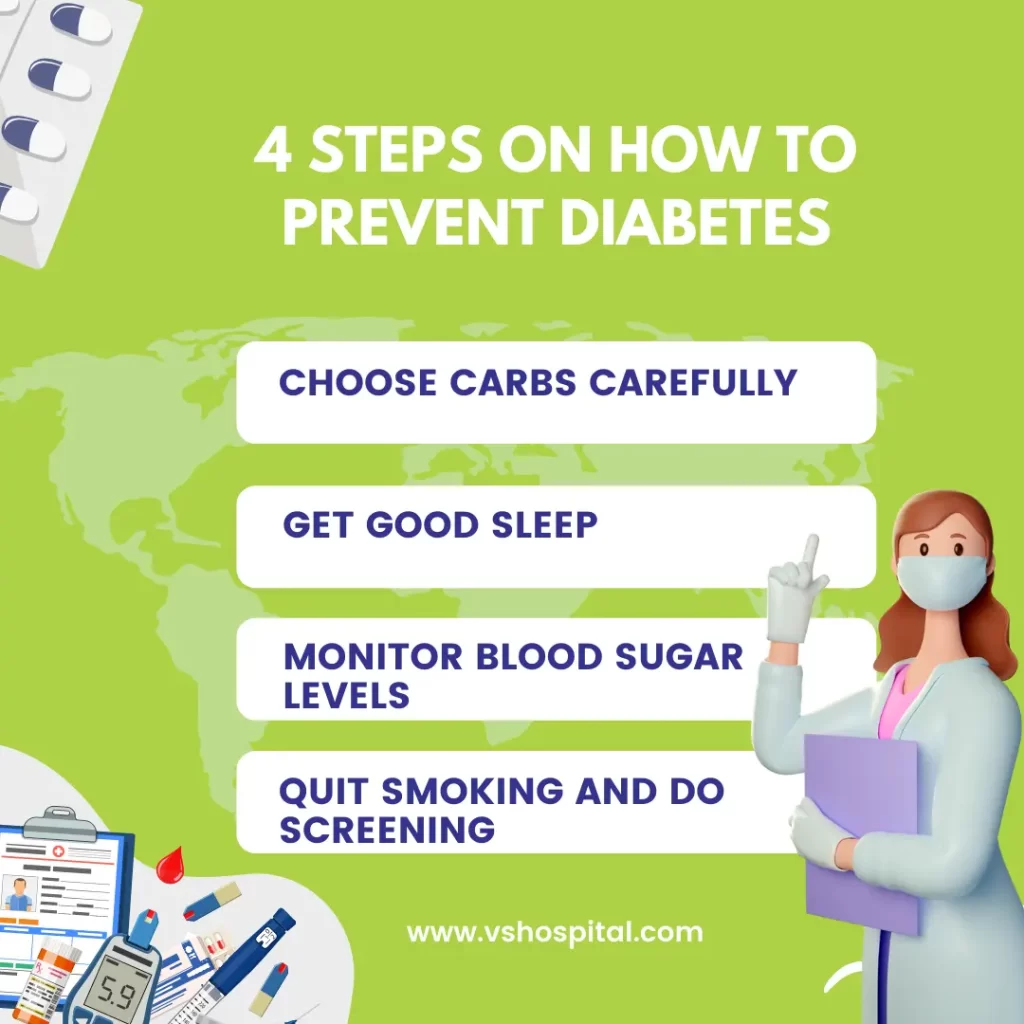
Welcome, dear friend! In this article, you will discover the top ways to prevent diabetes and live a healthy life. By making simple lifestyle changes such as eating a balanced diet, staying active, maintaining a healthy weight, and getting regular check-ups, you can significantly reduce your risk of developing diabetes. Take charge of your health and implement these tips to prevent diabetes and enjoy a happier, healthier future. Have you ever wondered how you can prevent diabetes and live a healthier life? With more and more people being diagnosed with diabetes every year, it’s important to take proactive steps to reduce your risk. In this article, we’ll explore the top ways you can prevent diabetes and improve your overall well-being.
Understanding Diabetes
Diabetes is a chronic condition that affects how your body processes glucose, also known as blood sugar. There are two main types of diabetes: type 1 and type 2. Type 1 diabetes is an autoimmune disease where the body attacks the cells in the pancreas that produce insulin. Type 2 diabetes is more common and occurs when the body either doesn’t produce enough insulin or becomes resistant to insulin.
Understanding the basics of diabetes is the first step in preventing the condition. By knowing how diabetes affects your body, you can make informed decisions about your lifestyle choices to lower your risk.
Maintaining a Healthy Weight
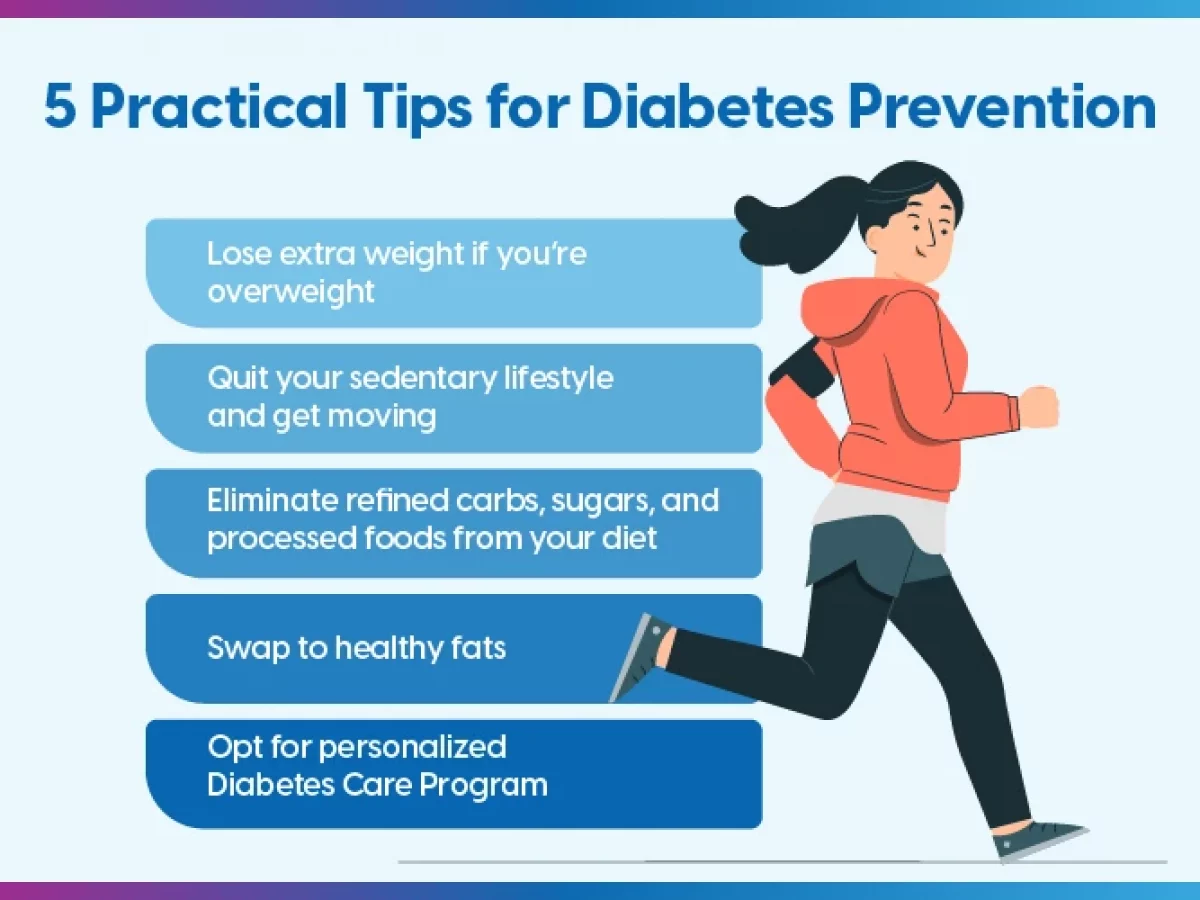
Being overweight or obese is one of the leading risk factors for developing type 2 diabetes. Excess body fat, especially around the abdomen, can increase your body’s resistance to insulin and lead to high blood sugar levels. Maintaining a healthy weight through a balanced diet and regular exercise is key to preventing diabetes.
When it comes to weight management, it’s essential to focus on long-term, sustainable changes rather than quick fixes or crash diets. Healthy weight loss is typically around 1-2 pounds per week, achieved through a combination of nutritious eating and physical activity. By making gradual changes to your lifestyle, you can improve your overall health and reduce your risk of diabetes.
Balancing Your Diet
A balanced diet plays a crucial role in preventing diabetes and maintaining optimal health. Foods high in refined sugars and carbohydrates can cause rapid spikes in blood sugar levels and contribute to insulin resistance. By focusing on whole, nutrient-dense foods, you can stabilize your blood sugar and support your body’s insulin production.
When planning your meals, aim to include a variety of fruits, vegetables, whole grains, lean proteins, and healthy fats. Incorporating fiber-rich foods like beans, lentils, and whole grains can help regulate blood sugar levels and improve insulin sensitivity. Limiting your intake of sugary beverages, processed foods, and high-fat items can also lower your risk of diabetes.
Managing Your Blood Sugar Levels
Monitoring your blood sugar levels is an essential part of preventing diabetes, especially if you have a family history of the condition or other risk factors. High blood sugar, or hyperglycemia, can damage your blood vessels and organs over time, leading to serious complications. By checking your blood sugar regularly, you can catch any abnormalities early and take steps to correct them.
If you’re at risk for diabetes, your healthcare provider may recommend regular blood sugar testing or other diagnostic tests to assess your level of risk. Keeping track of your blood sugar levels at home can help you make informed decisions about your diet, exercise, and overall health. By staying proactive and vigilant, you can better manage your risk of diabetes and prevent complications down the road.

Staying Active
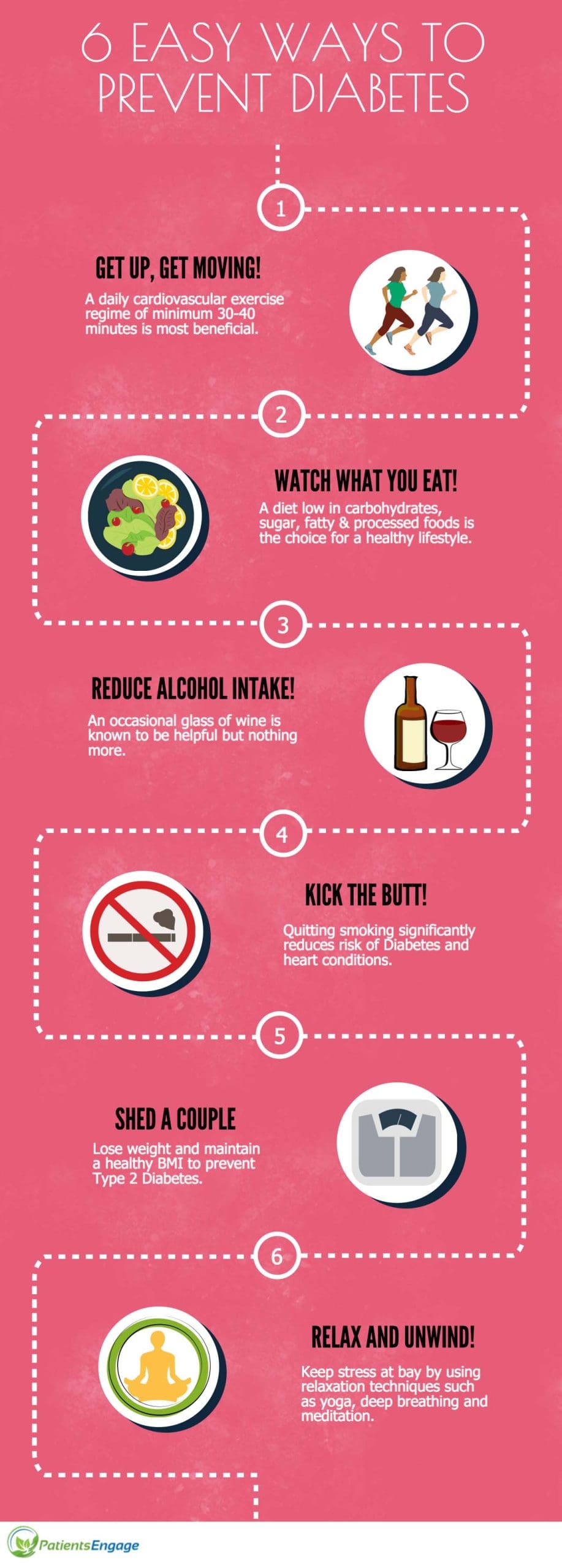
Regular physical activity is crucial for preventing diabetes and maintaining a healthy lifestyle. Exercise helps your body use insulin more effectively, lowers your blood sugar levels, and supports weight management. Aim for at least 150 minutes of moderate-intensity exercise per week, such as brisk walking, swimming, or cycling, to reap the benefits of physical activity.
Incorporating strength training exercises, like weightlifting or bodyweight exercises, can also improve your muscle mass and metabolism, further reducing your risk of diabetes. Finding activities that you enjoy and can sustain over the long term is key to staying active and preventing diabetes. Whether you prefer group fitness classes, outdoor sports, or solo workouts, make time for regular exercise to protect your health.
Getting Quality Sleep
Sleep plays a critical role in regulating your body’s hormones, metabolism, and overall health. Inadequate or poor-quality sleep can disrupt your body’s insulin production and blood sugar regulation, increasing your risk of diabetes. Aim for 7-9 hours of quality sleep each night to support your body’s natural processes and reduce your risk of chronic conditions.
Creating a bedtime routine, practicing relaxation techniques, and optimizing your sleep environment can improve your sleep quality and duration. Avoiding screens, caffeine, and heavy meals before bed can also help you wind down and prepare for restful sleep. By prioritizing sleep as part of your overall health routine, you can lower your risk of diabetes and enhance your well-being.

Managing Stress
Chronic stress can have a profound impact on your body’s ability to regulate blood sugar and insulin levels, increasing your risk of developing diabetes. Stress triggers the release of hormones like cortisol and adrenaline, which can raise your blood sugar and interfere with insulin sensitivity. Managing stress through relaxation techniques, mindfulness practices, and self-care activities is essential for preventing diabetes.
Incorporating stress-relieving activities like yoga, meditation, deep breathing exercises, or hobbies can help you unwind and reduce your stress levels. Finding healthy outlets for stress, such as talking with a friend, journaling, or spending time in nature, can also support your mental and emotional well-being. By prioritizing stress management as part of your diabetes prevention strategy, you can protect your health and improve your quality of life.
Regular Check-Ups and Screenings
Regular check-ups with your healthcare provider and recommended screenings can help you stay on top of your health and detect any potential issues early. Your healthcare provider may recommend routine blood tests, cholesterol screenings, and other exams to assess your risk of diabetes and other chronic conditions. By staying proactive and informed about your health, you can take steps to prevent diabetes and make positive changes to your lifestyle.
If you have a family history of diabetes or other risk factors, it’s important to discuss your concerns with your healthcare provider and develop a personalized prevention plan. By working together with your healthcare team, you can create a roadmap for reducing your risk of diabetes and improving your overall health. Remember that prevention is key when it comes to diabetes, and early intervention can make a significant difference in your long-term health outcomes.
In conclusion, preventing diabetes involves a combination of healthy lifestyle choices, regular screenings, and proactive management of risk factors. By maintaining a healthy weight, balancing your diet, staying active, managing your blood sugar levels, getting quality sleep, managing stress, and attending regular check-ups, you can reduce your risk of diabetes and live a healthier life. Start implementing these top ways to prevent diabetes today and take control of your health and well-being.