
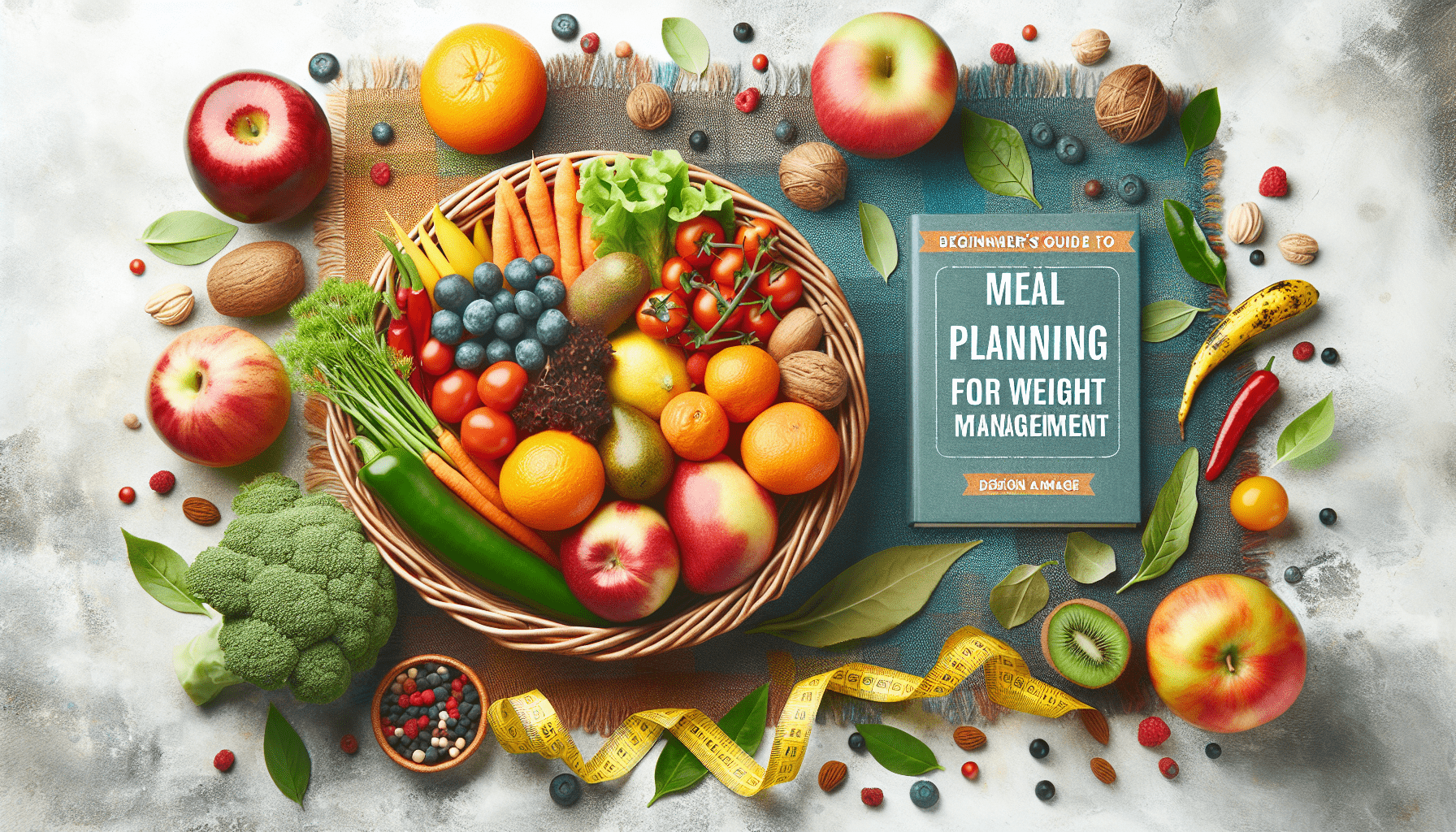
Are you tired of feeling overwhelmed and confused when it comes to meal planning for weight management? Look no further! In this beginner’s guide, we will break down the essential steps to help you create a simple and effective meal plan that will support your weight loss goals. From understanding portion sizes to incorporating a variety of nutrient-rich foods, this guide will empower you with the knowledge and tools you need to take control of your eating habits and achieve long-lasting results. So, grab your pen and paper and get ready to embark on your journey to a healthier you!
What is Meal Planning?
Definition of meal planning
Meal planning is a proactive approach to organizing and preparing your meals in advance. It involves setting aside time each week to plan your meals and snacks, taking into consideration your nutritional needs, preferences, and lifestyle. By planning your meals ahead of time, you can ensure that you have a well-balanced and nutritious diet, while also saving time, money, and energy throughout the week.
Importance of meal planning for weight management
Meal planning plays a crucial role in weight management. When it comes to achieving and maintaining a healthy weight, what you eat is just as important as how much you eat. By planning your meals in advance, you have better control over your food choices and portion sizes, making it easier to adhere to your calorie goals and maintain a balanced diet.
Meal planning also helps to prevent impulsive and unhealthy food choices that are often driven by hunger or convenience. By having nutritious meals and snacks readily available, you are less likely to reach for unhealthy options when hunger strikes.
Additionally, meal planning allows you to incorporate a variety of nutrient-rich foods into your diet, including fruits, vegetables, whole grains, lean proteins, and healthy fats. This balanced approach ensures that you are getting all the essential nutrients your body needs to function optimally.
Calorie Requirements
Understanding calorie requirements for weight management
Calories are a measure of the energy we obtain from the food we eat. In the context of weight management, balancing energy intake (calories consumed) with energy expenditure (calories burned) is crucial. To maintain your current weight, your calorie intake should match your calorie expenditure. To lose weight, you need to create a calorie deficit by consuming fewer calories than you burn. Conversely, to gain weight, you need to consume more calories than you burn.
Calculating daily caloric needs
To determine your daily caloric needs, you can use a simple formula called the Harris-Benedict equation. This equation takes into account your gender, age, weight, height, and activity level. By multiplying your Basal Metabolic Rate (BMR) with an activity factor, you can estimate your total daily energy expenditure (TDEE). This estimated value can then be used as a starting point to adjust your calorie intake for weight loss or weight gain.
Adjusting calorie intake for weight loss or weight gain
If your goal is to lose weight, a safe and sustainable rate of weight loss is generally recommended. In most cases, aiming for a calorie deficit of 500-1000 calories per day can lead to a gradual and healthy weight loss of 1-2 pounds per week. On the other hand, if your goal is to gain weight, a calorie surplus of 500-1000 calories per day is often recommended to promote steady weight gain.
When adjusting your calorie intake, it is essential to prioritize nutrient-dense foods that provide the necessary vitamins, minerals, and macronutrients. This ensures that your body is getting the essential nutrients it needs, even when consuming fewer or more calories than usual.
Healthy Food Choices
Choosing nutrient-dense foods
When it comes to meal planning for weight management, it is important to focus on nutrient-dense foods. Nutrient-dense foods are low in calories but high in essential nutrients, such as vitamins, minerals, fiber, and antioxidants. Examples of nutrient-dense foods include fruits, vegetables, whole grains, lean proteins, and healthy fats.
By incorporating these foods into your meals, you can feel satisfied while consuming fewer calories. Additionally, nutrient-dense foods provide a wide range of health benefits and support overall well-being.
Balancing macronutrients
Macronutrients, which include carbohydrates, proteins, and fats, are the main sources of energy in our diet. For a balanced meal, it is important to include all three macronutrients in appropriate portions.
Carbohydrates provide the body with quick energy and can be found in foods like whole grains, fruits, and vegetables. Proteins are essential for building and repairing tissues and can be found in foods like lean meats, fish, eggs, and legumes. Fats are necessary for hormone production and nutrient absorption and can be found in foods like avocados, nuts, seeds, and olive oil.
By including a balance of carbohydrates, proteins, and fats in your meals, you can meet your nutritional needs and maintain a balanced diet.
Incorporating fruits and vegetables
Fruits and vegetables are an essential part of a healthy meal plan. They are packed with vitamins, minerals, fiber, and antioxidants that support overall health and well-being. Aim to incorporate a variety of fruits and vegetables into your meals, ensuring a range of colors and textures.
Including fruits and vegetables in your meal planning not only adds nutrition but also adds flavor and variety to your diet. You can enjoy them as snacks, salads, side dishes, or incorporate them into main courses.
Avoiding processed and sugary foods
When meal planning for weight management, it is important to minimize the consumption of processed and sugary foods. These foods are often high in added sugars, unhealthy fats, and calories, and provide little to no nutritional value.
Instead, focus on whole, unprocessed foods that are minimally processed and contain fewer additives. These foods, such as lean proteins, whole grains, and fresh produce, provide more nutritional value while keeping you satisfied for longer periods.
By avoiding processed and sugary foods, you can reduce your calorie intake and improve the overall quality of your diet.
Portion Control
Understanding portion sizes
Portion control is an important aspect of meal planning for weight management. It involves being aware of how much food you are consuming and ensuring that your portion sizes align with your calorie goals.
Understanding portion sizes can be challenging, as many factors can influence the amount of food we eat, such as hunger, social cues, and packaging. However, by learning to estimate and control portion sizes, you can make healthier choices and prevent overeating.
Using measuring tools
Using measuring tools, such as measuring cups, spoons, and food scales, can be incredibly helpful in controlling portion sizes. These tools allow you to measure your food accurately, providing a more realistic understanding of your calorie intake.
By measuring your portions, you can ensure that you are not unknowingly consuming excessive calories and can better track your progress towards your weight management goals.
Tips for controlling portion sizes
Controlling portion sizes can be challenging, especially when dining out or faced with larger servings. Here are some tips to help you maintain portion control:
- Use smaller plates and bowls to visually trick your mind into thinking you are eating more.
- Fill half of your plate with vegetables, a quarter with lean protein, and a quarter with whole grains or carbohydrates.
- Practice mindful eating by paying attention to your hunger and fullness cues.
- Pre-portion snacks into individual bags or containers to avoid mindlessly eating from larger packages.
- Drink a glass of water before meals to help you feel fuller and prevent overeating.
By implementing these tips, you can maintain portion control and make healthier choices during your meal planning journey.
Meal Prepping
Benefits of meal prepping
Meal prepping is an integral part of successful meal planning for weight management. By dedicating time to prepping your meals in advance, you can enjoy a wide range of benefits, such as:
- Time-saving: Meal prepping allows you to save time during the busy workweek by having meals and snacks ready to go.
- Portion control: By pre-portioning your meals, you can easily control your calorie intake and prevent overeating.
- Cost-effective: Planning and preparing meals in advance can help reduce food waste and save money by utilizing ingredients efficiently.
- Variety and nutrition: Meal prepping allows you to incorporate a variety of nutrient-dense foods into your meals, ensuring a balanced diet.
- Reduced stress: Knowing that your meals are prepared in advance can help reduce stress and decision fatigue around mealtime.
Planning meals for the week
When meal prepping, it is important to plan your meals for the entire week. Start by selecting a variety of recipes that align with your goals and preferences. Consider incorporating different protein sources, grains, and vegetables to add variety to your meals.
Once you have selected your recipes, create a grocery list based on the ingredients needed. This will help streamline your shopping experience and ensure that you have everything you need for your meal prepping.
Batch cooking and freezing meals
Batch cooking involves preparing large quantities of food at once and portioning them into individual servings for future meals. This approach allows you to save time and effort by cooking in bulk. After cooking, simply divide the food into meal-sized containers and freeze them for later use.
Freezing meals not only ensures their longevity but also provides a convenient option for those busy days when you don’t have time to cook. Simply thaw, reheat, and enjoy a homemade meal without the hassle of cooking from scratch.
Meal prepping tips and tricks
Here are some additional tips and tricks to make your meal prepping experience even more efficient and enjoyable:
- Choose recipes that are easy to make and can be prepared in larger quantities.
- Invest in good quality food storage containers that are freezer-safe and easy to stack.
- Utilize your pantry staples to create new and interesting meals.
- Pre-cut vegetables and fruits for quick and easy snacks or meal additions.
- Label each meal container with the date and contents to help you keep track.
By incorporating these tips and tricks into your meal prepping routine, you can set yourself up for success and maintain a well-organized and nutritious meal plan.
Creating Balanced Meals
Building a balanced plate
Building a balanced plate is crucial for maintaining a healthy and well-rounded diet. To create a balanced meal, aim to include a source of protein, a serving of carbohydrates, healthy fats, and plenty of fruits and vegetables.
- Protein: Choose lean sources of protein such as chicken, turkey, fish, tofu, or legumes.
- Carbohydrates: Opt for whole grains like brown rice, quinoa, or whole wheat pasta, alongside starchy vegetables like sweet potatoes or corn.
- Healthy Fats: Incorporate healthy fats from sources like avocados, nuts, seeds, or olive oil.
- Fruits and Vegetables: Load up half of your plate with a variety of colorful fruits and vegetables to ensure you get a wide range of vitamins, minerals, and antioxidants.
By including all these components on your plate, you can meet your nutritional needs and enjoy a satisfying and balanced meal.
Protein sources and portion sizes
Protein plays a crucial role in weight management as it helps to build and repair tissues and promotes satiety. When planning your meals, aim to incorporate a variety of protein sources to ensure a good balance of amino acids.
Some examples of protein-rich foods include lean meats, poultry, fish, eggs, tofu, tempeh, legumes, and dairy products. When it comes to portion sizes, a general rule of thumb is to aim for 3-4 ounces (approximately the size of a deck of cards) per meal.
Carbohydrate choices and portion sizes
Carbohydrates are an important source of energy and should be included in your balanced meals. However, when selecting carbohydrates, it is important to choose complex carbohydrates that are high in fiber and slowly digested.
Whole grains, such as brown rice, quinoa, oats, and whole wheat bread, are excellent choices. Aim for 1/4 to 1/2 cup of cooked grains per meal, depending on your calorie needs and activity level.
Additionally, starchy vegetables like sweet potatoes, peas, and corn can also serve as carbohydrate sources. Aim for 1/2 to 1 cup of cooked starchy vegetables per meal.
Healthy fats and portion sizes
Healthy fats are essential for a well-balanced diet as they provide energy, support cell growth, and help regulate hormones. However, it is important to consume them in moderation, as they are higher in calories.
Incorporate healthy fats in the form of avocados, nuts, seeds, olive oil, and fatty fish like salmon or tuna. A general guideline is to aim for 1-2 tablespoons of oil or a small handful of nuts or seeds per meal.
Incorporating fiber-rich foods
Fiber is an essential nutrient that aids in digestion, promotes satiety, and helps regulate blood sugar levels. It is found abundantly in fruits, vegetables, whole grains, legumes, and nuts.
When planning your meals, aim to incorporate a variety of fiber-rich foods to ensure you meet your daily requirements. These foods not only provide essential nutrients but also help you feel fuller for longer periods, preventing unnecessary snacking.
Snack Ideas
Choosing healthy snack options
Snacks can play a significant role in supporting weight management, as they can help maintain energy levels between meals and prevent excessive hunger. When selecting snacks, opt for nutritious options that provide a balance of macronutrients and essential vitamins and minerals.
Some healthy snack options include:
- Greek yogurt with fresh berries and a drizzle of honey.
- Baby carrots with hummus.
- Apple slices with almond butter.
- Hard-boiled eggs.
- Trail mix with nuts, seeds, and dried fruit.
By choosing healthy snack options, you can satisfy your hunger and maintain a well-balanced diet throughout the day.
Portion control for snacks
While snacks can be a helpful addition to a balanced meal plan, it is important to practice portion control to avoid overeating. Here are some tips for controlling your snack portions:
- Pre-portion snacks into individual bags or containers to prevent mindless eating.
- Use smaller bowls or plates for snacks to visually trick your mind into thinking you have eaten more.
- Read the nutrition labels and stick to the recommended serving sizes.
- Focus on whole foods as snacks rather than processed snacks that can be high in calories and low in nutritional value.
By practicing portion control, you can enjoy your snacks without derailing your weight management goals.
Prepping snacks in advance
To make snacking easier and more convenient, consider prepping your snacks in advance. Set aside some time each week to chop fruits and vegetables or prepare snack packs that can be easily grabbed on the go.
Having prepped snacks readily available can help you make healthier choices and prevent reaching for unhealthy options when hunger strikes. It also ensures that you have nutritious options on hand, even when you are busy or on the move.
Grocery Shopping Tips
Making a grocery list
When it comes to successful meal planning, making a grocery list is essential. A well-planned grocery list helps you stay organized, saves time, and prevents impulse purchases.
Before making your list, take inventory of your pantry, refrigerator, and freezer to see what ingredients you already have on hand. This will help you avoid buying duplicates. Once you have a clear idea of what you need, create a comprehensive list of the items you need for your planned meals and snacks.
Shopping for fresh produce
Fresh produce is a key component of a healthy meal plan. When shopping for fruits and vegetables, consider the following tips:
- Choose a variety of colors to ensure a wide range of vitamins and minerals.
- Buy seasonal fruits and vegetables for optimal freshness and flavor.
- Check for ripeness and quality. Select firm and unblemished produce.
- Consider buying organic produce, especially for the “Dirty Dozen” – fruits and vegetables with higher pesticide residues.
- Be mindful of quantities. Purchase only what you can consume before they spoil.
By following these tips, you can ensure that you are getting the freshest and highest-quality fruits and vegetables for your meal planning.
Reading food labels
Reading food labels is an important skill to help you make informed and healthy choices while grocery shopping. When reading food labels, pay attention to the following:
- Serving Size: This indicates the recommended portion size for accurate nutritional information.
- Calories: The total calories per serving.
- Nutrients: Check for the amounts of fats, saturated fats, trans fats, cholesterol, sodium, carbohydrates, sugars, fiber, and protein.
- Ingredient List: Look for recognizable and pronounceable ingredients while avoiding excessive additives and preservatives.
By reading food labels, you can make choices that align with your nutritional goals and better manage your weight.
Avoiding impulse purchases
Grocery stores are designed to tempt you with impulse purchases and unhealthy options. To avoid falling into the trap, try the following strategies:
- Stick to your grocery list and avoid deviating from it.
- Shop when you’re not hungry to avoid making impulsive food choices.
- Avoid aisles or sections that contain your favorite unhealthy snacks or foods.
- Shop the perimeter of the grocery store, where fresh produce, meats, and dairy are typically located.
By being mindful and disciplined while grocery shopping, you can prevent impulse purchases and stay on track with your meal planning goals.
Planning meals based on grocery store sales
Take advantage of sales and discounts offered by your local grocery store. Before meal planning, check weekly circulars or online ads to see what items are on sale. Incorporate these items into your meal plan, as they can help you save money while still enjoying a variety of nutritious foods.
Planning your meals based on grocery store sales can also introduce you to new ingredients and inspire you to try new recipes. It adds excitement and variety to your meal planning routine.
Meal Planning Tools
Using meal planning apps or websites
Meal planning apps and websites can be valuable tools in simplifying and streamlining your meal planning process. These tools offer a wide range of features, such as recipe databases, customizable meal plans, automatic grocery lists, and nutritional information.
Some popular meal planning apps and websites include MyFitnessPal, Eat This Much, Plan to Eat, and Paprika. Explore different options and choose the one that aligns with your preferences and goals.
Creating a meal planning template
Creating a meal planning template can help you stay organized and ensure that you are meeting your nutritional needs. A meal planning template typically consists of a weekly calendar where you can jot down your planned meals and snacks for each day.
By using a template, you can easily visualize your meal plan, incorporate variety, and make adjustments as needed. It also serves as a handy reference guide throughout the week, ensuring that you stay on track with your goals.
Keeping a food diary
Keeping a food diary is an effective tool for tracking your food intake and monitoring your progress toward your weight management goals. A food diary allows you to record what you eat, when you eat it, and how much you eat.
By keeping a food diary, you can identify patterns, track your calorie intake, and become more mindful of your eating habits. It can also help you identify triggers for overeating or unhealthy food choices.
There are various ways to keep a food diary, including using a mobile app, a dedicated journal, or online tools. Choose a method that works best for you and make it a habit to record your meals and snacks consistently.
Staying Consistent
Importance of consistency in meal planning
Consistency is key when it comes to meal planning for weight management. By consistently planning and preparing your meals, you establish healthy habits and routines that support your goals.
Consistency allows you to stay on track with your calorie intake, ensure balanced nutrition, and prevent impulsive and unhealthy food choices. It also helps you establish a sense of control over your meals and promotes a positive relationship with food.
Setting realistic goals
Setting realistic and achievable goals is crucial for maintaining consistency in your meal planning journey. While it is tempting to set lofty goals, it is important to be realistic about what you can accomplish.
Start by setting small, measurable goals that align with your long-term objectives. For example, aim to plan and prepare at least three meals per week initially, gradually increasing the number as you become more comfortable.
By setting realistic goals, you can experience a sense of accomplishment, stay motivated, and maintain consistency in your meal planning efforts.
Tracking progress
Tracking your progress is an essential part of staying consistent with your meal planning routine. By monitoring your progress, you can assess how well you are achieving your goals and make any necessary adjustments along the way.
There are various ways to track your progress, such as using a food diary, weighing yourself regularly, taking body measurements, or keeping a record of your energy levels and wellness. Choose a method that resonates with you and allows you to gauge your progress effectively.
Making adjustments when necessary
Flexibility and adaptability are important qualities when it comes to meal planning for weight management. As you progress on your journey, you may encounter challenges or realize that certain strategies are not working for you. It is important to stay open-minded and make adjustments when necessary.
For example, if you find that certain meals are not satisfying your hunger or meeting your nutritional needs, consider revisiting your portion sizes or incorporating different ingredients. Similarly, if your weight loss or weight gain progress stalls, consult with a healthcare professional or registered dietitian to assess your calorie intake and make necessary adjustments.
By making adjustments along the way, you can fine-tune your meal planning approach, stay motivated, and continue moving towards your weight management goals.
In conclusion, meal planning is a valuable tool for weight management that allows you to take control of your food choices, portion sizes, and overall nutrition. By understanding your calorie requirements, making healthy food choices, practicing portion control, and incorporating meal prepping into your routine, you can create balanced meals and maintain consistency in your meal planning efforts. With the help of grocery shopping tips, meal planning tools, and a focus on setting realistic goals, tracking progress, and making necessary adjustments, you can achieve and sustain long-term success in managing your weight. Start today and enjoy the benefits of meal planning for a healthier and happier you.