Hello there! Are you struggling to find a balance between intense workouts and much-needed rest days in your fitness routine? In this article, we will explore the most effective ways to incorporate recovery days into your schedule. From active recovery activities to proper nutrition and hydration, we will provide you with practical tips to help you optimize your fitness routine and achieve your goals while also listening to your body’s needs. Stay tuned for valuable insights on how to enhance your recovery and overall well-being. Have you ever felt exhausted and sore from your intense workouts, but still find it hard to take a rest day? It’s essential to give your body time to recover and repair after pushing it to its limits. In this article, we will explore the most effective ways to incorporate recovery days into your fitness routine to optimize performance, prevent injuries, and promote overall well-being. So, let’s dive in and learn how to prioritize rest and recovery for better results in your fitness journey.
Importance of Recovery Days in Your Fitness Routine
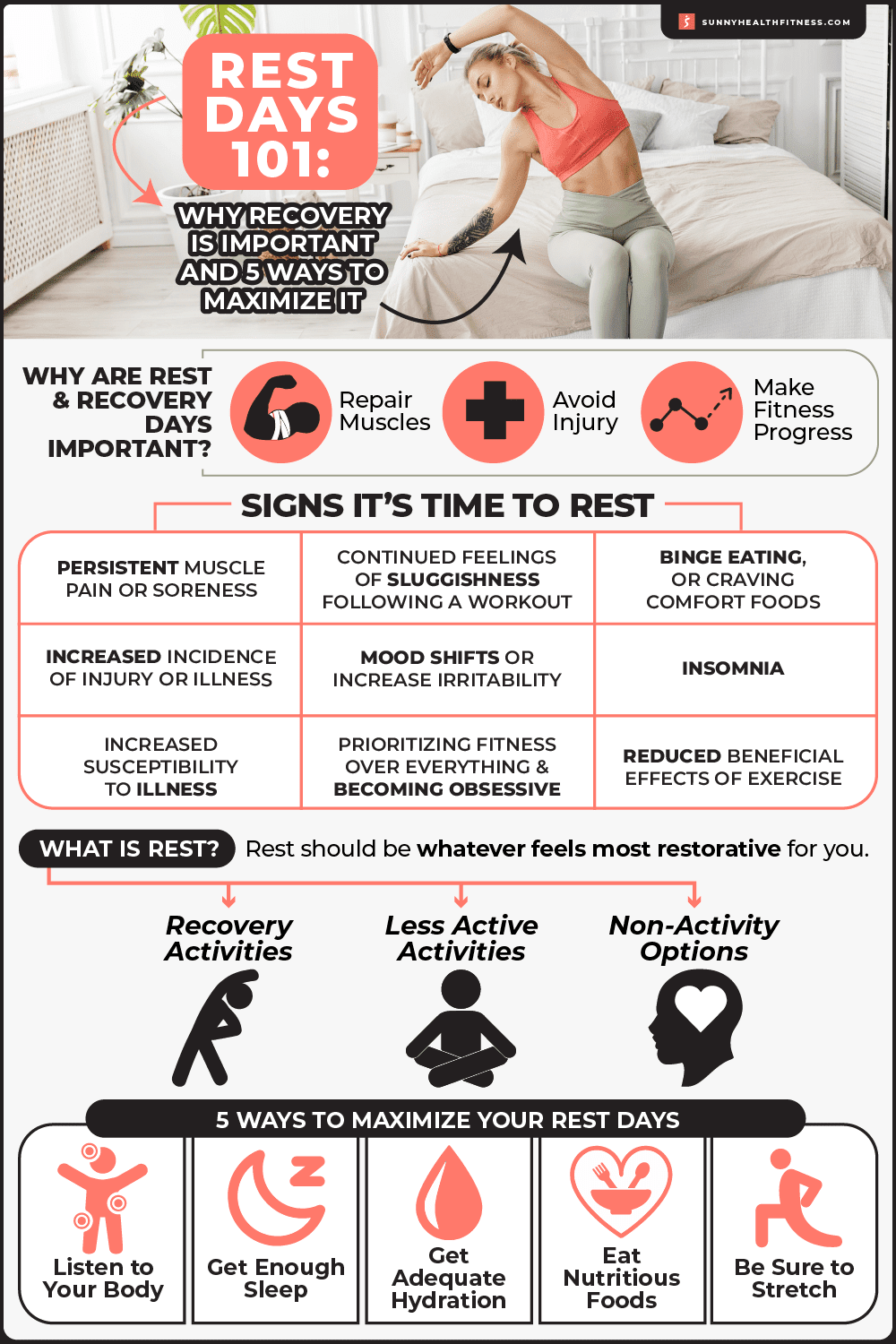
Recovery days are often overlooked or underestimated in a fitness routine, as many individuals focus solely on the high-intensity workouts to achieve their goals. However, recovery days play a crucial role in allowing your body to heal, adapt, and get stronger. Without adequate rest, your muscles can become overworked, leading to burnout, injuries, and decreased performance. By incorporating recovery days into your routine, you can:
- Prevent injuries
- Reduce muscle soreness
- Improve muscle growth and repair
- Enhance performance during workouts
- Boost overall well-being and mental health
Whether you are a beginner or a seasoned athlete, prioritizing recovery days is essential for long-term sustainability and progress in your fitness journey.
Signs That You Need a Recovery Day
Your body has a way of communicating with you, signaling when it needs a break and recovery. It’s essential to listen to these signs and recognize when it’s time to take a step back and allow your body to rest. Some common signs that indicate you need a recovery day include:
- Persistent muscle soreness that doesn’t improve with stretching or gentle movement
- Fatigue and lack of energy, even after a good night’s sleep
- Decreased performance during workouts, such as decreased strength or endurance
- Mood swings, irritability, or lack of motivation to exercise
- Insomnia or disrupted sleep patterns
- Lingering injuries or pain in specific areas of your body
If you experience any of these signs, it’s crucial to prioritize rest and recovery to avoid burnout and potential injuries. Remember, rest is just as crucial as the workout itself in achieving your fitness goals.
Effective Ways to Incorporate Recovery Days
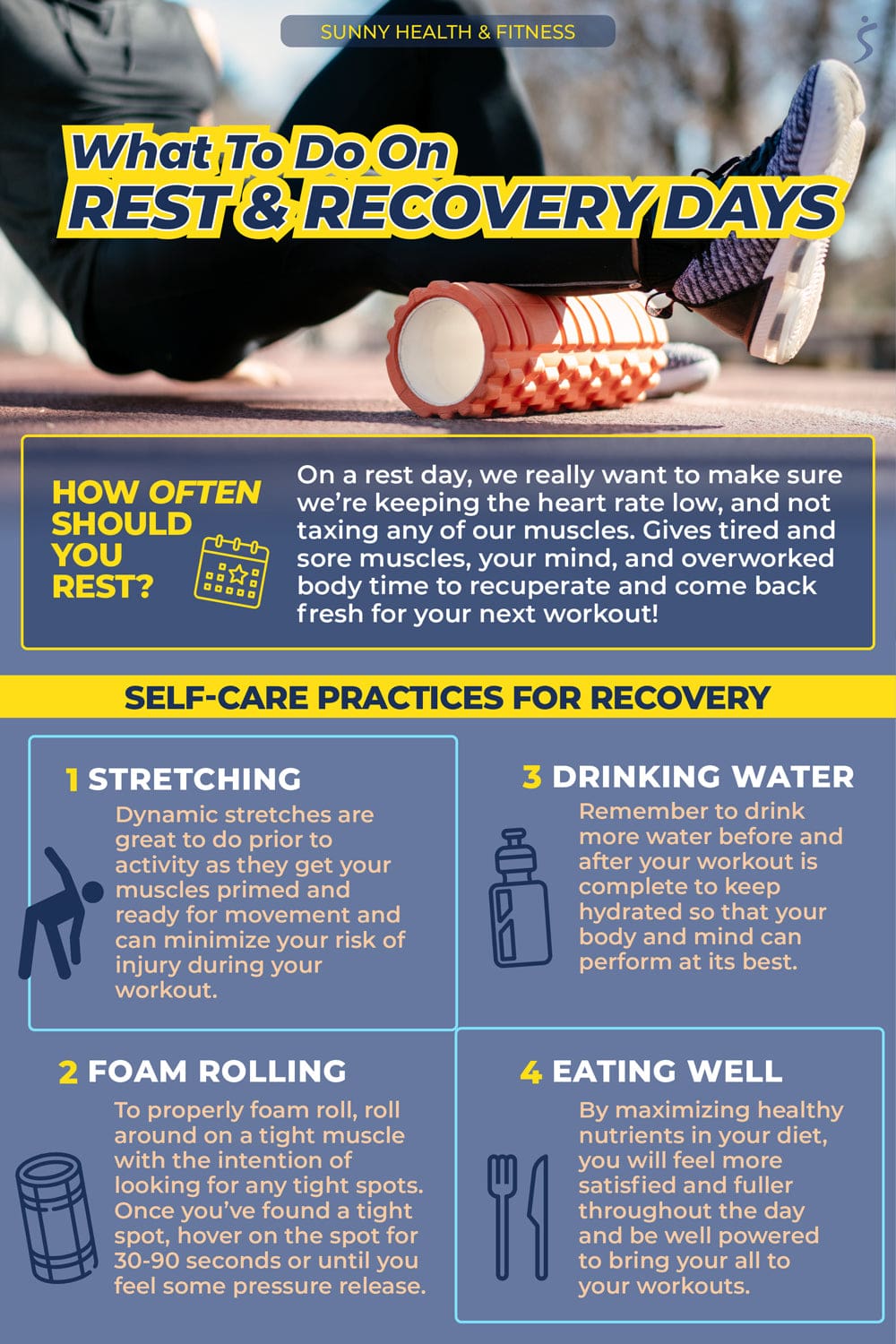
Now that you understand the importance of recovery days let’s explore some practical and effective ways to incorporate them into your fitness routine. By implementing these strategies, you can optimize your recovery, improve your performance, and make the most out of your workouts.
1. Schedule Rest Days in Your Workout Plan
Just like you schedule your workouts, it’s essential to schedule rest days as part of your fitness routine. By planning your rest days in advance, you can ensure that you prioritize and stick to them, rather than waiting until you feel burned out. Depending on your fitness level, goals, and the intensity of your workouts, aim to have at least one to two full rest days per week.
2. Incorporate Active Recovery Activities
While rest days are meant for passive recovery, you can also incorporate active recovery activities to promote blood flow, reduce muscle soreness, and enhance overall recovery. Activities such as yoga, walking, swimming, or gentle stretching can help loosen tight muscles, improve flexibility, and speed up the recovery process. Aim for low-intensity activities that focus on movement without putting strain on your muscles.
3. Hydrate and Fuel Your Body Properly
Proper hydration and nutrition play a vital role in the recovery process, as they provide your body with the essential nutrients needed to repair and rebuild muscles. Make sure to drink an adequate amount of water throughout the day to stay hydrated and aid in muscle recovery. Additionally, fuel your body with a balanced diet rich in protein, carbohydrates, and healthy fats to support muscle growth and repair. Consider incorporating post-workout meals or snacks to replenish glycogen stores and promote recovery.
4. Get Quality Sleep
Sleep is crucial for recovery, as it is during sleep that your body repairs and rebuilds muscles damaged during workouts. Aim for at least 7-9 hours of quality sleep per night to allow your body to recover and rejuvenate. Create a relaxing bedtime routine, such as avoiding screens before bed, dimming the lights, and practicing deep breathing exercises to prepare your body for restful sleep. Quality sleep is essential for muscle recovery, hormone balance, and overall well-being.
5. Practice Self-Care Activities
In addition to physical recovery, mental and emotional recovery is also crucial for overall well-being. Incorporate self-care activities into your routine to reduce stress, improve mental clarity, and promote relaxation. Activities such as meditation, journaling, taking a hot bath, or spending time in nature can help you unwind and recharge both physically and mentally. Remember to prioritize self-care as part of your recovery days to achieve a holistic approach to health and wellness.
6. Listen to Your Body
One of the most crucial aspects of effective recovery is listening to your body and honoring its signals. If you feel overly fatigued, sore, or unmotivated, it’s essential to give yourself permission to take a rest day and allow your body to recover. Pushing through pain or exhaustion can lead to burnout, injuries, and setbacks in your fitness journey. Trust your body’s wisdom and make rest a priority to ensure long-term success and sustainability in your workouts.
7. Supplement with Recovery Aids
In some cases, you may benefit from supplementation to enhance your recovery process and support your overall well-being. Consider incorporating recovery aids such as protein powders, branched-chain amino acids (BCAAs), magnesium, or omega-3 fatty acids to promote muscle repair, reduce inflammation, and support recovery. Consult with a healthcare provider or a nutritionist to determine the right supplements for your individual needs and goals.
Conclusion
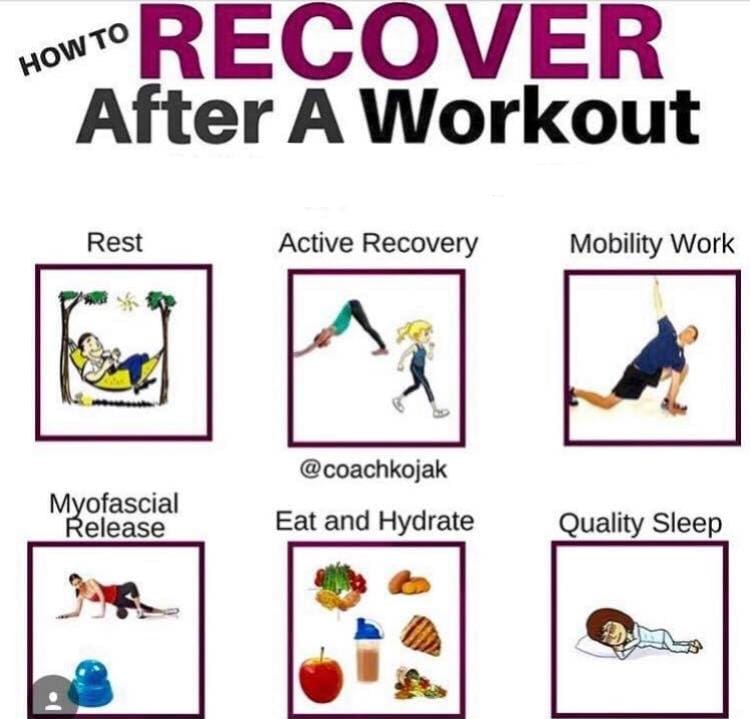
Incorporating recovery days into your fitness routine is essential for optimizing performance, preventing injuries, and promoting overall well-being. By prioritizing rest, proper nutrition, hydration, sleep, and self-care activities, you can support your body’s recovery process and achieve better results in your fitness journey. Remember to listen to your body, schedule rest days, and practice holistic recovery strategies to ensure long-term success and sustainability. Prioritize recovery as a crucial component of your fitness routine, and watch as your performance and well-being improve. So, take a step back, give yourself permission to rest, and embrace the power of recovery days in your fitness journey. Your body will thank you for it!