
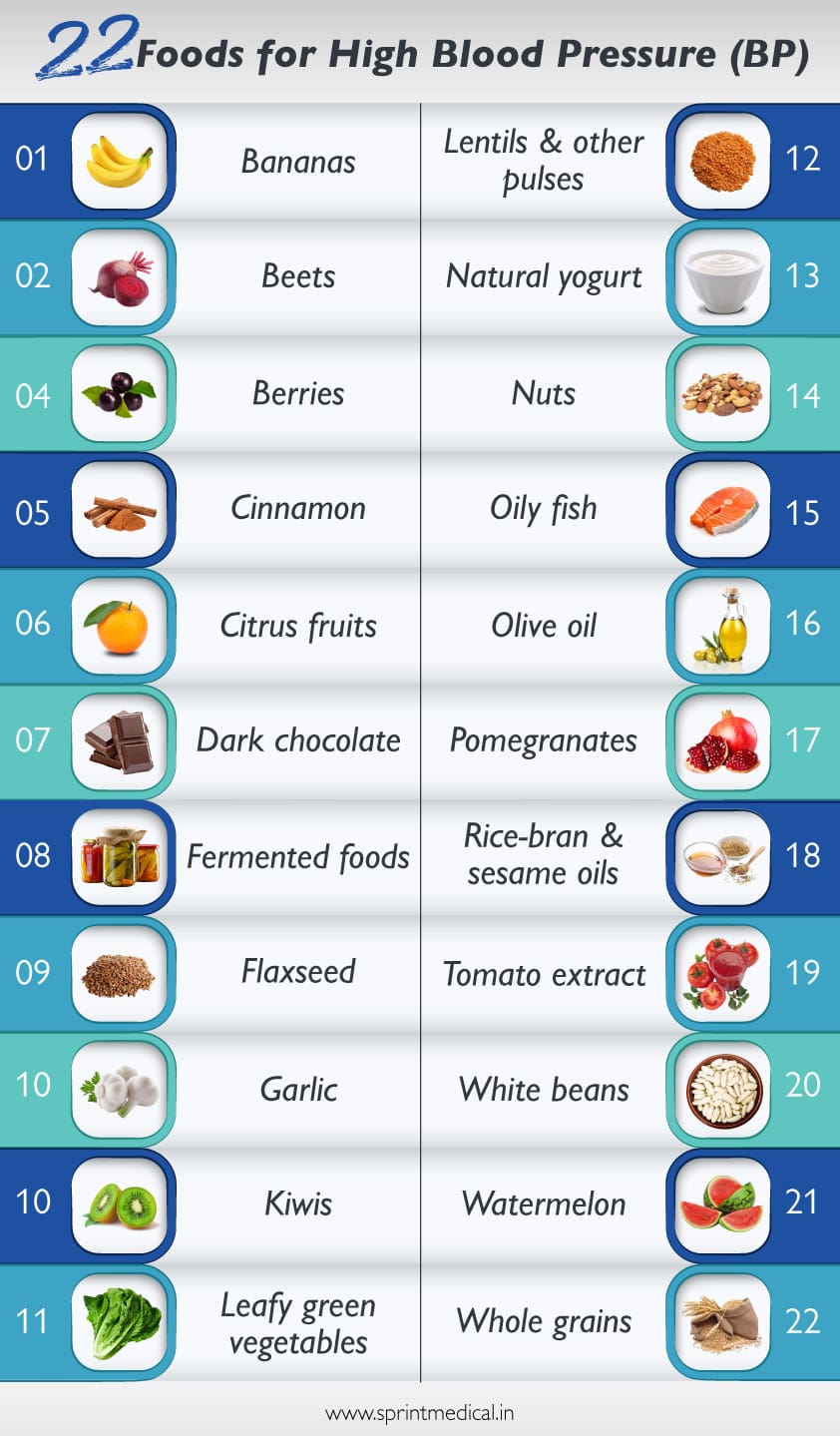
Welcome to a quick guide on the most popular diets for managing high blood pressure. Research shows that certain dietary habits can significantly impact your blood pressure levels. By focusing on consuming foods like fruits, vegetables, whole grains, lean proteins, and healthy fats, you can take proactive steps toward better health. Whether you’re looking to lower your blood pressure or simply maintain a healthy lifestyle, this article will help you understand some of the most effective diets for managing high blood pressure. So, sit back, relax, and let’s explore the best dietary choices for optimal blood pressure control. Hey there! Are you looking for ways to manage your high blood pressure through diet? You’re in the right place! Let’s explore some of the most popular diets for high blood pressure, so you can make informed choices about what you eat to support your health.
Understanding High Blood Pressure
Before we dive into different diets, let’s make sure we understand what high blood pressure is. High blood pressure, or hypertension, is when the force of blood against the walls of your arteries is consistently too high. This can lead to serious health complications if left unmanaged. Diet plays a crucial role in managing high blood pressure, so it’s important to pay attention to what you eat.
What Causes High Blood Pressure?
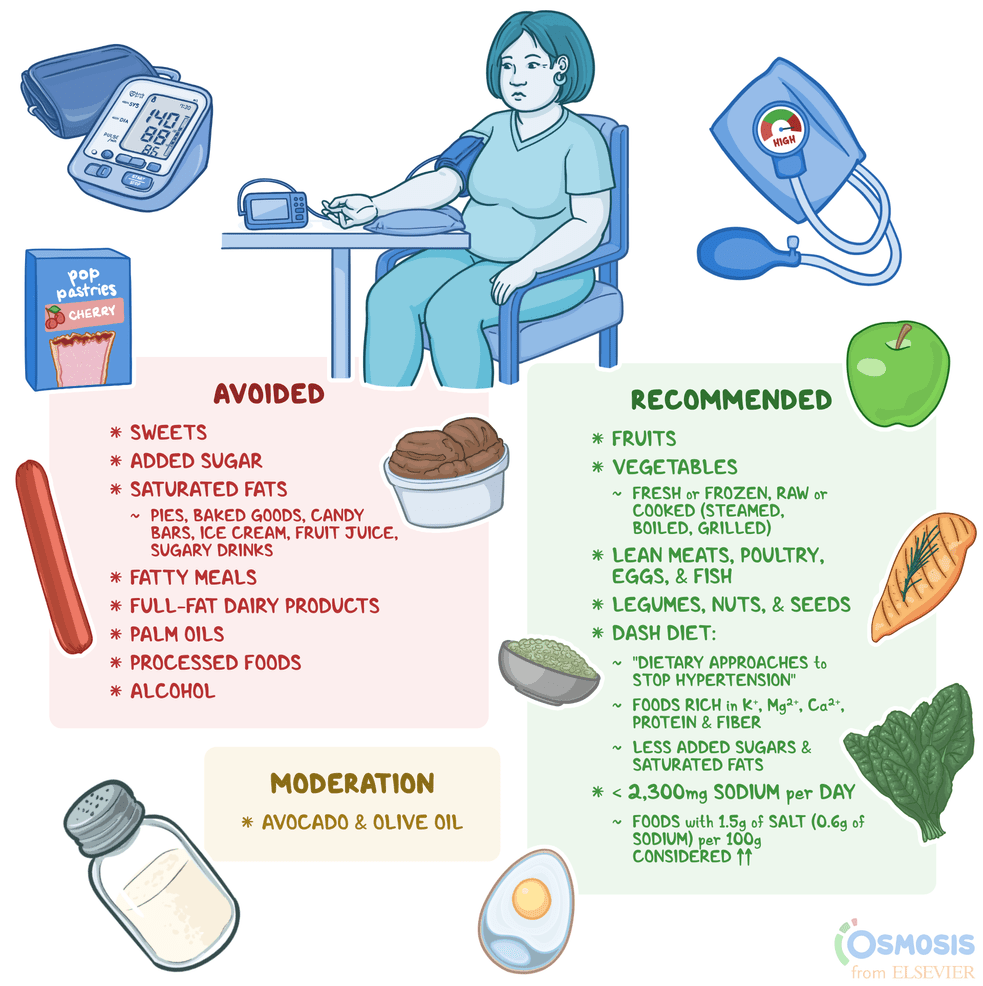
High blood pressure can be caused by various factors, including genetics, lifestyle choices, and diet. Some common culprits that contribute to high blood pressure include a diet high in sodium, saturated fats, and processed foods, as well as a lack of physical activity and chronic stress.
DASH Diet
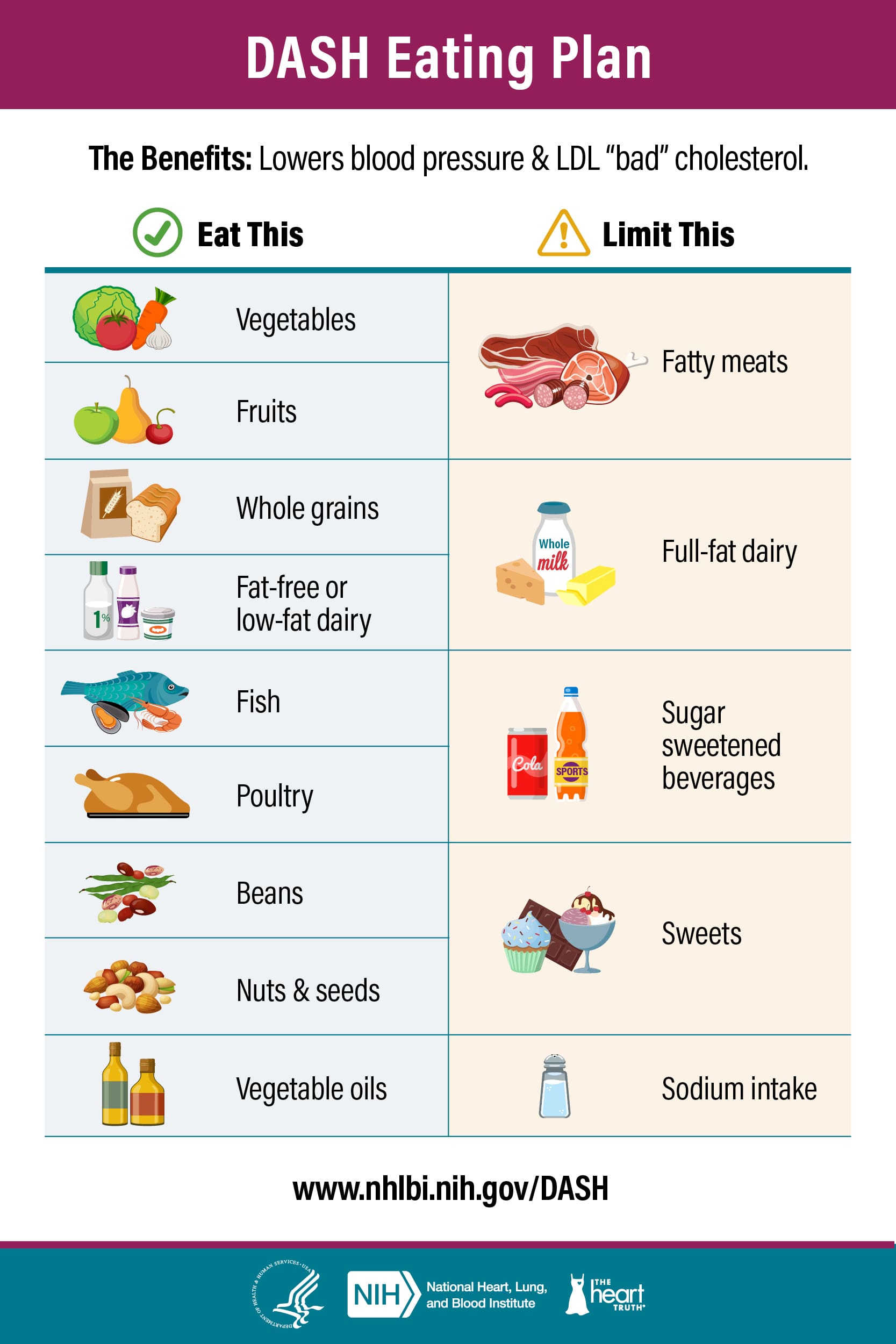
One of the most popular diets recommended for managing high blood pressure is the DASH (Dietary Approaches to Stop Hypertension) diet. This diet focuses on reducing sodium intake and increasing consumption of fruits, vegetables, whole grains, lean proteins, and low-fat dairy products.
Why DASH Diet Works
The DASH diet is effective for lowering blood pressure because it emphasizes nutrient-rich foods that are known to support heart health. By reducing sodium intake and increasing potassium, magnesium, and calcium intake, the DASH diet helps regulate blood pressure and improve overall cardiovascular health.
| Food Group | Servings per Day |
|---|---|
| Fruits | 4-5 |
| Vegetables | 4-5 |
| Grains | 6-8 |
| Lean protein | 2 or fewer servings |
| Low-fat dairy | 2-3 servings |
| Nuts, seeds, legumes | 4-5 servings per week |
| Fats and oils | 2-3 servings |
Mediterranean Diet
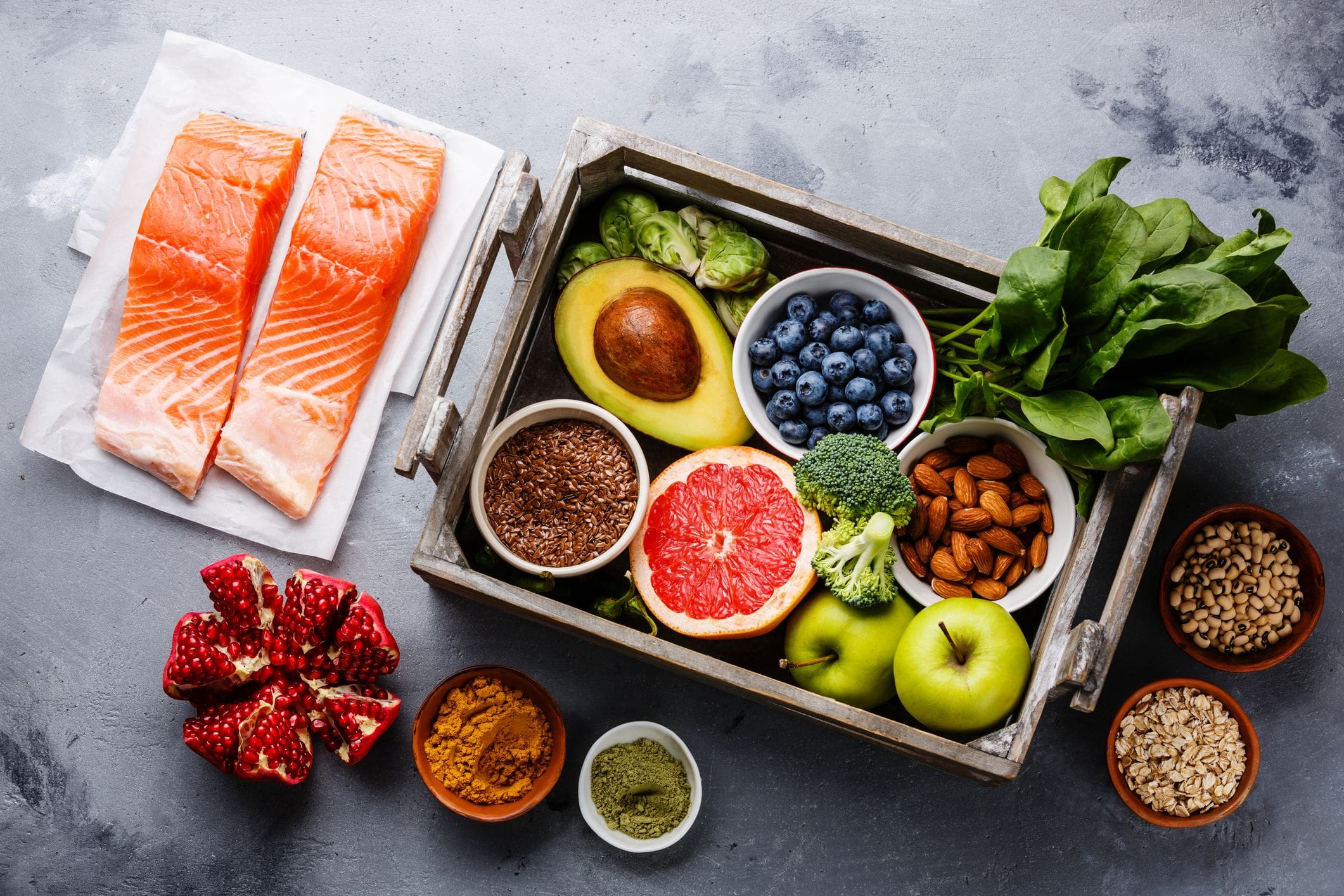
Another popular diet for high blood pressure is the Mediterranean diet, inspired by the traditional eating habits of people in countries bordering the Mediterranean Sea. This diet emphasizes whole, unprocessed foods like fruits, vegetables, whole grains, legumes, nuts, seeds, olive oil, and lean proteins like fish and poultry.
Why Mediterranean Diet Works
The Mediterranean diet is rich in heart-healthy nutrients like omega-3 fatty acids, antioxidants, and fiber. By focusing on plant-based foods, healthy fats, and lean proteins, this diet can help lower blood pressure, reduce inflammation, and improve overall cardiovascular health.
Plant-Based Diet
A plant-based diet is another excellent option for managing high blood pressure. This diet centers around whole, plant-based foods like fruits, vegetables, whole grains, legumes, nuts, and seeds, while minimizing or eliminating animal products and processed foods.
Why Plant-Based Diet Works
Plant-based diets are naturally low in sodium, cholesterol, and saturated fats, making them ideal for supporting heart health. By eating a variety of colorful fruits and vegetables, whole grains, and plant-based proteins, you can help lower your blood pressure, reduce your risk of cardiovascular disease, and improve your overall well-being.
Low-Sodium Diet
Reducing your sodium intake is crucial for managing high blood pressure. The average adult should consume no more than 2,300 milligrams of sodium per day, but most people exceed this amount due to the high sodium content of processed foods and restaurant meals.
Tips for Following a Low-Sodium Diet
- Read food labels and choose low-sodium or sodium-free options.
- Cook at home using fresh ingredients and herbs and spices to flavor your meals.
- Limit your consumption of processed and packaged foods, which are often high in sodium.
- Be mindful when dining out and ask for sauces and dressings on the side to control your sodium intake.
The Importance of Hydration
Staying hydrated is essential for managing high blood pressure. Dehydration can cause your blood pressure to rise, so it’s important to drink an adequate amount of water throughout the day.
Tips for Staying Hydrated
- Aim to drink at least 8-10 glasses of water per day.
- Carry a reusable water bottle with you to stay hydrated on the go.
- Eat water-rich foods like fruits and vegetables to boost your hydration levels.
- Limit your consumption of caffeinated and alcoholic beverages, as they can dehydrate you.
Physical Activity and Weight Management
In addition to following a healthy diet, regular physical activity and weight management are key components of managing high blood pressure. Exercise helps strengthen your heart, improve circulation, and lower your blood pressure. Maintaining a healthy weight can also reduce your risk of developing hypertension.
Tips for Getting Active
- Aim for at least 150 minutes of moderate-intensity exercise per week.
- Choose activities you enjoy, like walking, biking, swimming, or dancing.
- Incorporate strength training exercises to build muscle and boost your metabolism.
- Consult with a healthcare provider before starting a new exercise routine, especially if you have underlying health conditions.
Mindful Eating Practices
Practicing mindful eating can help you make healthier choices, manage portion sizes, and reduce stress around food. By paying attention to your hunger cues, savoring your meals, and eating without distractions, you can improve your relationship with food and support your overall well-being.
Tips for Mindful Eating
- Sit down at a table to eat, instead of eating on the go or in front of a screen.
- Take your time to chew your food thoroughly and enjoy the flavors and textures.
- Listen to your body’s hunger and fullness signals to know when to start and stop eating.
- Practice gratitude for your food and where it comes from, and the nourishment it provides your body.
Seek Professional Guidance
If you’re struggling to manage your high blood pressure through diet and lifestyle changes, or if you have any underlying health conditions that complicate your dietary needs, it’s essential to seek guidance from a healthcare provider or a registered dietitian. They can provide personalized recommendations and support to help you achieve your health goals.
In conclusion, managing high blood pressure through diet requires a holistic approach that includes choosing nutrient-rich foods, reducing sodium intake, staying hydrated, engaging in regular physical activity, and practicing mindful eating. By incorporating these strategies into your daily routine, you can make positive changes to support your cardiovascular health and overall well-being. Remember, small changes add up, so start with one step at a time and build upon your progress. You’ve got this!