
In this article, you will discover the top foods that can help you achieve holistic nutrition for your overall well-being. From vibrant fruits and vegetables full of essential vitamins and antioxidants to wholesome grains and lean proteins for sustained energy, incorporating these nutritious options into your diet can not only nourish your body but also nourish your mind and spirit. Whether you are looking to boost your immunity, improve digestion, or increase your energy levels, these best foods for holistic nutrition will guide you towards a healthier and more balanced lifestyle. Hey there! Have you ever wondered what the best foods are for holistic nutrition? In this article, we will explore a variety of foods that can help nourish your body, mind, and soul. From fruits and vegetables to whole grains and legumes, there are plenty of options to choose from to support your overall well-being.

The Importance of Holistic Nutrition
When it comes to holistic nutrition, the focus is on nourishing your body as a whole – physically, mentally, and emotionally. It’s about choosing foods that not only provide essential nutrients but also promote overall balance and harmony within your body. By incorporating a variety of nutrient-dense foods into your diet, you can support optimal health and well-being.
Why It’s Important to Eat a Variety of Foods
Eating a diverse range of foods can help ensure that you are getting all the essential nutrients your body needs to function properly. Each food offers a unique set of vitamins, minerals, and phytonutrients, so by incorporating a variety of foods into your diet, you can help prevent nutrient deficiencies and support overall health.
Best Foods for Holistic Nutrition
Let’s take a closer look at some of the best foods for holistic nutrition and how they can benefit your overall well-being.
Fruits and Vegetables
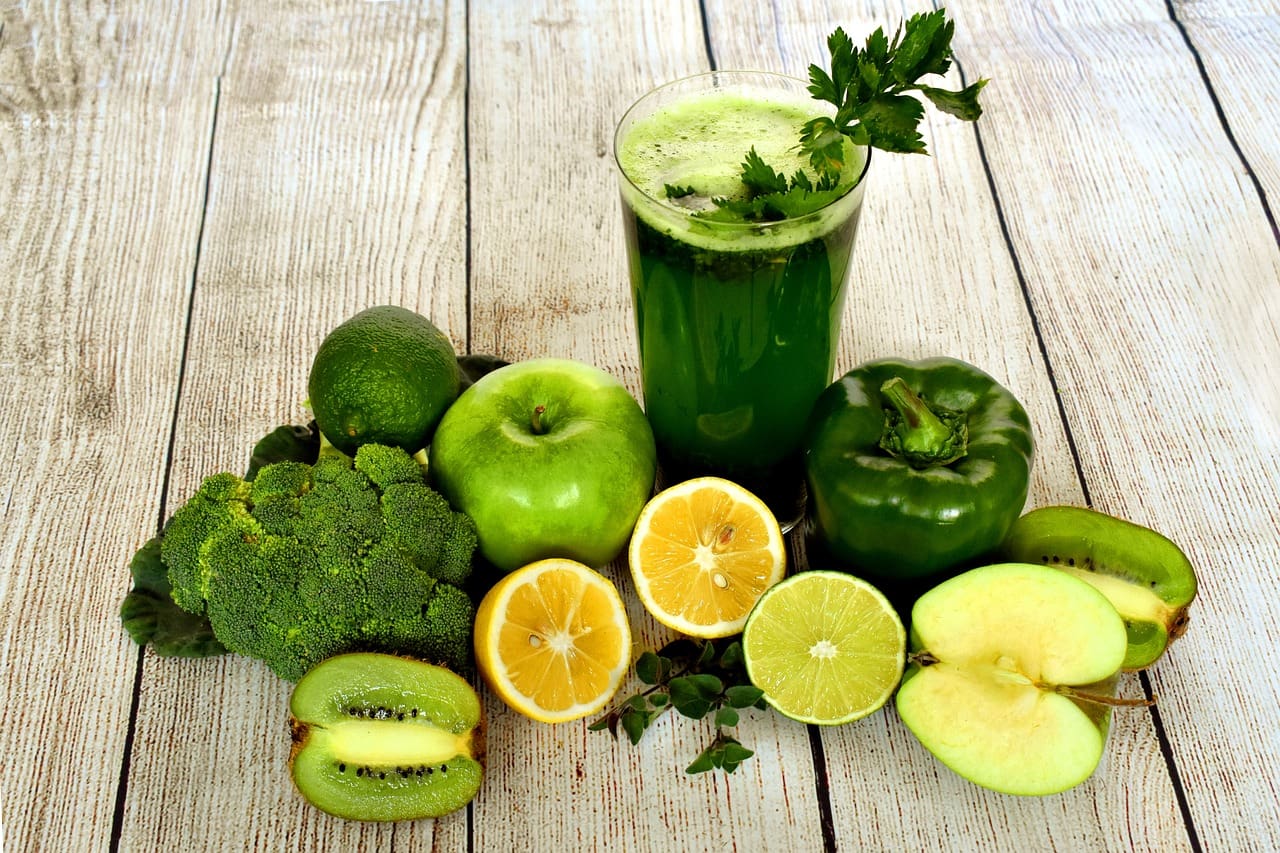
Fruits and vegetables are essential components of a holistic nutrition diet. They are packed with vitamins, minerals, antioxidants, and fiber, which can help support your immune system, improve digestion, and reduce inflammation in the body. Incorporating a colorful variety of fruits and vegetables into your meals can help ensure you are getting a wide range of nutrients.
Whole Grains
Whole grains, such as brown rice, quinoa, oats, and whole wheat, are rich in fiber, B vitamins, and minerals like magnesium and iron. They can help support digestion, regulate blood sugar levels, and provide sustained energy throughout the day. Opt for whole grains over refined grains to maximize their nutritional benefits.
Legumes
Legumes, including beans, lentils, and chickpeas, are excellent sources of plant-based protein, fiber, and essential nutrients like iron, zinc, and folate. They can help support muscle growth and repair, improve satiety, and promote heart health. Incorporate a variety of legumes into your meals to diversify your protein intake.
Healthy Fats
Healthy fats found in foods like avocados, nuts, seeds, and olive oil are essential for brain health, hormone regulation, and nutrient absorption. They also help reduce inflammation in the body and support cardiovascular health. Include sources of healthy fats in your diet to support cognitive function and overall well-being.
Lean Proteins
Lean sources of protein, such as poultry, fish, tofu, and lean cuts of meat, are important for muscle growth, tissue repair, and hormone production. Protein also helps keep you feeling full and satisfied after meals, which can aid in weight management. Be sure to include a variety of protein sources in your diet for optimal health.
Fermented Foods
Fermented foods like yogurt, kefir, sauerkraut, and kimchi are rich in probiotics, which are beneficial bacteria that support gut health. A healthy gut microbiome is essential for proper digestion, immune function, and mental health. Including fermented foods in your diet can help maintain a healthy balance of gut bacteria.

Creating Balanced Meals for Holistic Nutrition
Now that we’ve covered some of the best foods for holistic nutrition, let’s talk about how to create balanced meals that support your overall well-being.
Build Your Plate with Colorful Foods
When planning your meals, aim to include a variety of colorful fruits and vegetables to ensure you are getting a wide range of nutrients. Different colors indicate different nutrients, so incorporating a rainbow of foods can help support optimal health.
Include Protein, Healthy Fats, and Fiber
Try to include a source of lean protein, healthy fats, and fiber in each meal to help keep you feeling full and satisfied. Protein and fiber help regulate blood sugar levels and support digestion, while healthy fats provide essential nutrients for overall health.
Don’t Forget about Hydration
Staying hydrated is key to supporting overall health and well-being. Aim to drink plenty of water throughout the day and include hydrating foods like fruits, vegetables, and herbal teas in your diet. Hydration is essential for optimal digestion, nutrient absorption, and detoxification.
The Role of Mindful Eating in Holistic Nutrition
In addition to choosing the right foods to support holistic nutrition, practicing mindful eating can also enhance your overall well-being. Mindful eating involves paying attention to your food choices, listening to your body’s hunger and fullness cues, and savoring each bite. By being present and mindful when eating, you can foster a healthier relationship with food and improve digestion.
Tips for Practicing Mindful Eating
- Take time to appreciate your food before diving in
- Chew your food slowly and savor the flavors
- Eat without distractions, such as TV or mobile phones
- Listen to your body’s hunger and fullness signals
- Practice gratitude for the nourishing food on your plate
Conclusion
Incorporating the best foods for holistic nutrition into your diet can help support your overall well-being and promote optimal health. By choosing nutrient-dense foods like fruits and vegetables, whole grains, lean proteins, healthy fats, and fermented foods, you can nourish your body, mind, and soul. Remember to create balanced meals, practice mindful eating, and stay hydrated to support your holistic nutrition journey. Here’s to your health and well-being!