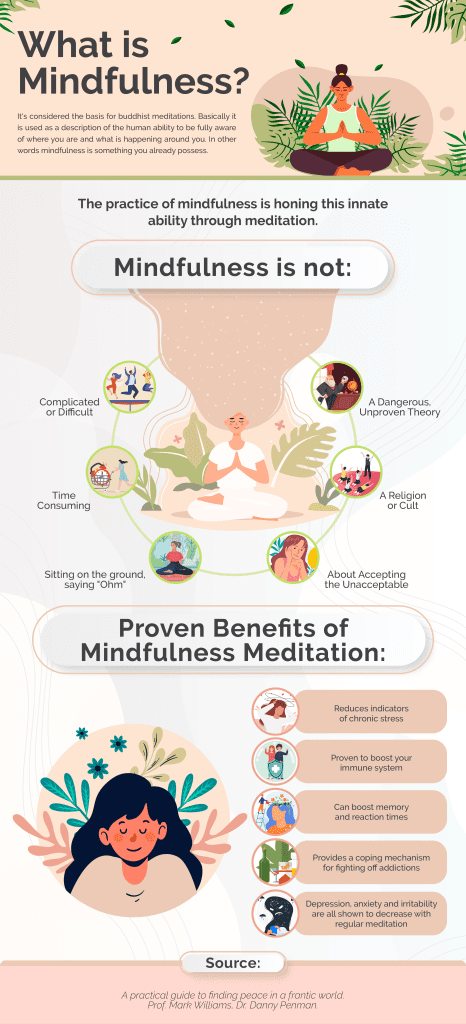
In the fast-paced world we live in, it’s no surprise that many women are seeking mindfulness practices as a way to find balance and calm in their daily lives. From meditation to yoga, there are a variety of techniques that have gained popularity among women seeking a more grounded and present mindset. In this article, we will explore some of the most popular mindfulness practices for women, discussing their benefits and how they can be incorporated into your routine. Whether you’re looking to reduce stress, increase self-awareness, or cultivate a sense of gratitude, these practices offer a powerful tool for personal growth and well-being. So, let’s embark on this journey together and discover the joy of mindfulness!
Meditation
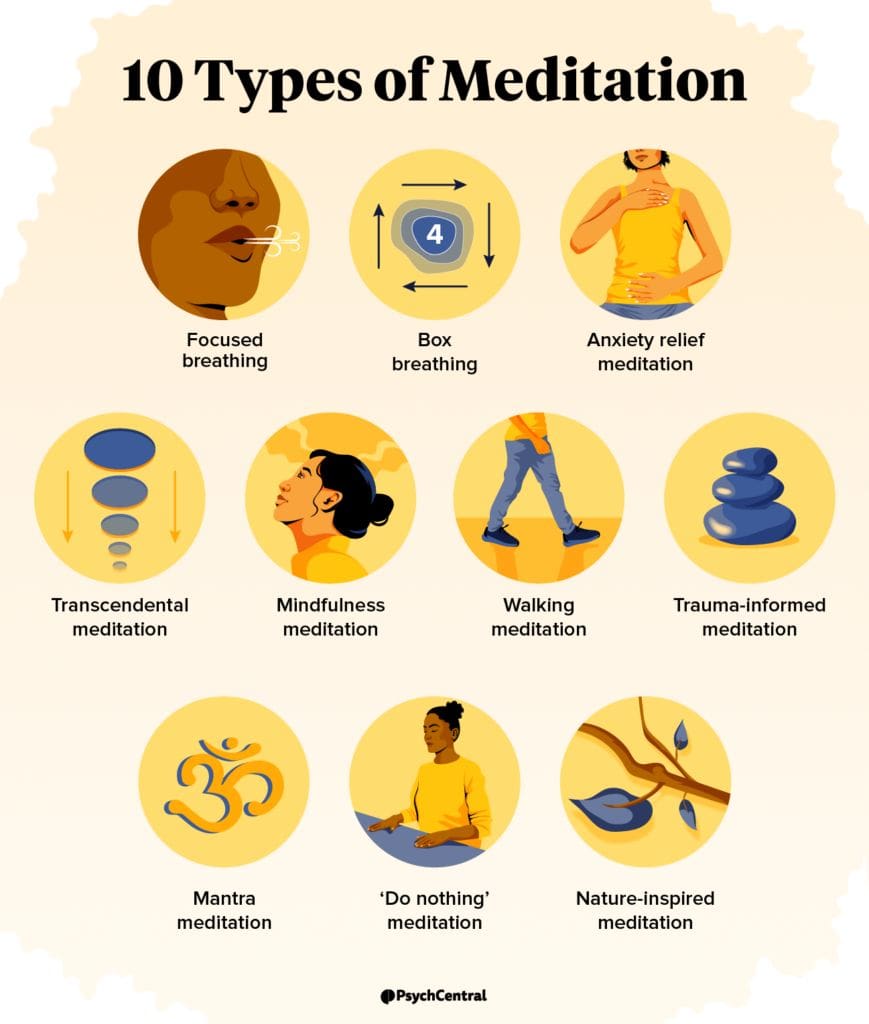
Meditation is a powerful practice that can help you find peace and clarity in your mind. By setting aside time each day to quiet your thoughts and focus on the present moment, you can experience a greater sense of calm and well-being. There are various types of meditation techniques that you can try, and here are some of the most popular ones for women:
Breathing exercises
One of the simplest and most accessible forms of meditation is through breathing exercises. This involves focusing your attention on your breath and observing its natural rhythm. By bringing your awareness to your breath, you can anchor yourself in the present moment and let go of any racing thoughts or worries.
Guided visualizations
Another effective form of meditation is guided visualizations. This involves listening to a recorded meditation that takes you on a journey through your imagination. You might be guided to visualize a peaceful beach or a serene forest, allowing your mind to relax and let go of any tension or stress.
Mantra meditation
Mantra meditation involves repeating a word, phrase, or affirmation to help focus and calm the mind. By choosing a mantra that resonates with you, you can bring your attention back to the present moment whenever your mind starts to wander. Mantras can be simple, such as “I am enough,” or more traditional, such as “om.”
Loving-kindness meditation
Loving-kindness meditation is a practice that involves cultivating feelings of love, compassion, and kindness towards yourself and others. This practice can help you develop a greater sense of empathy and connection with others, as well as foster self-compassion and self-love. By silently repeating phrases like “May I be happy, may I be healthy, may I be safe, may I live with ease,” you can generate positive emotions and cultivate a sense of well-being.
Yoga
Yoga is a holistic practice that combines physical postures, breath control, and meditation to promote overall health and well-being. It is a popular mindfulness practice for women, as it not only helps to increase strength and flexibility, but also cultivates a sense of mindfulness and self-awareness. Here are some of the most popular types of yoga for women:
Hatha yoga
Hatha yoga is a gentle and slow-paced form of yoga that focuses on physical postures and breath control. It is suitable for beginners and those looking for a more relaxed and meditative practice. Hatha yoga classes often incorporate a combination of standing, seated, and lying down postures, as well as relaxation and breathing exercises.
Vinyasa yoga
Vinyasa yoga, also known as flow yoga, is a more dynamic and fluid style of yoga that synchronizes movement with breath. It is a popular choice for women who enjoy a more physically challenging practice, as it involves flowing through a series of poses in a continuous and flowing manner. Vinyasa yoga classes often incorporate a combination of strength-building postures, balancing poses, and inversions.
Restorative yoga
Restorative yoga is a gentle and therapeutic form of yoga that focuses on relaxation and deep rest. It involves holding passive poses for longer periods of time, typically supported by props such as bolsters and blankets, to allow for deep relaxation and release of tension. Restorative yoga is especially beneficial for women who wish to reduce stress and promote relaxation.
Yin yoga
Yin yoga is a slow-paced style of yoga that targets the connective tissues in the body, such as the ligaments and fascia. It involves holding passive poses for extended periods, typically between three to five minutes, to encourage deep stretching and release of tension. Yin yoga is a popular choice for women who want to improve flexibility and promote a sense of calm and relaxation.
Journaling
Journaling is a powerful mindfulness practice that allows you to explore your thoughts, feelings, and experiences on paper. By regularly writing in a journal, you can gain clarity, process emotions, and cultivate self-awareness. Here are some popular journaling practices for women:
Gratitude journaling
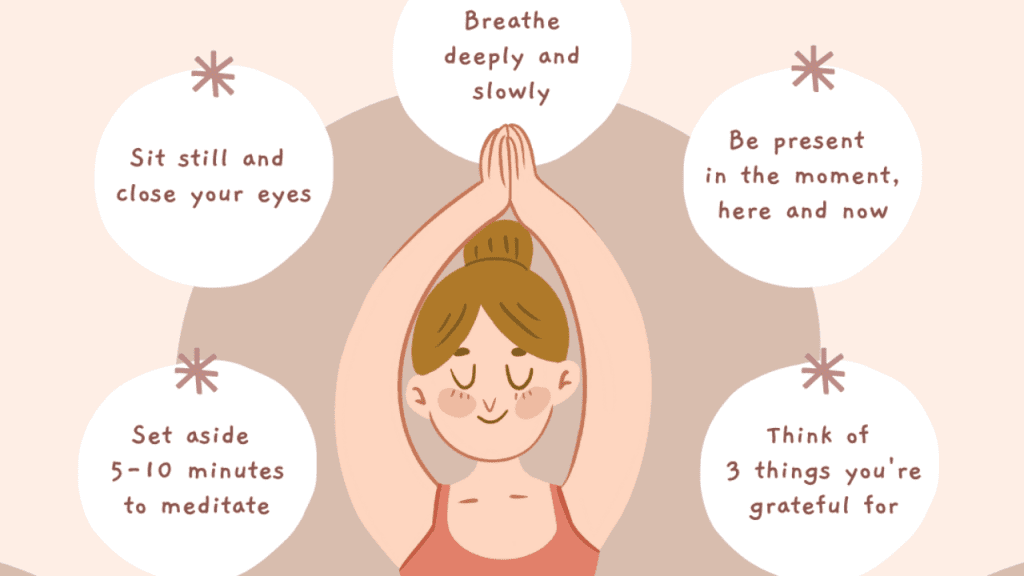
Gratitude journaling is a practice that involves writing down things you are grateful for on a regular basis. By focusing on the positive aspects of your life, you can shift your perspective and cultivate a greater sense of gratitude and positivity. Each day, take a few minutes to write down three things you are grateful for and reflect on why they bring you joy.
Self-reflection prompts
Self-reflection prompts are questions or statements that encourage deep introspection and self-discovery. By using prompts such as “What are my core values?” or “What are my biggest fears and how can I overcome them?” you can gain a deeper understanding of yourself and your desires. Take time each week to sit with a self-reflection prompt and write freely about your thoughts and emotions.
Creative writing
Creative writing is a form of journaling that allows you to express yourself creatively through words. Whether you enjoy writing poetry, short stories, or personal essays, engaging in creative writing can be a therapeutic and cathartic practice. Set aside time each week to let your creativity flow and write without judgment or self-censorship.
Goal setting
Journaling can also be a powerful tool for setting and tracking your goals. By writing down your goals and breaking them down into actionable steps, you can create a roadmap for success and hold yourself accountable. Regularly review your goals and track your progress in your journal to stay motivated and focused.
Walking
Walking is a simple yet effective mindfulness practice that can be done anywhere, anytime. It allows you to connect with your body, the environment, and the present moment. Here are some popular walking practices for women:
Nature walks
Taking a walk in nature can have a profound impact on your well-being and mental clarity. Whether you have access to a nearby park, beach, or hiking trail, spending time in nature can help you feel grounded and connected. Take a slow and leisurely walk, paying attention to the sights, sounds, and smells of the natural world around you.
Walking meditation
Walking meditation is a form of meditation in motion. It involves walking slowly and deliberately, paying attention to each step and the sensations in your body. As you walk, bring your awareness to the physical sensations of walking, such as the feeling of your feet touching the ground or the movements of your legs. This practice can help you cultivate mindfulness and presence in everyday life.
Intentional walking
Intentional walking involves setting a specific intention or focus for your walk. This could be a particular emotion you want to cultivate, such as joy or gratitude, or a specific area of your life you want to reflect on, such as your relationships or career. As you walk, keep your intention in mind and allow it to guide your thoughts and observations.
Group walking
Walking with others can be a social and enjoyable mindfulness practice. Invite friends, family, or colleagues to join you for a walk and engage in meaningful conversations or simply enjoy each other’s presence. Group walking can foster connection, support, and a sense of community, while also providing the opportunity for self-reflection and relaxation.
Breathwork
Breathwork is a powerful mindfulness practice that involves intentionally manipulating your breath to induce a state of relaxation and calm. By focusing on your breath, you can bring yourself into the present moment and activate the body’s natural relaxation response. Here are some popular breathwork techniques for women:
Box breathing
Box breathing is a technique that involves inhaling, holding the breath, exhaling, and holding the breath again in a structured pattern. To practice box breathing, inhale deeply for a count of four, hold the breath for a count of four, exhale for a count of four, and hold the breath again for a count of four. Repeat this pattern several times, focusing on the rhythm and sensations of your breath.
Pranayama techniques
Pranayama is a Sanskrit term that refers to various breathing techniques used in yoga. These techniques can help to balance and harmonize the body’s energy. Some popular pranayama techniques include deep abdominal breathing, alternate nostril breathing, and the cooling breath. Explore different pranayama techniques and find the ones that resonate with you.
Alternate nostril breathing
Alternate nostril breathing is a calming and balancing breathwork technique. It involves using the thumb and ring finger of one hand to alternately close and open the nostrils while inhaling and exhaling. To practice alternate nostril breathing, start by closing your right nostril with your thumb and inhale through your left nostril. Then, close your left nostril with your ring finger, release your right nostril, and exhale through your right nostril. Repeat this sequence several times, focusing on the flow of breath and the sensations in your nostrils.
Breath-awareness exercises
Breath-awareness exercises simply involve bringing your attention to the sensations of your breath without trying to change or control it. Find a comfortable seated position, close your eyes, and bring your awareness to your breath. Notice the inhale and exhale, the rise and fall of your chest or abdomen, and any other sensations you feel. Allow your breath to flow naturally, without judgment or manipulation, and simply observe the sensations and rhythm of your breath.
Body Scan
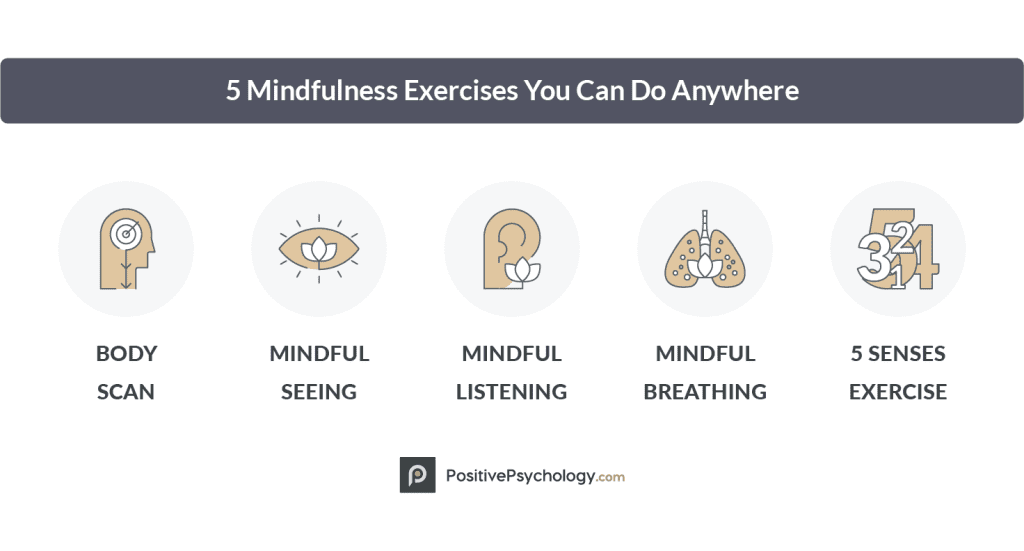
The body scan is a mindfulness practice that involves systematically bringing your attention to different parts of your body and noticing any sensations or tension. By cultivating awareness of your body, you can relax and release physical and mental tension. Here are some popular body scan practices for women:
Progressive muscle relaxation
Progressive muscle relaxation is a technique that involves tensing and releasing each muscle group in your body, one at a time. Starting from your toes and working your way up to your head, tense each muscle group for a few seconds and then release, allowing the muscle to relax completely. This practice can help to release physical tension and promote a deep sense of relaxation.
Somatic experiencing
Somatic experiencing is a therapeutic approach that combines mindfulness and body awareness to release and heal trauma and stress. It involves bringing awareness to the physical sensations in your body and noticing any areas of tension or discomfort. By gently exploring these sensations without judgment or avoidance, you can promote healing and resilience.
Body awareness meditation
Body awareness meditation is a practice that involves bringing your attention to your body and its sensations in the present moment. Find a comfortable seated position, close your eyes, and take a few deep breaths. Bring your awareness to each part of your body, starting from your head and working your way down to your toes. Notice any sensations, tension, or areas of comfort in each body part, and simply observe without judgment or the need to change anything.
Yoga Nidra
Yoga Nidra, also known as yogic sleep, is a deep relaxation practice that guides you into a state of conscious sleep. It involves lying down in a comfortable position and following verbal instructions that lead you through a series of body awareness exercises and guided visualizations. Yoga Nidra can help to reduce stress, promote better sleep, and awaken a sense of deep relaxation and rejuvenation.
Visualization
Visualization is a mindfulness practice that involves using your imagination to create positive mental images. By visualizing desired outcomes or experiences, you can harness the power of your mind to manifest your desires and cultivate a positive mindset. Here are some popular visualization techniques for women:
Manifestation exercises
Manifestation exercises involve visualizing your goals and desires as already achieved or attained. Close your eyes, take several deep breaths, and bring a specific goal or desire to mind. Imagine yourself already living that reality, feeling the emotions associated with it, and noticing the details of the experience. By regularly practicing manifestation exercises, you can align your thoughts and emotions with your goals and increase the likelihood of their manifestation.
Creative visualization
Creative visualization is a form of visualization that involves creating vivid mental images of desired outcomes or experiences. This can be done through guided visualization exercises or by simply using your imagination. Visualize yourself in a specific situation or achieving a particular goal, and engage your senses to make the visualization more immersive. By regularly practicing creative visualization, you can enhance motivation, boost self-confidence, and cultivate a positive mindset.
Future self-visualization
Future self-visualization involves visualizing your ideal self in the future. Close your eyes, take a few deep breaths, and imagine yourself five or ten years ahead, living your dream life and embodying your desired characteristics. Notice how you look, how you feel, and the activities and relationships that bring you joy. By visualizing your future self, you can gain clarity on your aspirations and take inspired action towards becoming that person.
Mental rehearsal
Mental rehearsal is a visualization technique commonly used by athletes and performers to enhance performance and achieve goals. It involves mentally rehearsing a specific task or skill, imagining yourself performing it successfully and with ease. By visualizing the desired outcome and mentally practicing the steps involved, you can train your mind and body to perform at their best.
Gratitude Practice
Developing a gratitude practice can significantly improve your well-being and bring more positivity into your life. By regularly expressing gratitude, you shift your focus from what is lacking to what you already have, cultivating a sense of abundance and contentment. Here are some popular gratitude practices for women:
Gratitude journaling
Gratitude journaling involves writing down things you are grateful for on a regular basis. Set aside a few minutes each day or week to reflect on the positive aspects of your life and write them down in a journal. This practice can help you cultivate a greater sense of gratitude and appreciation for the simple pleasures and blessings in your life.
Gratitude meditation
Gratitude meditation involves cultivating feelings of gratitude and appreciation through focused attention and intention. Find a quiet and comfortable space to sit, close your eyes, and take a few deep breaths. Bring to mind things you are grateful for and silently repeat phrases of gratitude, such as “I am grateful for my health” or “I am grateful for the love and support in my life.” Allow the feelings of gratitude to wash over you and permeate your being.
Thank-you notes
Sending thank-you notes or expressing gratitude directly to others can have a profound impact on both their well-being and yours. Take a moment to reflect on the people in your life who have made a positive difference and write them a heartfelt note expressing your gratitude and appreciation. This simple act of kindness can strengthen relationships, foster connection, and spread positivity.
Sharing gratitude with others
In addition to writing thank-you notes, you can also practice sharing gratitude verbally with others. Take the time to express your appreciation for the people in your life through heartfelt compliments and acts of kindness. By acknowledging and expressing gratitude for others, you not only bring joy and positivity into their lives but also cultivate a greater sense of connection and belonging.
Mindful Eating
Mindful eating is a practice that involves bringing awareness and full attention to the experience of eating. By savoring each bite and tuning into your body’s hunger and fullness cues, you can develop a healthier relationship with food and cultivate a greater sense of gratitude for nourishment. Here are some mindful eating practices for women:
Eating with full attention
One of the simplest ways to practice mindful eating is to eat with full attention and without distractions. Turn off the television, put away your phone, and create a calm and peaceful environment for your meals. As you eat, focus on the taste, texture, and aroma of your food, and savor each bite mindfully.
Chewing slowly and mindfully
Another important aspect of mindful eating is chewing your food slowly and thoroughly. Take the time to chew each bite, savoring the flavors and textures. This allows your body to properly digest the food and signals to your brain that you are satisfied.
Savoring each bite
When you eat mindfully, you can fully appreciate the flavors and textures of your food. Take the time to savor each bite, noticing the different tastes and sensations in your mouth. Pay attention to the temperature, the crunch, the sweetness, and any other qualities that stand out to you. This practice can enhance your enjoyment of food and foster a deeper connection to the present moment.
Appreciating the food’s origin and journey
Mindful eating also involves taking a moment to appreciate the journey that your food has taken before it reaches your plate. Consider the farmers, the laborers, and the natural processes that have contributed to the food being in front of you. Reflect on the nourishment and sustenance that it provides, and express gratitude for the food and all the hands that have touched it.
Digital Detox
In today’s fast-paced and technology-driven world, taking regular breaks from electronic devices is essential for maintaining balance and well-being. A digital detox allows you to recharge, reconnect with yourself and others, and create space for offline activities and hobbies. Here are some practices for incorporating a digital detox into your life:
Unplugging from electronic devices
The first step in a digital detox is to unplug from electronic devices. Set aside dedicated time each day or week where you turn off your phone, laptop, and other gadgets. Use this time to engage in activities that nourish your mind, body, and soul.
Setting boundaries with technology
Setting clear boundaries with technology is crucial for maintaining a healthy relationship with electronic devices. Establish specific times and places where you avoid using your phone or engaging with social media. For example, you might decide to turn off your phone during meals, or designate certain rooms in your home as tech-free zones.
Creating tech-free zones
Creating tech-free zones in your home or workspace can help create physical spaces that are free from distractions. Choose specific rooms or areas where you refrain from using electronic devices, such as the bedroom or the dining room. This allows you to fully engage in activities and conversations without the constant presence of screens.
Engaging in offline hobbies and activities
Finally, a digital detox is an opportunity to engage in offline hobbies and activities that bring you joy and fulfillment. This could include reading a book, practicing a musical instrument, engaging in a creative project, or spending time in nature. By intentionally making time for offline activities, you can nourish your mind, body, and soul and cultivate a greater sense of balance and well-being.
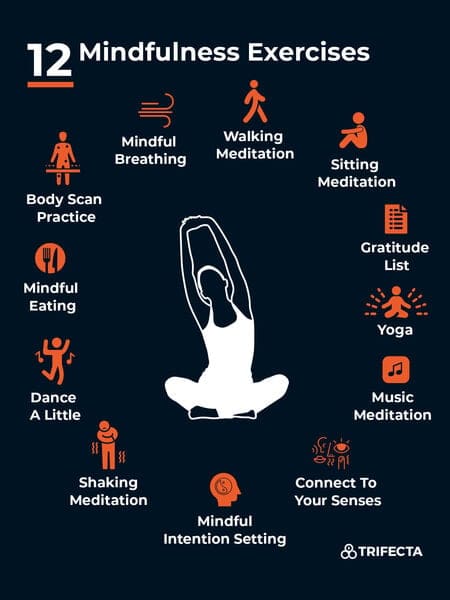
Incorporating mindfulness practices into your daily life can have a profound impact on your well-being and overall happiness. Whether you choose to explore meditation techniques, engage in yoga, journal, take mindful walks, practice breathwork, engage in body scans, visualize, express gratitude, practice mindful eating, or embark on a digital detox, remember that these practices are meant to support and nourish you. Start with one or two practices that resonate with you, and gradually incorporate more into your routine as you feel comfortable. Embrace the journey of self-discovery and self-care, and enjoy the benefits of a more mindful and present life.