

In this article, you will discover a collection of the most popular natural remedies for minor ailments and discomforts. Whether you’re dealing with a common cold, an upset stomach, or a pesky headache, these remedies can provide relief without the need for pharmaceuticals. From soothing herbal teas to powerful essential oils, you’ll find a variety of holistic options to help you feel better in no time. Say goodbye to unnecessary chemicals and hello to the healing power of nature!
Headaches and Migraines
Peppermint Essential Oil
If you’re familiar with essential oils, you may have heard about the wonders of peppermint oil. And let me tell you, it’s not just a pleasant scent! Peppermint essential oil has long been used as a natural remedy for headaches and migraines. The menthol in peppermint oil has a soothing effect on the muscles and can help alleviate tension headaches. Simply apply a few drops of diluted peppermint oil to your temples, forehead, and the back of your neck, and gently massage it in. You’ll feel the cooling sensation instantly, and with continued use, you might notice a reduction in the frequency and intensity of your headaches.
Lavender Essential Oil
Another essential oil that has been known to provide relief for headaches and migraines is lavender oil. Lavender is well-known for its relaxing and calming properties, and it can do wonders for a pounding headache. Just like with peppermint oil, you’ll want to dilute lavender oil before applying it to your skin. You can mix a few drops with a carrier oil, such as coconut or almond oil, and gently massage it onto your temples, forehead, and the back of your neck. The pleasant aroma of lavender can also help you relax and ease any tension that might be contributing to your headache.
Ginger Tea
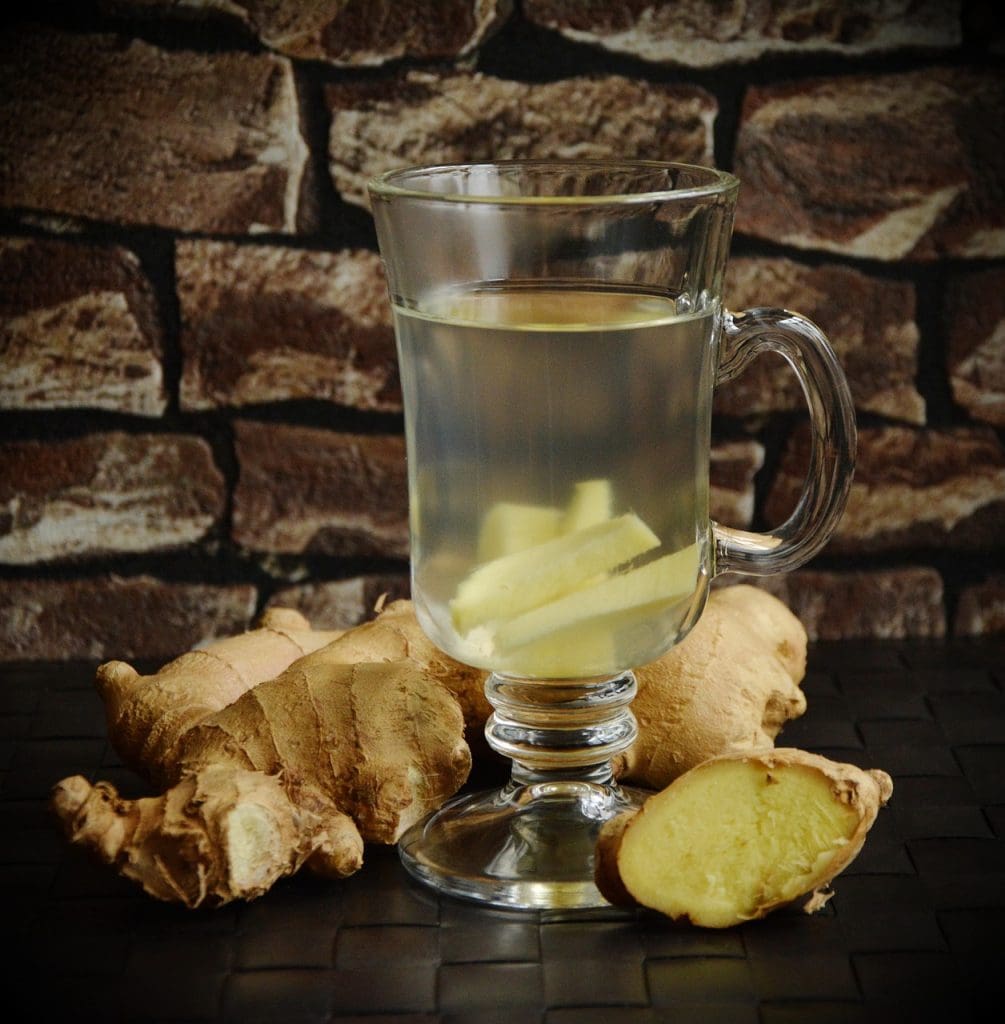
Ginger has been used for centuries as a natural remedy for various ailments, including headaches and migraines. It contains compounds that have anti-inflammatory and pain-relieving properties, making it an excellent choice for those seeking relief from head pain. The easiest way to incorporate ginger into your routine is by drinking ginger tea. To make ginger tea, simply slice a piece of fresh ginger and steep it in hot water for about 10 minutes. You can add a squeeze of lemon juice or a teaspoon of honey for some added flavor. Sip on this soothing concoction whenever you feel a headache coming on, and hopefully, you’ll experience some relief.
Feverfew Supplements
Feverfew is an herb that has gained recognition for its potential in treating migraines. The active compounds in feverfew, known as parthenolides, have been found to reduce the frequency and intensity of migraines in some individuals. While more research is needed to fully understand its effectiveness, many people have reported positive results from taking feverfew supplements. It’s important to note that feverfew should be taken regularly for a few weeks to see noticeable improvements. Additionally, if you’re on any medications, it’s always wise to consult with your healthcare provider before adding any new supplements to your routine.
Digestive Issues
Peppermint Tea
If you’ve ever experienced an upset stomach or indigestion, you’re likely familiar with the soothing properties of peppermint tea. Peppermint tea can help relax the muscles of the gastrointestinal tract, reducing spasms and relieving symptoms such as bloating, gas, and stomach cramps. To make peppermint tea, steep a handful of fresh peppermint leaves or a peppermint tea bag in hot water for about 5-10 minutes. You can enjoy this refreshing tea after a meal or whenever you’re feeling a bit uneasy in the stomach.
Ginger
Ginger, once again, comes to the rescue when it comes to digestive discomfort. Whether you’re dealing with nausea, motion sickness, or an upset stomach, ginger can be a reliable natural remedy. Ginger has been shown to help speed up digestion, reduce inflammation in the gut, and relieve nausea. You can try incorporating fresh ginger into your meals or snacks, or you can make ginger tea by steeping a slice of ginger in hot water. If you’re not a fan of the taste of ginger, you can also find ginger candies or ginger supplements that provide the same benefits.
Chamomile Tea
Chamomile tea is a beloved herbal drink known for its calming and soothing effects. But did you know that it can also be beneficial for your digestive health? Chamomile has been traditionally used to ease stomach discomfort, reduce inflammation in the gastrointestinal tract, and promote better digestion. Drinking a cup of chamomile tea after a meal can help relax your muscles, reduce gas, and alleviate symptoms of indigestion. You can find chamomile tea bags at most grocery stores, and brewing a cup is as simple as steeping the tea bag in hot water for a few minutes.
Fennel Seeds
Fennel seeds are tiny but mighty when it comes to relieving digestive issues. These little seeds are packed with compounds that can help relax the muscles of the gastrointestinal tract, reduce bloating and gas, and soothe an upset stomach. You can chew on a small handful of fennel seeds after a meal or brew them into a tea by steeping them in hot water for about 10 minutes. Fennel seeds have a subtle licorice-like flavor that can be quite refreshing, making them a pleasant way to support your digestion.

Sore Throat
Honey and Warm Water
One of the most well-known natural remedies for a sore throat is a simple mixture of honey and warm water. Honey has been used for centuries for its antibacterial and soothing properties, and it can provide instant relief for a scratchy, irritated throat. To make this remedy, mix a tablespoon of honey with a cup of warm water and stir until the honey is dissolved. Sip on this mixture slowly, allowing the honey to coat your throat and provide relief. You can also add a squeeze of lemon juice for some extra vitamin C.
Salt Water Gargle
Another tried and true remedy for a sore throat is a saltwater gargle. Gargling with salt water can help reduce inflammation, kill bacteria, and soothe a sore throat. Simply mix half a teaspoon of salt with a cup of warm water and stir until the salt is dissolved. Take a small sip of the mixture, tilt your head back, and gargle for about 30 seconds. Spit out the water and repeat the process until you’ve used up the entire cup. Try doing this a few times a day, especially before bed, for maximum relief.
Apple Cider Vinegar
Apple cider vinegar (ACV) is a versatile natural remedy that can be used for many ailments, including a sore throat. ACV has antimicrobial properties that can help kill bacteria and viruses, which may be causing your sore throat. Mix a tablespoon of ACV with a cup of warm water and add a teaspoon of honey for some sweetness. Gargle with this mixture for about 30 seconds and then spit it out. Be sure to rinse your mouth with plain water afterwards to prevent the acidity of the vinegar from affecting your tooth enamel. Regular gargling with ACV can help soothe your throat and support your body’s natural healing process.
Marshmallow Root Tea
While you may think of marshmallows as a sweet treat, the marshmallow plant root can actually be used to soothe a sore throat. Marshmallow root contains a slippery substance called mucilage, which can coat and soothe the lining of your throat. You can find marshmallow root tea bags at health food stores, or you can make your own marshmallow root tea by steeping a teaspoon of dried marshmallow root in a cup of hot water for about 10-15 minutes. Sip on this tea throughout the day to provide relief and promote healing.
Common Cold
Echinacea Supplements
When it comes to boosting your immune system and fighting off the common cold, echinacea supplements are often recommended. Echinacea is an herb that has been traditionally used to prevent and treat respiratory infections, including the common cold. It’s believed to stimulate the immune system and reduce the severity and duration of cold symptoms. You can find echinacea supplements in various forms, such as capsules, tinctures, and teas. However, it’s important to note that echinacea should not be taken long-term, and it’s best to consult with your healthcare provider before starting any new supplements.
Garlic
Garlic is not only a delicious addition to your meals, but it also packs a powerful punch when it comes to fighting off cold symptoms. Garlic contains compounds that have antimicrobial and immune-boosting properties, making it an excellent natural remedy for the common cold. You can incorporate more garlic into your diet by adding it to your meals or making garlic tea. To make garlic tea, simply crush a clove of garlic and steep it in hot water for a few minutes. Add a squeeze of lemon juice and a teaspoon of honey for some extra flavor. Drink this immune-boosting concoction a few times a day to help your body fight off the cold virus.
Honey and Lemon Tea
A classic remedy for cold symptoms is a warm cup of honey and lemon tea. Honey is well-known for its antibacterial properties, while lemon provides a boost of vitamin C to support your immune system. Simply squeeze the juice of half a lemon into a cup of hot water, add a teaspoon of honey, and stir until the honey is dissolved. Sip on this comforting tea throughout the day to soothe your throat, support your immune system, and provide some much-needed hydration.
Ginseng
Ginseng has long been used in traditional medicine for its potential immune-boosting properties. It’s believed to stimulate and strengthen the immune system, making it an ideal natural remedy for colds. You can find ginseng supplements in various forms, such as capsules, powders, and teas. However, it’s important to note that ginseng may interact with certain medications, so it’s always best to consult with your healthcare provider before adding any new supplements to your routine.
Cough
Honey
Honey is a natural cough suppressant that can provide relief for irritating coughs. It coats the throat and acts as a demulcent, soothing the cough reflex. For temporary relief, you can take a spoonful of honey as needed or mix it with warm water or tea. It’s important to note that honey should not be given to children under the age of one due to the risk of botulism.
Thyme Tea
Thyme tea can be a soothing remedy for coughs, especially those caused by respiratory infections. Thyme contains compounds that can help relax the muscles of the trachea and bronchi, reducing coughing. To make thyme tea, steep a teaspoon of dried thyme leaves in a cup of hot water for about 10 minutes. You can add a teaspoon of honey or lemon juice for some added flavor and cough-relieving benefits. Sip on this tea throughout the day to ease your cough and support your respiratory health.
Licorice Root Tea
Licorice root has been used in traditional medicine for its potential expectorant properties. It can help loosen mucus and soothe an irritated throat, making it an effective remedy for persistent coughs. You can find licorice root tea bags at health food stores, or you can make your own licorice root tea by steeping a teaspoon of dried licorice root in a cup of hot water for about 10-15 minutes. Sip on this tea as needed to help relieve your cough.
Peppermint Candy
If you’re dealing with a dry and irritating cough, sucking on a peppermint candy can provide temporary relief. The menthol in peppermint can help numb the throat and suppress the cough reflex. However, it’s important to choose sugar-free peppermint candies to avoid aggravating a sore throat or worsening dental health.
Nausea
Ginger
Ginger, once again, proves to be a versatile natural remedy, this time for relieving nausea. Ginger has a long history of use for alleviating digestive discomfort, including feelings of queasiness and the urge to vomit. Ginger can help reduce inflammation in the stomach, relax the muscles of the gastrointestinal tract, and alleviate nausea caused by motion sickness or morning sickness. You can enjoy ginger in various forms, such as ginger tea, ginger candies, or even ginger ale made with real ginger. Experiment with different forms to find what works best for you and keeps your nausea at bay.
Peppermint Essential Oil
Peppermint essential oil, with its refreshing and soothing properties, can also help alleviate nausea. The aroma of peppermint has been shown to reduce feelings of nausea and vomiting. You can inhale peppermint oil directly from the bottle or add a few drops to a diffuser to experience its calming effects. Just be sure to dilute the oil before applying it to your skin, as undiluted essential oils can cause skin sensitivities.
Lemon
The scent of lemon has a refreshing and uplifting effect on the senses, and it can also help relieve nausea. You can simply inhale the scent of a freshly cut lemon, add a few drops of lemon essential oil to a diffuser, or sip on a cup of warm water with a squeeze of lemon juice. Lemon water can also help rehydrate your body, which is especially important if you’ve been vomiting.
Chamomile Tea
Chamomile tea, with its calming and soothing properties, can be a gentle remedy for nausea. Sip on a cup of chamomile tea when you’re feeling queasy, and let the chamomile help relax your stomach muscles and relieve any discomfort. You can find chamomile tea bags at most grocery stores, and brewing a cup is as simple as steeping the tea bag in hot water for a few minutes.
Insomnia
Valerian Root Supplements
If you’re struggling with insomnia and are looking for a natural way to promote better sleep, valerian root supplements might be worth considering. Valerian root has been used for centuries as a natural remedy for insomnia and anxiety, thanks to its calming and sedative properties. It can help relax your mind and body, making it easier to fall asleep and stay asleep throughout the night. You can find valerian root supplements in various forms, such as capsules, tinctures, and teas. However, it’s important to note that valerian root may interact with certain medications, so it’s best to consult with your healthcare provider before adding any new supplements to your routine.
Chamomile Tea
Chamomile tea, with its mild sedative properties, has long been used as a natural remedy for sleep difficulties. The calming effects of chamomile can help relax your nervous system and prepare your body for a restful night’s sleep. Brew a cup of chamomile tea about an hour before bed and sip on it while engaging in a relaxing bedtime routine. Remember to create a conducive sleep environment by dimming the lights, avoiding electronic devices, and practicing relaxation techniques such as deep breathing or gentle stretches.
Lavender Essential Oil
Lavender essential oil is a popular choice for promoting relaxation and better sleep. The soothing aroma of lavender has been shown to reduce anxiety and improve sleep quality. You can add a few drops of diluted lavender oil to a diffuser in your bedroom, apply it to your pulse points, or sprinkle a few drops on your pillow before bed. Take a few moments to inhale the scent of lavender and allow it to calm your mind and prepare you for a restful night’s sleep.
Melatonin Supplements
Melatonin is a hormone naturally produced by your body that helps regulate sleep-wake cycles. If you’re struggling with insomnia or jet lag, melatonin supplements can help reset your internal clock and promote better sleep. Melatonin supplements are available over-the-counter, and they are often used as a short-term solution to help regulate sleep patterns. However, it’s important to note that melatonin should be used under the guidance of a healthcare provider, as it can interact with certain medications and may not be suitable for everyone.
Muscle Soreness
Arnica Gel
Arnica gel is a popular natural remedy for muscle soreness and inflammation. Arnica has anti-inflammatory properties that can help reduce pain, swelling, and stiffness associated with muscle aches and sprains. Simply apply a thin layer of arnica gel to the affected area and gently massage it in. Avoid applying arnica gel to broken skin or open wounds. Arnica gel can be found at most health food stores or online, and it’s a convenient and effective way to find relief for your sore muscles.
Epsom Salt Bath
Taking a warm bath with Epsom salts can be a relaxing and therapeutic way to ease muscle soreness. Epsom salts, also known as magnesium sulfate, can help relax your muscles and reduce inflammation. Simply dissolve a cup or two of Epsom salts in warm water and soak in the bath for about 20-30 minutes. You can add a few drops of lavender or peppermint essential oil for some added relaxation and muscle-soothing benefits. Be sure to rinse off with plain water after your bath to remove any residue.
Turmeric
Turmeric, a vibrant spice commonly used in curry dishes, contains a compound called curcumin that has anti-inflammatory properties. Consuming turmeric or adding it to your meals can help reduce muscle soreness and promote faster recovery. You can sprinkle turmeric powder onto your dishes or try golden milk, a warm beverage made with turmeric, milk (dairy or plant-based), and a touch of sweetener. If you prefer a more concentrated form, you can also find turmeric supplements in capsules or tablets.
Essential Oils
Apart from their soothing effects on headaches and migraines, essential oils can also be beneficial in relieving muscle soreness. Certain essential oils, such as lavender, peppermint, and eucalyptus, have analgesic and anti-inflammatory properties that can help reduce muscle pain and promote relaxation. You can dilute a few drops of essential oil with a carrier oil, such as coconut or almond oil, and massage it onto your muscles. Alternatively, you can add a few drops of essential oil to a warm compress and apply it to the affected area for 10-15 minutes. Remember to patch test the essential oil mixture on a small area of skin before applying it more extensively.
Minor Burns
Aloe Vera Gel
For minor burns, aloe vera gel is a must-have natural remedy. Aloe vera gel has cooling and anti-inflammatory properties that can provide instant relief for the pain and redness associated with minor burns. It also creates a protective barrier on the skin, allowing it to heal more efficiently. Simply apply a thin layer of aloe vera gel to the burn and allow it to absorb. Reapply as needed for continued relief and healing. If you have an aloe vera plant at home, you can also cut a small piece of the leaf and directly apply the gel from the plant.
Honey
Honey, with its antibacterial and wound-healing properties, can be an effective remedy for minor burns. Apply a thin layer of honey to the burn and cover it with a clean bandage. Honey can help protect the burn from infection, reduce pain, and promote faster healing. Remember to use raw honey, as processed honey may not have the same beneficial properties.
Lavender Essential Oil
Lavender essential oil, with its soothing and healing properties, can also be used for minor burns. Lavender oil has been shown to promote skin cell regeneration, reduce inflammation, and relieve pain. Dilute a few drops of lavender oil with a carrier oil, such as coconut or jojoba oil, and gently apply it to the burn. Lavender oil can also be added to a cool compress and applied to the burn for additional relief.
Cold Compress
Applying a cold compress to a minor burn can help reduce pain and inflammation. Simply soak a clean cloth or towel in cold water and apply it gently to the burn. You can also add a few drops of lavender or chamomile essential oil to the water for added soothing effects. Avoid using ice directly on the burn, as it can cause further damage to the skin.
Skin Irritations
Oatmeal Bath
Oatmeal is a popular natural remedy for various skin irritations, including rashes, sunburns, and dry, itchy skin. Oats contain compounds that can help soothe inflammation, reduce itching, and provide relief for irritated skin. To make an oatmeal bath, grind a cup of oats into a fine powder and add it to your warm bathwater. Soak in the bath for about 15-20 minutes, gently pat your skin dry, and follow up with a moisturizer to lock in the benefits.
Aloe Vera Gel
Aloe vera gel, with its hydrating and anti-inflammatory properties, can be a soothing remedy for skin irritations. It’s especially beneficial for sunburns, bug bites, and mild rashes. Apply a thin layer of aloe vera gel to the affected area and allow it to absorb. Reapply as needed for continued relief and healing. If you have an aloe vera plant at home, you can also cut a small piece of the leaf and directly apply the gel from the plant.
Tea Tree Oil
Tea tree oil is a versatile essential oil known for its antimicrobial and soothing properties. It can be used to alleviate various skin irritations, such as acne, fungal infections, and insect bites. Dilute a few drops of tea tree oil with a carrier oil, such as coconut or jojoba oil, and gently apply it to the affected area. For sensitive areas, it’s important to perform a patch test before applying tea tree oil more extensively.
Calendula Cream
Calendula, also known as marigold, has been used for centuries in traditional medicine for its healing and anti-inflammatory properties. Calendula creams or ointments can be applied topically to soothe various skin irritations, including dryness, rashes, and minor wounds. Look for creams or ointments that contain calendula extract and apply a thin layer to the affected area.