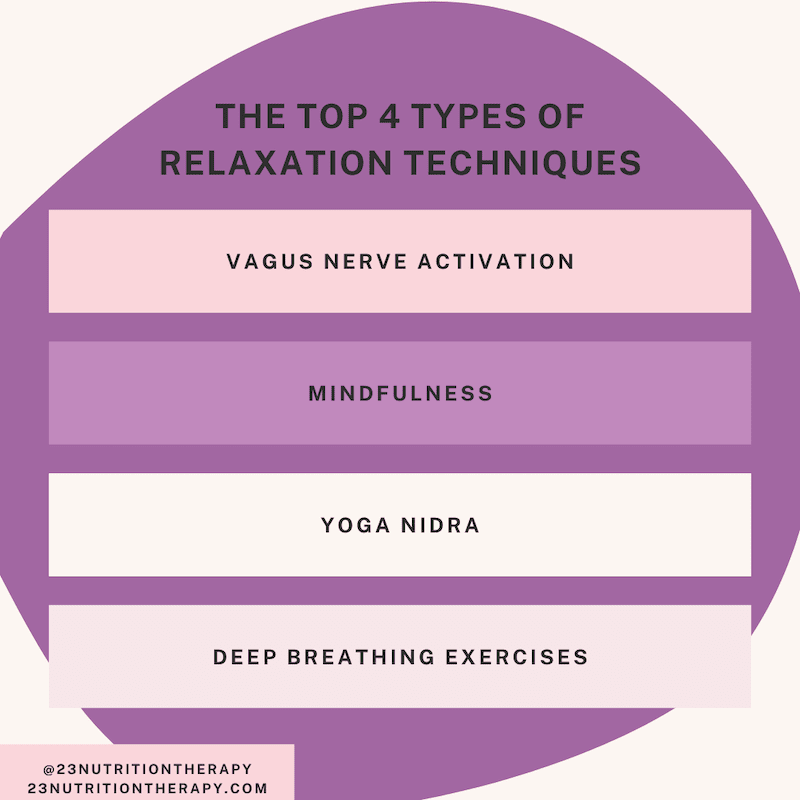
Are you feeling stressed and overwhelmed? Look no further, because we’ve got you covered! In this article, you’ll discover the most popular relaxation techniques that can help you find peace and tranquility amidst the chaos of everyday life. From deep breathing exercises to mindfulness meditation, we’ll guide you through a variety of effective methods that will leave you feeling refreshed and rejuvenated. So, sit back, relax, and let us take you on a journey towards inner calmness and well-being.
Meditation
Meditation is a powerful practice that offers numerous benefits for your mind, body, and soul. It helps you cultivate a sense of mindfulness and brings about a deep sense of calm and relaxation. There are various types of meditation techniques, each with its own unique approach. Let’s explore some of the most popular ones to help you find the right fit for your needs.
Mindfulness Meditation
Mindfulness meditation is a technique that focuses on bringing your attention to the present moment. This practice involves observing your thoughts, emotions, and physical sensations without any judgment. The goal is to develop a non-reactive and accepting attitude towards whatever arises in your mind and body. By practicing mindfulness meditation, you can enhance your ability to stay present, manage stress, and improve overall well-being.
Transcendental Meditation
Transcendental meditation is a technique that involves the use of a specific mantra or sound to transcend ordinary thinking and reach a state of deep relaxation and awareness. This practice is usually done twice a day for about 20 minutes. The mantra acts as a focal point to still the mind and allow for a state of transcendent consciousness. Transcendental meditation has been shown to reduce stress, improve focus and concentration, and promote inner peace.
Loving-Kindness Meditation
Loving-kindness meditation, also known as metta meditation, is a practice that cultivates feelings of love, compassion, and kindness towards oneself and others. It involves silently repeating specific phrases or intentions, such as “May I be happy, may I be peaceful, may I be free from suffering.” By directing loving-kindness towards yourself and then expanding it towards others, this meditation helps foster a greater sense of connection, empathy, and well-being. It can also be a powerful tool for improving relationships and developing a more positive outlook on life.
Yoga
Yoga is a holistic practice that combines physical postures, breathing techniques, and meditation to promote well-being on all levels – physical, mental, and spiritual. It is a gentle and effective way to relax and unwind, while also building strength, flexibility, and balance. Whether you’re a beginner or an experienced yogi, there are various styles of yoga that suit different preferences and needs.
Hatha Yoga
Hatha yoga is a traditional style of yoga that focuses on physical postures (asanas) and breath control (pranayama). It is a slow-paced and gentle practice that aims to create balance and harmony in the body and mind. Hatha yoga is suitable for all levels and can help relieve stress, improve flexibility, and enhance overall well-being.
Vinyasa Yoga
Vinyasa yoga, also known as flow yoga, is a dynamic and fluid style of yoga that links breath with movement. It involves transitioning smoothly between poses in a continuous flow, creating a moving meditation. Vinyasa yoga builds strength, improves cardiovascular health, and cultivates a sense of mindfulness and rhythm. It is a great option for those who enjoy a more energetic and varied practice.
Bikram Yoga
Bikram yoga, also referred to as hot yoga, is a style of yoga that takes place in a heated room. It consists of a series of 26 poses and two breathing exercises, which are performed in a specific sequence. The heat helps to warm up the muscles and promotes detoxification through sweating. Bikram yoga can improve flexibility, strengthen the cardiovascular system, and enhance mental focus and discipline.
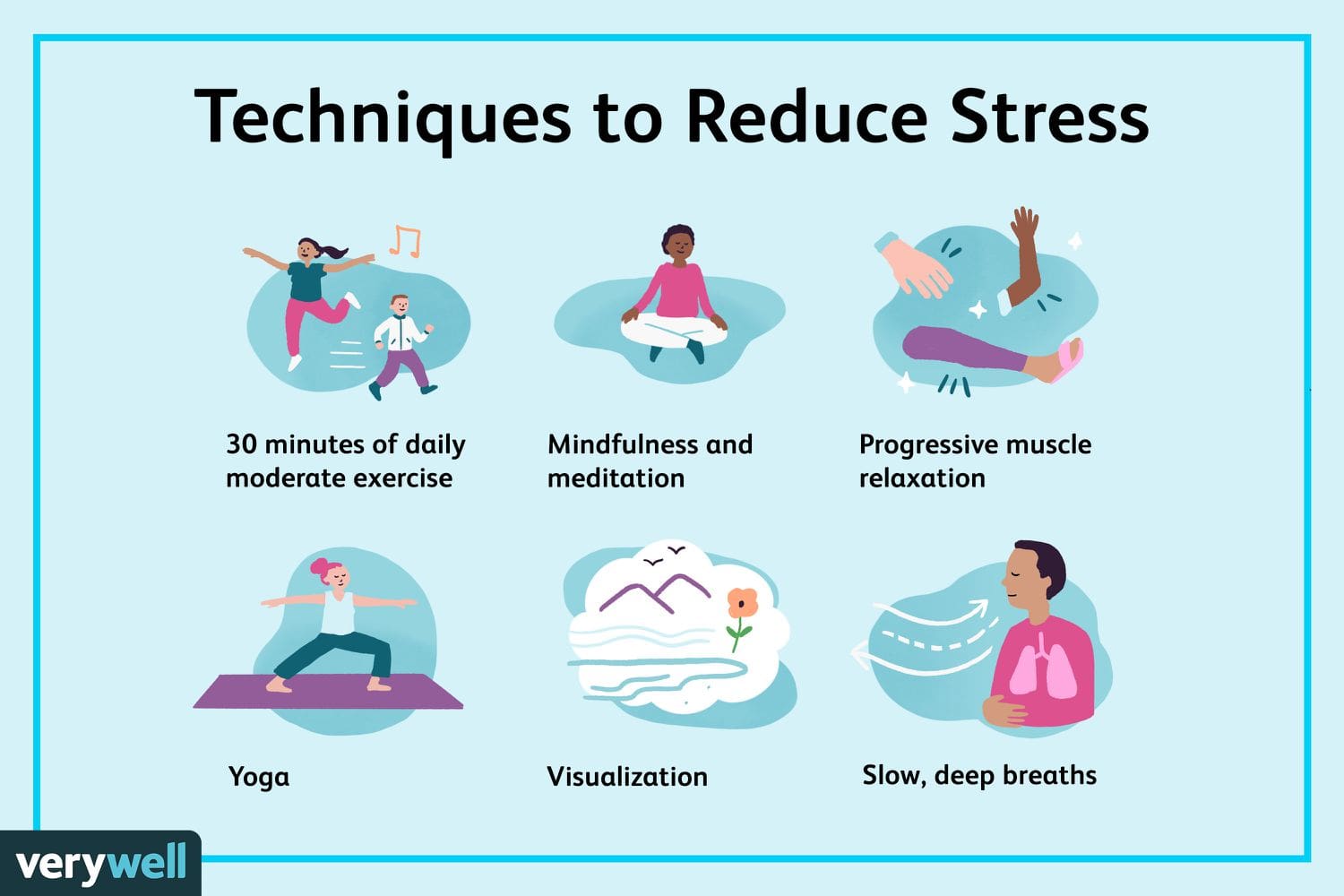
Deep Breathing
Deep breathing exercises are simple yet powerful techniques that can instantly calm your mind, reduce stress, and promote relaxation. By slowing down your breath and engaging your diaphragm, you can activate your body’s relaxation response and improve overall well-being. Here are three popular deep breathing techniques that you can easily incorporate into your daily routine.
Diaphragmatic Breathing
Diaphragmatic breathing, also known as belly breathing or deep abdominal breathing, involves breathing deeply into your diaphragm rather than shallowly into your chest. To practice diaphragmatic breathing, sit or lie down comfortably and place one hand on your chest and the other hand on your belly. Take a slow, deep breath in through your nose, allowing your abdomen to rise as you fill your lungs with air. Then, exhale slowly through your mouth, letting your abdomen sink back down. Repeat this cycle several times, focusing on the sensation of your belly rising and falling with each breath. Diaphragmatic breathing can help reduce anxiety, lower blood pressure, and improve digestion.
4-7-8 Breathing
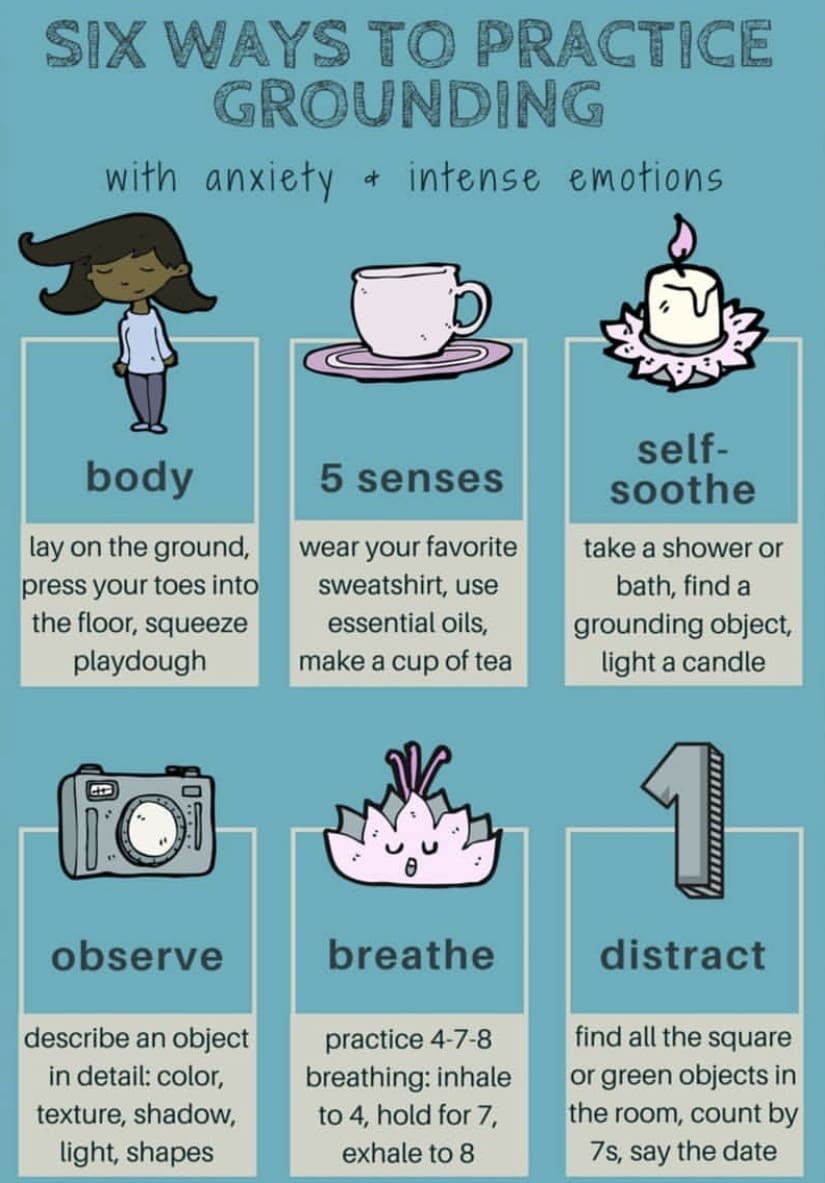
4-7-8 breathing, also known as relaxing breath, is a technique that involves a specific pattern of breath counts. To practice 4-7-8 breathing, sit up straight and close your eyes. Take a deep breath in through your nose for a count of 4, hold your breath for a count of 7, and exhale slowly through your mouth for a count of 8. Repeat this cycle several times, allowing your body to relax with each exhale. 4-7-8 breathing is effective for stress reduction, promoting sleep, and increasing focus and concentration.
Alternate Nostril Breathing
Alternate nostril breathing, also called Nadi Shodhana, is a technique that balances the energy in your body’s channels, or nadis. To practice alternate nostril breathing, sit in a comfortable position and place your left hand on your left knee with your palm facing upwards. Bring your right hand to your nose and gently close your right nostril with your right thumb. Inhale deeply through your left nostril, then close your left nostril with your ring finger and release your right nostril. Exhale through your right nostril, then inhale through your same nostril. Continue this pattern, alternating between nostrils with each breath. Alternate nostril breathing can help calm the mind, reduce stress, and create balance within the body.
Progressive Muscle Relaxation
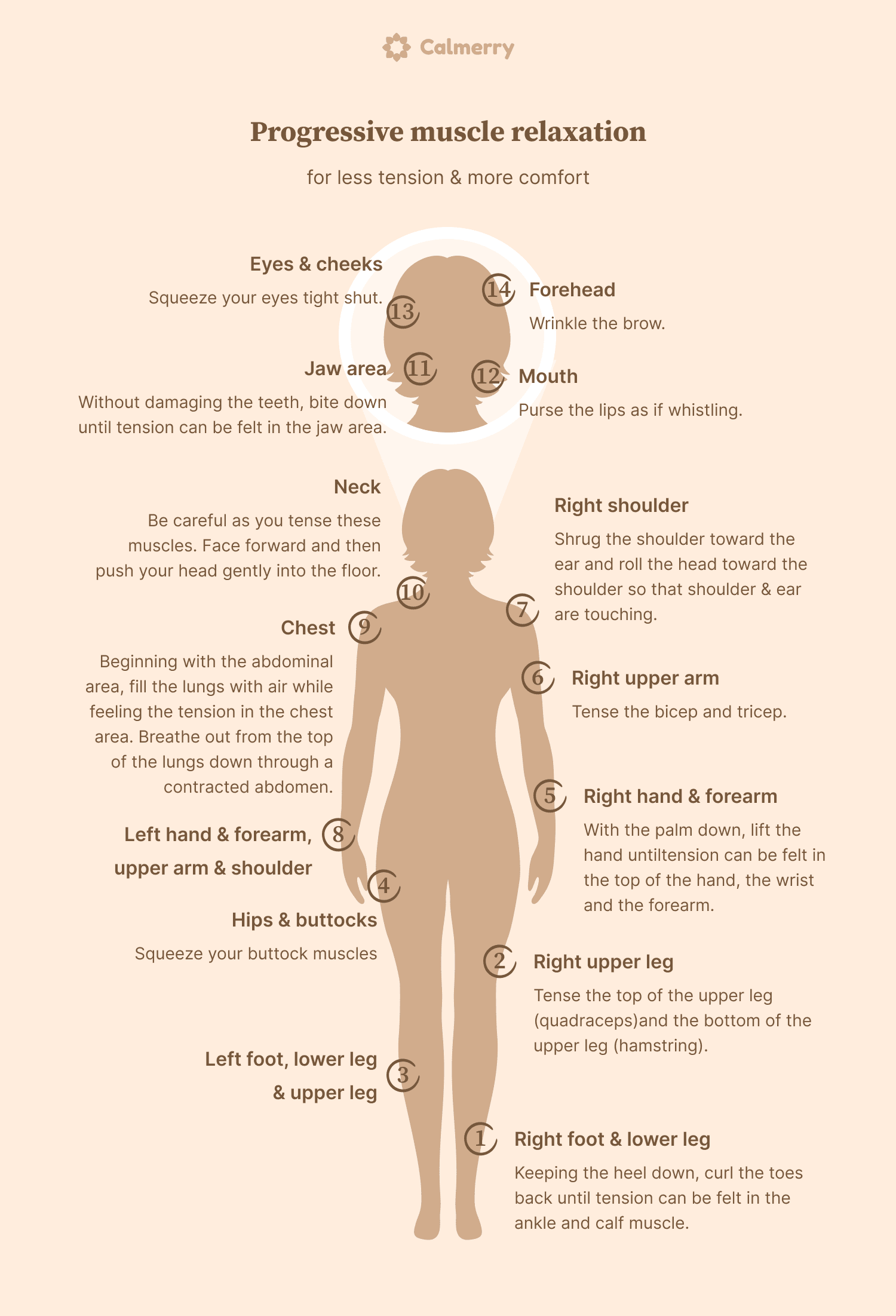
Progressive Muscle Relaxation (PMR) is a relaxation technique that involves tensing and then releasing different muscle groups in your body. By systematically tensing and relaxing muscles, you can achieve a deep state of relaxation and release built-up tension. PMR is easy to learn and can be practiced anywhere at any time. Let’s dive into the understanding of PMR, the step-by-step technique, and the numerous benefits it can bring.
Understanding PMR
PMR was developed by Edmund Jacobson, a physician and psychologist, in the early 20th century. The technique is based on the principle that muscle tension and mental stress are closely connected. By intentionally tensing and then relaxing muscles, you can reduce physical and mental tension, promoting a sense of calm and well-being. PMR is particularly beneficial for those who experience muscle tension, chronic pain, anxiety, or difficulty sleeping.
Step-by-Step Technique
To practice PMR, find a quiet and comfortable space where you can fully relax. Start by sitting or lying down, and close your eyes. Take a few deep breaths to center yourself and bring your attention to the present moment. Begin with your feet and toes, tensing the muscles for about 5-10 seconds, and then releasing them, allowing them to become completely relaxed. Gradually move your attention and tension to other muscle groups, such as your calves, thighs, abdomen, chest, arms, hands, neck, and face. Remember to breathe deeply and rhythmically throughout the process. Take your time, focusing on each muscle group, and fully releasing any tension you feel. After completing this step-by-step tension and release technique, you will reach a state of deep relaxation and inner peace.
Benefits of PMR
There are numerous benefits to practicing PMR regularly. Firstly, it helps reduce muscle tension and physical discomfort. By consciously releasing tension, you can relieve muscle aches, headaches, and overall bodily discomfort. Secondly, PMR promotes relaxation and stress relief. It allows your body and mind to let go of tension and worry, leading to feelings of calm and tranquility. Additionally, PMR can improve sleep quality, especially for those who struggle with insomnia or restlessness. By practicing PMR before bedtime, you can create a relaxing bedtime routine that signals your body to unwind and prepare for restful sleep. Lastly, PMR can enhance self-awareness and body-mind connection. By intentionally focusing on different muscle groups in your body, you become more attuned to physical sensations and emotions, deepening your overall mind-body awareness.
Guided Imagery
Guided imagery is a relaxation technique that uses visualization to promote deep relaxation and mental well-being. It involves creating a peaceful mental image or scenario and immersing yourself in it. Guided imagery can be practiced by yourself or with the help of audio recordings or apps. Let’s explore the techniques involved in guided imagery and how it can benefit you.
Visualization Techniques
Visualization is a powerful tool that allows you to create a vivid mental image in your mind. To practice visualization, find a quiet and comfortable space where you can relax without distractions. Close your eyes and take a few deep breaths to center yourself. Choose an image or scenario that brings you a sense of calm and joy. It could be a peaceful beach scene, a lush forest, or any place that resonates with you. Visualize the details of this image or scenario, using all your senses. Engage your senses of sight, sound, smell, touch, and even taste, to make the visualization as realistic as possible. Allow yourself to fully immerse in this mental image, and notice how it makes you feel.
Creating a Peaceful Mental Image
When creating a peaceful mental image, it’s essential to choose an image that resonates with you personally. What brings you a sense of tranquility and joy may be different from what someone else finds calming. It could be a place from your past that holds happy memories, a fictional setting from a favorite book, or simply an abstract concept that represents peace and serenity. The key is to choose an image that is meaningful to you and evokes positive emotions.
Using Audio Recordings or Apps
If you find it challenging to imagine vivid scenes or prefer some guidance during your guided imagery practice, you can utilize audio recordings or apps specifically designed for this purpose. These resources often provide guided instructions and visualization exercises to help you relax and enter a state of deep relaxation. You can find a wide range of guided imagery resources, from general relaxation sessions to those tailored to specific needs, such as stress reduction, sleep improvement, or emotional healing. Experiment with different recordings or apps to find ones that resonate with you and support your relaxation goals.
Aromatherapy
Aromatherapy is the practice of using essential oils to promote physical and emotional well-being. Essential oils are highly concentrated plant extracts that contain the natural fragrance and therapeutic properties of plants. These oils can be used in various ways, such as diffusing, inhalation, applying topically, or adding to bathwater. Let’s explore the world of aromatherapy and how you can harness its benefits.
Essential Oils
Essential oils are derived from different parts of plants, including leaves, flowers, bark, and roots. Each oil has its unique aroma and therapeutic properties. When inhaled or applied to the skin, essential oils can have various effects on the body and mind. For example, lavender oil is known for its calming and soothing properties, while peppermint oil is invigorating and refreshing. Some popular essential oils used for relaxation include lavender, chamomile, bergamot, and ylang-ylang. It’s important to choose high-quality, pure essential oils from reputable sources to ensure their effectiveness and safety.
Diffusers and Inhalers
One of the most common ways to experience the benefits of aromatherapy is through the use of diffusers and inhalers. Diffusers are devices that disperse essential oils into the air, creating a pleasant and therapeutic atmosphere. There are various types of diffusers, such as ultrasonic diffusers, nebulizing diffusers, and evaporative diffusers. Each type has its specific mechanism and ideal area coverage. Inhalers, on the other hand, are small, portable devices that allow you to inhale the aroma of essential oils directly. They are convenient to carry with you and can be used anytime you need a quick relaxation boost.
Blending and Application Techniques
Another way to incorporate aromatherapy into your relaxation routine is by blending and applying essential oils topically. When using essential oils on the skin, it’s essential to dilute them with a carrier oil to avoid skin sensitivities or reactions. Carrier oils, such as jojoba oil, almond oil, or coconut oil, act as a base for the essential oils and help facilitate their absorption into the skin. Depending on your needs and preferences, you can create personalized blends by combining different essential oils. For example, if you want to create a calming blend, you could mix a few drops of lavender oil with a carrier oil of your choice and apply it to your temples or pulse points.

Massage
Massage is a popular relaxation technique that involves the manipulation of soft tissues in the body to promote relaxation, relieve muscle tension, and improve circulation. There are various types of massage techniques, each with its own focus and benefits. Whether you prefer a gentle and soothing touch or a more deep and invigorating pressure, there is a massage style that suits your preferences.
Swedish Massage
Swedish massage is one of the most well-known and commonly practiced massage techniques. It involves long, flowing strokes, kneading, and circular motions to promote relaxation and improve overall well-being. Swedish massage is usually performed with the aid of massage oils or lotions to reduce friction on the skin. It can help relieve muscle tension, increase blood flow, and induce a state of deep relaxation. Swedish massage is suitable for everyone and is an excellent way to unwind and recharge.
Deep Tissue Massage
Deep tissue massage is a massage technique that focuses on deeper layers of muscle and connective tissue. This type of massage is often used to address chronic muscle tension, sports injuries, or specific areas of pain or tightness. The massage therapist applies firm pressure and uses slow strokes to target deeper layers of the muscles. Deep tissue massage can help release chronic tension, improve range of motion, and promote healing. It is recommended for those who prefer a more intense and therapeutic massage experience.
Hot Stone Massage
Hot stone massage is a unique massage technique that involves the use of heated stones, usually made of basalt, to enhance the massage experience. The stones are heated and then placed on specific points of the body, such as the back or hands, to provide warmth and relaxation. The therapist may also use the stones to apply pressure and perform massage techniques. Hot stone massage helps to relieve muscle tension, promote circulation, and induce a deep sense of relaxation. The combination of heat and massage is incredibly soothing and can alleviate both physical and mental stress.
Acupuncture
Acupuncture is an ancient healing practice that originated in Traditional Chinese Medicine. It involves the stimulation of specific points on the body by inserting thin needles. Acupuncture aims to restore the flow of energy, or Qi, in the body and promote overall health and well-being. Let’s explore how acupuncture works and the numerous health benefits it offers.
Traditional Chinese Medicine Technique
Acupuncture is deeply rooted in Traditional Chinese Medicine (TCM), which views the body as an interconnected system of energy pathways known as meridians. According to TCM, when the flow of Qi becomes imbalanced or blocked, it can lead to various physical or emotional imbalances and health issues. By targeting specific acupuncture points along the meridians, acupuncture helps restore the flow of Qi and restore balance within the body.
Stimulation of Specific Points on the Body
During an acupuncture session, a trained acupuncturist inserts thin needles into specific points on the body. The needles are very fine and typically cause little to no discomfort when inserted. The acupuncturist may gently manipulate the needles or apply heat or electrical stimulation to enhance the treatment’s effectiveness. The number of needles used and their placement depends on the individual’s specific condition and needs. Acupuncture is a safe and non-invasive practice when performed by a qualified practitioner.
Health Benefits of Acupuncture
Acupuncture has been shown to provide numerous health benefits and can be used to address a wide range of conditions. It is commonly used to relieve pain, such as headaches, back pain, or musculoskeletal discomfort. Acupuncture can also help reduce stress, anxiety, and insomnia by promoting relaxation and restoring the body’s natural balance. Additionally, acupuncture has been used as a complementary therapy for various health issues, including digestive disorders, respiratory conditions, fertility support, and emotional well-being. The benefits of acupuncture can be experienced not only on a physical level but also on an emotional and energetic level.
Tai Chi
Tai Chi is an ancient Chinese martial art that combines slow, flowing movements with deep breathing and a focused mind. It is often described as “meditation in motion” and offers numerous health benefits for both the body and mind. Tai Chi is suitable for people of all ages and fitness levels and can be practiced indoors or outdoors. Let’s explore the gentle yet powerful practice of Tai Chi and how it can improve flexibility, balance, and overall well-being.
Slow, Controlled Movements
The hallmark of Tai Chi is the slow and continuous movements that are performed with control and precision. These movements are typically done in a flowing sequence known as a form or routine. Each posture transitions smoothly into the next, creating a sense of rhythm and harmony. The slow pace of Tai Chi allows for increased body awareness and promotes a state of deep relaxation. It also enhances the flow of Qi, or energy, throughout the body and cultivates a sense of inner calmness.
Mind-Body Connection
Tai Chi is not only a physical practice but also a practice that involves the mind and breath. It requires mental focus and concentration to coordinate movements, breathe deeply, and cultivate mindfulness. By syncing the breath with the movements, you create a harmonious connection between your body and mind. Tai Chi helps to quiet the mind, reduce mental chatter, and bring your attention to the present moment. The mind-body connection developed through Tai Chi can have profound effects on your overall well-being, promoting relaxation, stress reduction, and emotional balance.
Improving Flexibility and Balance
Regular practice of Tai Chi can lead to improved flexibility, balance, and strength. The slow, controlled movements help to gently stretch and strengthen muscles, ligaments, and tendons. Over time, this can improve joint mobility, posture, and overall flexibility. Furthermore, Tai Chi involves shifting weight from one leg to another, which helps improve balance and stability. This is particularly beneficial for older adults, as it can reduce the risk of falls and enhance overall physical confidence.
Listening to Music
Listening to music is a simple and enjoyable way to relax and unwind. It has a profound impact on our emotions, mood, and overall well-being. The right type of music can help calm the mind, reduce stress, and promote a sense of inner peace. Let’s explore how to choose the right music for relaxation, create a calming playlist, and harness the benefits of music therapy.
Choosing the Right Type of Music
When it comes to relaxation, it’s important to choose music that resonates with you and elicits a calming response. The right type of music for relaxation may vary from person to person, as everyone has different preferences and tastes. However, there are certain qualities that can make music more relaxing. Generally, instrumental music with a slow tempo, soft melodies, and gentle rhythms tends to evoke feelings of tranquility and ease. Classical music, ambient sounds, nature sounds, and instrumental versions of familiar songs are all popular choices for relaxation.
Creating a Calming Playlist
Creating a calming playlist allows you to curate a collection of songs that promote relaxation and serenity. Start by selecting songs or pieces of music that you find soothing and enjoyable. Consider the tempo, melody, and overall mood of each song and how it makes you feel. Arrange the songs in a way that flows smoothly from one track to another, creating a seamless listening experience. You can also experiment with different genres or styles of music to add variety to your playlist. The key is to create a playlist that brings you a sense of calm and helps you unwind.
Music Therapy Benefits
Music therapy is a recognized form of therapy that uses music to improve physical, emotional, and mental health. It has been found to be highly effective in reducing stress, anxiety, and depression. Music therapy can help regulate emotions, boost mood, and promote relaxation. Additionally, it has been shown to improve sleep quality, enhance cognitive function, and support overall well-being. Whether you choose to passively listen to music or engage in active music-making, incorporating music into your relaxation routine can have significant benefits for your mental and emotional health.
In conclusion, there are numerous relaxation techniques available to help you unwind, reduce stress, and promote overall well-being. From meditation and yoga to deep breathing, progressive muscle relaxation, guided imagery, aromatherapy, massage, acupuncture, Tai Chi, and listening to music, there is a wide range of practices to suit individual preferences and needs. By incorporating these techniques into your daily routine, you can cultivate a greater sense of calm, balance, and inner peace. So take some time for yourself, explore these relaxation techniques, and discover what works best for you. Remember, relaxation is a journey, and each step you take brings you closer to a more relaxed and blissful state of being.