
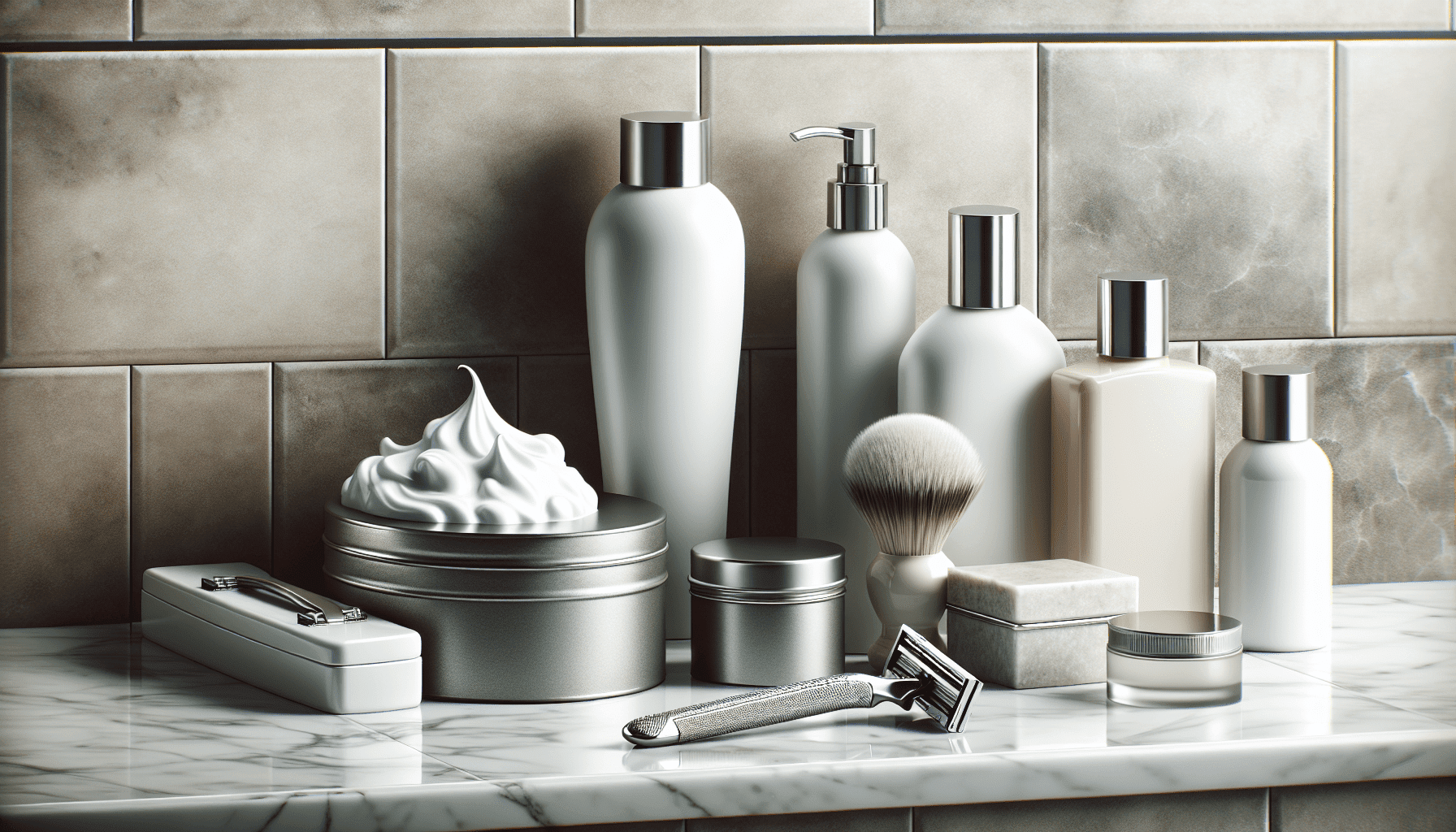
Taking care of yourself is important, and self-care practices are not just limited to women. Men, too, can benefit from incorporating self-care routines into their lives, helping them to relax, rejuvenate and improve their overall well-being. In this article, we will explore some of the most popular self-care practices for men, including exercise, grooming, healthy eating, and mindfulness techniques. So, whether you’re a man looking to improve your self-care routine or someone wanting to support the men in your life, read on to discover some valuable tips and ideas.
Exercise and Fitness
Weightlifting
Weightlifting is a fantastic way to improve your strength and overall fitness. By lifting weights, you engage multiple muscle groups in your body, helping to build lean muscle mass and increase your metabolism. Incorporating weightlifting into your fitness routine can also help improve your bone density, reduce the risk of injury, and enhance your athletic performance. Whether you choose to use free weights, machines, or bodyweight exercises, weightlifting is a versatile and effective form of exercise that can be tailored to your own fitness level and goals.
Running
Running is a popular form of exercise that requires little to no equipment and can be done virtually anywhere. It is a great way to improve cardiovascular fitness, burn calories, and boost your mood. Regular running can also help strengthen your joints, improve your lung capacity, and reduce the risk of chronic diseases such as heart disease, diabetes, and certain types of cancer. Whether you prefer outdoor or treadmill running, incorporating this aerobic activity into your exercise routine can help you stay healthy and fit.
Cycling
Cycling is not only a fun and enjoyable activity but also an excellent way to stay fit. It is a low-impact exercise that puts less stress on your joints compared to activities like running. Cycling can help improve your cardiovascular health, build leg strength, and increase your endurance. Whether you prefer indoor cycling on a stationary bike or outdoor cycling on trails or roads, this activity can be adjusted to suit your fitness level and preferences. Cycling is also a convenient mode of transportation that allows you to combine exercise with daily tasks, making it a practical and sustainable choice.
Yoga
Yoga is a holistic practice that combines physical movement, breath control, and meditation. It has numerous physical, mental, and emotional benefits. Practicing yoga regularly can improve flexibility, strength, and balance while also reducing stress, anxiety, and depression. It can help increase body awareness, promote relaxation, and enhance your overall well-being. Whether you prefer a vigorous Vinyasa flow or a gentle Yin class, there are various styles and levels of yoga to suit everyone. Incorporating yoga into your self-care routine can help you find inner peace and promote a healthy mind-body connection.
Grooming and Personal Care
Skincare Routine
A regular skincare routine is essential for maintaining healthy and glowing skin. It involves cleansing, toning, moisturizing, and protecting your skin from external pollutants and damage. By following a skincare regimen, you can reduce the appearance of acne, blemishes, and signs of aging. It is crucial to choose products that are suited to your skin type and concerns. Cleansers, toners, serums, and moisturizers can help nourish and rejuvenate your skin, leaving it hydrated, radiant, and protected.
Hairstyling
Hairstyling is an important aspect of personal grooming. Taking care of your hair can improve your appearance and boost your confidence. Regular washing, conditioning, and styling can keep your hair clean, healthy, and manageable. Depending on your hair type, you may need to use specific products such as shampoos, conditioners, and styling tools to achieve your desired look. Whether you prefer a sleek professional style or a casual messy look, investing some time and effort into your hair can make a significant difference in your overall self-care routine.
Beard Care
If you have a beard, proper beard care is essential to maintain its cleanliness, shape, and health. Regular washing, conditioning, and grooming can prevent itchiness, dry skin, and breakage. Beard oils, balms, and brushes can help keep your beard soft, moisturized, and well-tamed. Trimming and shaping your beard can enhance your facial features and help you achieve your desired style. By taking the time to care for your beard, you can ensure it looks neat and well-maintained, adding to your overall appearance.
Nail Care
Nail care is often overlooked but is an important part of personal grooming. Keeping your nails clean, trimmed, and well-groomed not only improves their appearance but also helps prevent infections and ingrown nails. Regular hand washing, moisturizing, and filing can keep your nails healthy and strong. You can also consider applying a clear coat or choose from a variety of nail colors to enhance your style. Paying attention to your nails can contribute to your overall self-care routine and boost your confidence in your appearance.
Mental Health and Stress Relief
Meditation
Meditation is a powerful practice that can help calm your mind, reduce stress, and promote mental clarity. By focusing your attention and becoming aware of the present moment, meditation can help alleviate anxiety, improve concentration, and enhance overall well-being. You can practice meditation by sitting in a comfortable position, closing your eyes, and concentrating on your breath or a specific intention or mantra. Starting with just a few minutes of meditation each day and gradually increasing the duration can help develop a regular practice that brings peace and tranquility into your life.
Journaling
Journaling is a therapeutic practice that allows you to express your thoughts, feelings, and experiences on paper. It can help you gain clarity, process emotions, and reflect on your life. By writing down your thoughts and experiences, you can release tension, reduce stress, and gain a deeper understanding of yourself. You can use a simple notebook or choose from a variety of guided journals that provide prompts and exercises to explore different aspects of your life. Journaling is a personal and private practice that can be done at any time and can become a valuable tool for self-reflection and personal growth.
Therapy/Counseling
Seeking therapy or counseling is an important step in taking care of your mental health. Speaking with a trained professional can provide guidance, support, and insight into your emotions, behaviors, and thought patterns. Therapy can help you navigate challenges, overcome obstacles, and develop strategies for managing stress and improving your overall well-being. Whether you prefer individual therapy, group therapy, or online counseling, there are various options available to cater to your needs and preferences. Therapy is a valuable resource that can empower you to lead a happier and more fulfilling life.
Taking Breaks
Taking regular breaks from work, responsibilities, and daily routines is crucial for reducing stress and improving mental health. Engaging in activities you enjoy during these breaks can help you relax, recharge, and maintain a healthy work-life balance. Whether it’s going for a walk, listening to music, playing a game, or simply spending time in nature, taking breaks allows your mind to rest and rejuvenate. It is important to prioritize self-care and give yourself permission to take breaks when needed, as this can significantly contribute to your overall well-being and happiness.
Healthy Eating Habits
Meal Planning
Meal planning involves preparing and organizing your meals in advance. It can help you make healthier choices, save time and money, and prevent impulsive food decisions. By setting aside time each week to plan your meals, create a grocery list, and prepare ingredients, you can ensure you have nutritious meals ready to enjoy. Meal planning allows you to incorporate a variety of fruits, vegetables, whole grains, and lean proteins into your diet, ensuring you meet your nutritional needs. Taking control of your meals through planning can lead to better eating habits and support your overall health and well-being.
Cooking at Home
Cooking your own meals at home is a great way to take control of what you eat and make healthier choices. By preparing your own food, you can select fresh ingredients, control portion sizes, and avoid added preservatives and unhealthy additives. Cooking at home also allows you to experiment with different flavors and cuisines, making mealtimes more enjoyable. Whether you are a beginner in the kitchen or an experienced chef, there are countless recipes and resources available to help you develop your cooking skills and create delicious, nutritious meals.
Balanced Diet
Maintaining a balanced diet is essential for optimal health and well-being. A balanced diet consists of consuming a variety of nutrients from different food groups in appropriate portions. It involves including fruits, vegetables, whole grains, lean proteins, and healthy fats in your meals. A balanced diet not only provides the necessary fuel for your body but also supports your immune system, promotes healthy digestion, and reduces the risk of chronic diseases. By making mindful food choices and focusing on the quality and variety of your meals, you can achieve a balanced diet that nourishes your body and supports your overall health.
Portion Control
Practicing portion control is an important aspect of healthy eating. It involves understanding and moderating the amount of food you consume in one sitting. By being aware of portion sizes, you can prevent overeating and maintain a healthy weight. Portion control can be achieved by using smaller plates, measuring serving sizes, and listening to your body’s hunger and fullness cues. It is important to savor your meals, eat mindfully, and stop eating when you feel satisfied. Incorporating portion control into your eating habits can help you maintain a healthy relationship with food and support your long-term health goals.
Sleep Hygiene
Creating a Bedtime Routine
Establishing a bedtime routine can help signal your body and mind that it’s time to wind down and prepare for sleep. A consistent routine can improve sleep quality and quantity. You can create a relaxing routine by engaging in activities such as reading a book, listening to calming music, or taking a warm bath. It is important to create an environment that promotes relaxation and minimizes distractions, such as keeping your bedroom dark, cool, and quiet. By incorporating a bedtime routine into your self-care practices, you can enhance your sleep hygiene and reap the benefits of a good night’s rest.
Creating a Sleep-friendly Environment
Creating a sleep-friendly environment is essential for promoting quality sleep. This involves ensuring your bedroom is conducive to rest and relaxation. Selecting a comfortable mattress and pillows, blocking out external noise with earplugs or white noise machines, and using blackout curtains to keep the room dark can significantly improve your sleep environment. It is also important to limit the use of electronic devices before bed, as the blue light emitted can interfere with your sleep patterns. By optimizing your sleep environment, you can create the ideal conditions for a restful night’s sleep.
Limiting Screen Time
Excessive screen time, especially before bed, can disrupt your sleep patterns and impact the quality of your sleep. The blue light emitted by electronic devices suppresses the production of melatonin, a hormone that regulates sleep. It is important to limit screen time and avoid using electronic devices at least an hour before bed. Instead, opt for relaxing activities such as reading, listening to music, or practicing mindfulness. By reducing your exposure to screens and engaging in calming activities, you can improve your sleep hygiene and promote restful sleep.
Avoiding Stimulants
Stimulants such as caffeine, nicotine, and alcohol can interfere with your sleep quality and disrupt your sleep patterns. It is advisable to avoid consuming these substances close to bedtime. Caffeine, found in coffee, tea, chocolate, and some sodas, is a stimulant that can keep you awake and alert. Nicotine, typically found in cigarettes and vaping products, is also a stimulant that can interfere with sleep. Alcohol, while initially promoting drowsiness, can disrupt your sleep cycles and lead to poor sleep quality. By avoiding or moderating your consumption of stimulants, you can improve your sleep hygiene and ensure a better night’s sleep.
Socializing and Bonding
Hanging Out with Friends
Spending time with friends is an important aspect of socializing and bonding. It allows you to create meaningful connections, share experiences, and have fun. Whether you enjoy going out for a meal, engaging in a hobby together, or simply having a chat, spending time with friends can improve your mood and overall well-being. It is important to prioritize socializing and make time for these interactions. By nurturing friendships and maintaining a support system, you can enhance your social life and enjoy the benefits of companionship and connection.
Joining Clubs or Interest Groups
Joining clubs or interest groups can provide opportunities to meet new people who share similar hobbies or interests. Whether it’s a sports club, book club, or community organization, these groups offer a chance to bond and socialize with like-minded individuals. Joining a club or interest group can also provide a sense of belonging and purpose. It allows you to further explore your passions and expand your social circle. By actively participating in these groups, you can cultivate new friendships, engage in stimulating conversations, and enjoy the sense of community that comes with shared interests.
Attending Events
Attending events is a great way to socialize, explore new activities, and broaden your horizons. Whether it’s a concert, art exhibition, festival, or workshop, events offer opportunities for connection and engagement. Attending events can expose you to different cultures, ideas, and perspectives, enriching your life experiences. It also provides a chance to meet new people and strike up conversations with individuals who share similar interests. By embracing the spirit of exploration and participating in events, you can expand your social network, learn from others, and create lasting memories.
Making New Connections
Making new connections is an important aspect of socializing and expanding your social circle. It can be helpful to approach new situations with an open mind and a willingness to engage with others. Whether it’s striking up conversations with people you meet in daily life, attending networking events, or joining social clubs, actively seeking new connections can lead to new friendships and valuable relationships. Building relationships takes time and effort, but the rewards of meaningful connections and a support system are invaluable. By stepping out of your comfort zone and embracing opportunities to meet new people, you can enrich your social life and create lasting bonds.
Hobbies and Creative Pursuits
Playing a Musical Instrument
Playing a musical instrument can provide a creative outlet and bring joy to your life. It allows you to express emotions, develop new skills, and engage in a form of self-expression. Learning to play an instrument can be a challenging yet rewarding endeavor. Whether you choose to learn an instrument on your own or take lessons from a teacher, dedicating time to practice can help you improve and master your chosen instrument. Playing a musical instrument can be an enjoyable hobby that enriches your life and provides a sense of accomplishment.
Painting/Drawing
Painting and drawing are creative pursuits that can help you relax, express yourself, and tap into your artistic side. Whether you are a beginner or an experienced artist, engaging in painting or drawing allows you to explore different techniques, colors, and mediums. It can be a therapeutic activity that allows you to focus on the present moment and unleash your creativity. You can experiment with various subjects, styles, and themes, or simply enjoy the process of putting brush to canvas or pencil to paper. Painting and drawing can be a fulfilling hobby that nurtures your artistic abilities and allows you to create something beautiful.
Photography
Photography is a popular hobby that allows you to capture moments, express your creativity, and explore the world through a lens. Whether you prefer landscape, portrait, or street photography, taking up photography can help you appreciate the beauty in everyday life. With advancements in digital technology, photography has become more accessible and allows for instant feedback and editing. You can experiment with different angles, lighting, and subjects to develop your own unique style. Photography can be an enjoyable hobby that helps you slow down, observe your surroundings, and document moments that are meaningful to you.
Woodworking
Woodworking is a hands-on hobby that allows you to create functional and artistic pieces from wood. Whether you choose to build furniture, carve sculptures, or construct small wooden items, woodworking offers a sense of accomplishment and satisfaction. Working with wood requires precision, patience, and attention to detail. It can be a rewarding hobby that allows you to connect with nature, learn new skills, and bring your creative ideas to life. Woodworking can also be a way to relax and recharge, providing a break from the demands of daily life. By engaging in woodworking, you can tap into your craftsmanship and create objects that reflect your personal style and creativity.
Spa and Relaxation
Massage Therapy
Massage therapy is a luxurious self-care practice that can help relax your muscles, relieve tension, and reduce stress. Whether you choose a Swedish massage, deep tissue massage, or a specialized massage technique, the skilled hands of a massage therapist can work wonders for your body and mind. Massage therapy stimulates circulation, promotes lymphatic drainage, and improves overall well-being. It can be a pampering treat that helps you unwind, rejuvenate, and achieve a sense of deep relaxation. By incorporating regular massage therapy into your self-care routine, you can experience the benefits of this therapeutic practice.
Sauna and Steam Room
Saunas and steam rooms offer a relaxing and detoxifying experience for your body and mind. The heat and humidity in these spaces can help flush out toxins, improve circulation, and promote relaxation. Spending time in a sauna or steam room can help alleviate muscle soreness, open up pores, and rejuvenate your skin. The heat also releases endorphins, the body’s natural feel-good chemicals, which can improve your mood and reduce stress. Whether you choose to visit a spa, fitness center, or have a personal sauna or steam room at home, incorporating these heat therapy sessions into your self-care routine can provide a luxurious and refreshing experience.
Hot Baths
Taking a hot bath is a simple yet effective way to relax, unwind, and soothe your body and mind. The warm water can help relieve muscle tension, reduce stress, and improve sleep quality. You can enhance your bath experience by adding bath salts, essential oils, or bath bombs to create a fragrant and therapeutic soak. Many people find that taking a bath before bed helps them relax and prepare for a restful night’s sleep. By setting aside time to indulge in a hot bath, you can create a serene and calming experience that promotes self-care and relaxation.
Facial Treatments
Facial treatments are a wonderful way to pamper yourself and rejuvenate your skin. Whether you opt for a professional facial at a spa or perform a DIY facial at home, these treatments can provide deep cleansing, exfoliation, and hydration for your skin. Facial treatments can help improve skin tone, texture, and overall complexion. They can also address specific skin concerns such as acne, dryness, or aging. From clay masks to serums and moisturizers, there are a variety of products and techniques available to tailor your facial treatment to your unique skin needs. By incorporating regular facial treatments into your self-care routine, you can promote healthy, vibrant, and glowing skin.
Outdoor Activities
Hiking
Hiking is a popular outdoor activity that allows you to connect with nature, get some fresh air, and engage in physical exercise. It offers the opportunity to explore scenic trails, experience stunning landscapes, and enjoy the peace and tranquility of the great outdoors. Hiking can vary in intensity, duration, and difficulty, allowing you to choose trails that match your fitness level and preferences. It is important to wear appropriate footwear, carry essential supplies such as water and snacks, and be mindful of safety precautions. Whether you prefer leisurely walks or challenging hikes, incorporating hiking into your outdoor activities can provide a refreshing and invigorating experience.
Camping
Camping is an adventurous and immersive outdoor activity that allows you to disconnect from technology and connect with nature. Sleeping under the stars, cooking over a campfire, and enjoying the simplicity of outdoor living can be a rejuvenating experience. Camping provides an opportunity to escape the hustle and bustle of everyday life and immerse yourself in nature’s beauty. Whether you prefer car camping at established campsites or backpacking into more remote areas, camping allows you to enjoy outdoor activities such as hiking, fishing, and stargazing. By embracing the spirit of adventure and spending time in nature, camping can be an enriching and memorable experience.
Fishing
Fishing is a relaxing and engaging outdoor activity that allows you to unwind and connect with the natural world. Whether you prefer freshwater or saltwater fishing, this hobby offers a chance to enjoy tranquility, practice patience, and develop a sense of mindfulness. Fishing can be an opportunity to spend time in peaceful surroundings, appreciate nature’s beauty, and engage in a meditative activity. Whether you catch a fish or not, the experience of being outdoors, casting a line, and immersing yourself in the serene surroundings can be a rewarding and rejuvenating experience.
Gardening
Gardening is a fulfilling outdoor activity that allows you to nurture and care for plants, flowers, and vegetables. Whether you have a small backyard garden, a balcony with potted plants, or a community garden plot, tending to plants can be a therapeutic and rewarding experience. Gardening offers a sense of accomplishment as you watch your plants grow and bloom. It allows you to connect with nature, cultivate mindfulness, and create a peaceful outdoor sanctuary. Whether you enjoy planting flowers, growing fresh herbs and vegetables, or tending to ornamental plants, gardening can be a productive and enjoyable way to spend time outdoors and reconnect with the natural world.
Spiritual and Mindfulness Practices
Prayer
Prayer is a deeply personal and spiritual practice that allows you to connect with a higher power, express gratitude, and seek guidance. It can provide comfort, solace, and a sense of belonging. Prayer can be done in various ways, depending on your religious or spiritual beliefs. Whether it’s reciting specific prayers, engaging in silent contemplation, or incorporating rituals and ceremonies, prayer offers a space for reflection, introspection, and connection to something greater than yourself. By incorporating prayer into your self-care routine, you can nurture your spiritual well-being and cultivate a sense of peace and purpose.
Mindfulness Meditation
Mindfulness meditation is a practice that involves focusing your attention on the present moment, cultivating awareness, and accepting your thoughts and feelings without judgment. It is a form of meditation that helps bring your attention to the here and now, allowing you to observe your thoughts and sensations without getting entangled in them. Mindfulness meditation can help reduce stress, anxiety, and reactivity while promoting self-compassion, emotional regulation, and overall well-being. By dedicating time each day to practice mindfulness meditation, you can cultivate a greater sense of calm, clarity, and resilience.
Deep Breathing Exercises
Deep breathing exercises are a simple and effective way to reduce stress, calm the mind, and promote relaxation. By focusing on your breath and taking slow, deep breaths, you can activate the body’s relaxation response and counteract the effects of stress. Deep breathing exercises can be practiced anywhere, at any time, and can be tailored to your individual needs. Whether it’s the 4-7-8 breathing technique, abdominal breathing, or box breathing, incorporating deep breathing exercises into your self-care routine can help you manage stress, improve focus, and promote a sense of inner calm.
Yoga
Yoga is a holistic practice that combines physical postures, breath control, and meditation. It provides numerous physical, mental, and emotional benefits. Practicing yoga regularly can improve flexibility, strength, and balance while also reducing stress, anxiety, and depression. It can help increase body awareness, promote relaxation, and enhance your overall well-being. Whether you prefer a vigorous Vinyasa flow or a gentle Yin class, there are various styles and levels of yoga to suit everyone. Incorporating yoga into your self-care routine can help you find inner peace and promote a healthy mind-body connection.