
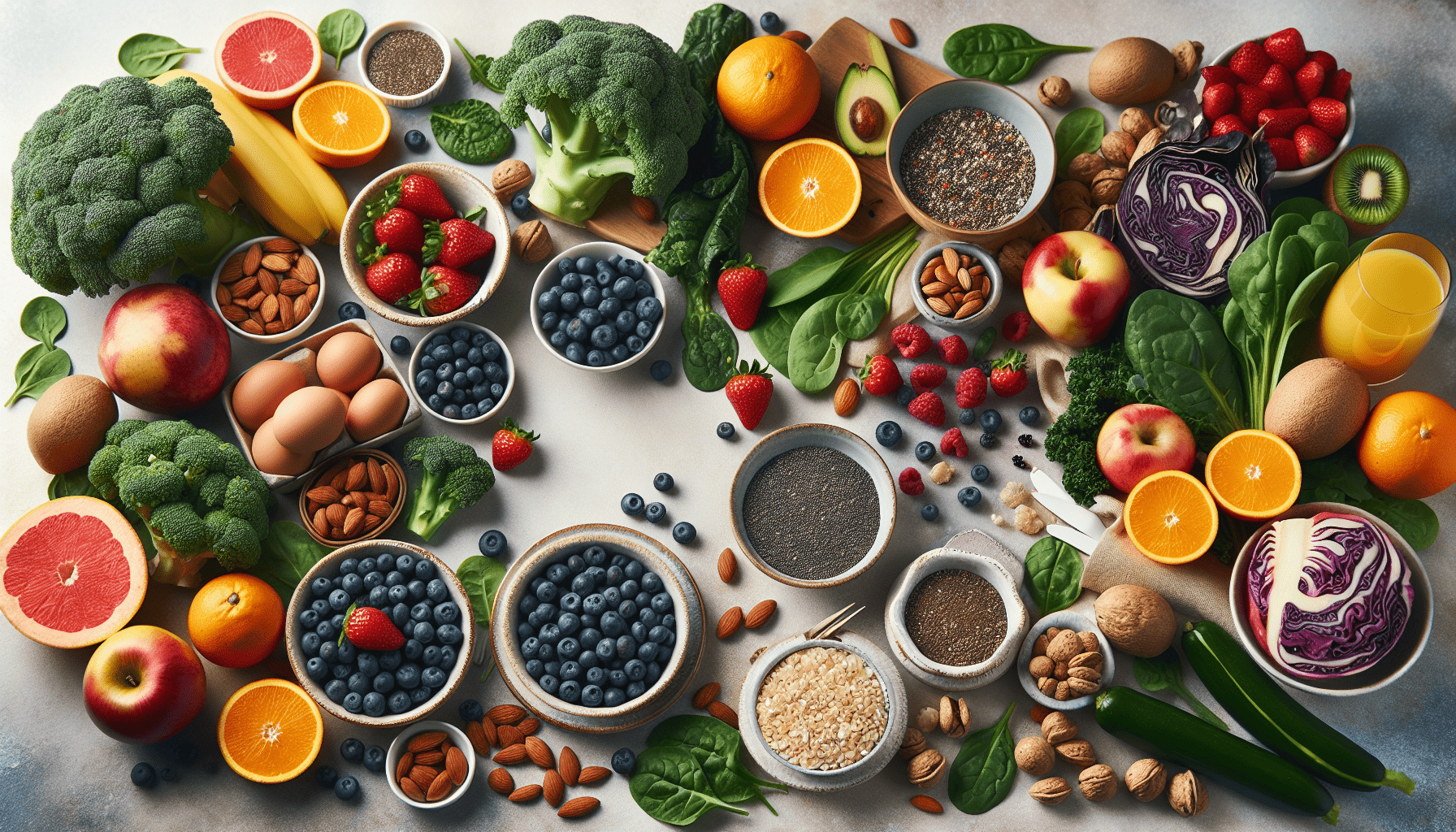
Are you looking to add a healthy kick to your meals? Look no further! In this article, we will explore the most popular superfoods that can help you create nutrient-rich meals. Whether you’re seeking to boost your energy levels or improve your overall health, these superfoods are packed with essential vitamins and minerals that your body craves. So get ready to enhance your culinary experience and nourish your body with these powerhouse ingredients.
Berries
Acai berries
Acai berries are small, purple fruits that come from the Amazon rainforest. These berries have gained popularity due to their numerous health benefits. Not only are acai berries delicious, but they are also packed with essential nutrients. They are rich in antioxidants, which help protect your body against harmful free radicals. Acai berries are also known to improve heart health, boost brain function, and even aid in weight loss. You can enjoy acai berries in smoothies, bowls, or as a topping for yogurt.
Blueberries
Blueberries are often referred to as a “superfood” due to their impressive nutritional profile. These little berries are loaded with vitamins, minerals, and antioxidants, making them a great addition to your diet. Blueberries are known to improve brain function, promote heart health, and boost the immune system. They are also incredibly versatile and can be enjoyed in various ways. Whether you add them to your morning oatmeal, toss them into a salad, or blend them into a refreshing smoothie, blueberries are a delicious and nutritious choice.
Strawberries
Strawberries are not only sweet and juicy but also incredibly nutritious. These vibrant red berries are packed with vitamins, minerals, and antioxidants that can benefit your overall health. Strawberries are an excellent source of vitamin C, which supports a healthy immune system and boosts collagen production. They also contain fiber, which aids in digestion, and antioxidants that help fight inflammation. Whether you enjoy them on their own, add them to a salad, or use them in desserts, strawberries are a tasty way to incorporate more nutrients into your diet.
Raspberries
Raspberries are a delightful addition to any meal or snack. These tart and sweet berries are rich in vitamins, minerals, and antioxidants that offer a wide range of health benefits. Raspberries contain high levels of vitamin C, which supports immune health and collagen production. They are also a good source of dietary fiber, which aids in digestion and helps maintain a healthy weight. Additionally, raspberries contain flavonoids, which have been shown to reduce the risk of chronic diseases, including heart disease and certain types of cancer. Add raspberries to your yogurt, sprinkle them on top of oatmeal, or blend them into a refreshing smoothie for a burst of flavor and nutrients.
Leafy greens
Spinach
Spinach is often hailed as one of the healthiest leafy greens, and for good reason. This nutrient-packed vegetable is loaded with vitamins, minerals, and antioxidants. Spinach is an excellent source of vitamin K, which is essential for bone health and blood clotting. It also contains iron, which is important for red blood cell production and energy levels. Spinach is low in calories but high in fiber, making it a great choice for weight management and digestion. Whether you enjoy it in salads, sautéed with garlic, or blended into a green smoothie, spinach is a versatile and nutritious leafy green to incorporate into your meals.
Kale
Kale has gained significant popularity in recent years, and for good reason. This leafy green vegetable is jam-packed with nutrients and offers a wide range of health benefits. Kale is an excellent source of vitamins A, C, and K, which support immune function, collagen production, and bone health, respectively. It is also rich in antioxidants, such as beta-carotene and quercetin, which help protect your body against oxidative stress and inflammation. Kale is a versatile ingredient that can be used in salads, sautés, soups, and even blended into smoothies. Adding kale to your diet is an easy and delicious way to boost your nutrient intake.
Swiss chard
Swiss chard is a leafy green vegetable that is often overlooked but offers a range of health benefits. This vibrant vegetable is packed with vitamins, minerals, and fiber, making it a great addition to a nutrient-rich diet. Swiss chard is an excellent source of vitamin K, which is crucial for blood clotting and bone health. It also contains high levels of vitamin A, which supports eye health and a strong immune system. Additionally, Swiss chard is rich in antioxidants, which help protect your body against free radical damage. You can enjoy Swiss chard by sautéing it with garlic and olive oil or adding it to soups and stews.
Watercress
Watercress is a leafy green vegetable that belongs to the cruciferous family, along with broccoli and kale. Despite its delicate appearance, watercress is packed with essential nutrients and health benefits. This peppery-tasting green is an excellent source of vitamins A, C, and K, which support immune health, collagen production, and bone health, respectively. It is rich in antioxidants that help protect against chronic diseases and inflammation. Watercress is a versatile green that can be used in salads, sandwiches, soups, or even blended into a pesto sauce. Including watercress in your diet is an easy way to add a burst of flavor and nutrients to your meals.
Nuts and seeds
Almonds
Almonds are not only delicious but also incredibly nutritious. These nuts are packed with vitamins, minerals, healthy fats, and antioxidants. Almonds are an excellent source of vitamin E, which acts as a powerful antioxidant and helps protect your cells from damage. They also contain magnesium, which plays a crucial role in many bodily functions, including energy production and bone health. Almonds are a great snack option and can also be added to salads, oatmeal, or homemade granola for an extra crunch and nutrient boost.
Walnuts
Walnuts are known for their distinct shape and taste, and they also offer numerous health benefits. These nuts are an excellent source of omega-3 fatty acids, which are essential for brain health and reducing inflammation in the body. Walnuts also contain fiber, protein, and antioxidants, making them a nutrient-dense addition to your diet. Research suggests that walnuts may be beneficial for heart health, brain function, and even reducing the risk of certain cancers. Snack on a handful of walnuts, add them to salads or baked goods, or use them as a topping for yogurt to reap their nutritional rewards.
Chia seeds
Chia seeds are tiny black seeds that have gained popularity in recent years for their impressive nutritional profile. These super seeds are a great source of fiber, omega-3 fatty acids, and various essential minerals. Chia seeds are high in antioxidants, which help protect your body against free radicals and inflammation. They also contain a unique type of fiber called soluble fiber, which is known for its ability to absorb water and contribute to feelings of fullness. Chia seeds can be added to smoothies, oatmeal, yogurt, or even used as an egg substitute in baking recipes. Enjoying chia seeds is an easy and convenient way to boost your nutrient intake.
Flaxseeds
Flaxseeds are small, brown seeds that are rich in nutrients and health benefits. These seeds are a great source of omega-3 fatty acids, fiber, and various essential minerals. Flaxseeds are particularly high in lignans, which are a type of antioxidant that may have anti-cancer properties. They also contain soluble and insoluble fiber, which can improve digestion and promote feelings of fullness. Flaxseeds can be ground and added to smoothies, sprinkled on top of yogurt or oatmeal, or used as an egg substitute in baking recipes. Incorporating flaxseeds into your diet is an easy and delicious way to boost your nutrient intake.
Quinoa
High protein content
Quinoa is a versatile and nutrient-rich grain that is often referred to as a “superfood.” One of the main reasons why quinoa is considered a superfood is its high protein content. Unlike other grains, quinoa is a complete protein, meaning it contains all nine essential amino acids that the body needs. This makes it an excellent source of plant-based protein for vegetarians and vegans. Protein is essential for building and repairing tissues, supporting the immune system, and maintaining healthy hair, skin, and nails. Incorporating quinoa into your meals is an easy way to boost your protein intake and ensure you’re getting all the essential amino acids your body needs.
Rich in fiber
In addition to its high protein content, quinoa is also rich in fiber. Fiber is an essential nutrient that aids in digestion, promotes feelings of fullness, and helps maintain stable blood sugar levels. Quinoa contains both soluble and insoluble fiber, making it a great choice for maintaining a healthy gut. The fiber content in quinoa also contributes to its low glycemic index, which means it has a minimal impact on blood sugar levels. Including quinoa in your diet can help support a healthy digestive system and keep you feeling satisfied throughout the day.
Contains essential minerals
Quinoa is a good source of several essential minerals that your body needs to function properly. It is particularly rich in magnesium, iron, and manganese. Magnesium is involved in over 300 biochemical reactions in the body and is essential for maintaining healthy bones, muscles, and nerves. Iron is crucial for the production of red blood cells and oxygen transportation throughout the body, while manganese is important for brain health and the formation of connective tissues. By incorporating quinoa into your meals, you can easily increase your intake of these important minerals and support overall health and well-being.
Salmon
Excellent source of omega-3 fatty acids
Salmon is a fatty fish that is renowned for its high omega-3 fatty acid content. Omega-3 fatty acids are essential fats that are important for heart health, brain function, and reducing inflammation in the body. Salmon is particularly rich in two types of omega-3 fatty acids: eicosapentaenoic acid (EPA) and docosahexaenoic acid (DHA). These fatty acids are crucial for reducing the risk of heart disease, supporting brain health, and promoting healthy joints. Including salmon in your diet on a regular basis is a delicious and nutritious way to ensure you’re getting an adequate intake of these essential omega-3 fatty acids.
High in protein
In addition to its omega-3 fatty acid content, salmon is also an excellent source of protein. Protein is an essential nutrient that is involved in various functions in the body. It is crucial for repairing and building tissues, supporting the immune system, and maintaining healthy skin, hair, and nails. Salmon is particularly rich in high-quality protein, making it a great choice for those looking to increase their protein intake. By including salmon in your meals, you can easily meet your daily protein needs and support overall health and well-being.
Rich in vitamin D
Salmon is not only packed with omega-3 fatty acids and protein but also contains high levels of vitamin D. Vitamin D is a crucial nutrient that plays a vital role in bone health, immune function, and mood regulation. It helps the body absorb calcium and phosphorus, essential minerals for strong bones. Salmon is one of the few food sources that naturally contain vitamin D, making it an excellent choice for individuals who may not get enough sun exposure or have limited dietary sources of this important vitamin. By incorporating salmon into your diet, you can ensure you’re getting an adequate intake of vitamin D and supporting overall health.
Greek yogurt
High in protein
Greek yogurt is a delicious and creamy dairy product that offers numerous health benefits. One of the key reasons why Greek yogurt is often recommended is its high protein content. Compared to regular yogurt, Greek yogurt is strained to remove excess liquid, resulting in a thicker and more concentrated product. This straining process increases the protein content, making Greek yogurt an excellent source of this essential nutrient. Protein is important for building and repairing tissues, supporting the immune system, and maintaining healthy hair, skin, and nails. Enjoying Greek yogurt as part of your daily routine is a great way to increase your protein intake and support overall health.
Contains probiotics
Another reason why Greek yogurt is often praised for its health benefits is due to its probiotic content. Probiotics are beneficial bacteria that can help balance the gut microbiota and promote a healthy digestive system. Greek yogurt contains various strains of probiotics, such as lactobacillus and bifidobacterium, which can enhance gut health and support digestion. Consuming Greek yogurt with live and active cultures can help replenish the gut with beneficial bacteria and promote a healthy balance of gut flora. Adding Greek yogurt to your diet is a tasty way to support your digestive health and overall well-being.
Good source of calcium
Calcium is an essential mineral that is important for maintaining strong bones and teeth, blood clotting, and muscle function. Greek yogurt is a good source of calcium, providing a significant amount per serving. Incorporating Greek yogurt into your diet is an easy way to ensure you’re meeting your daily calcium needs. Calcium is particularly important for individuals who cannot tolerate lactose or follow a vegan diet, as Greek yogurt is a suitable alternative to traditional dairy products. Enjoying Greek yogurt as part of a balanced diet can help support bone health and overall calcium intake.
Turmeric
Powerful anti-inflammatory properties
Turmeric is a vibrant yellow spice that has been used for centuries in traditional medicine. It is well-known for its powerful anti-inflammatory properties. Curcumin, the active compound found in turmeric, has been shown to inhibit the production of inflammatory markers in the body. This makes turmeric a valuable spice for reducing inflammation and relieving symptoms associated with conditions such as arthritis and digestive disorders. Incorporating turmeric into your meals is a simple and delicious way to harness its anti-inflammatory benefits and support overall health.
Contains curcumin
Curcumin, the main active compound found in turmeric, is responsible for many of its health benefits. This powerful compound has been extensively studied for its potential anti-inflammatory, antioxidant, and anticancer properties. Curcumin is a potent antioxidant that can help protect your cells against oxidative stress and damage caused by free radicals. It can also reduce inflammation in the body and support immune health. While turmeric is a flavorful addition to various dishes, it is important to note that curcumin has low bioavailability on its own. To enhance its absorption, it is often recommended to consume turmeric with black pepper or fat, such as coconut milk or olive oil.
May improve brain health
Turmeric has shown promising effects on brain health and cognitive function. Curcumin, the active compound in turmeric, has been found to cross the blood-brain barrier and accumulate in areas of the brain associated with memory and learning. Research suggests that curcumin can boost brain-derived neurotrophic factor (BDNF), a protein that promotes the growth of new neurons and improves brain function. Additionally, curcumin has been shown to reduce the risk of neurodegenerative diseases, such as Alzheimer’s and Parkinson’s. Incorporating turmeric into your diet, whether in curries, stir-fries, or golden milk, may have positive effects on brain health and cognitive function.
Sweet potatoes
High in vitamins and minerals
Sweet potatoes are not only delicious but also packed with essential vitamins and minerals. These vibrant orange tubers are an excellent source of vitamin A, which is crucial for vision, immune function, and skin health. They are also rich in vitamin C, which supports immune health, collagen production, and acts as an antioxidant. Additionally, sweet potatoes provide a good amount of potassium, which is important for maintaining proper fluid balance, blood pressure regulation, and muscle function. Including sweet potatoes in your meals is a tasty way to increase your intake of these essential vitamins and minerals.
Excellent source of fiber
Sweet potatoes are an excellent source of dietary fiber, making them a great choice for supporting digestive health. Fiber is a type of carbohydrate that cannot be digested by the body. Instead, it passes through the digestive tract, adding bulk to the stool and promoting regular bowel movements. Consuming an adequate amount of fiber can help prevent constipation, promote feelings of fullness, and support a healthy weight. Sweet potatoes are also a good source of both soluble and insoluble fiber, which have various health benefits. Whether you prefer them roasted, mashed, or baked, sweet potatoes are a nutritious and flavorful way to add fiber to your diet.
Rich in antioxidants
Sweet potatoes are rich in antioxidants, which are compounds that help protect your body against oxidative stress and damage caused by free radicals. These antioxidants, such as beta-carotene and anthocyanins, give sweet potatoes their vibrant colors and contribute to their health benefits. Beta-carotene, which can be converted into vitamin A in the body, has been linked to a reduced risk of chronic diseases, including heart disease and certain types of cancer. Anthocyanins, on the other hand, have been shown to have anti-inflammatory and anti-cancer properties. By incorporating sweet potatoes into your meals, you can enjoy their natural sweetness while also reaping the benefits of these powerful antioxidants.
Avocado
Healthy fats
Avocado is often praised for its healthy fat content. It is a great source of monounsaturated fats, particularly oleic acid, which has been associated with various health benefits. These healthy fats can help reduce bad cholesterol levels, support heart health, and contribute to overall well-being. Additionally, avocados contain a unique combination of fats, providing a good balance of monounsaturated, polyunsaturated, and saturated fats. Including avocados in your diet can help improve satiety, enhance nutrient absorption, and support a healthy weight.
High in fiber
Fiber is an essential nutrient that plays a crucial role in digestive health and overall well-being. Avocados are a great source of both soluble and insoluble fiber. Soluble fiber forms a gel-like substance in the digestive tract, which helps slow down digestion and promotes feelings of fullness. Insoluble fiber, on the other hand, adds bulk to the stool and supports regular bowel movements. By including avocados in your meals, you can increase your fiber intake and support a healthy digestive system.
Good source of vitamins and minerals
Avocados are packed with essential vitamins and minerals that are important for overall health. They are an excellent source of vitamins C, E, and various B vitamins, including folate. Vitamin C supports immune health, collagen production, and acts as an antioxidant. Vitamin E is a powerful antioxidant that helps protect your cells against oxidative damage. B vitamins, such as folate, are important for red blood cell production, energy metabolism, and healthy brain function. Avocados are also a good source of minerals, such as potassium, magnesium, and copper. Including avocados in your diet is an easy and tasty way to increase your intake of these important vitamins and minerals.
Dark chocolate
Rich in antioxidants
Dark chocolate is not only a delicious treat but also a surprisingly healthy indulgence. It is packed with antioxidants, particularly flavonoids, which have been linked to numerous health benefits. Flavonoids are a type of antioxidant that can help protect your body against oxidative stress and inflammation. Dark chocolate contains higher levels of flavonoids compared to other varieties of chocolate, such as milk chocolate or white chocolate. These antioxidants can help reduce the risk of chronic diseases, such as heart disease and certain types of cancer. When choosing dark chocolate, opt for those with a high cocoa content for maximum health benefits.
May improve heart health
Several studies have suggested that dark chocolate consumption may have positive effects on heart health. The flavonoids found in dark chocolate have been shown to improve blood flow, reduce blood pressure, and lower LDL cholesterol levels. Dark chocolate may also help increase HDL cholesterol, which is commonly referred to as “good” cholesterol. Additionally, dark chocolate has been associated with a reduced risk of heart disease and stroke. However, it is important to enjoy dark chocolate in moderation, as it is still high in calories and fat. Aim for a small portion and choose dark chocolate with a high cocoa content for maximum health benefits.
Contains beneficial minerals
Dark chocolate is not only rich in antioxidants but also contains several beneficial minerals. It is a good source of magnesium, which plays a crucial role in many bodily functions, including nerve function, muscle contraction, and blood pressure regulation. Dark chocolate also provides small amounts of other minerals, such as iron, copper, and manganese. These minerals are important for various physiological processes, including oxygen transportation, energy production, and antioxidant defense. When choosing dark chocolate, opt for varieties that are minimally processed and have a high cocoa content to maximize the mineral content.
Incorporating nutrient-rich superfoods into your diet is a great way to support overall health and well-being. Whether you choose to enjoy berries, leafy greens, nuts and seeds, quinoa, salmon, Greek yogurt, turmeric, sweet potatoes, avocado, or dark chocolate, each of these superfoods offers a unique set of nutrients and health benefits. By adding variety and color to your meals with these nutrient-dense foods, you can nourish your body with the essential vitamins, minerals, antioxidants, and healthy fats it needs to thrive. So go ahead and embrace the power of these superfoods for a nutrient-rich diet and a healthier you!