
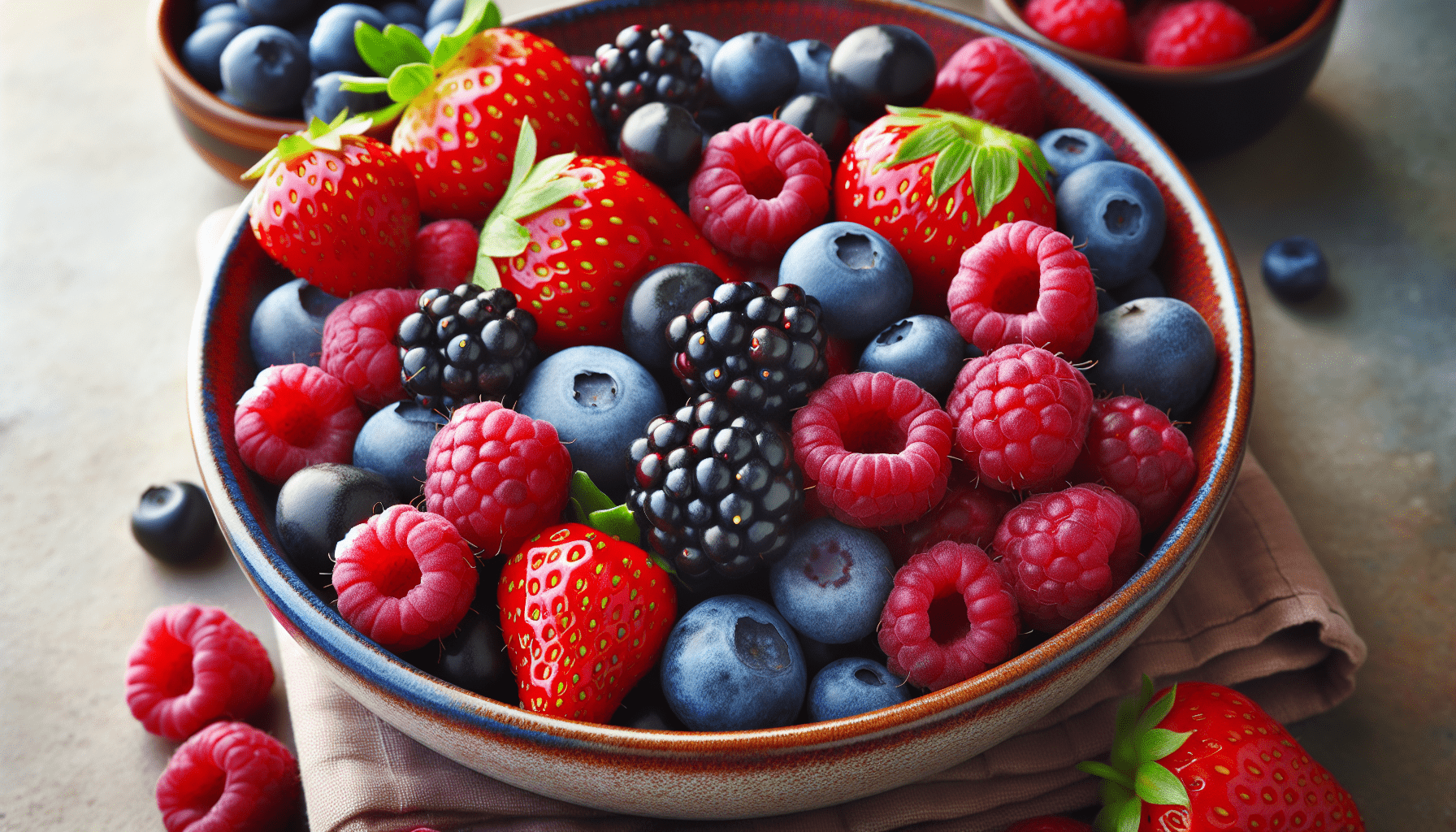
You are in for a treat as we explore the world of superfoods designed specifically for women’s health. Packed with essential nutrients, these superstar foods not only provide a delicious and healthy addition to your diet but also offer a wide range of benefits for your overall well-being. From antioxidant-rich berries to hormone-balancing seeds, this article will introduce you to the most popular superfoods that can empower and nourish your body from the inside out. Get ready to discover the key to thriving health and vibrant energy!
Avocado
Avocado is a delicious fruit that is not only tasty but also highly nutritious. One of its standout features is its high content of healthy fats. Unlike other fruits that are low in fats, avocados contain monounsaturated fats which are considered healthy for the body. These fats can help improve your cholesterol levels and reduce the risk of heart disease. By including avocados in your diet, you can enjoy the benefits of these healthy fats while still maintaining a balanced and nutritious eating plan.
Furthermore, avocados are also rich in vitamins and minerals. They are particularly high in vitamins K, C, E, and B-6. These vitamins play a vital role in supporting various bodily functions, including the immune system, bone health, and overall wellbeing. Avocados are also a great source of minerals such as potassium, which can help regulate blood pressure, and magnesium, which is important for muscle function. By incorporating avocados into your meals, you can ensure that you are getting a good dose of essential vitamins and minerals, all while enjoying a tasty and versatile fruit.
Lastly, avocados are known to promote heart health. The monounsaturated fats found in avocados can help lower bad cholesterol levels and increase good cholesterol levels. This can significantly reduce the risk of heart disease and stroke. Additionally, avocados also contain a natural plant sterol called beta-sitosterol, which can help lower cholesterol absorption. Including avocados as part of a heart-healthy diet can be a simple and enjoyable way to support your cardiovascular health.
Spinach
Spinach, the vibrant green leafy vegetable, is often touted as a superfood for good reason. It is packed with antioxidants, which are powerful compounds that help protect your body against damage caused by free radicals. These antioxidants can help prevent chronic diseases and promote overall health. By regularly consuming spinach, you can boost your antioxidant intake and keep your body protected.
Beyond its antioxidant properties, spinach is an excellent source of iron. Iron is an essential mineral that plays a crucial role in carrying oxygen throughout the body. It is especially important for women, as they have higher iron requirements due to menstruation and pregnancy. Incorporating spinach into your diet can help prevent iron deficiency and support healthy blood production.
Additionally, spinach is known to promote bone health. It is rich in nutrients like calcium, magnesium, and vitamin K, which are all vital for maintaining strong and healthy bones. These nutrients work together to support bone density and prevent conditions like osteoporosis. By including spinach in your meals, you can give your bones the nutrients they need to stay strong and resilient as you age.
Blueberries
Blueberries are small but mighty when it comes to their health benefits. They are not only delicious but also packed with antioxidants. Antioxidants are essential for neutralizing harmful free radicals in the body, protecting cells from damage and reducing the risk of chronic diseases such as cancer. Adding blueberries to your diet can be an easy and tasty way to ensure you are getting a healthy dose of antioxidants.
Another notable benefit of blueberries is their support for brain health. These little berries are rich in flavonoids, which are compounds that have been shown to improve memory and cognitive function. Studies have suggested that regular consumption of blueberries may help delay brain aging and reduce the risk of neurodegenerative diseases like Alzheimer’s. So, by incorporating blueberries into your daily meals or snacks, you can give your brain a natural boost and support long-term cognitive health.
Furthermore, blueberries may also improve heart health. They are known to help lower blood pressure and reduce the risk of heart disease. Blueberries contain compounds called anthocyanins, which have been shown to improve cardiovascular health and reduce inflammation. By including blueberries in your diet, you can enjoy a heart-healthy snack that tastes great and is good for your overall wellbeing.
Salmon
Salmon is a prized fish for its delicious taste and numerous health benefits. One of its standout features is its rich omega-3 fatty acid content. Omega-3 fatty acids are essential for brain function and have been linked to numerous health benefits. Consuming salmon regularly can help support optimal brain function and reduce the risk of cognitive decline and mental disorders.
In addition to promoting brain health, salmon is also good for your heart. The omega-3 fatty acids found in salmon can help reduce inflammation, lower blood pressure, and decrease triglyceride levels. These benefits contribute to a healthier cardiovascular system and a reduced risk of heart disease. By incorporating salmon into your diet, you can give your heart the love and care it deserves.
Chia seeds
Chia seeds may be tiny, but they pack a big nutritional punch. These tiny black seeds are a great source of fiber, which is important for a healthy digestive system. Fiber helps regulate bowel movements, prevents constipation, and supports overall gut health. By incorporating chia seeds into your meals or snacks, you can increase your fiber intake and promote digestive wellness.
Moreover, chia seeds are packed with omega-3 fatty acids. These fatty acids are known for their numerous health benefits, including reducing inflammation, supporting brain health, and promoting heart health. By including chia seeds in your diet, you can benefit from these essential fatty acids and support your overall wellbeing.
Greek yogurt
Greek yogurt is a creamy and delicious food that offers a range of health benefits. One of its notable features is its high protein content. Protein is essential for various functions in the body, including muscle growth and repair. By incorporating Greek yogurt into your diet, you can provide your body with a high-quality source of protein and support your overall health and fitness goals.
Furthermore, Greek yogurt contains probiotics, which are beneficial bacteria that promote gut health. These probiotics can help maintain a healthy balance of gut flora, improve digestion, and strengthen the immune system. By including Greek yogurt in your daily routine, you can support your gut health and overall wellbeing.
Sweet potatoes
Sweet potatoes are not only delicious but also incredibly nutritious. They are rich in vitamins A and C, which are powerful antioxidants that support numerous bodily functions. These vitamins help protect your cells from damage, boost your immune system, and promote healthy skin. By incorporating sweet potatoes into your diet, you can enjoy a flavorful and versatile food that benefits your overall health.
Moreover, sweet potatoes may also support eye health. They contain a compound called beta-carotene, which is converted to vitamin A in the body. Vitamin A plays a crucial role in maintaining good vision and preventing conditions like night blindness. Adding sweet potatoes to your meals can be a simple and enjoyable way to support your eye health and maintain clear vision.
Quinoa
Quinoa is a versatile grain that has gained popularity for its numerous health benefits. It is high in both protein and fiber, making it a great addition to a balanced diet. Protein is essential for muscle growth and repair, while fiber helps promote digestive health and keeps you feeling full and satisfied. By incorporating quinoa into your meals, you can enjoy a nutritious grain that supports weight management and overall wellbeing.
Additionally, quinoa is gluten-free, making it a suitable option for individuals with gluten sensitivities or celiac disease. Many grains contain gluten, which can cause digestive issues and inflammation in some people. By choosing quinoa as an alternative, you can enjoy a wholesome and gluten-free grain that doesn’t compromise taste or nutrition.
Broccoli
Broccoli is a cruciferous vegetable that offers a wide array of vitamins and minerals. It is especially rich in vitamins C and K, which are important for immune function and bone health, respectively. Vitamin C is known for its immune-boosting properties, helping you fight off illnesses and infections. Vitamin K, on the other hand, supports bone density and can help prevent conditions like osteoporosis. By incorporating broccoli into your meals, you can give your body a nutrient boost and support your immune and bone health.
Furthermore, broccoli contains various antioxidants that help protect your body against harmful free radicals. These antioxidants can reduce inflammation, support cellular health, and reduce the risk of chronic diseases. By regularly consuming broccoli, you can enjoy its powerful antioxidant properties and support your overall wellbeing.
Turmeric
Turmeric is a spice that has been used for centuries in traditional medicine due to its powerful health benefits. One of its key features is its potent anti-inflammatory properties. Chronic inflammation is a common underlying cause of various diseases, including heart disease, cancer, and Alzheimer’s. By incorporating turmeric into your diet, you can help reduce chronic inflammation and support your overall health.
Additionally, turmeric may aid in digestion. It can help stimulate bile production, which supports the breakdown and absorption of fats. By including turmeric in your diet, you can promote healthy digestion and prevent digestive discomfort.
Furthermore, turmeric is believed to help prevent chronic diseases. It contains a compound called curcumin, which has been extensively studied for its potential health benefits. Curcumin has shown promising results in reducing the risk of chronic diseases like cancer, diabetes, and heart disease. By incorporating turmeric into your meals or using it as a supplement, you can harness the potential benefits of curcumin and support your long-term health.
In conclusion, incorporating these superfoods into your diet can provide a wide range of health benefits. From promoting heart health to supporting gut health and boosting brain function, these nutrient-rich foods can significantly enhance your overall wellbeing. So, why not give these superfoods a try and start reaping the rewards of their nutritional goodness? Your body will thank you.