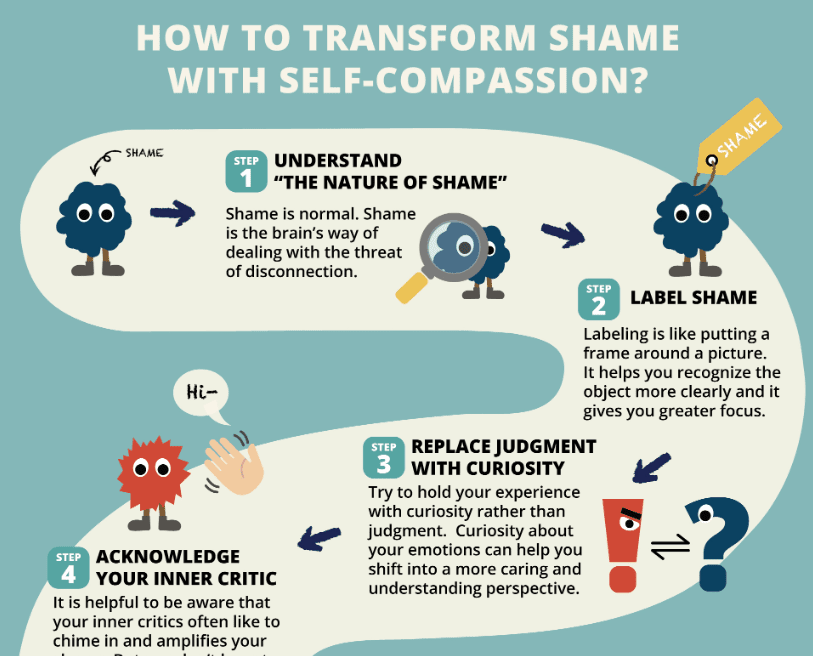
In this article, you will discover practical strategies to overcome shame and cultivate a deep sense of self-acceptance and self-love. We all experience shame at some point in our lives, whether it stems from past mistakes, societal expectations, or negative self-perceptions. However, by adopting powerful techniques and shifting our mindset, you can liberate yourself from the grip of shame and embark on a transformative journey towards embracing your true self. Through compassion, self-reflective practices, and self-empowerment, you will learn how to build a strong foundation of self-acceptance and foster a genuine love for yourself. Let us embark on this empowering quest together and unlock the incredible potential that lies within you.

Understanding Shame and its Impact
Defining shame
Shame is an intense and painful emotion that stems from a belief that there is something fundamentally wrong with you as a person. It is often experienced as a deep sense of unworthiness and can be triggered by various factors, such as past traumas, societal expectations, or personal failures. Shame can manifest as feelings of embarrassment, guilt, or self-disgust.
The roots of shame
Shame can have its roots in childhood experiences, where negative messages or behaviors from caregivers or significant others can shape one’s self-perception. It can also be influenced by societal norms and expectations, where certain traits or behaviors are stigmatized. These early experiences and external influences can contribute to the internalization of shame and the development of a negative self-image.
The negative effects of shame
Shame has profound effects on an individual’s emotional, psychological, and physical well-being. It can lead to low self-esteem, self-isolation, and a constant fear of judgment and rejection. Shame can undermine one’s sense of self-worth and can make it difficult to form healthy relationships or pursue personal goals. Additionally, chronic shame has been linked to mental health issues, such as depression, anxiety, and even suicidal thoughts.
Identifying personal shame triggers
To overcome shame, it is essential to identify the specific triggers that evoke these feelings. These triggers can be certain situations, interactions, or even internal thoughts and beliefs. By recognizing and understanding these triggers, you can develop strategies to address and challenge them effectively. This self-awareness is a crucial step towards breaking free from the grips of shame and cultivating self-acceptance.
Recognizing the Importance of Self-Acceptance
What is self-acceptance?
Self-acceptance is the ability to fully embrace oneself, including all strengths, weaknesses, and imperfections, without judgment or the need for external validation. It involves acknowledging and embracing one’s true self, both the positive and negative aspects, and treating oneself with kindness, compassion, and love.
The benefits of self-acceptance
Self-acceptance is essential for cultivating a healthy and positive self-image. When you accept yourself, flaws and all, you free yourself from the burden of constant self-criticism and the need for perfection. This acceptance allows for greater self-confidence, resilience, and a sense of inner peace. It also enables you to engage in self-care, set realistic goals, and build meaningful relationships based on authenticity and vulnerability.
Embracing imperfections
Imperfections are what make us unique and human. Embracing these imperfections means accepting that it is okay to make mistakes, to have flaws, and to not meet societal expectations of perfection. By reframing imperfections as opportunities for growth and learning, you can develop a more compassionate and accepting attitude towards yourself.
Challenging self-judgment
Self-judgment is a common pattern that perpetuates shame and self-criticism. By challenging self-judgment, you can create a more positive and nurturing inner dialogue. This involves questioning negative self-talk and replacing it with kind and supportive thoughts. Practicing self-compassion and adopting a non-judgmental stance towards oneself can greatly contribute to building self-acceptance.
Developing Self-Compassion
Understanding self-compassion
Self-compassion is the practice of extending kindness, understanding, and empathy towards oneself, especially in moments of suffering or difficulty. It involves recognizing that everyone makes mistakes and experiences setbacks, and offering oneself the same care and understanding one would provide to a dear friend.
Practicing self-kindness
Practicing self-kindness involves treating yourself with the same compassion and care you would extend to someone you love. It means forgiving yourself for past mistakes, comforting yourself during challenging times, and acknowledging your efforts and accomplishments. By cultivating self-kindness, you can counteract the harsh self-judgment and criticism that often accompany shame.
Cultivating mindfulness
Mindfulness is the practice of paying attention to the present moment with curiosity and without judgment. It can help you become aware of your thoughts, emotions, and physical sensations, allowing you to observe them without getting caught up in them. By cultivating mindfulness, you can develop a greater sense of self-awareness and a compassionate understanding of your experiences.
Embracing self-forgiveness
Self-forgiveness is an essential aspect of self-compassion and self-acceptance. It involves letting go of past regrets and resentments towards oneself and choosing to embrace forgiveness and healing. By acknowledging that everyone makes mistakes and that growth is possible, you can release the weight of guilt and shame and move towards self-acceptance and personal growth.
Building a Positive Self-Image
Examining self-perception
Self-perception refers to how you view and understand yourself, including your strengths, weaknesses, and overall self-worth. It is influenced by various factors, including past experiences and the way others perceive and treat you. Examining your self-perception involves becoming aware of any negative or limiting beliefs you hold about yourself and working towards transforming them into more positive and empowering narratives.
Challenging negative self-talk
Negative self-talk can be a significant obstacle to building a positive self-image. It involves the internal dialogue of self-criticism, self-doubt, and self-devaluation. Challenging negative self-talk requires actively identifying and questioning these negative beliefs and replacing them with more realistic and self-affirming ones. By redirecting your inner narrative towards kindness and encouragement, you can cultivate a more positive self-image.
Celebrating achievements
Acknowledging and celebrating your achievements, no matter how small, is crucial to building a positive self-image. By recognizing your accomplishments, you validate your efforts and abilities, boosting your self-confidence and self-worth. Celebrating achievements can involve anything from journaling about your successes to sharing them with trusted friends or loved ones.
Surrounding yourself with positive influences
The people and environments we surround ourselves with can greatly impact our self-image. Surrounding yourself with positive influences, such as supportive friends, mentors, or uplifting communities, can contribute to a more positive self-perception. These individuals can provide encouragement, guidance, and validation, helping you build a healthier and more confident sense of self.
Expanding Self-Awareness
Exploring personal values and beliefs
Self-awareness involves understanding your personal values and beliefs, which shape your behaviors, decisions, and overall perspective on life. Exploring personal values and beliefs allows you to align your actions and choices with what truly matters to you. By living in accordance with your authentic self, you can foster a greater sense of fulfillment and self-acceptance.
Identifying strengths and weaknesses
Identifying your strengths and weaknesses is essential for personal growth and self-acceptance. Recognizing your strengths allows you to leverage them in pursuit of your goals and passions. Embracing your weaknesses, on the other hand, means acknowledging areas where you may need improvement or support and accepting them as part of your unique journey.
Understanding triggers and patterns
Triggers are situations, people, or thoughts that evoke intense emotional reactions or behaviors. Understanding your triggers can provide valuable insights into the underlying causes of shame or other challenging emotions. By identifying patterns in your emotional responses, you can develop strategies to address and manage them more effectively, ultimately fostering self-acceptance.
Developing emotional intelligence
Emotional intelligence encompasses the ability to recognize, understand, and manage one’s own emotions, as well as empathize with the emotions of others. Developing emotional intelligence is crucial for self-acceptance, as it allows you to navigate your emotions with greater awareness and compassion. By tuning into your emotions and responding to them with kindness and understanding, you can cultivate a deeper sense of self-acceptance and emotional well-being.
Setting Realistic Expectations
Examining societal pressures
Societal pressures can often create unrealistic expectations, leading to feelings of inadequacy and shame. Examining these pressures involves questioning societal norms and ideals that may not align with your values or authentic self. By recognizing and challenging these expectations, you can set more realistic standards for yourself and move away from the destructive cycle of comparison and perfectionism.
Identifying personal expectations
In addition to societal pressures, individuals often have their own sets of expectations that contribute to feelings of shame. Identifying these personal expectations involves exploring your hopes, fears, and desires and reflecting on whether they are realistic and healthy. By reassessing your expectations and aiming for attainable goals, you can foster self-acceptance and avoid unnecessary self-inflicted pressure.
Reframing perfectionism
Perfectionism is a common stumbling block on the path to self-acceptance. Reframing perfectionism involves challenging the belief that you must be flawless to be worthy. Instead, it means embracing a growth mindset and understanding that mistakes and imperfections are opportunities for learning and growth. By letting go of the need for perfection, you can cultivate self-acceptance and embrace the beauty of being human.
Practicing self-compassionate goal setting
Setting goals with self-compassion involves considering your well-being and emotional needs throughout the process. It means setting realistic and attainable goals that align with your values and priorities. It also involves being flexible and compassionate towards yourself if setbacks or obstacles arise. By approaching goal-setting with self-compassion, you can foster a sense of accomplishment and self-acceptance, regardless of the outcome.

Practicing Self-Care and Self-Love
Prioritizing emotional well-being
Self-care is vital for nurturing your emotional well-being and cultivating self-acceptance. Prioritizing emotional well-being involves engaging in activities and practices that promote relaxation, stress reduction, and emotional healing. This can include journaling, practicing mindfulness, seeking therapy or counseling, or engaging in creative outlets that bring you joy and fulfillment.
Nurturing physical health
Physical health plays an integral role in fostering self-acceptance and self-love. Nurturing your physical health involves engaging in regular exercise, eating nutritious foods, getting enough sleep, and practicing self-care rituals, such as skincare or body care routines. Taking care of your physical well-being not only contributes to a healthier body but also boosts your self-esteem and overall sense of self-acceptance.
Engaging in activities that bring joy
Engaging in activities that bring you joy is an essential part of self-care and self-love. This can include hobbies, creative pursuits, spending time in nature, or connecting with loved ones. By intentionally making time for activities that bring you genuine happiness and fulfillment, you cultivate a sense of self-worth and nourish your soul.
Establishing healthy boundaries
Establishing healthy boundaries is crucial for self-care and self-love. It involves recognizing and communicating your needs, preferences, and limits to others. By setting boundaries, you protect your emotional well-being and create space for self-acceptance and personal growth. Establishing and maintaining healthy boundaries helps cultivate a sense of respect for yourself and fosters positive, balanced relationships.
Building Supportive Relationships
Surrounding yourself with positive influences
Surrounding yourself with positive influences is key to building self-acceptance and self-love. Seek out friends, family members, or mentors who uplift and support you. These individuals can provide encouragement, understanding, and validation, and can serve as a reminder of your inherent worthiness. By surrounding yourself with positive influences, you create a nurturing environment that promotes self-acceptance.
Seeking therapy or counseling
Therapy or counseling can be immensely valuable in overcoming shame and building self-acceptance. A trained professional can provide guidance, support, and a safe space to explore past experiences, emotions, and beliefs. Therapy allows for the development of healthy coping mechanisms, increased self-awareness, and self-compassion, all of which contribute to building a positive self-image.
Connecting with like-minded individuals
Connecting with like-minded individuals who share similar values and aspirations can be empowering and validating. Seek out communities, interest groups, or online forums where you can find support and understanding. By connecting with like-minded individuals, you create a sense of belonging and reduce feelings of isolation or shame.
Building a support network
Building a support network involves cultivating relationships with individuals who genuinely care about your well-being and can provide emotional support and guidance. This network can include friends, family, mentors, or support groups. By relying on a support network, you have a safe space to share experiences, seek advice, and receive validation, which is instrumental in fostering self-acceptance and personal growth.

Overcoming Shame with Vulnerability
Understanding the power of vulnerability
Vulnerability is the willingness to be open and authentic, despite the fear of judgment or rejection. It involves allowing yourself to be seen and heard, including your insecurities and struggles. Understanding the power of vulnerability is key to overcoming shame, as it cultivates connection, empathy, and self-acceptance.
Sharing experiences and emotions
Sharing experiences and emotions with trusted individuals can be transformative in releasing shame and fostering self-acceptance. By opening up about your struggles, fears, and insecurities, you allow others to see you, support you, and provide perspective. Sharing your experiences also helps normalize feelings of shame and encourages others to do the same.
Seeking support and understanding
Seeking support and understanding from trusted individuals or support groups can be instrumental in overcoming shame. This can involve reaching out to friends, family members, or seeking professional help. By expressing your feelings and experiences in a safe and understanding environment, you can process shame and gain insights into your journey towards self-acceptance.
Creating a safe space for self-expression
Creating a safe space for self-expression is crucial for overcoming shame and fostering self-acceptance. This can involve journaling, engaging in creative activities, or finding a creative outlet where you can freely express your thoughts, emotions, and experiences. By creating this safe space, you provide yourself with the opportunity to explore and heal from shame, ultimately promoting self-acceptance and self-love.
Continuously Nurturing Self-Acceptance and Self-Love
Embracing self-reflection and growth
Self-reflection involves regularly examining your thoughts, emotions, and behaviors to gain insights and foster personal growth. By engaging in self-reflection, you can identify areas for improvement, celebrate progress, and adjust your mindset and behaviors towards self-acceptance. Embracing self-reflection allows for continuous growth and nurturing of self-acceptance and self-love.
Revisiting and updating personal values
Personal values act as guiding principles that shape your choices and actions. Revisiting and updating personal values is an ongoing process that ensures they align with your evolving beliefs, goals, and priorities. By living in accordance with your updated values, you strengthen your sense of authenticity, self-acceptance, and personal fulfillment.
Consistently practicing self-care
Self-care is not a one-time event but a continuous practice that requires attention and consistency. Consistently practicing self-care involves incorporating activities, routines, and habits that nourish your physical, emotional, and spiritual well-being into your daily life. By prioritizing self-care, you reinforce self-acceptance and self-love, creating a foundation for a fulfilling and balanced life.
Surrounding yourself with positivity
Surrounding yourself with positivity is an ongoing commitment to nurturing your self-acceptance and self-love. It involves consciously choosing to engage in positive relationships, environments, and activities that uplift and inspire. By surrounding yourself with positivity, you reinforce a healthy self-image and create an environment that supports your ongoing journey towards self-acceptance and self-love.
In conclusion, overcoming shame and building self-acceptance and self-love is a transformative journey that requires self-awareness, self-compassion, and continuous effort. By understanding the roots and impact of shame, recognizing the importance of self-acceptance, practicing self-compassion, nurturing a positive self-image, expanding self-awareness, setting realistic expectations, prioritizing self-care, building supportive relationships, embracing vulnerability, and continuously nurturing self-acceptance and self-love, you can break free from the grip of shame and cultivate a deep sense of acceptance and love for yourself. Remember, you are deserving of love, worthiness, and acceptance just as you are.