
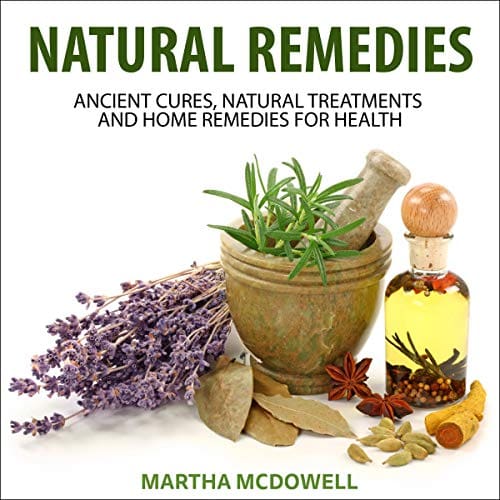
Are you looking for ways to alleviate age-related ailments without relying solely on medications? Look no further! In this article, discover a range of natural remedies that can help ease the symptoms of various age-related conditions. From joint pain to poor sleep, these remedies aim to provide relief and improve overall well-being. So, whether you’re seeking solutions for arthritis, insomnia, or cognitive decline, read on to explore the healing power of nature’s remedies.
1. Joint Pain and Arthritis
Turmeric
Turmeric, a bright yellow spice commonly used in curry dishes, has long been recognized for its anti-inflammatory properties. Curcumin, the active compound in turmeric, has been shown to reduce pain and inflammation in individuals with arthritis. Incorporating turmeric into your diet can help alleviate joint pain and improve mobility.
Ginger
Ginger, another potent anti-inflammatory herb, has been used for centuries to treat various ailments, including arthritis. Its active components, gingerols and shogaols, have been shown to reduce pain and swelling in individuals with osteoarthritis and rheumatoid arthritis. Adding ginger to your meals or drinking ginger tea can have significant benefits for joint health.
Omega-3 Fatty Acids
Omega-3 fatty acids, commonly found in fatty fish like salmon and mackerel, have been shown to have anti-inflammatory effects in the body. These essential fats can help reduce joint pain and stiffness associated with arthritis. If you’re not a fan of fish, you can also consider taking fish oil supplements to ensure an adequate intake of omega-3 fatty acids.
2. Memory Loss and Cognitive Decline
Ginkgo Biloba
Ginkgo biloba, derived from the leaves of the Ginkgo biloba tree, has been used in traditional medicine to improve cognitive function and memory. It is believed to enhance blood flow to the brain and protect nerve cells from damage. Incorporating ginkgo biloba into your daily routine, either in supplement form or as a tea, may help improve memory and cognition.
Bacopa Monnieri
Bacopa monnieri, also known as Brahmi, is a herb commonly used in Ayurvedic medicine for its memory-enhancing properties. Numerous studies have shown that bacopa monnieri can improve cognitive function, attention, and memory retention. It is available in supplement form and is especially beneficial for individuals experiencing age-related memory decline.
Rosemary
Rosemary, a fragrant herb commonly used in cooking, may also have cognitive benefits. It contains compounds that have been shown to enhance memory and concentration. Inhaling the scent of rosemary essential oil or incorporating the herb into your meals can help stimulate cognitive function and improve memory.
3. Bone Health and Osteoporosis
Calcium
Calcium is essential for maintaining strong and healthy bones. It plays a crucial role in bone formation and prevents the loss of bone density over time. Consuming calcium-rich foods such as dairy products, leafy greens, and fortified products can help support bone health.
Vitamin D
Vitamin D is crucial for the absorption of calcium in the body. It helps regulate calcium levels and promotes bone mineralization. Spending time outdoors and exposing your skin to sunlight can stimulate vitamin D production. Additionally, incorporating vitamin D-rich foods like fatty fish, egg yolks, and fortified dairy products into your diet can help prevent bone loss.
Exercise
Regular weight-bearing exercises, such as walking, jogging, and weightlifting, can help improve bone strength and density. Engaging in physical activity helps stimulate bone cells to build new tissue and reduces the risk of osteoporosis. It is important to consult with a healthcare professional before starting any exercise regimen, especially if you have existing bone health concerns.
4. Heart Health and Hypertension
Garlic
Garlic is a versatile ingredient that not only adds flavor to dishes but also offers numerous health benefits. It contains an active compound called allicin, which has been shown to reduce blood pressure and cholesterol levels. Adding garlic to your meals or taking garlic supplements can help promote heart health and lower the risk of hypertension.
Hawthorn
Hawthorn is a berry known for its cardiovascular benefits. It has been traditionally used to improve blood circulation, reduce high blood pressure, and support overall heart health. Hawthorn supplements or teas can be beneficial for individuals looking to maintain a healthy heart.
Coenzyme Q10
Coenzyme Q10, also known as CoQ10, is a naturally occurring compound in the body that plays a key role in energy production. It is also a potent antioxidant that helps protect the heart from damage caused by free radicals. CoQ10 supplements can support cardiovascular health and may be particularly beneficial for individuals with heart conditions or hypertension.
5. Vision Problems and Macular Degeneration
Bilberry
Bilberry, a relative to the blueberry, is known for its potential benefits on eye health. It contains compounds called anthocyanins, which have antioxidant and anti-inflammatory properties. Regular consumption of bilberry or bilberry supplements can help protect the eyes from damage caused by free radicals and may reduce the risk of age-related macular degeneration.
Vitamin C
Vitamin C is an essential nutrient that plays a crucial role in maintaining healthy eye function. It helps protect the eyes against oxidative stress and supports the production of collagen, which is necessary for the health of blood vessels in the eyes. Including vitamin C-rich foods like citrus fruits, peppers, and berries in your diet can promote good eye health.
Zeaxanthin
Zeaxanthin is a carotenoid pigment that is concentrated in the retina of the eye. Studies have shown that zeaxanthin, along with another carotenoid called lutein, can help reduce the risk of age-related macular degeneration. Incorporating zeaxanthin-rich foods like leafy greens, corn, and eggs into your diet can support healthy vision.
6. Digestive Issues and Constipation
Aloe Vera
Aloe vera has been used for centuries to support digestion and relieve constipation. It contains compounds that have laxative effects and can help regulate bowel movements. Consuming aloe vera juice or gel can provide relief from digestive discomfort and promote regularity.
Peppermint
Peppermint has been traditionally used to soothe digestive issues such as bloating, indigestion, and irritable bowel syndrome (IBS). The menthol in peppermint has antispasmodic properties that can help relax the muscles of the gastrointestinal tract. Drinking peppermint tea or using peppermint oil can help alleviate digestive discomfort.
Fiber-rich Foods
Increasing your intake of fiber-rich foods, such as whole grains, fruits, vegetables, and legumes, can help prevent and relieve constipation. Fiber adds bulk to the stool, making it easier to pass through the digestive system. It also promotes the growth of beneficial bacteria in the gut, supporting overall digestive health.
7. Sleep Problems and Insomnia
Valerian Root
Valerian root has been used for centuries as a natural remedy for sleep problems. It contains compounds that promote relaxation and may help improve sleep quality. Taking valerian root supplements or drinking valerian tea before bedtime can help alleviate insomnia symptoms.
Chamomile
Chamomile tea is well-known for its calming and soothing effects. It contains compounds that can help relax the mind and body, making it easier to fall asleep. Drinking a cup of chamomile tea before bed can promote better sleep and relieve sleep-related issues.
Lavender
Lavender, whether in the form of essential oil or as a herbal supplement, is commonly used to promote relaxation and improve sleep quality. Its aroma has been shown to have sedative effects, helping individuals fall asleep faster and enjoy a more restful sleep. Incorporating lavender into your bedtime routine, such as using lavender-scented products or diffusing lavender oil, can enhance your sleep experience.
8. Mood Disorders and Depression
St. John’s Wort
St. John’s Wort is a herb commonly used to treat mild to moderate depression and mood disorders. It contains compounds that can help regulate mood and improve symptoms of depression. However, it is important to consult with a healthcare professional before taking St. John’s Wort, as it may interact with certain medications.
Saffron
Saffron, a spice derived from the Crocus sativus flower, has shown promise in improving mood and alleviating symptoms of depression. It contains compounds that have been found to have antidepressant effects. Adding saffron to your meals or taking saffron supplements may help support emotional well-being.
Omega-3 Fatty Acids
Omega-3 fatty acids, which are abundant in fatty fish and certain nuts and seeds, have been shown to have mood-stabilizing effects. They can help reduce symptoms of depression and improve overall mental health. Including omega-3 fatty acid-rich foods or taking omega-3 supplements can have a positive impact on mood disorders.
9. Skin Aging and Wrinkles
Green Tea
Green tea is packed with antioxidants that help protect the skin against damage from free radicals. It also contains compounds that can improve skin elasticity and reduce the appearance of wrinkles. Drinking green tea or using green tea extracts in skincare products can contribute to youthful-looking skin.
Vitamin C
Vitamin C plays a vital role in collagen synthesis, which is essential for maintaining skin elasticity and reducing wrinkles. It also acts as a powerful antioxidant, protecting the skin from environmental damage. Consuming vitamin C-rich foods or using skincare products containing vitamin C can help combat skin aging.
Collagen Supplements
Collagen is a protein that provides structure to the skin. As we age, our body’s collagen production declines, leading to the development of wrinkles and fine lines. Taking collagen supplements can help replenish collagen levels in the skin, promoting a more youthful appearance and reducing signs of aging.
10. Energy Boost and Fatigue
Ashwagandha
Ashwagandha is an adaptogenic herb that has been used for centuries to combat fatigue and boost energy levels. It helps the body adapt to stress and provides a natural energy boost. Taking ashwagandha supplements or consuming ashwagandha tea can help increase vitality and reduce feelings of fatigue.
Caffeine
Caffeine, found in coffee, tea, and certain beverages, is known for its stimulant effects. It can enhance alertness, attention, and energy levels. However, it is important to consume caffeine in moderation and be aware of how it affects your sleep and overall well-being.
B-vitamins
B-vitamins, including B12, B6, and folate, play a crucial role in energy metabolism. They help convert food into energy, making them essential for maintaining optimal energy levels. Consuming a balanced diet with foods rich in B-vitamins or taking B-vitamin supplements can help combat fatigue and support overall energy production.
Incorporating natural remedies into your lifestyle can offer a holistic approach to managing age-related ailments. While these remedies have shown promising results, it is important to consult with a healthcare professional before starting any new supplementation or treatment. Taking care of your health proactively can contribute to improved well-being and a higher quality of life as you age.