
Welcome, dear reader! In this article, you will learn some helpful tips on how to stay physically active even with arthritis. Living with arthritis can make it challenging to be active, but it is not impossible. By making some simple adjustments to your routine and incorporating activities that are gentle on your joints, you can continue to stay active and improve your overall health and well-being. Let’s explore some strategies together to keep you moving with ease and joy despite arthritis.
How can you stay physically active when dealing with arthritis?
Living with arthritis can make it difficult to stay physically active, but it’s crucial to find ways to keep moving to maintain overall health and mobility. In this article, we’ll explore various ways you can stay physically active even with arthritis, from low-impact exercises to lifestyle changes that can help manage symptoms.
Understanding Arthritis and Physical Activity
Arthritis is a common condition that causes pain and inflammation in the joints, making movement difficult and often painful. However, staying physically active is essential for managing arthritis symptoms, improving joint function, and maintaining overall health. With the right approach, you can find ways to exercise and stay active without exacerbating your symptoms.
How Does Physical Activity Help Arthritis?
Staying physically active can have numerous benefits for people with arthritis, including:
- Improved joint flexibility: Regular exercise can help improve joint flexibility, making it easier to move and reducing pain and stiffness.
- Stronger muscles: Strengthening the muscles around your joints can help provide better support and reduce strain on the joints.
- Weight management: Exercise can help you maintain a healthy weight, which is essential for reducing the strain on your joints and preventing further damage.
- Better mood and mental health: Physical activity has been shown to improve mood and mental well-being, which can be beneficial for managing the stress and emotional impact of living with arthritis.
Types of Arthritis-Friendly Activities
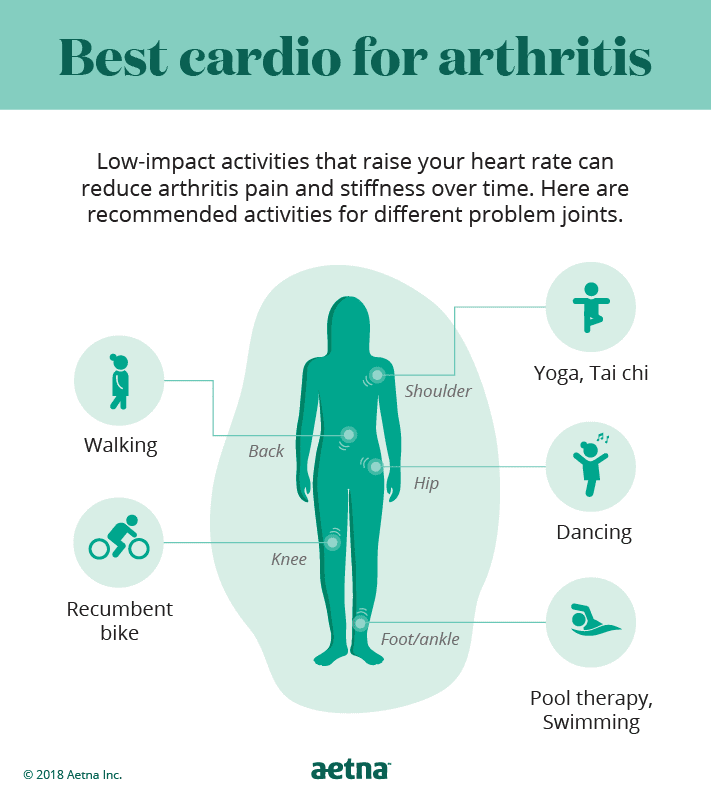
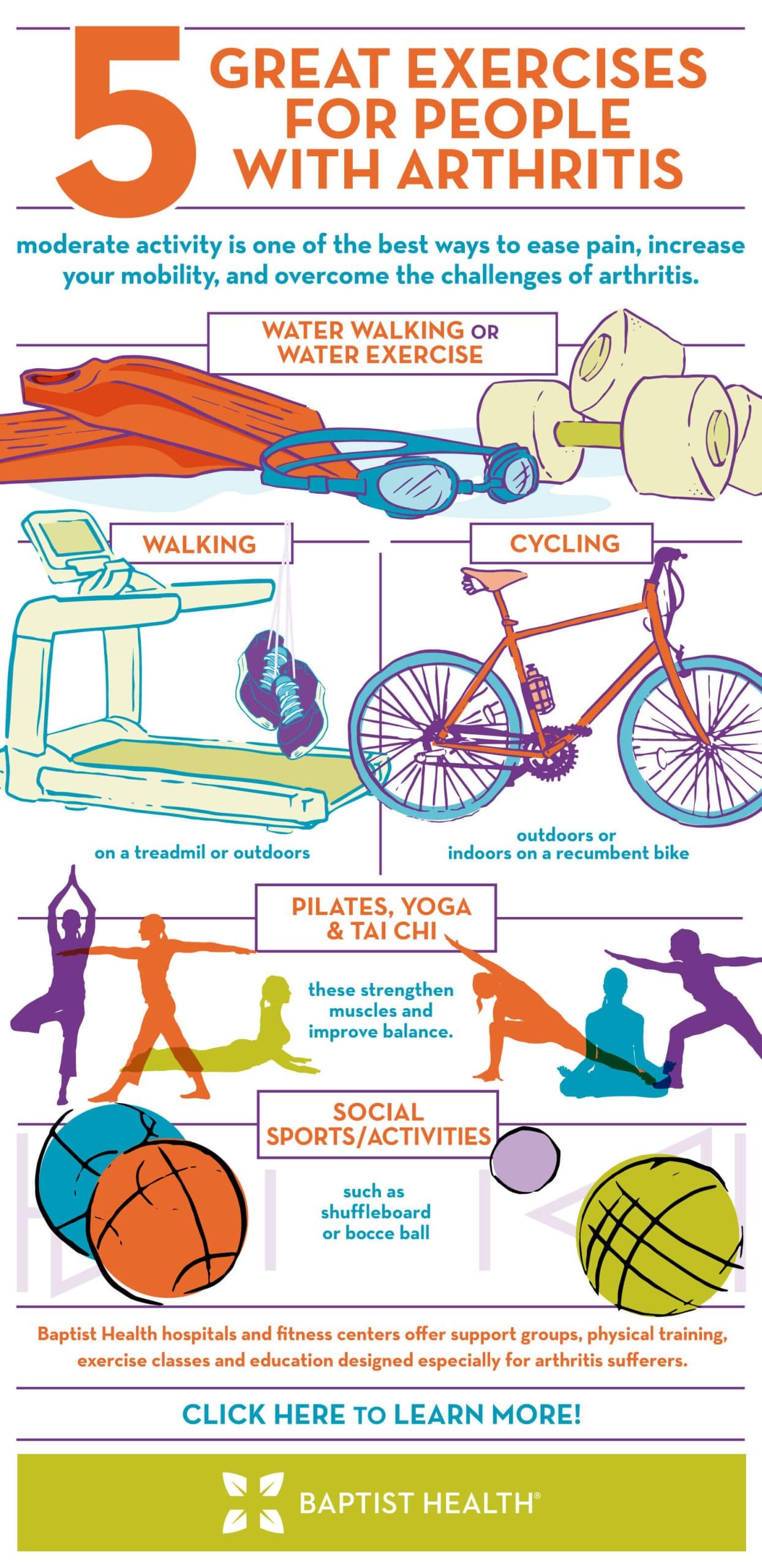
When choosing physical activities to engage in with arthritis, it’s essential to opt for exercises that are gentle on the joints and provide overall health benefits. Some arthritis-friendly activities to consider include:
- Low-impact exercises: Activities like swimming, cycling, walking, or using an elliptical machine are gentle on the joints while providing a good cardio workout.
- Strength training: Light weightlifting or bodyweight exercises can help strengthen muscles and improve joint stability.
- Flexibility exercises: Stretching routines can help improve joint flexibility and range of motion.
- Mind-body exercises: Practices like yoga or tai chi can help improve balance, flexibility, and reduce stress.
- Water exercises: Water aerobics or swimming can be excellent options for exercising with arthritis as the water provides resistance and support for the joints.

Tips for Staying Active with Arthritis
Staying active with arthritis may require some adjustments to your routine and approach to exercise. Here are some tips to help you stay physically active and manage your symptoms effectively.
Start Slow and Gradually Increase Intensity
When starting an exercise routine with arthritis, it’s crucial to begin slowly and gradually increase the intensity and duration of your workouts. This approach can help prevent injury and allow your body to adjust to the new activity.
Listen to Your Body
Pay attention to how your body responds to exercise. If you experience increased pain or discomfort during or after a workout, it’s essential to modify your routine or take a break to avoid exacerbating your symptoms.
Use Proper Technique
Proper technique is crucial when exercising with arthritis to prevent injury and maximize the benefits of your workout. If you’re unsure about how to perform an exercise correctly, consider working with a certified fitness professional or physical therapist.
Stay Active Throughout the Day
In addition to structured exercise sessions, try to incorporate movement into your daily routine. Simple activities like taking short walks, gardening, or doing household chores can help keep you active and reduce stiffness.
Creating an Arthritis-Friendly Exercise Routine
To create an exercise routine that is suitable for arthritis, consider the following factors:
Frequency
Consistency is key when it comes to staying active with arthritis. Aim to exercise regularly, ideally at least 3-5 times per week to maintain joint mobility and overall health.
Duration
Start with shorter exercise sessions, typically 10-15 minutes, and gradually increase the duration as your fitness level improves. Aim for a total of 150 minutes of moderate-intensity exercise per week.
Intensity
Choose activities that allow you to work out at a moderate intensity level. You should be able to talk while exercising but not sing. Avoid high-impact activities that can strain the joints.
Warm-Up and Cool-Down
Always start your workout with a gentle warm-up to prepare your muscles and joints for exercise. Similarly, finish your workout with a cool-down routine to help prevent stiffness and reduce muscle soreness.
Balance Different Types of Exercises
Incorporate a mix of cardiovascular, strength training, and flexibility exercises into your routine to ensure overall fitness and joint health. This variety can help prevent overuse injuries and improve your overall physical function.

Lifestyle Changes to Support Physical Activity
In addition to structured exercise, making certain lifestyle changes can help support physical activity and manage arthritis symptoms effectively.
Maintain a Healthy Weight
Carrying excess weight can put additional strain on your joints, exacerbating arthritis symptoms. Aim to maintain a healthy weight through a balanced diet and regular exercise.
Prioritize Sleep
Restorative sleep is essential for overall health and managing arthritis symptoms. Make sure to prioritize good sleep hygiene habits, such as maintaining a consistent sleep schedule and creating a relaxing bedtime routine.
Manage Stress
High levels of stress can exacerbate arthritis symptoms and impact your overall well-being. Incorporate stress-management techniques like mindfulness, deep breathing exercises, or meditation into your daily routine.
Work with Your Healthcare Team
Consult with your healthcare provider or a physical therapist to create an exercise plan that is tailored to your specific needs and limitations. They can provide guidance on safe and effective exercises to manage your arthritis symptoms.
Overcoming Common Challenges
Staying physically active with arthritis may come with various challenges, but with the right strategies, you can overcome them and continue to lead an active lifestyle.
Dealing with Flare-Ups
If you experience a flare-up of arthritis symptoms, it’s essential to take a break from exercise and focus on rest and symptom management. Once the flare-up subsides, gradually resume your exercise routine.
Finding Motivation
Maintaining motivation to exercise with arthritis can be challenging, especially when dealing with pain or fatigue. Setting attainable goals, finding a workout buddy, or trying new activities can help boost motivation.
Adapting to Limitations
Arthritis may limit your range of motion or abilities, but it’s crucial to adapt your exercise routine to accommodate these limitations. Modify exercises, use assistive devices, or try alternative activities to stay active safely.

Conclusion
Arthritis doesn’t have to be a barrier to staying physically active and leading a healthy lifestyle. By choosing the right types of exercises, incorporating lifestyle changes, and listening to your body, you can effectively manage your arthritis symptoms and improve your overall quality of life. Remember to consult with your healthcare provider before starting any new exercise routine, especially if you have underlying health conditions or concerns. Stay active, stay healthy, and keep moving with arthritis!