
Welcome to “Managing Type 2 Diabetes: Tips for Beginners”! If you or a loved one has recently been diagnosed with Type 2 diabetes, it’s completely normal to feel overwhelmed. But fear not, as this article will provide you with practical tips and strategies to help you effectively manage your condition. From making healthy food choices to incorporating regular exercise into your routine, these beginner-friendly tips will set you on the right path towards living a healthier and more balanced life with Type 2 diabetes. Let’s get started on your journey to better health! Have you recently been diagnosed with Type 2 Diabetes and feeling overwhelmed with the lifestyle changes you need to make? Don’t worry, you are not alone. In this article, we will provide you with tips and guidelines on how to manage Type 2 Diabetes effectively as a beginner. From what to eat to how to stay active, we’ve got you covered every step of the way.
Understanding Type 2 Diabetes
It’s important to have a good understanding of Type 2 Diabetes before diving into how to manage it. Type 2 Diabetes is a chronic condition that affects the way your body metabolizes sugar (glucose). This means that your body either doesn’t produce enough insulin or doesn’t use insulin properly, leading to high levels of glucose in your blood.
What causes Type 2 Diabetes?
Type 2 Diabetes can be caused by a combination of genetics, lifestyle factors, and environmental factors. Factors such as obesity, lack of physical activity, poor diet, and family history can increase your risk of developing Type 2 Diabetes.
Lifestyle Changes to Manage Type 2 Diabetes
Managing Type 2 Diabetes effectively requires making significant lifestyle changes. These changes will help you control your blood sugar levels and reduce the risk of complications associated with the condition.
Healthy Eating Habits
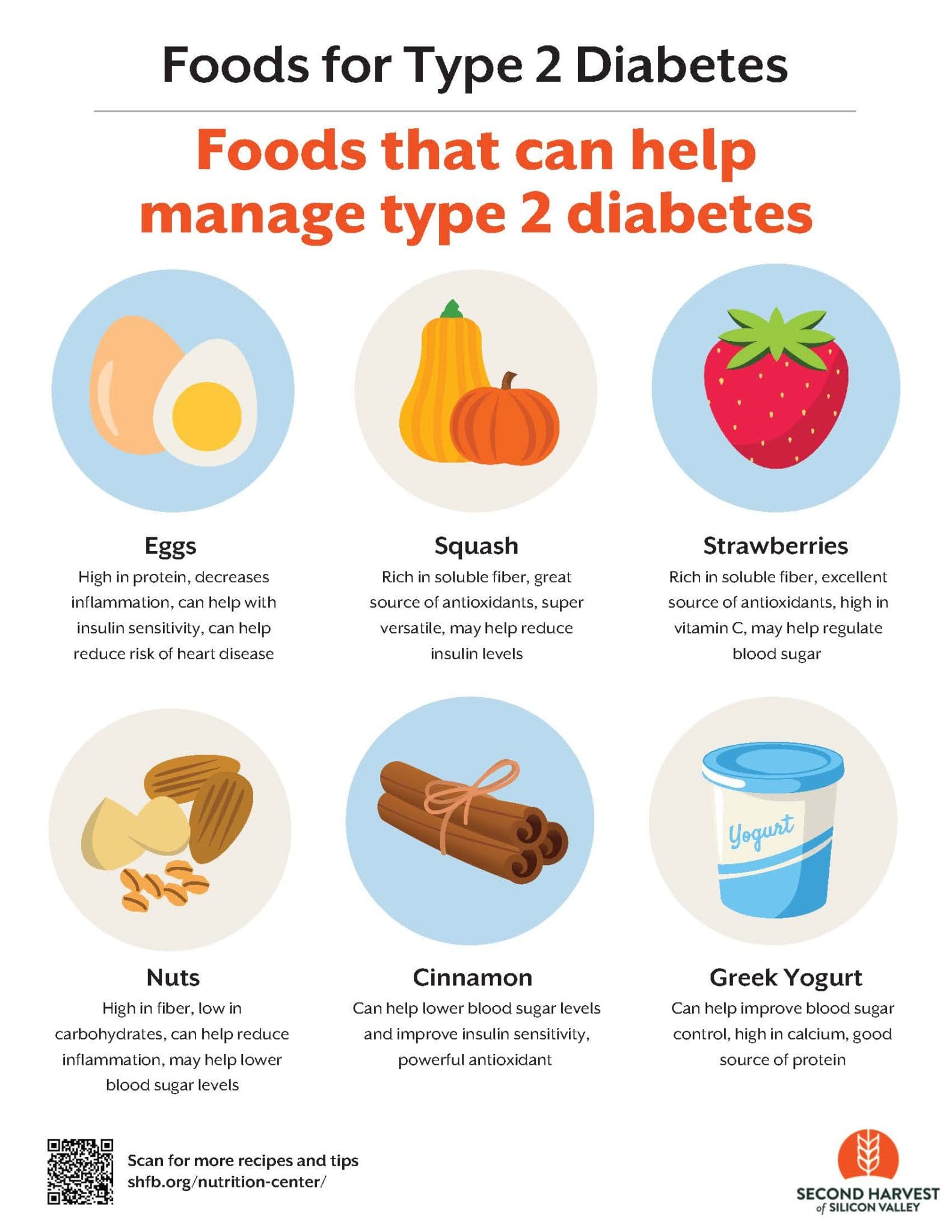
One of the most important aspects of managing Type 2 Diabetes is maintaining a healthy diet. A healthy diet can help you control your blood sugar levels, manage your weight, and reduce the risk of complications. Here are some tips for healthy eating with Type 2 Diabetes:
| Food Group | Recommendations |
|---|---|
| Fruits and Vegetables | Fill half your plate with fruits and vegetables |
| Whole Grains | Choose whole grains over refined grains |
| Lean Proteins | Include lean proteins like fish, chicken, and tofu |
| Good Fats | Opt for healthy fats like avocado, nuts, and olive oil |
| Portion Control | Be mindful of portion sizes and avoid overeating |
Regular Physical Activity
Physical activity plays a key role in managing Type 2 Diabetes. Regular exercise can help lower blood sugar levels, improve insulin sensitivity, and maintain a healthy weight. Aim for at least 150 minutes of moderate-intensity exercise per week, such as brisk walking, swimming, or cycling.
Monitoring Blood Sugar Levels
Monitoring your blood sugar levels regularly is essential for managing Type 2 Diabetes. By keeping track of your blood sugar levels, you can make informed decisions about your diet, exercise, and medication. Work with your healthcare provider to determine how often you should check your blood sugar levels and what your target range should be.

Medication and Treatment Options
In addition to lifestyle changes, medication and treatment may be necessary to effectively manage Type 2 Diabetes. It’s important to work closely with your healthcare provider to determine the most appropriate treatment plan for your individual needs.
Oral Medications
Many people with Type 2 Diabetes may need to take oral medications to help control their blood sugar levels. These medications work by either increasing insulin production, improving insulin utilization, or reducing glucose production in the liver.
Insulin Therapy
For some people with Type 2 Diabetes, insulin therapy may be necessary to control blood sugar levels. Insulin is typically injected under the skin using a syringe, pen, or pump. Your healthcare provider will determine the type of insulin, dosage, and injection schedule that’s right for you.
Alternative Therapies
In addition to conventional medications, some people with Type 2 Diabetes may benefit from alternative therapies such as acupuncture, yoga, or herbal supplements. It’s important to discuss these options with your healthcare provider to ensure they are safe and effective for your condition.
Support and Resources
Managing Type 2 Diabetes can be challenging, but you don’t have to do it alone. There are many resources and support groups available to help you navigate the complexities of the condition and make positive lifestyle changes.
Diabetes Education Programs
Diabetes education programs can provide you with the knowledge and skills you need to manage Type 2 Diabetes effectively. These programs cover topics such as healthy eating, physical activity, medication management, and blood sugar monitoring.
Support Groups
Joining a support group can be a great way to connect with others who are living with Type 2 Diabetes. Sharing experiences, tips, and advice with others can help you feel less isolated and more empowered to manage your condition.
Online Resources
There are many online resources available to help you learn more about Type 2 Diabetes and connect with others in the diabetes community. Websites, forums, and social media groups can provide valuable information, support, and encouragement as you navigate your diabetes journey.
Tips for Dining Out with Type 2 Diabetes
Eating out at restaurants can be challenging when you have Type 2 Diabetes, but it’s not impossible. With some planning and preparation, you can enjoy dining out while still managing your blood sugar levels effectively.
Choose Wisely
When dining out, choose restaurants that offer healthy options such as salads, grilled proteins, and steamed vegetables. Look for menu items that are grilled, baked, or broiled rather than fried or breaded.
Portion Control
Restaurant portions are often larger than what you would eat at home. To avoid overeating, consider splitting a meal with a friend, ordering an appetizer as your main course, or asking for a to-go box to portion out half of your meal.
Be Mindful of Carbohydrates
Many restaurant meals are high in carbohydrates, which can cause blood sugar levels to spike. Be mindful of your carb intake and opt for whole grains, fruits, and vegetables whenever possible.
Coping with Stress and Diabetes
Stress can have a significant impact on blood sugar levels in people with Type 2 Diabetes. Learning how to cope with stress effectively is essential for managing your condition and preventing complications.
Stay Active
Physical activity is a great way to reduce stress and improve your mood. Regular exercise releases endorphins, which are natural mood boosters that can help you cope with stress in a healthy way.
Practice Relaxation Techniques
Relaxation techniques such as deep breathing, meditation, and yoga can help calm your mind and body, reduce stress levels, and improve overall well-being. Find a relaxation technique that works for you and incorporate it into your daily routine.
Seek Support
Talking to a friend, family member, or therapist about your stressors can help you process your emotions and find healthy ways to cope. Don’t be afraid to reach out for support when you need it.
Conclusion
Managing Type 2 Diabetes as a beginner may seem daunting at first, but with the right tools, knowledge, and support, you can successfully navigate the complexities of the condition. By making healthy lifestyle choices, working closely with your healthcare provider, and staying informed about the latest treatment options, you can take control of your diabetes and live a full, active life. Remember, you are not alone on this journey – there are many resources and support networks available to help you every step of the way. Stay positive, stay informed, and take charge of your health – you’ve got this!