
Welcome to your guide on managing chronic fatigue! In this article, you will discover helpful tips and advice to cope with the daily challenges of living with chronic fatigue. From establishing healthy sleep habits to incorporating gentle exercise into your routine, we will explore practical strategies that can help improve your energy levels and overall well-being. Let’s empower you to take control of your health and thrive despite the obstacles of chronic fatigue.
Are you struggling with chronic fatigue?
If you find yourself constantly feeling tired no matter how much rest you get, you may be dealing with chronic fatigue. This debilitating condition can significantly impact your daily life and overall well-being. But don’t worry, you’re not alone, and there are strategies you can implement to manage and alleviate your symptoms. In this article, we will explore tips and advice for dealing with chronic fatigue to help you feel more energized and improve your quality of life.

Understanding Chronic Fatigue
Chronic fatigue syndrome (CFS), also known as myalgic encephalomyelitis (ME), is a complex condition characterized by extreme fatigue that is not improved by rest and may worsen with physical or mental activity. The exact cause of chronic fatigue is not yet fully understood, but it is believed to be a combination of factors including viral infections, immune system dysfunction, hormonal imbalances, and psychological stress.
What are the Symptoms of Chronic Fatigue?
The symptoms of chronic fatigue can vary from person to person, but common signs may include:
- Persistent fatigue that is not relieved by rest
- Sleep disturbances
- Muscle and joint pain
- Headaches
- Memory and concentration problems
- Sore throat
- Enlarged lymph nodes
Understanding the symptoms associated with chronic fatigue is crucial in properly diagnosing and managing the condition.
Diagnosing Chronic Fatigue
Diagnosing chronic fatigue can be challenging as there is no specific test to confirm the condition. Healthcare providers typically rely on a combination of medical history, symptoms assessment, and ruling out other possible medical conditions that may be causing similar symptoms.
Seeking Professional Help
If you suspect you may be experiencing chronic fatigue, it is important to seek help from a healthcare provider specializing in chronic fatigue syndrome. They can conduct a thorough evaluation and diagnostic tests to rule out other potential causes of your symptoms.
Keeping a Symptom Diary
Keeping a symptom diary can also be helpful in tracking your symptoms and identifying patterns or triggers that may exacerbate your fatigue. Note down your daily activities, diet, sleep patterns, and any other relevant information that can help your healthcare provider better understand your condition.
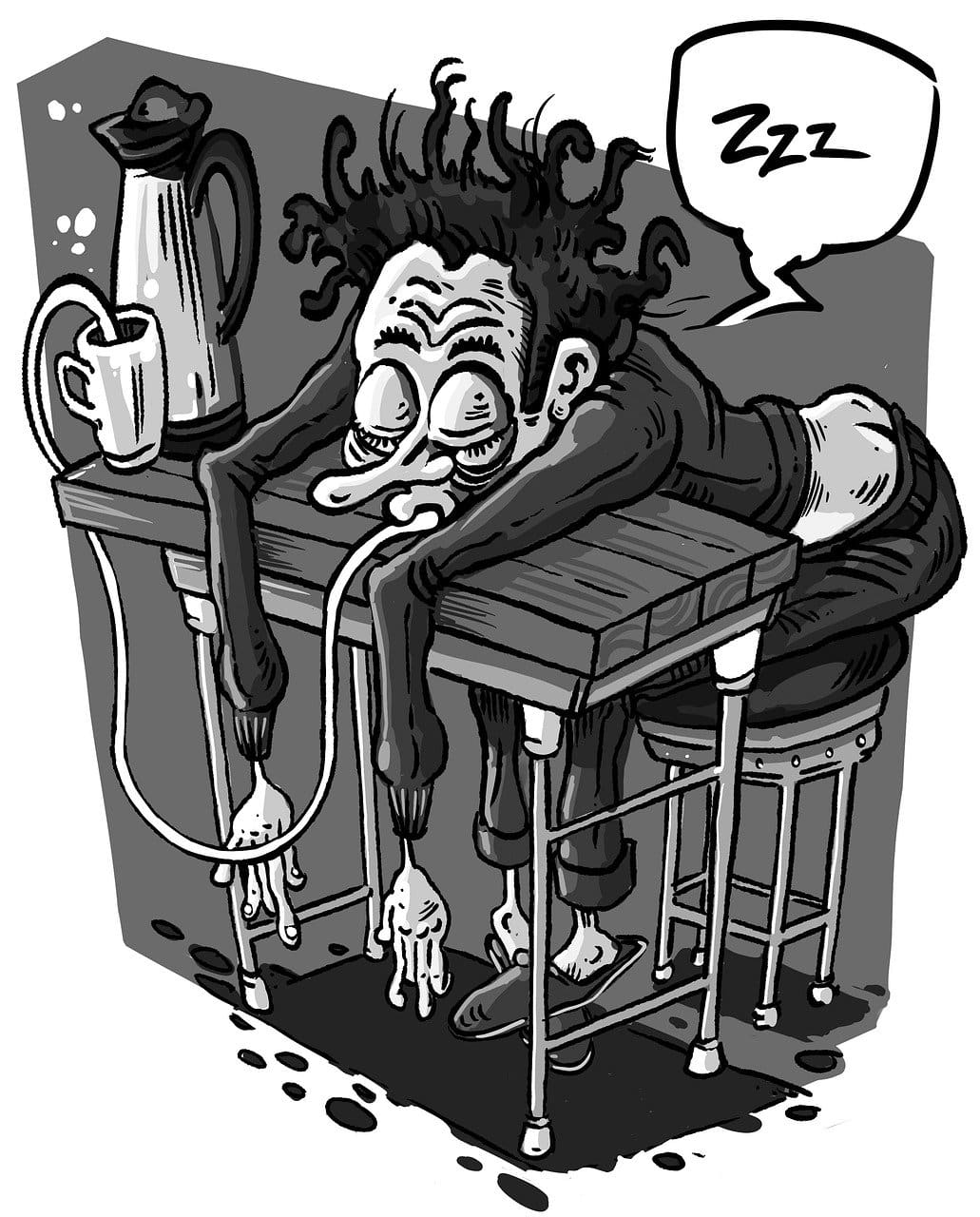
Lifestyle Changes for Managing Chronic Fatigue
Making lifestyle changes can have a significant impact on managing chronic fatigue symptoms and improving your overall quality of life. Here are some tips and advice to help you deal with chronic fatigue:
Establishing a Regular Sleep Routine
Prioritizing quality sleep is essential in managing chronic fatigue. Try to establish a regular sleep routine by going to bed and waking up at the same time each day. Create a comfortable sleep environment by keeping your bedroom cool, dark, and quiet.
Incorporating Gentle Exercise
While physical activity may be challenging with chronic fatigue, incorporating gentle exercises such as walking, yoga, or tai chi can help improve your energy levels and reduce fatigue. Start with short, low-impact workouts and gradually increase the intensity as your stamina improves.
Eating a Balanced Diet
Nourishing your body with a balanced diet rich in fruits, vegetables, lean proteins, and whole grains can provide you with the necessary nutrients to combat fatigue and support overall health. Avoiding processed foods, sugary snacks, and caffeine can also help stabilize your energy levels throughout the day.
Managing Stress
Chronic fatigue can be exacerbated by stress, so it is important to incorporate stress management techniques into your daily routine. Practices such as deep breathing, meditation, mindfulness, and relaxation exercises can help reduce stress levels and improve your overall well-being.
Prioritizing Rest and Relaxation
Listen to your body and prioritize rest and relaxation when needed. Take breaks throughout the day, practice relaxation techniques, and engage in activities that bring you joy and comfort. Remember that it’s okay to say no to additional responsibilities and focus on self-care.
Seeking Support from Others
Dealing with chronic fatigue can be challenging, but you don’t have to face it alone. Seeking support from friends, family, and support groups can provide you with emotional encouragement, understanding, and practical assistance in managing your condition.
Joining a Support Group
Joining a support group for individuals with chronic fatigue can help you connect with others who are going through similar experiences. Sharing your struggles, triumphs, and tips for coping can create a sense of community and camaraderie that can be comforting and empowering.
Communicating Your Needs
Don’t hesitate to communicate your needs and limitations to those around you. Let your friends, family, and coworkers know how they can support you in managing your chronic fatigue. Setting boundaries, asking for help when needed, and seeking understanding can make a significant difference in your overall well-being.

Exploring Treatment Options
In addition to lifestyle changes and self-care strategies, there are various treatment options available to help manage chronic fatigue symptoms and improve your quality of life. Discussing these options with your healthcare provider can help tailor a treatment plan that is best suited to your individual needs.
Medications
Certain medications may be prescribed to alleviate specific symptoms associated with chronic fatigue, such as pain, sleep disturbances, and depression. It is important to work closely with your healthcare provider to monitor the effectiveness and potential side effects of these medications.
Cognitive Behavioral Therapy (CBT)
Cognitive Behavioral Therapy (CBT) can be an effective treatment option for managing chronic fatigue symptoms by addressing negative thought patterns, improving coping skills, and promoting behavior change. CBT can help you develop strategies to manage stress, improve sleep quality, and enhance your overall well-being.
Graded Exercise Therapy (GET)
Graded Exercise Therapy (GET) is a structured exercise program designed to gradually increase physical activity levels in individuals with chronic fatigue. Under the supervision of a healthcare provider, GET can help improve stamina, reduce fatigue, and enhance overall physical function.
Conclusion
Dealing with chronic fatigue can be overwhelming, but with the right tips and advice, you can effectively manage your symptoms and improve your quality of life. By understanding the nature of chronic fatigue, making lifestyle changes, seeking support from others, and exploring treatment options, you can take proactive steps toward feeling more energized and revitalized. Remember that it’s important to be patient with yourself as you navigate your chronic fatigue journey and prioritize self-care and well-being. You are not alone, and there is hope for a brighter and more vibrant future ahead. Stay strong, stay positive, and remember that you have the strength to overcome chronic fatigue.