
Are you tired of constantly relying on medications to address your everyday health concerns? Look no further! In this article, you will discover a wealth of natural remedies that can effectively tackle the common health issues faced by women. From menstrual cramps to hormonal imbalances, we have got you covered. Say goodbye to chemical-laden solutions and embrace the power of mother nature to heal and restore your body. So sit back, relax, and let us guide you on a journey towards a healthier and happier you!
Menstrual Cramps
Ginger tea
One of the most effective natural remedies for menstrual cramps is ginger tea. Ginger has long been known for its anti-inflammatory and pain-relieving properties. Drinking ginger tea can help relax the muscles in the uterus, reducing the severity of cramps. To make ginger tea, simply steep a few slices of fresh ginger in hot water for about 10 minutes. You can add honey or lemon for added flavor. Drink this tea 2-3 times a day during your menstrual cycle to alleviate cramps.
Heat therapy
Applying heat to the lower abdomen can also help alleviate menstrual cramps. Heat helps to relax the muscles and increase blood flow, reducing the intensity of the pain. You can use a heating pad, hot water bottle, or take a warm bath to provide relief. Place the heat source on your lower abdomen for 15-20 minutes at a time. Repeat as necessary throughout the day.
Exercise
While it may be the last thing you feel like doing during your period, engaging in light exercise can actually help reduce menstrual cramps. Exercise releases endorphins, which are your body’s natural painkillers, and can also help improve blood circulation. Aim for gentle exercises such as walking, yoga, or stretching. Avoid high-intensity workouts that may exacerbate the pain.
Magnesium supplements
Magnesium is an essential mineral that plays a crucial role in muscle relaxation and reducing inflammation. Taking magnesium supplements can help alleviate menstrual cramps. Aim for a daily dose of 200-400 mg of magnesium citrate or magnesium oxide. It is advisable to consult with your healthcare provider before starting any new supplements.
Chamomile tea
Chamomile tea is another herbal remedy that can help relieve menstrual cramps. Chamomile has anti-inflammatory properties and can help relax the muscles in the uterus. It also has a calming effect, which can help reduce stress and anxiety often experienced during menstruation. Drink a cup of chamomile tea 2-3 times a day to ease menstrual cramps.
Premenstrual Syndrome (PMS)
Vitamin B6
Vitamin B6 is known to help regulate hormonal balance and alleviate many symptoms of PMS. It can help reduce bloating, mood swings, and breast tenderness. You can increase your intake of vitamin B6 by consuming foods such as bananas, spinach, whole grains, and nuts. Alternatively, you can take a vitamin B6 supplement under the guidance of a healthcare professional.
Calcium supplements
Calcium is another essential nutrient that can help alleviate PMS symptoms. Calcium helps regulate muscle function and reduce water retention, bloating, and cramping. Increase your calcium intake by consuming dairy products, leafy green vegetables, and fortified foods. If needed, you can also consider calcium supplements after consulting with your healthcare provider.
Evening primrose oil
Evening primrose oil is a popular natural remedy for PMS symptoms. It contains gamma-linolenic acid (GLA), which has anti-inflammatory properties and may help relieve breast tenderness and bloating. Take evening primrose oil supplements according to the recommended dosage on the packaging. It is important to note that evening primrose oil may interact with certain medications, so consult with your healthcare provider before starting this supplement.
Regular exercise
Engaging in regular exercise, even during the PMS phase, can help alleviate symptoms. Exercise releases endorphins, which can improve mood and reduce menstrual pain. Aim for at least 30 minutes of moderate-intensity exercise, such as brisk walking, cycling, or dancing, most days of the week.
Meditation
Practicing meditation and mindfulness techniques can help reduce stress, anxiety, and mood swings associated with PMS. Take a few minutes each day to find a quiet space, sit comfortably, and focus on your breathing. Meditation can help calm the mind and promote overall well-being.
Urinary Tract Infections (UTIs)
Drink plenty of water
When it comes to preventing and treating UTIs, staying hydrated is key. Drinking plenty of water can help flush out bacteria from the urinary tract and prevent infection. Aim to drink at least 8 glasses of water per day. If you’re prone to UTIs, consider increasing your water intake even further.
Cranberry juice
Cranberry juice is often recommended as a natural remedy for UTIs. Cranberries contain compounds that can prevent bacteria from adhering to the urinary tract walls, reducing the risk of infection. Look for pure cranberry juice without added sugar or try cranberry supplements. It is important to note that cranberry juice is not a cure for UTIs, but it may help prevent them.
Probiotics
Probiotics are beneficial bacteria that can help maintain a healthy balance in the urinary tract and prevent UTIs. You can find probiotics in foods like yogurt, kefir, and sauerkraut. Alternatively, you can take probiotic supplements specifically formulated for urinary tract health. Consult with your healthcare provider to determine the best probiotic option for you.
Avoid irritants
Certain substances can irritate the urinary tract and increase the risk of UTIs. Avoid or limit your consumption of caffeine, alcohol, spicy foods, and artificial sweeteners. These substances can irritate the bladder and urethra, making you more susceptible to UTIs.
Warm compress
Applying a warm compress to your lower abdomen can help alleviate pain and discomfort associated with UTIs. The warmth can soothe inflammation and promote relaxation. Place a warm towel or heating pad on your lower abdomen for 10-15 minutes at a time. Make sure the compress is not too hot to avoid burns.
Yeast Infections
Probiotic supplements
Probiotics can also be beneficial for preventing and treating yeast infections. They help restore the natural balance of bacteria in the vagina, reducing the overgrowth of yeast. Look for probiotic supplements specifically formulated for vaginal health. You can also consume probiotic-rich foods like yogurt with live cultures.
Tea tree oil
Tea tree oil has antifungal properties and can help combat yeast infections. Mix a few drops of tea tree oil with a carrier oil, such as coconut oil, and apply it to the affected area. Do not apply undiluted tea tree oil directly to the skin, as it can cause irritation.
Garlic
Garlic has natural antifungal properties that can help fight yeast infections. Consume raw garlic or include it in your meals to reap its benefits. You can also insert a peeled garlic clove into the vagina overnight for more targeted treatment. Consult with your healthcare provider before using garlic for yeast infection treatment.
Cotton underwear
Wearing breathable underwear, preferably made of cotton, can help prevent yeast infections. Cotton allows air to circulate, reducing moisture and creating an unfavorable environment for the growth of yeast. Avoid tight-fitting or synthetic underwear, as they can trap moisture and promote yeast overgrowth.
Avoid douching
Douching disrupts the natural balance of bacteria in the vagina and can increase the risk of yeast infections. Avoid using douches, scented soaps, and feminine hygiene products that contain harsh chemicals. Instead, opt for gentle, pH-balanced cleansers when necessary, and let the vagina self-cleanse.
Menopause Symptoms
Black cohosh
Black cohosh is a popular herb used to alleviate menopause symptoms such as hot flashes, night sweats, and mood swings. It contains compounds that mimic estrogen in the body and help balance hormone levels. You can find black cohosh in supplement form or as a tea. Consult with your healthcare provider before starting black cohosh supplements, especially if you have a history of liver problems.
Soy isoflavones
Soy isoflavones are plant compounds that have estrogen-like effects in the body. They can help alleviate hot flashes and other menopause symptoms. Include soy-rich foods such as tofu, soy milk, and edamame in your diet. Alternatively, you can take soy isoflavone supplements under the guidance of a healthcare professional.
Flaxseed
Flaxseed is rich in lignans, which are compounds that have hormonal balancing properties. Adding ground flaxseed to your diet can help reduce hot flashes and other menopause symptoms. You can sprinkle flaxseed on cereals, yogurt, or blend it into smoothies. Aim for 1-2 tablespoons of ground flaxseed per day.
Yoga
Practicing yoga can help alleviate menopause symptoms by reducing stress and promoting relaxation. Certain yoga poses, such as forward bends and gentle twists, can help improve circulation and hormonal balance. Join a yoga class or follow along with online videos targeted for menopause relief.
Deep breathing exercises
Deep breathing exercises, such as diaphragmatic breathing and alternate nostril breathing, can help reduce hot flashes and promote calmness. These techniques activate the body’s relaxation response and help balance hormone levels. Take a few minutes each day to practice deep breathing exercises and incorporate them into your daily routine.
Insomnia
Valerian root
Valerian root is a herbal remedy that can help promote sleep and alleviate insomnia. It has calming properties and can help reduce anxiety and nervousness. You can take valerian root supplements or drink valerian root tea before bed. Follow the recommended dosage on the packaging or consult with a healthcare professional.
Lavender oil
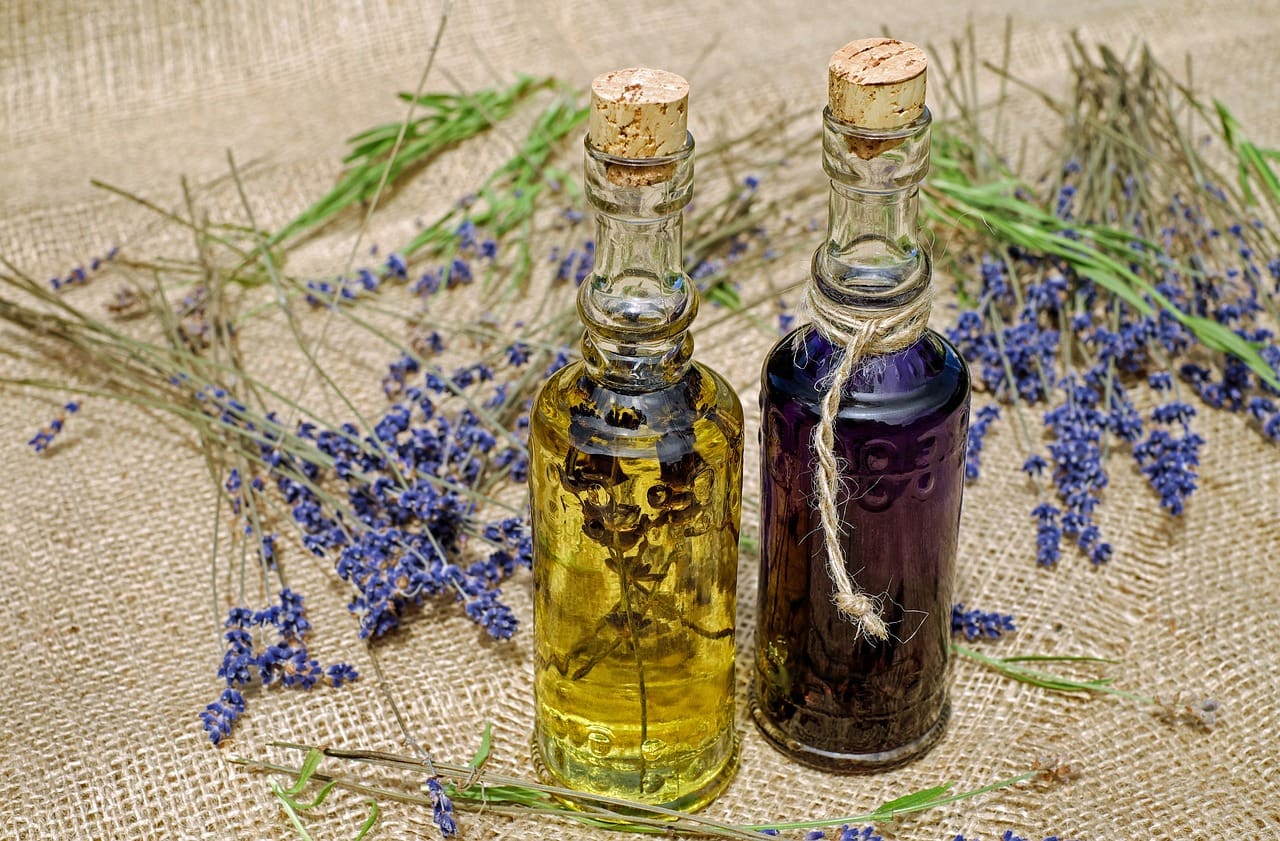
Lavender oil has a soothing scent and can help promote relaxation and better sleep. Diffuse lavender oil in your bedroom before bedtime or apply a few drops to your pillowcase. You can also add a few drops of lavender oil to a warm bath for a calming effect.
Limit caffeine intake
Caffeine is a stimulant that can interfere with sleep. Limit your intake of caffeinated beverages, especially in the afternoon and evening. Opt for caffeine-free herbal teas or decaffeinated options instead. Be mindful of hidden sources of caffeine, such as chocolate and certain medications.
Establish a bedtime routine
Creating a consistent bedtime routine can signal to your body that it’s time to wind down and prepare for sleep. Establish relaxing activities such as reading a book, taking a warm bath, or practicing gentle stretching. Avoid stimulating activities such as watching TV or using electronic devices close to bedtime.
Create a sleep-friendly environment
Make your bedroom a peaceful and comfortable environment that promotes sleep. Keep the room cool, dark, and quiet. Invest in a comfortable mattress and pillows that support your sleep posture. Reduce noise and distractions, and consider using earplugs, sleep masks, or white noise machines if needed.
Acne
Tea tree oil
Tea tree oil is a natural antiseptic and can help treat acne. It has antimicrobial properties that can help kill acne-causing bacteria. Dilute tea tree oil with a carrier oil, such as jojoba oil or coconut oil, and apply it directly to the affected areas using a cotton swab. Do not apply undiluted tea tree oil directly to the skin, as it can cause irritation.
Aloe vera gel
Aloe vera gel has soothing and anti-inflammatory properties that can help reduce acne inflammation and redness. Apply a thin layer of pure aloe vera gel to the affected areas and leave it on overnight. Rinse off in the morning. Aloe vera gel can also be used as a moisturizer for oily or acne-prone skin.
Zinc supplements
Zinc is an essential mineral that can help regulate oil production and reduce acne. Taking zinc supplements can be an effective addition to your acne-fighting regimen. Aim for a daily dose of 30-60 mg of zinc, but consult with a healthcare professional as high doses of zinc can interfere with the absorption of other minerals.
Low-glycemic diet
Certain foods with a high glycemic index, such as refined carbohydrates and sugars, can contribute to acne breakouts. Follow a low-glycemic diet by replacing processed foods with whole grains, fruits, vegetables, and lean proteins. This can help stabilize blood sugar levels and reduce acne flare-ups.
Avoid touching your face
Touching your face can transfer bacteria, oil, and dirt from your hands to your skin, potentially exacerbating acne. Avoid picking at or popping pimples, as this can lead to scarring and more inflammation. Keep your hands away from your face as much as possible, and cleanse your hands thoroughly before applying skincare products.
Hair Loss
Rosemary oil
Rosemary oil has been used for centuries to promote hair growth and prevent hair loss. It stimulates blood circulation in the scalp, which can help nourish hair follicles. Mix a few drops of rosemary oil with a carrier oil, such as coconut oil or olive oil, and massage it into your scalp. Leave it on for at least 30 minutes before rinsing.
Saw palmetto
Saw palmetto is an herbal supplement that can help block the conversion of testosterone to dihydrotestosterone (DHT), a hormone associated with hair loss. Taking saw palmetto supplements can help promote hair growth and reduce hair shedding. Consult with a healthcare professional before starting saw palmetto supplements.
Biotin supplements
Biotin, also known as vitamin B7, is an essential nutrient for hair growth. Taking biotin supplements can help improve the strength and thickness of your hair. Aim for a daily dose of 2.5-5 mg of biotin. Consult with a healthcare professional before starting biotin supplements, especially if you have any underlying health conditions.
Avoid tight hairstyles
Tight hairstyles, such as ponytails, braids, and buns, can pull on the hair shafts and lead to hair breakage and traction alopecia. Opt for loose hairstyles and avoid using rubber bands or hair accessories that can cause friction and damage. Be gentle when brushing or styling your hair.
Gentle hair care routine
Using harsh chemicals and heat styling tools can damage the hair and contribute to hair loss. Opt for gentle hair care products that are free from sulfates and parabens. Limit the use of heat styling tools and protect your hair from UV damage. Be mindful of how often you wash your hair, as excessive washing can strip away natural oils and cause dryness.
Mood Swings
St. John’s Wort
St. John’s Wort is an herb that has been used for centuries to alleviate mood swings and mild to moderate depression. It contains compounds that can help regulate serotonin levels in the brain. Take St. John’s Wort supplements according to the recommended dosage on the packaging. However, it is important to note that St. John’s Wort can interact with certain medications, so consult with your healthcare provider before starting this supplement.
Omega-3 fatty acids
Omega-3 fatty acids, found in fatty fish like salmon, sardines, and mackerel, can help improve mood and reduce irritability. They have anti-inflammatory properties that can support brain health and emotional well-being. If you don’t consume fish regularly, you can take omega-3 supplements derived from fish oil or algae.
Exercise
Regular exercise has been shown to improve mood and reduce symptoms of anxiety and depression. Engage in activities that you enjoy, such as walking, jogging, dancing, or cycling. Aim for at least 30 minutes of moderate-intensity exercise most days of the week. Exercise releases endorphins, which are your body’s natural mood enhancers.
Journaling
Writing down your thoughts and feelings can be a therapeutic practice for managing mood swings. Keep a journal and write about your experiences, emotions, and any triggers that contribute to mood swings. This can help you gain insight and develop coping strategies. Set aside time each day to reflect and write in your journal.
Practice relaxation techniques
Relaxation techniques such as deep breathing, progressive muscle relaxation, and meditation can help reduce stress and promote emotional balance. Find a quiet space and dedicate a few minutes each day to practice relaxation techniques. Experiment with different methods to find what works best for you.
Digestive Issues
Peppermint tea
Peppermint tea can help alleviate digestive issues such as indigestion, bloating, and stomach cramps. Peppermint has antispasmodic properties that can relax the muscles of the gastrointestinal tract. Drink a cup of peppermint tea after meals or whenever you experience digestive discomfort.
Ginger
Ginger has long been used as a natural remedy for digestive issues. It can help relieve nausea, vomiting, and indigestion. You can chew on a small piece of fresh ginger, drink ginger tea, or add grated ginger to your meals. Ginger may interact with certain medications, so consult with your healthcare provider before using it as a natural remedy.
Probiotics
Probiotics are beneficial bacteria that can help improve digestion and restore the balance of gut flora. They can help alleviate symptoms such as gas, bloating, and irregular bowel movements. You can find probiotics in fermented foods like yogurt, kefir, and sauerkraut. Alternatively, you can take probiotic supplements to ensure an adequate intake of beneficial bacteria.
Fiber-rich diet
A diet high in fiber can promote regular bowel movements and prevent constipation. Include plenty of fruits, vegetables, whole grains, and legumes in your diet. Aim for at least 25-30 grams of fiber per day. Increase your fiber intake gradually to prevent digestive discomfort.
Slow and mindful eating
Eating too quickly or while feeling stressed can contribute to digestive issues. Take time to chew your food thoroughly and eat mindfully. Focus on the taste, texture, and aroma of your food. Avoid distractions such as television or smartphones while eating. Pay attention to your body’s hunger and fullness cues.
In conclusion, natural remedies can be effective in alleviating common health concerns that women may experience. From menstrual cramps to digestive issues, these natural remedies offer a gentle and holistic approach to promote overall well-being. However, it is important to remember that everyone’s body is unique, and what works for one person may not work for another. Consult with your healthcare provider before starting any new supplements or implementing drastic changes to your lifestyle. Listen to your body and take care of yourself physically, emotionally, and mentally.