
Welcome to a discussion on navigating legal and ethical issues in healthcare policy. In today’s complex world, healthcare policies are constantly evolving, creating a challenging environment for healthcare professionals. It is crucial to have a solid understanding of the legal and ethical implications that come with implementing healthcare policies to ensure the best possible care for patients. This article will explore key considerations and provide guidance on successfully navigating these important issues in healthcare policy.

Have you ever wondered about the complex legal and ethical issues in healthcare policy?
Healthcare policy is a crucial aspect of the healthcare system that governs the delivery and funding of healthcare services. It is essential to understand the legal and ethical considerations that come into play when shaping healthcare policy to ensure equitable and effective healthcare delivery. In this article, we will explore the intricate landscape of legal and ethical issues in healthcare policy and provide insights on how to navigate these challenges effectively.
Understanding the Legal Framework of Healthcare Policy
The legal framework of healthcare policy encompasses various laws, regulations, and guidelines that govern the healthcare system. These legal provisions are designed to ensure the protection of patients’ rights, the ethical conduct of healthcare professionals, and the equitable distribution of healthcare resources. Understanding the legal framework of healthcare policy is crucial for policymakers, healthcare providers, and patients to navigate the complex healthcare landscape effectively.
The Role of Legislation in Healthcare Policy
Legislation plays a critical role in shaping healthcare policy by establishing the legal foundation for healthcare practices and procedures. Laws such as the Affordable Care Act (ACA) in the United States, for example, have had a significant impact on the accessibility and affordability of healthcare services for millions of Americans. It is essential for policymakers and healthcare professionals to stay informed about relevant legislation to ensure compliance and uphold the integrity of the healthcare system.
Key Legal Issues in Healthcare Policy
There are several key legal issues that policymakers and healthcare professionals must consider when developing and implementing healthcare policy. These issues include patient confidentiality, informed consent, medical malpractice, and insurance coverage. Addressing these legal challenges requires a deep understanding of healthcare law and a commitment to upholding ethical standards in healthcare delivery.
Patient Confidentiality: Protecting Patient Privacy
Patient confidentiality is a fundamental principle in healthcare that protects patients’ right to privacy and confidentiality. Healthcare providers are legally obligated to safeguard patient information and only disclose it to authorized individuals for the purpose of treatment, payment, or healthcare operations. Violating patient confidentiality can have serious legal consequences, including regulatory penalties and lawsuits. It is crucial for healthcare professionals to prioritize patient confidentiality to build trust and maintain the integrity of the healthcare system.
Informed Consent: Empowering Patients with Information
Informed consent is an ethical and legal requirement in healthcare that ensures patients have the necessary information to make informed decisions about their medical care. Healthcare providers must communicate relevant information about treatment options, risks, benefits, and alternatives to patients before obtaining their consent for medical procedures. Failure to obtain informed consent can lead to legal liability and ethical dilemmas. It is essential for healthcare professionals to respect patients’ autonomy and empower them to make informed decisions about their healthcare.

Medical Malpractice: Ensuring Accountability and Patient Safety
Medical malpractice refers to the negligence or misconduct of healthcare providers that results in harm to patients. Patients who have been injured due to medical malpractice have the legal right to seek compensation for their damages through medical malpractice lawsuits. Healthcare providers are held accountable for their actions and are expected to adhere to professional standards of care to ensure patient safety. Preventing medical malpractice requires ongoing training, quality improvement initiatives, and a commitment to ethical practice.
Insurance Coverage: Ensuring Access to Affordable Healthcare
Insurance coverage is a critical aspect of healthcare policy that determines patients’ access to affordable healthcare services. Lack of insurance coverage can prevent individuals from seeking necessary medical care, leading to disparities in healthcare access and outcomes. Policymakers must develop comprehensive insurance programs that provide coverage to all individuals, regardless of their socioeconomic status or pre-existing conditions. Ensuring adequate insurance coverage is essential for promoting health equity and reducing healthcare disparities.

Balancing Legal Requirements with Ethical Considerations
Balancing legal requirements with ethical considerations is a complex task that requires careful deliberation and a commitment to upholding the principles of justice, beneficence, and respect for patients’ autonomy. Healthcare policy makers and providers must navigate the intricate interplay between legal mandates and ethical dilemmas to ensure the delivery of high-quality, patient-centered care.
The Ethical Framework of Healthcare Policy
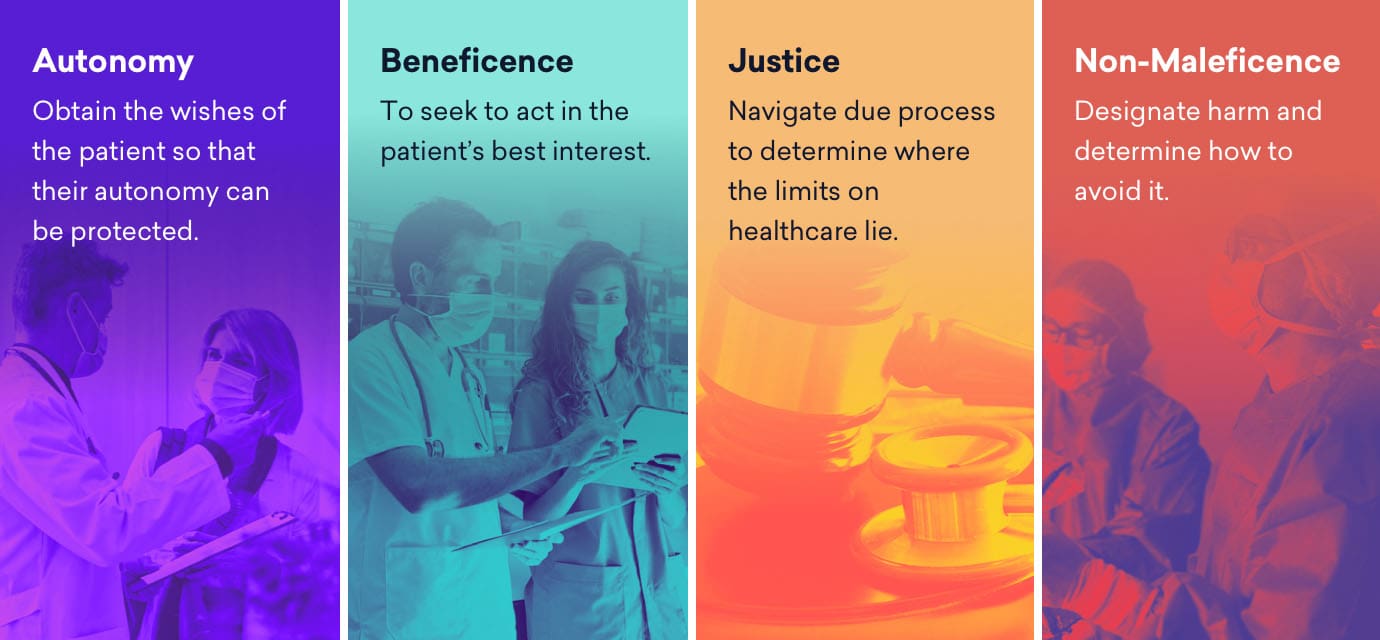
The ethical framework of healthcare policy is grounded in ethical principles such as respect for autonomy, beneficence, non-maleficence, and justice. These principles guide healthcare decision-making and shape the ethical conduct of healthcare professionals in their interactions with patients, colleagues, and the broader community. Understanding the ethical framework of healthcare policy is essential for promoting ethical practice and ensuring the well-being of patients.
The Principles of Bioethics: A Guide for Ethical Decision-Making
The principles of bioethics provide a framework for ethical decision-making in healthcare by outlining core ethical principles that govern the practice of medicine and patient care. These principles include:
- Respect for Autonomy: Respecting patients’ right to make informed decisions about their healthcare.
- Beneficence: Acting in the best interests of patients and promoting their well-being.
- Non-Maleficence: Avoiding harm to patients and minimizing risks in medical care.
- Justice: Ensuring fairness and equitable distribution of healthcare resources.
By adhering to these principles, healthcare professionals can navigate ethical dilemmas and make decisions that prioritize patients’ interests and well-being.
Ethical Issues in Healthcare Policy
Ethical issues in healthcare policy are diverse and complex, ranging from end-of-life care and resource allocation to conflicts of interest and professional integrity. Healthcare professionals must grapple with these ethical challenges to uphold the ethical standards of patient care and promote the greater good of the community. By addressing ethical issues in healthcare policy, stakeholders can ensure the delivery of ethical, compassionate, and respectful healthcare services.
End-of-Life Care: Navigating Ethical Dilemmas
End-of-life care presents significant ethical challenges for healthcare providers, patients, and families, as they navigate difficult decisions about treatment options, quality of life, and patient preferences. Healthcare professionals must respect patients’ autonomy and dignity in end-of-life care decisions, while also considering the ethical implications of prolonging or withdrawing life-sustaining treatments. Communication, empathy, and shared decision-making are essential components of ethical end-of-life care that prioritize patients’ values and preferences.
Resource Allocation: Promoting Justice and Fairness
Resource allocation in healthcare policy raises ethical questions about the equitable distribution of scarce healthcare resources, such as organs for transplantation, vaccines during a pandemic, or medical supplies in times of crisis. Healthcare policymakers must prioritize justice and fairness in resource allocation decisions to ensure that the needs of all patients are met equitably. Transparency, accountability, and stakeholder engagement are essential for promoting ethical resource allocation practices that uphold the principles of justice and beneficence.
Conflicts of Interest: Maintaining Professional Integrity
Conflicts of interest can arise in healthcare policy when healthcare professionals have competing interests that may compromise their objectivity or professional judgment. Healthcare providers must avoid conflicts of interest and adhere to professional codes of conduct to maintain the trust and confidence of patients and the public. Transparency, disclosure, and ethical decision-making are essential for addressing conflicts of interest and upholding the integrity of the healthcare system.
Strategies for Navigating Legal and Ethical Issues in Healthcare Policy
Navigating legal and ethical issues in healthcare policy requires a multifaceted approach that prioritizes patient rights, ethical principles, and legal compliance. Healthcare policymakers, providers, and patients can adopt the following strategies to navigate these challenges effectively:
- Stay Informed: Keep up-to-date with the latest laws, regulations, and guidelines that govern healthcare policy to ensure compliance and ethical practice.
- Seek Guidance: Consult with legal experts, ethicists, and healthcare professionals to address legal and ethical dilemmas in healthcare policy effectively.
- Foster Collaboration: Collaborate with stakeholders, policymakers, and advocacy groups to develop inclusive healthcare policies that prioritize patient rights and ethical practice.
- Prioritize Education: Educate healthcare providers, patients, and the public about their rights, responsibilities, and ethical obligations in healthcare to promote informed decision-making and ethical practice.
- Advocate for Change: Advocate for policy reforms that promote ethical practice, patient-centered care, and equitable access to healthcare services for all individuals.
By implementing these strategies, stakeholders can navigate legal and ethical issues in healthcare policy effectively and uphold the integrity of the healthcare system for the benefit of patients and the community.
Conclusion
In conclusion, navigating legal and ethical issues in healthcare policy is a multifaceted challenge that requires a deep understanding of the legal framework, ethical principles, and patient-centered care. By prioritizing patient rights, ethical practice, and legal compliance, healthcare policymakers, providers, and patients can navigate these challenges effectively and promote the integrity of the healthcare system. By fostering collaboration, education, and advocacy, stakeholders can work together to address legal and ethical dilemmas in healthcare policy and ensure equitable, compassionate, and respectful healthcare services for all individuals. Thank you for reading, and remember to prioritize patient rights, ethical practice, and legal compliance in healthcare policy to uphold the well-being of patients and the community.