
Welcome to an article all about the most effective exercises for back pain relief and prevention! Whether you’re currently dealing with back pain or looking to prevent it in the future, incorporating these exercises into your routine can make a big difference. From stretching to strengthening, we’ll cover a variety of exercises that target different areas of the back to help you feel better and stronger. So let’s dive in and get started on the path to a healthier and happier back! Have you been experiencing back pain and looking for ways to find relief and prevent it from happening again?
Understanding Back Pain
Back pain is a common issue that affects many people at some point in their lives. It can be caused by a variety of factors, including poor posture, muscle imbalances, and lack of exercise. Understanding the root cause of your back pain is the first step in effectively treating it.
What Causes Back Pain?
Back pain can be caused by a number of factors, ranging from poor posture to more serious underlying conditions like herniated discs or arthritis. It’s important to identify the specific cause of your back pain in order to develop an appropriate treatment plan.

Benefits of Exercise for Back Pain Relief
Regular exercise can play a crucial role in alleviating back pain and preventing it from recurring. Strengthening the muscles that support your spine, improving flexibility, and promoting good posture are all key benefits of incorporating exercise into your routine.
Strengthening Muscles
Exercising regularly helps to strengthen the muscles that support your spine, which can help alleviate back pain and prevent future episodes. Incorporating exercises that target the core, back, and hip muscles can help improve your overall spinal health.
Improving Flexibility
Stretching exercises can help improve flexibility in the muscles and joints of the spine, which can help reduce stiffness and tension that contribute to back pain. Incorporating flexibility exercises into your routine can help improve your range of motion and prevent muscle imbalances that can lead to back pain.
Promoting Good Posture
Maintaining good posture is essential for preventing back pain and promoting spinal health. Regular exercise can help strengthen the muscles that support your spine and improve your posture, reducing your risk of developing back pain.

Most Effective Exercises for Back Pain Relief and Prevention
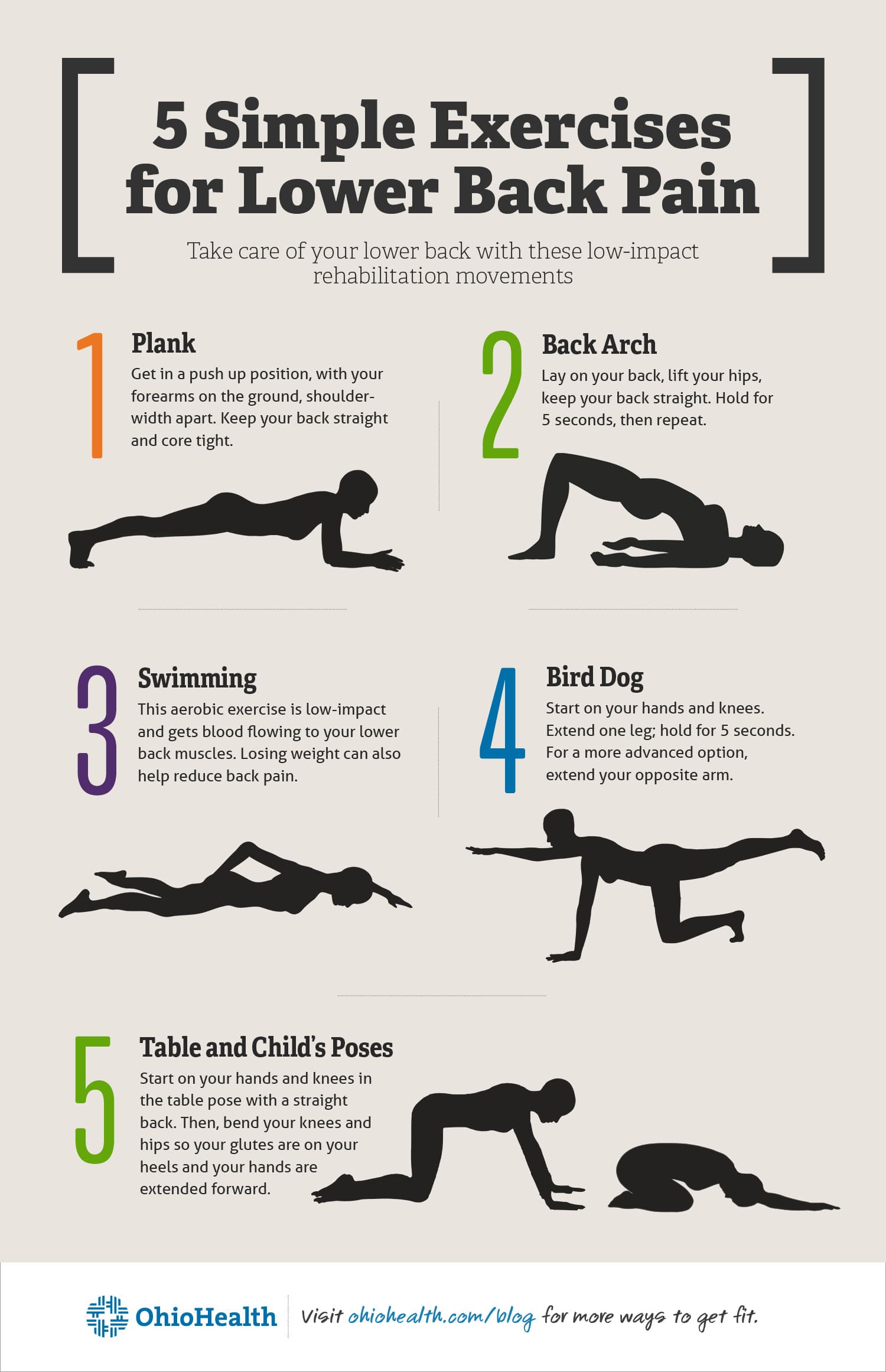
Incorporating specific exercises into your routine can help alleviate back pain and prevent it from recurring. Here are some of the most effective exercises for back pain relief and prevention:
1. Planks
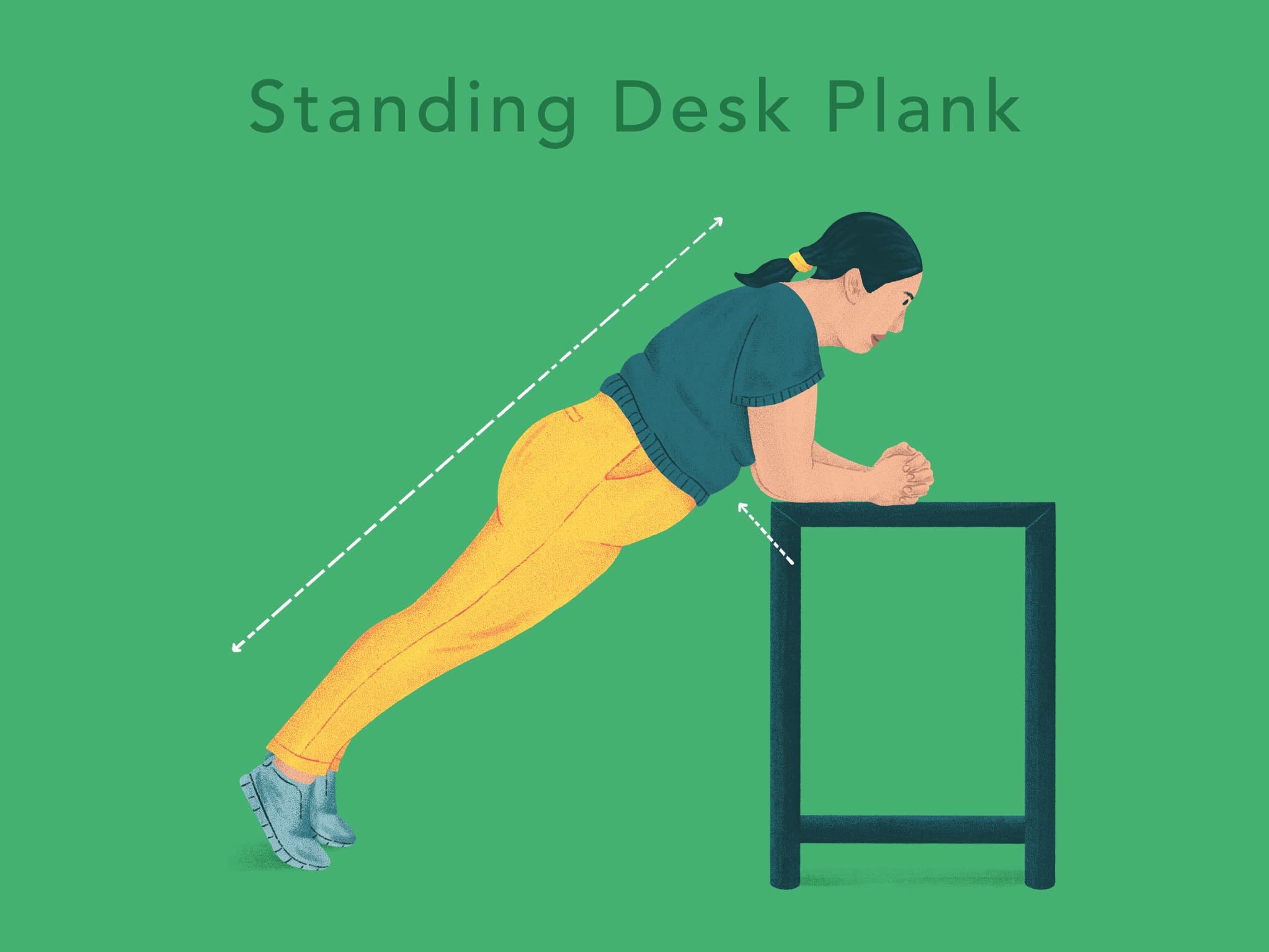
Planks are a great exercise for strengthening the core muscles that support your spine. To perform a plank, start in a push-up position with your hands directly under your shoulders and your body in a straight line from head to heels. Hold this position for 30 seconds to 1 minute, focusing on engaging your core muscles.
2. Cat-Cow Stretch
The cat-cow stretch is a gentle exercise that helps improve flexibility in the spine and relieve tension in the back muscles. Start on your hands and knees with your wrists directly under your shoulders and your knees under your hips. Inhale as you arch your back, lifting your head and tailbone towards the ceiling (cow pose). Exhale as you round your back, tucking your chin to your chest and bringing your tailbone towards your knees (cat pose). Repeat this movement 5-10 times.
3. Bird Dog
The bird dog exercise targets the core and back muscles, helping to improve spinal stability and strength. Start on your hands and knees with your wrists directly under your shoulders and your knees under your hips. Extend your right arm forward and your left leg back, keeping your hips level and your back flat. Hold this position for a few seconds, then return to the starting position and switch sides. Repeat 10-12 times on each side.
4. Bridge
The bridge exercise helps strengthen the glutes, hamstrings, and lower back muscles, improving hip stability and spinal alignment. Lie on your back with your knees bent and your feet flat on the floor. Lift your hips towards the ceiling, engaging your glutes and core muscles. Hold this position for 10-15 seconds, then lower back down. Repeat this movement 10-12 times.
5. Child’s Pose
Child’s pose is a restorative yoga pose that helps release tension in the back and shoulders, promoting relaxation and reducing stress. Start on your hands and knees, then sit back on your heels and lower your forehead to the floor, extending your arms in front of you. Hold this position for 1-2 minutes, focusing on deep breathing and releasing tension in your back muscles.

Tips for Incorporating Exercise into Your Routine
Finding the motivation to exercise can be challenging, especially when you’re dealing with back pain. Here are some tips to help you incorporate exercise into your routine and make it a regular habit:
Start Slow
If you’re new to exercise or dealing with back pain, it’s important to start slow and gradually increase the intensity of your workouts. Listen to your body and pay attention to how you’re feeling during and after exercise.
Choose Low-Impact Activities
Low-impact exercises like swimming, walking, or yoga can be gentler on your back and joints, making them ideal for individuals with back pain. Focus on activities that don’t exacerbate your pain and provide a good workout without causing additional strain.
Work with a Professional
Consulting with a physical therapist or personal trainer can help you develop a safe and effective exercise plan tailored to your specific needs and goals. Working with a professional can ensure you’re performing exercises correctly and avoiding injury.
Be Consistent
Consistency is key when it comes to reaping the benefits of exercise for back pain relief and prevention. Try to incorporate exercise into your daily routine, even if it’s just for a few minutes each day. Consistent effort will lead to long-term improvements in your spinal health.
Conclusion
Back pain can be a debilitating condition that affects your daily life and overall well-being. By understanding the causes of back pain, incorporating regular exercise into your routine, and following a comprehensive plan for relief and prevention, you can take control of your back health and live a pain-free life. Remember to consult with a healthcare professional before starting any new exercise program, especially if you’re dealing with chronic or severe back pain. Start implementing these effective exercises into your routine today and feel the difference in your back health.