
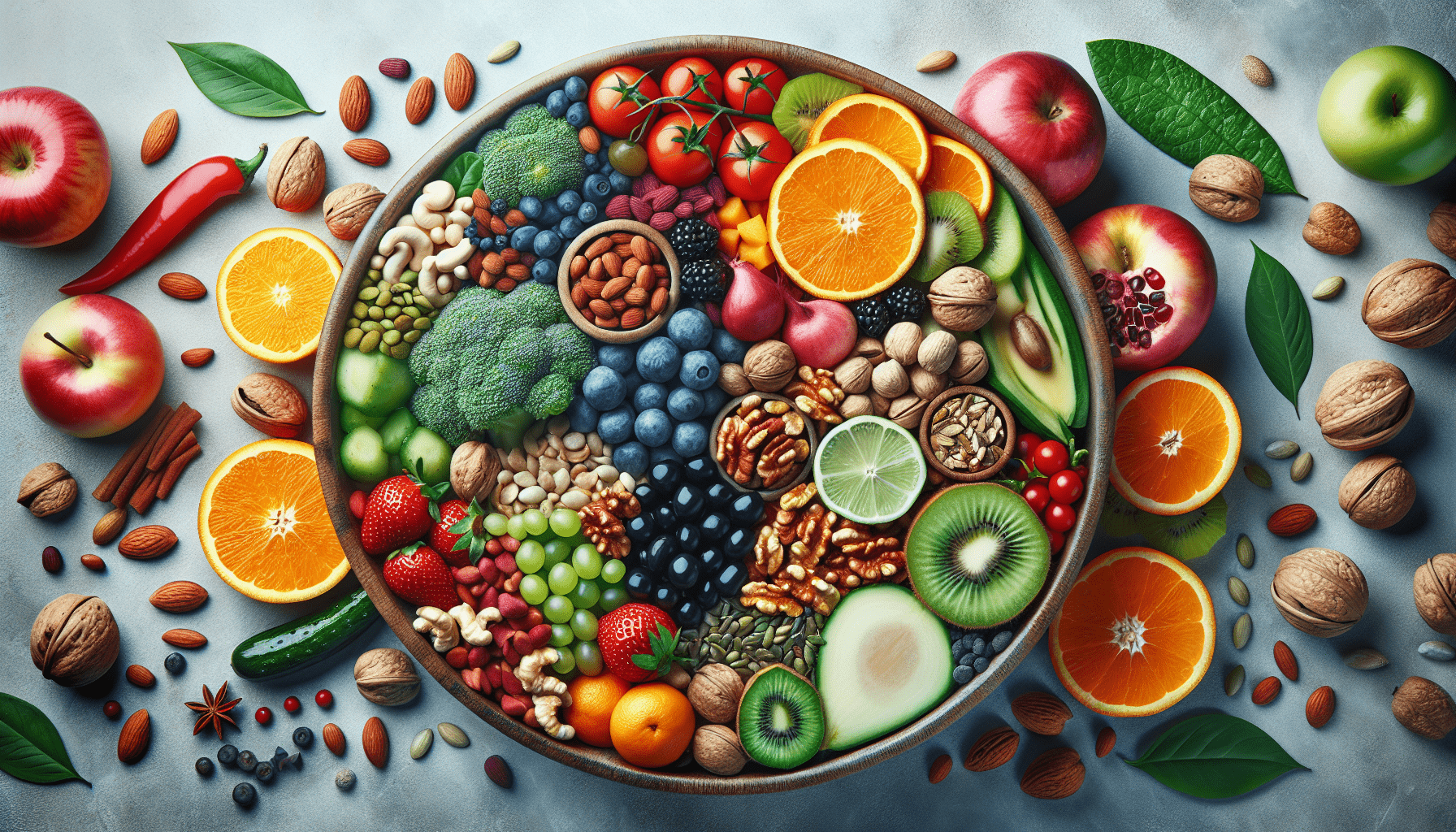
Did you know that what you eat can have a significant impact on the health of your bones? In this article, we will explore some of the most popular diets that are considered beneficial for improving bone health. From the Mediterranean diet to the DASH diet, we will delve into their key components and how they can help strengthen your bones. So, if you want to ensure that your skeletal system remains strong and healthy, keep reading to find out which popular diets you should consider incorporating into your lifestyle.
Mediterranean Diet
Overview of the Mediterranean Diet
The Mediterranean diet is a dietary pattern inspired by the traditional eating habits of countries bordering the Mediterranean Sea. It emphasizes the consumption of whole, minimally processed foods such as fruits, vegetables, whole grains, legumes, nuts, and olive oil. The diet also includes moderate amounts of fish, poultry, dairy products, and red wine, while limiting the intake of red meat and sweets.
Benefits for Bone Health
The Mediterranean diet has been associated with several benefits for bone health. It is rich in nutrients that play a crucial role in maintaining strong and healthy bones, such as calcium, vitamin D, vitamin K, and magnesium. Additionally, the diet is low in sodium and saturated fats, which can contribute to bone loss and osteoporosis.
Several studies have suggested that adhering to the Mediterranean diet can improve bone mineral density and reduce the risk of fractures. The high intake of fruits and vegetables provides antioxidants and anti-inflammatory compounds that can help reduce inflammation and oxidative stress, both of which are linked to bone loss.
Recommended Foods on the Mediterranean Diet
To follow the Mediterranean diet, you should prioritize the consumption of:
-
Fruits and vegetables: Aim for a variety of colorful fruits and vegetables, as they provide essential vitamins and minerals for bone health.
-
Whole grains: Include whole grain bread, pasta, rice, and cereals in your meals to increase your intake of fiber and important nutrients.
-
Legumes: Add beans, lentils, chickpeas, and other legumes to your diet for plant-based protein and minerals like calcium, magnesium, and potassium.
-
Nuts and seeds: Snack on almonds, walnuts, flaxseeds, and chia seeds to benefit from their omega-3 fatty acids, protein, and minerals.
-
Olive oil: Use olive oil as your primary source of fat, as it is rich in monounsaturated fats that have been linked to better bone health.
-
Fish and poultry: Incorporate fish, such as salmon, trout, and sardines, as well as poultry, into your meals a few times a week for lean protein and essential nutrients.
-
Dairy products: Choose low-fat dairy products, like Greek yogurt and cheese, for calcium and vitamin D.
Research and Evidence
Numerous studies have investigated the impact of the Mediterranean diet on bone health, and the findings have been largely positive. A review of 16 studies found that adherence to the Mediterranean diet was associated with higher bone mineral density in men and postmenopausal women, reducing the risk of osteoporosis and fractures.
In another study, researchers followed over 1,000 elderly participants for nine years and found that those who closely followed the Mediterranean diet had a lower risk of hip fractures compared to those who followed a different dietary pattern.
Additionally, a study in postmenopausal women observed that adhering to the Mediterranean diet was associated with a reduced risk of bone fractures, especially in those who consumed more fruits, vegetables, nuts, and legumes.
Overall, the Mediterranean diet appears to be a beneficial dietary pattern for improving bone health and reducing the risk of fractures, thanks to its nutrient-rich and anti-inflammatory components.
DASH Diet
Overview of the DASH Diet
The Dietary Approaches to Stop Hypertension (DASH) diet was originally designed to lower blood pressure but has since been recognized for its potential benefits for bone health. The diet emphasizes a high intake of fruits, vegetables, whole grains, lean proteins, and low-fat dairy products, while limiting sodium, sweets, and saturated fats.
Benefits for Bone Health
The DASH diet has been shown to have positive effects on bone health. It is rich in nutrients like calcium, magnesium, potassium, and vitamin K, which are crucial for maintaining strong bones. These nutrients work together to promote bone mineral density and reduce the risk of osteoporosis.
Additionally, the DASH diet is low in sodium, which is known to contribute to calcium loss and increase the risk of bone fractures. By reducing sodium intake, the DASH diet helps maintain a healthy balance of calcium in the body and supports optimal bone health.
Recommended Foods on the DASH Diet
To follow the DASH diet, focus on including the following foods in your meals:
-
Fruits and vegetables: Aim for a variety of colorful fruits and vegetables to benefit from their vitamins, minerals, and antioxidants.
-
Whole grains: Include whole wheat bread, brown rice, and oats in your diet for their fiber, magnesium, and other important nutrients.
-
Lean proteins: Opt for lean sources of protein such as skinless poultry, fish, legumes, and tofu.
-
Low-fat dairy products: Choose low-fat milk, yogurt, and cheese for calcium and vitamin D, which are essential for bone health.
-
Nuts and seeds: Snack on almonds, cashews, walnuts, and chia seeds to benefit from their healthy fats, protein, and minerals.
-
Limited sodium: Reduce your sodium intake by avoiding processed foods, fast food, and adding salt to your meals.
Research and Evidence
Several studies have examined the effects of the DASH diet on bone health, with promising results. A study involving over 2,000 participants found that adherence to the DASH diet was associated with higher bone mineral density in the hip and spine, reducing the risk of osteoporosis.
Another study in postmenopausal women showed that following the DASH diet was associated with a lower risk of hip fractures, regardless of other risk factors such as age, body mass index, and physical activity levels.
Furthermore, a review of studies on the DASH diet and bone health concluded that the diet’s combination of nutrients, including calcium, magnesium, and potassium, contributed to improved bone health outcomes.
These findings suggest that the DASH diet is a beneficial eating pattern for promoting strong bones and reducing the risk of fractures.
Vegetarian/Vegan Diet
Overview of Vegetarian/Vegan Diets
Vegetarian and vegan diets are plant-based dietary patterns that exclude varying degrees of animal products. Vegetarian diets typically include plant foods like fruits, vegetables, whole grains, legumes, nuts, and seeds, but may also include dairy and eggs. Vegan diets, on the other hand, exclude all animal products and focus solely on plant-based foods.
Benefits for Bone Health
Vegetarian and vegan diets can be beneficial for bone health when properly planned. Plant-based diets are typically rich in fruits, vegetables, whole grains, legumes, and nuts, which provide an abundance of vitamins, minerals, antioxidants, and phytochemicals that are important for bone health.
Research suggests that vegetarians and vegans may have a lower risk of osteoporosis and fractures compared to meat-eaters. This may be due to the beneficial effects of plant-based diets on reducing inflammation, oxidative stress, and acid load in the body, all of which can contribute to bone loss.
Additionally, plant-based diets are often lower in dietary acid load, which means they produce fewer acidic byproducts during digestion. High dietary acid load has been associated with increased bone resorption and calcium loss, while a lower acid load may help preserve bone mass.
Recommended Foods on Vegetarian/Vegan Diets
To ensure adequate nutrient intake on a vegetarian or vegan diet, focus on incorporating the following foods:
-
Plant-based protein sources: Include legumes (beans, lentils, chickpeas), tofu, tempeh, seitan, and edamame to meet your protein needs.
-
Calcium-rich foods: Opt for calcium-fortified plant milks, calcium-set tofu, leafy green vegetables (such as kale, broccoli, and spinach), and almonds.
-
Vitamin D sources: Get enough sunlight exposure or consider a vitamin D supplement, as it can be challenging to obtain sufficient vitamin D from plant-based sources alone.
-
Omega-3 fatty acids: Include flaxseeds, chia seeds, hemp seeds, walnuts, and algae-based supplements to ensure an adequate intake of omega-3 fatty acids.
-
Iron-rich foods: Consume beans, lentils, tofu, quinoa, fortified cereals, and dark leafy greens to meet your iron needs. Pair iron-rich foods with sources of vitamin C to enhance iron absorption.
Research and Evidence
Several studies have investigated the relationship between vegetarian or vegan diets and bone health. While some studies have shown a higher risk of fractures in vegetarians and vegans, others have demonstrated no significant differences or even a reduced risk compared to non-vegetarian diets.
One review of studies noted that vegetarians and vegans tend to have lower bone mineral density than meat-eaters. However, this difference may be attributed to lower body weight, lower calcium and protein intakes, and other factors rather than the absence of animal products alone.
Further research is needed to better understand the effects of plant-based diets on bone health, particularly in specific populations such as vegans, long-term vegetarians, and older adults.
In any case, if you choose to follow a vegetarian or vegan diet, it is important to ensure proper nutrient intake, especially calcium, vitamin D, vitamin B12, omega-3 fatty acids, and iron, to maintain optimal bone health. Consulting a registered dietitian or healthcare professional can provide you with personalized guidance.
Paleo Diet
Overview of the Paleo Diet
The Paleolithic diet, commonly known as the Paleo diet, is based on the presumed dietary patterns of our Stone Age ancestors. It emphasizes the consumption of unprocessed, whole foods that would have been available to our hunter-gatherer ancestors, such as lean meats, fish, vegetables, fruits, nuts, and seeds. The diet avoids grains, legumes, dairy products, refined sugar, and processed foods.
Benefits for Bone Health
The Paleo diet may offer some benefits for bone health, although research in this area is limited. The diet’s emphasis on whole foods provides various nutrients that contribute to bone health, such as lean protein, vitamins, minerals, and antioxidants.
The exclusion of processed foods, refined sugar, and additives may help reduce inflammation and oxidative stress, which are associated with bone loss. Additionally, the Paleo diet tends to have a lower dietary acid load due to the absence of grains and legumes, potentially reducing calcium loss.
However, it is important to note that the Paleo diet restricts certain food groups, including grains and dairy, which are important sources of calcium and other key nutrients for bone health. These dietary restrictions may require careful planning to ensure adequate nutrient intake.
Recommended Foods on the Paleo Diet
To follow the Paleo diet, focus on consuming the following foods:
-
Lean meats and fish: Choose lean cuts of meat, such as chicken, turkey, grass-fed beef, and wild-caught fish for protein and minerals.
-
Fruits and vegetables: Include a variety of colorful fruits and vegetables to obtain a wide range of vitamins, minerals, and antioxidants.
-
Nuts and seeds: Snack on almonds, cashews, walnuts, pumpkin seeds, and chia seeds for healthy fats, protein, and minerals.
-
Healthy fats: Use olive oil, avocado oil, coconut oil, and other natural fats for cooking and dressing your meals.
-
Eggs: Incorporate eggs as a source of protein and nutrients.
-
Limited salt and sugar: Avoid processed foods, added sugars, and excessive salt.
Research and Evidence
Limited research specifically focuses on the relationship between the Paleo diet and bone health. Most studies examining the effects of the Paleo diet have focused on weight loss, cardiovascular health, and metabolic outcomes.
One small study found that participants who followed a Paleo diet for five weeks experienced improvements in markers of bone metabolism, suggesting a potential positive effect on bone health. However, larger and longer-term studies are needed to confirm these findings and determine the long-term impact of the diet on bone health.
Given the exclusions of dairy and grains, it is crucial for individuals following the Paleo diet to ensure they obtain adequate calcium, vitamin D, and other key nutrients for bone health. Consulting with a healthcare professional or registered dietitian can help ensure proper nutrient balance and optimize bone health on the Paleo diet.
Flexitarian Diet
Overview of the Flexitarian Diet
The flexitarian diet is a flexible approach that primarily focuses on plant-based foods while allowing for occasional inclusion of meat and animal products. It encourages the consumption of fruits, vegetables, whole grains, legumes, nuts, and seeds, but does not impose strict restrictions on animal products in moderation.
Benefits for Bone Health
The flexitarian diet can contribute to bone health by providing a foundation of plant-based foods rich in essential nutrients for bone strength. Fruits, vegetables, whole grains, legumes, nuts, and seeds are all nutrient-dense foods that supply calcium, magnesium, potassium, vitamin K, and other essential vitamins and minerals.
By emphasizing plant-based foods, the flexitarian diet may also reduce dietary acid load, which has been associated with increased bone resorption. This can help maintain a healthy balance of calcium and preserve bone mass.
While the diet allows for occasional meat consumption, flexitarians often opt for lean cuts of meat and prioritize plant-based protein sources, which can provide the necessary amino acids for bone strength without excessive saturated fats.
Recommended Foods on the Flexitarian Diet
To follow the flexitarian diet, the key is to focus on plant-based foods while incorporating moderate amounts of animal products, if desired. Consider the following food choices:
-
Plant-based proteins: Include legumes (beans, lentils, chickpeas), tofu, tempeh, seitan, and edamame to meet your protein needs.
-
Fruits and vegetables: Aim for a variety of colorful fruits and vegetables for essential vitamins, minerals, and antioxidants.
-
Whole grains: Choose whole wheat bread, brown rice, oats, quinoa, and other whole grains for fiber, magnesium, and other important nutrients.
-
Nuts and seeds: Snack on almonds, cashews, walnuts, chia seeds, flaxseeds, and pumpkin seeds for healthy fats, protein, and minerals.
-
Lean meat and fish (optional): Incorporate lean cuts of meat, poultry, and fish if desired, being mindful of portion sizes and avoiding excessive reliance on red and processed meats.
-
Limited sodium and added sugars: Minimize the consumption of processed foods, fast food, and sugary beverages to support healthy bones and overall health.
Research and Evidence
Research specifically focused on the flexitarian diet and bone health is currently limited. However, studies exploring the effects of plant-based diets in general suggest potential benefits.
A review of multiple studies observed that plant-based diets, including flexitarian dietary patterns, were associated with a lower risk of osteoporosis and fractures compared to non-plant-based diets. This suggests that increased consumption of plant-based foods can have a positive impact on bone health.
While more research is needed to specifically examine the flexitarian diet’s effects on bone health, the emphasis on plant-based foods, combined with moderate meat consumption, can provide a favorable balance of nutrients for supporting bone strength.
MIND Diet
Overview of the MIND Diet
The MIND diet, which stands for the Mediterranean-DASH Diet Intervention for Neurodegenerative Delay, combines elements of the Mediterranean and DASH diets. It was developed specifically to support brain health, but its nutrient-rich components can also benefit bone health.
Benefits for Bone Health
The MIND diet’s emphasis on whole foods, including fruits, vegetables, whole grains, nuts, and olive oil, provides essential nutrients for bone health. These components supply vitamins, minerals, and antioxidants that support bone strength and reduce inflammation, both of which are important for bone health.
By promoting a high intake of vegetables, particularly leafy greens, the MIND diet helps provide calcium, magnesium, and vitamin K, which are critical for bone mineral density and reducing the risk of fractures.
Furthermore, the diet’s limitation of processed foods and unhealthy fats can contribute to reducing inflammation and oxidative stress, both of which can impact bone health.
Recommended Foods on the MIND Diet
To follow the MIND diet, prioritize the consumption of the following foods:
-
Leafy green vegetables: Include kale, spinach, collard greens, Swiss chard, and other leafy greens for their calcium, magnesium, and vitamin K content.
-
Other vegetables: Aim for a variety of colorful vegetables to benefit from their vitamins, minerals, and antioxidants.
-
Whole grains: Choose whole wheat bread, brown rice, oats, quinoa, and other whole grains for their fiber, magnesium, and other important nutrients.
-
Nuts and seeds: Snack on almonds, walnuts, flaxseeds, chia seeds, and other nuts and seeds for healthy fats, protein, and minerals.
-
Olive oil: Use olive oil as your primary source of fat, as it provides monounsaturated fats that are beneficial for bone health.
-
Poultry and fish: Include moderate amounts of poultry and fish in your meals for lean protein and essential nutrients.
-
Limited red meat: Limit the consumption of red meat and processed meats, as excessive intake has been associated with negative effects on bone health.
Research and Evidence
The MIND diet’s impact on bone health has not been extensively studied compared to its effects on brain health. However, the nutrient-rich nature of the diet suggests potential benefits for bone health.
Research on the Mediterranean diet, which shares similarities with the MIND diet, has shown a positive association with bone mineral density and a reduced risk of fractures. The inclusion of vegetables, fruits, whole grains, and nuts has been repeatedly linked to improved bone health outcomes.
Similarly, the DASH diet, another component of the MIND diet, has demonstrated benefits for bone health, as discussed earlier in this article.
While direct research on the MIND diet’s effects on bone health is still needed, consuming a nutrient-dense eating pattern like the MIND diet can provide a range of essential nutrients that support both brain and bone health.
Alkaline Diet
Overview of the Alkaline Diet
The alkaline diet is based on the premise that certain foods can affect the body’s pH level and promote a more alkaline environment. The diet focuses on consuming foods that are considered alkaline-forming, such as fruits, vegetables, nuts, seeds, and legumes, while avoiding acid-forming foods like meat, dairy, refined grains, and processed foods.
Benefits for Bone Health
Advocates of the alkaline diet claim that it can benefit bone health by reducing the body’s acid load. Acidic byproducts from the metabolism of certain foods, particularly animal products, can lead to calcium being released from bones to neutralize the acid. By consuming more alkaline foods, the body’s pH balance is believed to be more favorable for bone health.
However, the relationship between dietary acid load and bone health is complex, and research in this area has yielded conflicting results. While some studies suggest a potential benefit of reducing dietary acid load to preserve bone health, others have found no significant association.
Furthermore, the alkaline diet’s exclusion of certain food groups, particularly dairy, which is a significant source of calcium, may require careful planning to ensure adequate nutrient intake for bone health.
Recommended Foods on the Alkaline Diet
To follow the alkaline diet, prioritize consuming the following alkaline-forming foods:
-
Fruits and vegetables: Include a wide variety of fruits and vegetables, such as leafy greens, citrus fruits, berries, and cruciferous vegetables, to maximize alkaline-forming foods in your diet.
-
Nuts and seeds: Snack on almonds, walnuts, chia seeds, flaxseeds, and other nuts and seeds to benefit from their alkaline-forming properties, healthy fats, protein, and minerals.
-
Legumes: Incorporate beans, lentils, chickpeas, and other legumes as a source of plant-based protein, fiber, and alkaline-forming properties.
-
Plant-based proteins: Opt for tofu, tempeh, and other plant-based protein sources to minimize acid-forming animal proteins.
-
Limited acid-forming foods: Avoid or reduce the consumption of acid-forming foods such as meat, poultry, dairy products, refined grains, processed foods, and sugar.
Research and Evidence
While the alkaline diet has gained popularity, the scientific evidence regarding its direct impact on bone health is limited. The relationship between dietary acid load and bone health is still not fully understood, with conflicting findings from various studies.
Some studies suggest that reducing dietary acid load by consuming more alkaline-forming foods may have positive effects on bone health by preserving bone mineral density and reducing calcium loss. However, other research has found no significant association between dietary acid load and bone health markers.
The exclusion of certain food groups, particularly dairy products, which are rich in calcium and other essential nutrients for bone health, may pose challenges in meeting nutrient requirements on the alkaline diet and needs careful planning.
Further research is needed to better understand the effects of the alkaline diet on bone health, particularly in different population groups. If considering the alkaline diet, it is important to ensure adequate nutrient intake, especially calcium and vitamin D, through other food sources or targeted supplementation.
Low Acid Diet
Overview of the Low Acid Diet
The low acid diet, also known as the low acid eating plan, aims to reduce the intake of foods and beverages that can contribute to acid reflux and heartburn. Acidic foods and drinks, such as citrus fruits, tomatoes, coffee, and carbonated beverages, are limited, while alkaline or neutral foods are emphasized.
Benefits for Bone Health
The low acid diet does not have a direct focus on bone health. However, it may indirectly support bone health by limiting foods and beverages that can increase the body’s acid load.
Excessive acid load in the body can stimulate bone resorption and calcium loss, potentially increasing the risk of bone loss and osteoporosis. By reducing the intake of highly acidic foods, the low acid diet may help maintain a more favorable acid-base balance and preserve bone health.
Recommended Foods on the Low Acid Diet
To follow the low acid diet, focus on consuming the following foods:
-
Alkaline-forming fruits: Include bananas, melons, avocados, and apples, which are less acidic and more alkaline in nature.
-
Non-acidic vegetables: Opt for leafy greens, broccoli, cauliflower, cucumbers, and other non-acidic vegetables.
-
Whole grains: Choose whole wheat bread, brown rice, oats, quinoa, and other whole grains for their fiber, magnesium, and alkaline-forming properties.
-
Lean proteins: Opt for lean cuts of meat, poultry, fish, tofu, and plant-based protein sources that are less likely to contribute to acid reflux.
-
Healthy fats: Use olive oil, coconut oil, avocados, and other natural fats for cooking and dressing your meals.
-
Limited acidic foods and beverages: Reduce or avoid highly acidic foods and beverages, such as citrus fruits, tomatoes, coffee, alcohol, and carbonated beverages.
Research and Evidence
Research specifically focusing on the low acid diet’s effects on bone health is currently limited. The diet’s primary focus is to reduce acid reflux and heartburn symptoms rather than bone-related outcomes.
The concept of reducing dietary acid load to support bone health is based on the premise that excessive acid load can contribute to calcium loss and bone resorption. However, the relationship between dietary acid load and bone health is complex and not fully understood.
While the low acid diet may help reduce acid reflux symptoms, it is important to ensure adequate nutrient intake, particularly essential nutrients for bone health, such as calcium and vitamin D.
Further research is needed to better understand the effects of the low acid diet on bone health and its potential benefits beyond acid reflux management. Consulting a healthcare professional or registered dietitian can provide individualized guidance and support in maintaining a healthy acid-base balance for optimal bone health.
Fruitarian Diet
Overview of the Fruitarian Diet
The fruitarian diet is a type of vegan diet that primarily consists of fruits, with some individuals incorporating nuts and seeds. The diet promotes the consumption of raw, ripe fruits and excludes animal products, grains, legumes, and processed foods.
Benefits for Bone Health
While the fruitarian diet may offer certain health benefits, it may not provide optimal support for bone health. Fruitarian diets tend to be low in essential nutrients for bone health, including calcium, vitamin D, protein, and omega-3 fatty acids.
Calcium and vitamin D are critical for maintaining strong bones, and inadequate intake can increase the risk of osteoporosis and fractures. Protein is important for bone formation and repair, while omega-3 fatty acids contribute to reducing inflammation and promoting bone health.
Additionally, the high fruit intake in a fruitarian diet may result in a high sugar intake, which can negatively impact bone health. Excessive sugar consumption can impair calcium absorption, leading to potential calcium loss from bones.
It is important to note that the fruitarian diet may not provide sufficient nutrients to support optimal bone health. Careful planning and consideration of nutrient intake, particularly vitamins, minerals, protein, and fatty acids, are essential for maintaining healthy bones on a fruitarian diet.
Recommended Foods on the Fruitarian Diet
To follow a fruitarian diet, focus on consuming a variety of raw, ripe fruits. Some fruitarians also incorporate small amounts of nuts and seeds. However, it is important to ensure proper nutrient intake, particularly for bone health:
-
Calcium-rich fruits: Consume calcium-rich fruits such as oranges, figs, and blackberries to support calcium intake.
-
Vitamin D sources: Obtain vitamin D through adequate sunlight exposure or consult with a healthcare professional regarding supplements, as few plant-based foods naturally contain vitamin D.
-
Omega-3 fatty acids: Consider incorporating small amounts of ground flaxseeds or chia seeds to supply omega-3 fatty acids, which are essential for bone health.
-
Limited added sugars: Be mindful of added sugars from fruit juices, dried fruits, and excessive fruit consumption. Moderation is key to support bone health.
It is important to consult with a registered dietitian or healthcare professional to ensure adequate nutrient intake and prevent nutritional deficiencies while following a fruitarian diet.
Intermittent Fasting
Overview of Intermittent Fasting
Intermittent fasting involves cycling between periods of fasting and eating within specific time windows. Common fasting methods include the 16/8 method (fasting for 16 hours and eating within an 8-hour window) or alternate-day fasting. During the fasting periods, only water, unsweetened beverages, and calorie-free drinks are allowed.
Benefits for Bone Health
While intermittent fasting has gained popularity for various health benefits, its direct impact on bone health is still being investigated. Preliminary studies in animals have shown potential benefits, such as increased bone density and reduced bone loss.
Intermittent fasting may activate cellular and molecular pathways that stimulate bone growth and regeneration. Additionally, fasting periods may promote autophagy, a cellular process that eliminates damaged cells and promotes bone health.
However, more research is needed to understand the effects of intermittent fasting on bone health in humans, particularly in long-term studies and in different populations, such as older adults or individuals at risk of osteoporosis.
Recommended Approaches to Intermittent Fasting
Intermittent fasting can be approached in different ways, depending on individual preferences and lifestyle:
-
16/8 method: Fasting for 16 hours and consuming all daily calories within an 8-hour window. For example, eating between 12 pm and 8 pm and fasting from 8 pm to 12 pm the next day.
-
Alternate-day fasting: Alternating between fasting days, where only minimal calorie intake is allowed, and regular eating days.
-
5:2 method: Eating normally for five days of the week and restricting calorie intake to 500-600 calories per day for the remaining two non-consecutive days.
It is essential to listen to your body’s needs and consider personal circumstances when choosing an intermittent fasting approach. Consulting a healthcare professional or registered dietitian can be helpful in determining the most appropriate method and ensuring adequate nutrient intake to support overall health, including bone health.
Research and Evidence
Research on intermittent fasting and its effects on bone health in humans is limited. Most studies in this area have been conducted on animals or involved short-term fasting periods.
Animal studies have shown promising results, with some suggesting that intermittent fasting can increase bone density, improve bone quality, and reduce bone loss.
However, the few human studies available have primarily focused on the effects of intermittent fasting on weight loss, metabolic markers, and other health outcomes. Direct evidence on its effects on bone health is still lacking.
Given the limited research, it is important to exercise caution when interpreting the potential benefits of intermittent fasting for bone health. Additional studies, including long-term research in humans, are needed to understand the relationship between intermittent fasting and bone health more comprehensively.
In conclusion, while intermittent fasting shows promise in animal studies, its effects on bone health in humans remain uncertain. It is essential to prioritize overall nutritional adequacy and consider specific nutrient requirements for bone health while practicing any fasting regimen. Consulting with a healthcare professional or registered dietitian can provide personalized guidance and support to maintain optimal bone health while practicing intermittent fasting.