
Welcome to our article on the best ways to reduce bloating and improve digestive comfort! Have you ever felt uncomfortable after a big meal or experienced bloating that just won’t go away? With some simple changes to your diet and lifestyle, you can alleviate these issues and feel better in no time. From incorporating more fiber-rich foods to staying hydrated and practicing mindful eating, we’ll explore various techniques to help you achieve optimal digestive health. Get ready to say goodbye to bloating and hello to feeling great!
How can you reduce bloating and improve your digestive comfort?
Have you ever felt uncomfortable after eating a big meal? Do you often experience bloating and indigestion? You’re not alone. Many people struggle with digestive issues that can leave them feeling sluggish and uncomfortable. The good news is that there are simple and effective ways to reduce bloating and improve your digestive comfort. In this article, we will discuss the best strategies to help you feel better and enjoy your meals without discomfort.
Understanding bloating and digestive discomfort
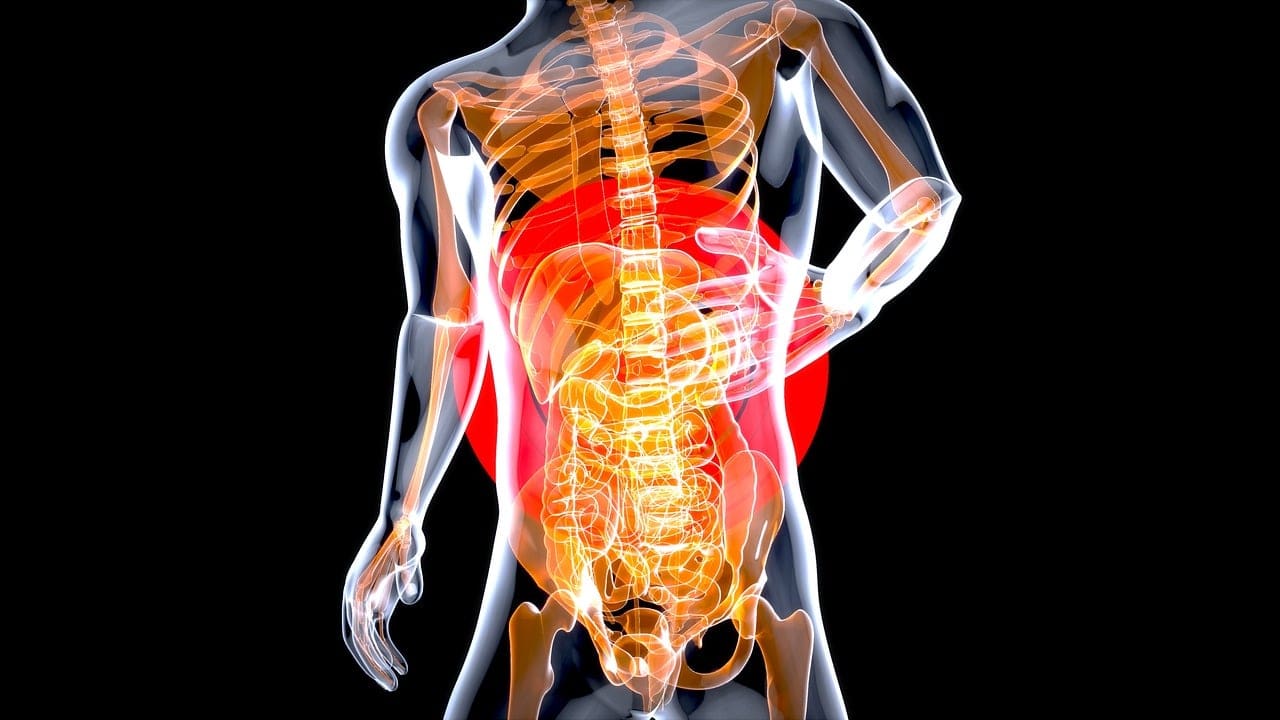
Bloating is a common issue that many people experience after eating. It occurs when your gastrointestinal tract becomes filled with gas or air, causing your abdomen to swell and feel tight. Bloating can be caused by a variety of factors, including eating too quickly, consuming gas-producing foods, or having an underlying digestive disorder. Understanding the root cause of your bloating can help you choose the best strategies to reduce it and improve your overall digestive comfort.
Let’s break it down – Understanding the causes of bloating
Bloating can be caused by a variety of factors, including:
- Eating too quickly: When you eat too quickly, you swallow more air, which can lead to bloating and gas.
- Consuming gas-producing foods: Certain foods, such as beans, broccoli, cabbage, and carbonated beverages, can produce gas in the digestive tract, leading to bloating.
- Digestive disorders: Conditions like irritable bowel syndrome (IBS), lactose intolerance, and celiac disease can cause bloating and discomfort after eating.
- Inadequate water intake: Not drinking enough water can lead to dehydration, constipation, and bloating.
- Stress and anxiety: Emotional stress can affect the digestive system and lead to bloating and discomfort.
Understanding these factors can help you identify the root cause of your bloating and make necessary changes to reduce it and improve your digestive comfort.
Strategies to reduce bloating
Now that you understand the causes of bloating, let’s discuss the best strategies to reduce bloating and improve your digestive comfort. By incorporating these simple tips into your daily routine, you can enjoy your meals without worrying about uncomfortable bloating.
Eat slowly and mindfully
One of the most effective ways to reduce bloating is to eat slowly and mindfully. When you eat too quickly, you swallow more air, which can lead to bloating and discomfort. By taking your time to chew your food thoroughly and savor each bite, you can prevent excess air from getting trapped in your gastrointestinal tract. Additionally, eating mindfully can help you tune into your body’s hunger and satiety cues, preventing overeating and reducing the risk of bloating.
Choose your foods wisely
Certain foods are known to cause bloating and gas in some people. If you struggle with bloating, consider limiting or avoiding foods that are high in fermentable carbohydrates, such as beans, lentils, onions, and garlic. These foods can be difficult for some people to digest, leading to bloating and discomfort. Additionally, some individuals may be sensitive to dairy products, gluten, or artificial sweeteners, which can also cause bloating. Keeping a food diary can help you identify which foods trigger your bloating and make necessary changes to your diet.
Stay hydrated
Drinking an adequate amount of water is essential for maintaining good digestion and preventing bloating. Water helps to soften stool, making it easier to pass through the digestive tract and preventing constipation, which can lead to bloating. Aim to drink at least eight cups of water per day, and more if you are physically active or live in a hot climate. Avoid sugary beverages and excessive caffeine, as these can dehydrate the body and exacerbate bloating.
Incorporate probiotics into your diet
Probiotics are beneficial bacteria that help to maintain a healthy balance of gut flora and promote optimal digestion. By incorporating probiotic-rich foods into your diet, such as yogurt, sauerkraut, kefir, and kombucha, you can improve your gut health and reduce bloating. Probiotic supplements are also available and can be beneficial for those with digestive issues or a history of antibiotic use. Talk to your healthcare provider before starting any new supplements to ensure they are safe and appropriate for you.
Manage stress and anxiety
Stress and anxiety can have a significant impact on digestion and lead to bloating and discomfort. To reduce bloating, practice stress-reducing techniques such as deep breathing, meditation, yoga, or tai chi. Taking time to relax and unwind can help to calm the nervous system and promote healthy digestion. Additionally, regular exercise can help to reduce stress and improve overall digestive function.
Improving digestive comfort
In addition to reducing bloating, there are several strategies you can incorporate into your daily routine to improve your overall digestive comfort. By making simple changes to your diet and lifestyle, you can support optimal digestion and enjoy meals without discomfort.
Fiber-rich foods
Dietary fiber is essential for maintaining healthy digestion and preventing constipation. Fiber helps to soften stool and promote regular bowel movements, reducing the risk of bloating and discomfort. Incorporate fiber-rich foods into your diet, such as fruits, vegetables, whole grains, and legumes. Aim to consume at least 25-30 grams of fiber per day for optimal digestive health.
Regular physical activity
Regular physical activity is important for maintaining healthy digestion and preventing bloating. Exercise helps to stimulate the muscles in the digestive tract, promoting regular bowel movements and reducing the risk of constipation. Aim to engage in at least 30 minutes of moderate-intensity exercise most days of the week, such as walking, cycling, or swimming. Find activities that you enjoy and make them a regular part of your routine to support optimal digestion.
Avoid trigger foods
If you have food sensitivities or intolerances, avoiding trigger foods can help to reduce bloating and digestive discomfort. Common trigger foods include dairy products, gluten, artificial sweeteners, and high-fat or spicy foods. Keep a food diary to track your symptoms and identify which foods may be causing your bloating. If you suspect a specific food is causing digestive issues, try eliminating it from your diet for a few weeks to see if your symptoms improve.
Maintain a healthy weight
Maintaining a healthy weight is important for supporting optimal digestion and reducing the risk of bloating. Excess weight can put pressure on the abdomen and intestines, leading to bloating and discomfort. Aim to achieve and maintain a healthy weight through a balanced diet and regular physical activity. If you struggle with weight management, talk to your healthcare provider for support and guidance.
Conclusion
Bloating and digestive discomfort are common issues that can make eating a less enjoyable experience. By understanding the causes of bloating and incorporating simple strategies into your daily routine, you can reduce bloating and improve your digestive comfort. Eat slowly and mindfully, choose your foods wisely, stay hydrated, and incorporate probiotics into your diet to support optimal digestion. Manage stress and anxiety, incorporate fiber-rich foods, engage in regular physical activity, avoid trigger foods, and maintain a healthy weight to improve your overall digestive comfort. Remember that everyone’s digestive system is unique, so it may take some trial and error to find the best strategies that work for you. If you continue to struggle with bloating or digestive issues, talk to your healthcare provider for personalized guidance and support. By taking steps to improve your digestive health, you can enjoy meals without discomfort and feel your best every day.