

Welcome to an article that emphasizes the importance of taking a proactive approach to men’s health. By prioritizing preventative measures and regular check-ups, you can significantly reduce the risk of developing health issues down the road. From maintaining a healthy diet and staying active to scheduling routine screenings and seeking help when needed, this article will provide you with valuable insights on how to prioritize your well-being and lead a healthier, happier life. So, let’s dive in and learn how to stay ahead of the game when it comes to your health! Have you ever wondered how you can take a proactive approach to prevent health issues as a man? By making small changes in your everyday life, you can significantly reduce your risk of developing various health conditions. In this article, we will explore different strategies and habits that can help you maintain optimal health and well-being.

Importance of Preventive Health Measures
Taking preventive health measures is crucial for maintaining a healthy lifestyle and reducing the risk of developing serious health conditions. By being proactive about your health, you can catch potential issues early on and take steps to address them before they become more serious.
Regular Check-Ups and Screenings
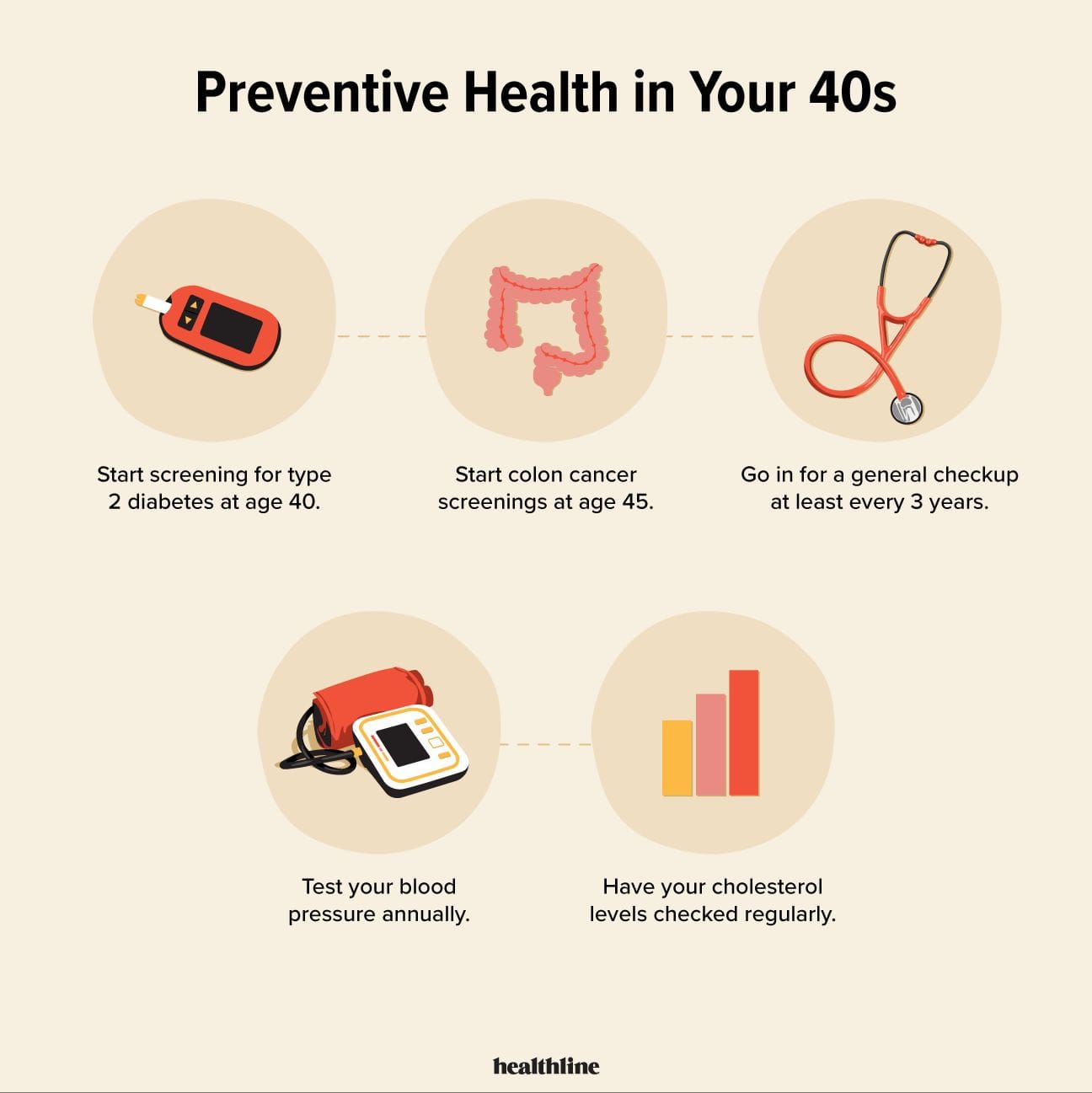
Visiting your healthcare provider regularly for check-ups and screenings is essential for monitoring your overall health. During these appointments, your doctor can assess your risk factors and recommend appropriate screenings based on your age, medical history, and lifestyle habits.
Proper Nutrition
Eating a well-balanced diet rich in fruits, vegetables, whole grains, and lean proteins is key to maintaining good health. Make sure to include a variety of nutrients in your diet to support your body’s daily functions and prevent nutrient deficiencies.
Regular Exercise
Engaging in regular physical activity is crucial for maintaining a healthy weight, improving cardiovascular health, and reducing the risk of chronic diseases. Aim for at least 150 minutes of moderate-intensity exercise per week, such as brisk walking, jogging, or cycling.
Adequate Sleep
Getting enough quality sleep is essential for your overall health and well-being. Aim for 7-9 hours of sleep per night to allow your body to rest and recharge. Poor sleep quality has been linked to various health issues, including cardiovascular disease, obesity, and diabetes.
Common Health Issues Faced by Men
Men are more likely to experience certain health issues compared to women, making it important to be proactive about prevention. By understanding these common health concerns, you can take steps to reduce your risk and stay healthy.
Heart Disease
Heart disease is the leading cause of death for men in the United States. To prevent heart disease, it is important to maintain a healthy diet, exercise regularly, manage stress, and avoid smoking. Regular check-ups with your healthcare provider can help monitor your heart health and detect any issues early on.
Prostate Health
Prostate health is a significant concern for men, particularly as they age. Prostate cancer is the most common cancer in men, but early detection through screenings can lead to successful treatment. Talk to your doctor about the recommended screening guidelines based on your age and risk factors.
Mental Health
Men are less likely to seek help for mental health issues compared to women, leading to higher rates of suicide and substance abuse. It is important to prioritize your mental health and seek support when needed. Engaging in stress-reducing activities, talking to a therapist, and practicing mindfulness can all help improve mental well-being.
Weight Management
Obesity is a common health issue faced by men, increasing the risk of chronic conditions such as diabetes, heart disease, and stroke. Maintaining a healthy weight through diet and exercise is key to reducing these risks and improving overall health.

Habits for Optimal Men’s Health
Incorporating healthy habits into your daily routine can go a long way in preventing health issues and improving your well-being. By making small changes, you can set yourself up for long-term success and optimal health.
Hydration
Staying properly hydrated is essential for your health, as water plays a crucial role in various bodily functions. Aim to drink at least 8-10 cups of water per day to stay hydrated and support your overall health.
Stress Management
Chronic stress can have a negative impact on your physical and mental health, increasing the risk of various health issues. Finding healthy ways to manage stress, such as exercising, meditating, or spending time in nature, can help you maintain a healthy lifestyle.
Limiting Alcohol Consumption
Excessive alcohol consumption can have detrimental effects on your health, including liver damage, weight gain, and an increased risk of certain cancers. Limit your alcohol intake to moderate levels to reduce these risks and support your overall well-being.
Quitting Smoking
Smoking is a leading cause of preventable death worldwide, increasing the risk of various health issues such as cancer, heart disease, and respiratory conditions. Quitting smoking is one of the best things you can do for your health, leading to immediate and long-term benefits.
Importance of Mental Health
Mental health plays a crucial role in your overall well-being and quality of life. By prioritizing your mental health and seeking support when needed, you can improve your resilience, coping skills, and emotional well-being.
Seeking Help
If you are struggling with your mental health, it is important to seek help from a mental health professional. Therapy, counseling, and support groups can all provide valuable tools and resources to help you manage your mental health more effectively.
Practicing Self-Care
Self-care is essential for maintaining good mental health and well-being. Prioritize activities that bring you joy, relaxation, and fulfillment, such as exercise, hobbies, spending time with loved ones, and practicing mindfulness.
Building Resilience
Resilience is the ability to bounce back from challenges and setbacks, which is crucial for maintaining good mental health. Building resilience through coping skills, positive thinking, and social support can help you navigate life’s ups and downs more effectively.
Incorporating Healthy Eating Habits
A healthy diet is essential for maintaining optimal health and preventing various health issues. By incorporating nutrient-rich foods into your diet and making smart food choices, you can support your overall well-being.
Balanced Nutrition
Aim for a well-balanced diet that includes a variety of fruits, vegetables, whole grains, lean proteins, and healthy fats. Avoid processed foods, sugary drinks, and excessive salt and sugar intake, as these can contribute to health issues such as obesity, diabetes, and heart disease.
Portion Control
Practicing portion control can help you manage your caloric intake and prevent overeating. Use smaller plates, measure your portions, and pay attention to hunger and fullness cues to avoid consuming more food than your body needs.
Meal Planning
Meal planning can help you make healthier food choices and avoid unhealthy temptations during the week. Plan your meals ahead of time, shop for nutritious ingredients, and prepare healthy meals that you can enjoy throughout the week.
Importance of Regular Physical Activity
Regular physical activity is essential for maintaining good health, improving fitness levels, and preventing various health issues. By incorporating exercise into your routine, you can support your cardiovascular health, maintain a healthy weight, and boost your overall well-being.
Cardiovascular Exercise
Cardiovascular exercise, such as walking, running, cycling, or swimming, is important for improving heart health and increasing endurance. Aim for at least 150 minutes of moderate-intensity exercise per week to support your cardiovascular fitness and reduce the risk of heart disease.
Strength Training
Strength training is crucial for building muscle mass, increasing metabolism, and improving strength and endurance. Incorporate strength training exercises, such as weightlifting or bodyweight exercises, into your routine at least 2-3 times per week for optimal results.
Flexibility and Balance
Flexibility and balance exercises, such as yoga or Pilates, can help improve your range of motion, reduce the risk of injury, and enhance your overall fitness level. Include flexibility and balance exercises in your weekly routine to support joint health and mobility.

Conclusion
By taking a proactive approach to your health and well-being, you can significantly reduce your risk of developing serious health issues and improve your quality of life. Incorporating healthy habits, such as proper nutrition, regular exercise, stress management, and seeking support when needed, can help you maintain optimal health and prevent common health concerns faced by men. Remember to prioritize your mental health, engage in healthy eating habits, and make physical activity a priority to support your overall well-being. Stay proactive, stay healthy, and take control of your health journey.