In the fast-paced and rapidly evolving world of healthcare, there is no denying the importance of promoting equity and inclusivity in policy decisions. Whether it’s ensuring equal access to healthcare services for all or incorporating diverse perspectives into decision-making processes, these actions have the power to transform the way healthcare is delivered and experienced by individuals and communities. This article explores the significance of promoting equity and inclusivity in healthcare policy decisions and highlights the positive impact it can have on improving overall healthcare outcomes.
Understanding Equity and Inclusivity in Healthcare Policy
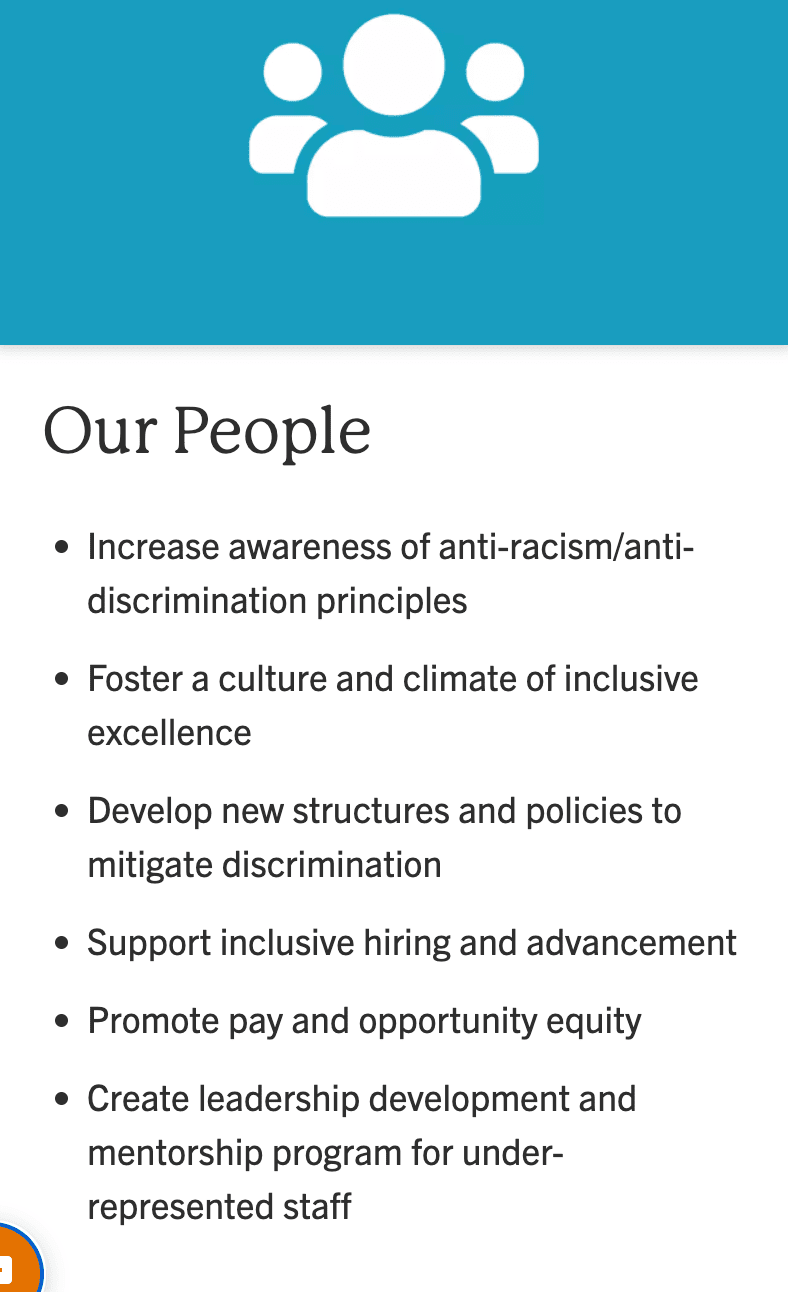
Promoting equity and inclusivity in healthcare policy decisions is crucial for ensuring that every individual has access to high-quality healthcare services, regardless of their socio-economic status, race, ethnicity, gender, disability, or marginalized identity. Equity refers to the fair and just distribution of healthcare resources, opportunities, and outcomes, taking into account the unique needs and circumstances of different individuals and communities. Inclusivity, on the other hand, entails creating an environment where diverse voices are heard, respected, and actively included in the decision-making process. By prioritizing equity and inclusivity in healthcare policy, we can work towards reducing disparities, improving health outcomes, and promoting social justice.
Defining Equity in Healthcare
Equity in healthcare means ensuring that everyone has a fair opportunity to achieve optimal health outcomes, regardless of their background or circumstances. It involves recognizing and addressing existing disparities in access to healthcare services, health outcomes, and social determinants of health. This approach acknowledges that individuals and communities have different needs and require tailored strategies to overcome barriers and achieve equitable health outcomes.
Defining Inclusivity in Healthcare Policy
Inclusivity in healthcare policy means actively involving individuals from diverse backgrounds in the decision-making processes that shape healthcare services. It emphasizes creating an environment where people feel safe, respected, and empowered to contribute their unique perspectives and experiences. Inclusivity also entails recognizing and addressing systemic biases and barriers that prevent certain groups from fully participating in healthcare policy discussions. By fostering inclusivity, healthcare policies can better reflect the needs and values of all individuals, resulting in more equitable and effective healthcare delivery.
Importance of Promoting Equity and Inclusivity in Healthcare Policy
Promoting equity and inclusivity in healthcare policy is essential for several reasons. Firstly, it helps to reduce disparities in health outcomes among different groups, making healthcare more fair and just. Secondly, it improves the overall quality of healthcare by incorporating diverse perspectives and addressing the unique needs of marginalized populations. Thirdly, it promotes social justice by challenging existing power structures and ensuring that healthcare resources are distributed equitably. Lastly, it contributes to better public health outcomes as healthier and more equitable communities are more resilient and thrive.
Addressing Socioeconomic Disparities
Ensuring Equal Access to Healthcare Services
Addressing socioeconomic disparities in healthcare requires ensuring equal access to healthcare services for all individuals, regardless of their financial circumstances. This includes implementing policies that remove financial barriers to healthcare, such as expanding access to affordable health insurance or providing subsidies for low-income individuals. It also involves increasing the availability of healthcare facilities and services in underserved areas, thereby improving healthcare access for communities with limited resources.
Reducing Financial Barriers in Healthcare
To promote equity, healthcare policy should focus on reducing financial barriers that prevent individuals from accessing necessary healthcare services. This can be achieved through measures such as expanding Medicaid eligibility, providing financial assistance programs, and implementing cost-sharing protections. Additionally, policies should prioritize preventative care and early intervention services, which can help reduce healthcare costs in the long run while promoting better health outcomes for individuals.
Implementing Affordable Healthcare Policies
To ensure equity in healthcare, policies should be implemented to make healthcare services affordable for all individuals. This can involve implementing price controls for essential medications, ensuring transparency in healthcare pricing, and regulating healthcare costs to prevent undue financial burden on patients. Moreover, healthcare policies should prioritize value-based care, focusing on delivering high-quality care that is cost-effective and accessible to all.
Eliminating Racial and Ethnic Disparities
Increasing Diversity in Healthcare Leadership and Staff
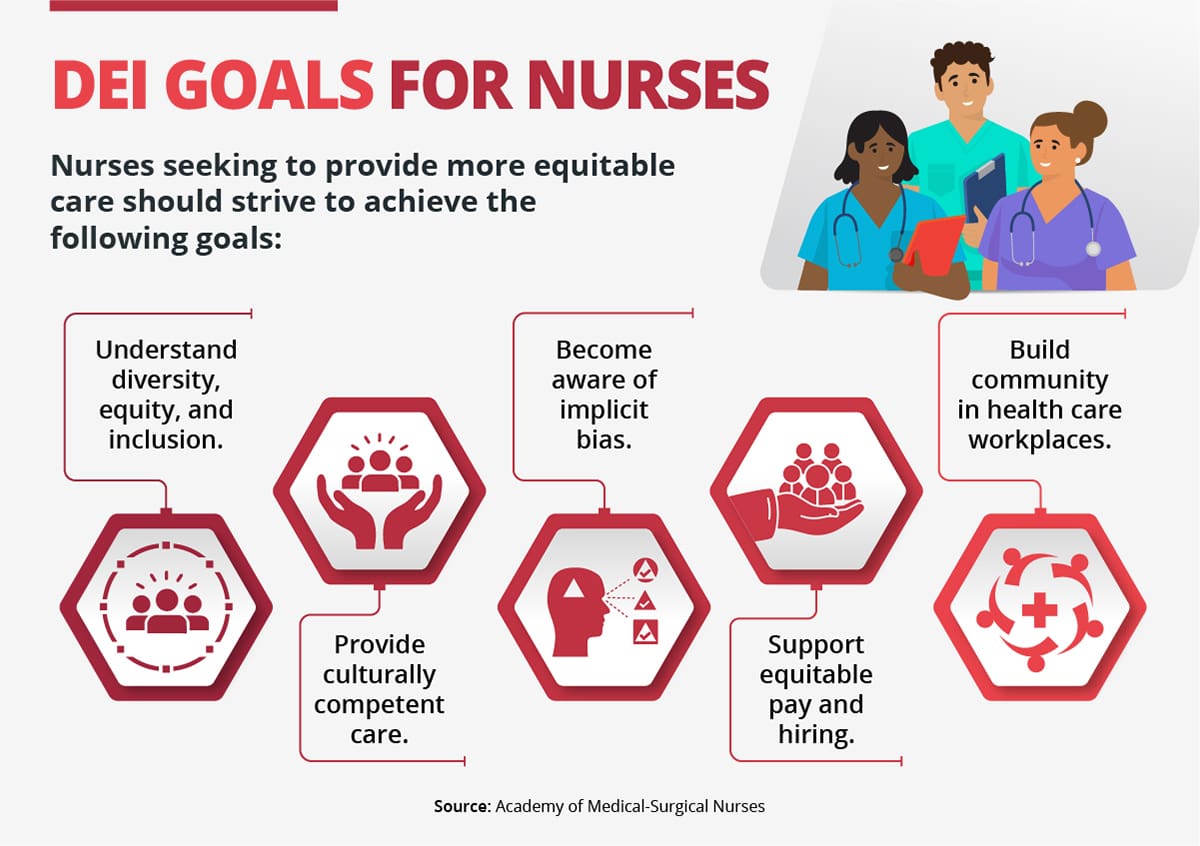
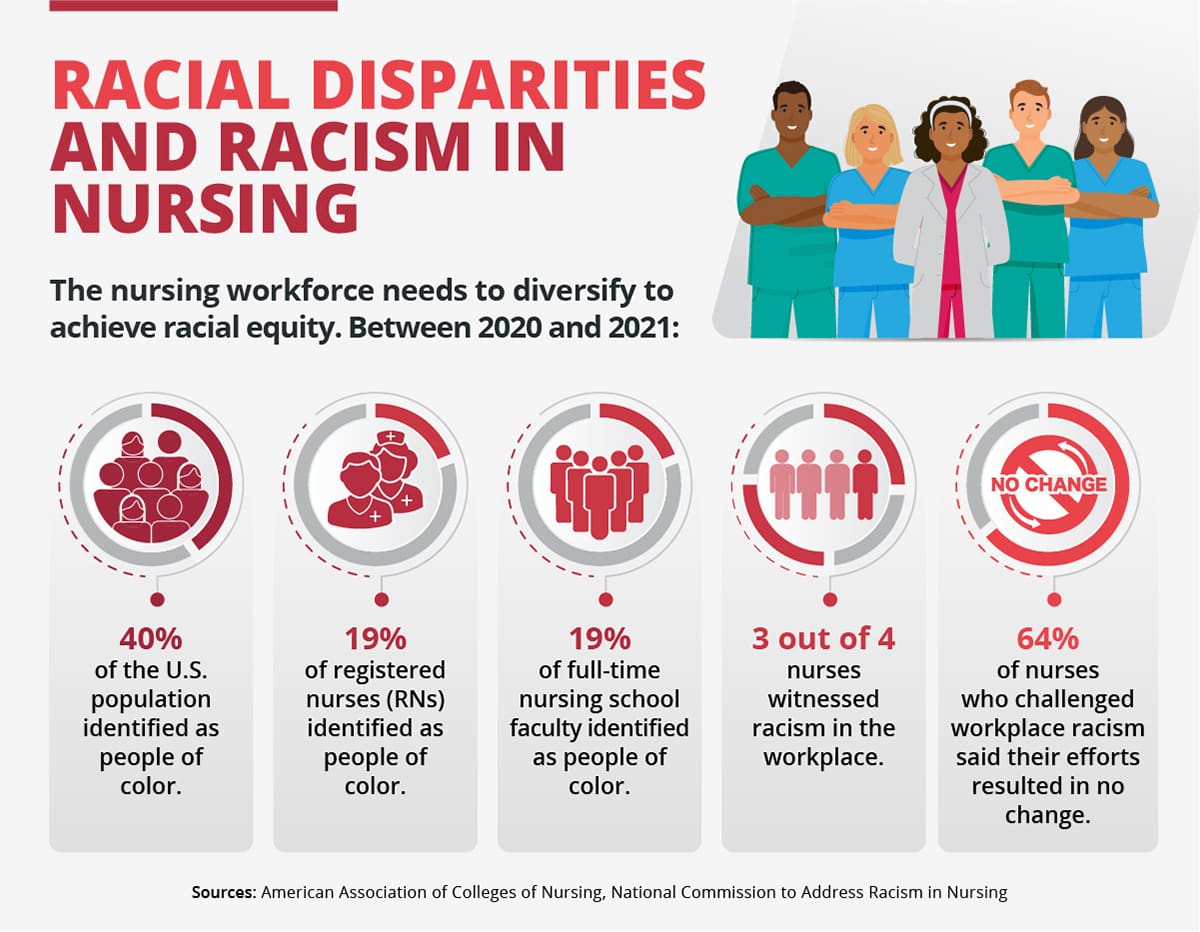
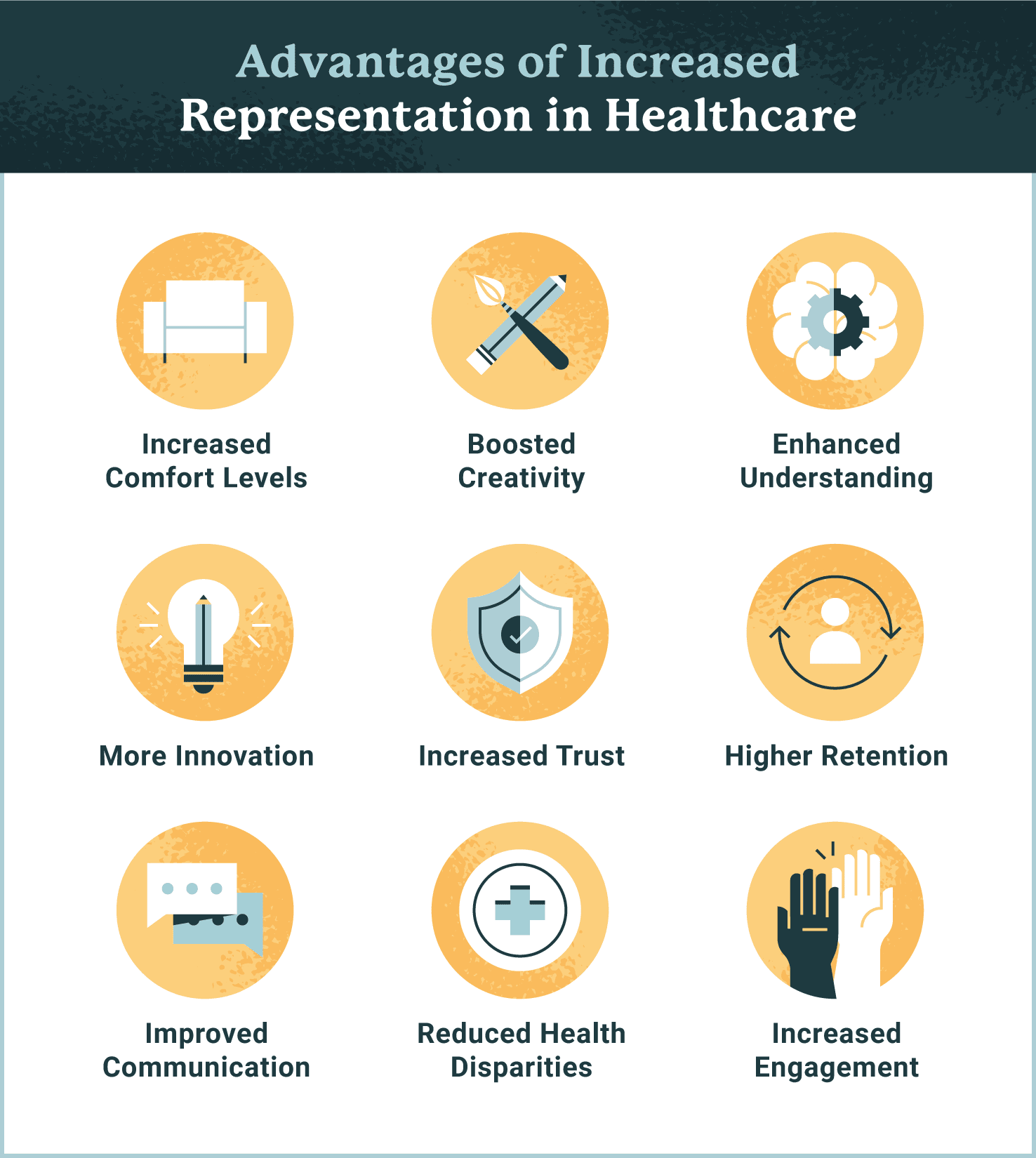
To address racial and ethnic disparities in healthcare, it is crucial to increase diversity in healthcare leadership and staff. This can be achieved by implementing policies that promote diversity in healthcare education and training programs, as well as fostering inclusive hiring practices. Diverse healthcare teams that reflect the population they serve are better equipped to understand and address the unique healthcare needs of different racial and ethnic groups.
Ensuring Culturally Competent Care
Culturally competent care is essential in eliminating racial and ethnic disparities in healthcare. Policies should focus on promoting cultural competency training for healthcare professionals to enhance their understanding of diverse cultural practices, beliefs, and healthcare preferences. Moreover, healthcare organizations should invest in hiring interpreters and translators to ensure effective communication with patients who have limited English proficiency. By adopting culturally competent approaches, healthcare policies can help bridge the gaps in healthcare access and quality for racial and ethnic minority populations.
Integrating Anti-Racist Approaches in Healthcare Policies
To promote equity and inclusivity, healthcare policies should adopt anti-racist approaches. This involves recognizing and challenging systemic racism in healthcare by actively working to dismantle discriminatory practices and policies. Policies should be designed to eliminate racial bias in healthcare delivery, ensure equitable distribution of healthcare resources, and promote racial and ethnic representation in decision-making positions. Additionally, healthcare policies should prioritize community engagement and collaboration with racial and ethnic minority communities to identify their unique healthcare needs and develop tailored strategies to address them.
Promoting Gender Equality in Healthcare
Addressing Gender Bias in Clinical Trials and Research
Promoting gender equality in healthcare requires addressing gender bias in clinical trials and research. Policies should ensure that women are adequately represented in clinical trials, as historically, clinical research has often overlooked gender differences in disease manifestation, pharmacokinetics, and treatment outcomes. By addressing this bias, healthcare policies can improve the accuracy and effectiveness of healthcare interventions for all genders.
Ensuring Access to Reproductive Health Services
Equity in healthcare policy means ensuring access to reproductive health services for all individuals, regardless of their gender or sexual orientation. Policies should prioritize comprehensive reproductive healthcare, including access to contraceptives, family planning services, prenatal care, and safe and legal abortion services. Comprehensive reproductive healthcare not only promotes gender equality but also enables individuals to make informed decisions about their reproductive health and well-being.
Implementing Policies to Support LGBTQ+ Health
Healthcare policies should be inclusive and supportive of LGBTQ+ health. This includes implementing policies that protect against discrimination based on sexual orientation or gender identity, ensuring access to gender-affirming care, and providing training for healthcare professionals on LGBTQ+ health needs and concerns. Additionally, healthcare policies should prioritize the collection of gender identity and sexual orientation data to better understand and address the unique healthcare challenges faced by LGBTQ+ individuals.
Enhancing Access for People with Disabilities
Improving Physical Accessibility in Healthcare Facilities
To promote equity and inclusivity, healthcare facilities should be designed and maintained to ensure physical accessibility for individuals with disabilities. Policies should prioritize improving wheelchair accessibility, providing accessible parking spaces, installing ramps and elevators, and ensuring that healthcare facilities are equipped with appropriate medical equipment for individuals with disabilities. By removing physical barriers, healthcare policies can enhance access to care for individuals with disabilities.
Ensuring Communication Access for Individuals with Sensory Disabilities
Inclusive healthcare policies should prioritize ensuring effective communication access for individuals with sensory disabilities. This may involve providing sign language interpreters, captioning or transcript services for deaf and hard-of-hearing individuals, and accessible communication tools for individuals with visual impairments. By ensuring effective communication, healthcare policies can ensure that individuals with sensory disabilities can actively participate in their healthcare decisions and receive high-quality care.
Providing Supportive Programs and Services for People with Disabilities
To promote equity, healthcare policies should prioritize the development and implementation of supportive programs and services for individuals with disabilities. This can include providing assistance with transportation, facilitating access to assistive devices and technologies, and investing in disability-specific healthcare programs and education. By addressing the unique needs of individuals with disabilities, healthcare policies can improve healthcare outcomes and ensure equal access to quality care.
Including Marginalized Communities
Engaging Indigenous Communities in Healthcare Decision-making
Promoting equity and inclusivity in healthcare policy requires actively engaging Indigenous communities in decision-making processes. Policies should prioritize meaningful consultation with Indigenous communities to ensure that their unique healthcare needs, cultural practices, and traditional healing methods are respected and integrated into healthcare services. By empowering Indigenous communities, healthcare policies can promote self-determination and improve healthcare outcomes for Indigenous populations.
Addressing the Needs of Rural and Remote Areas
To promote equity and inclusivity, healthcare policies should address the unique healthcare challenges faced by rural and remote areas. This can involve implementing telehealth services to improve access to healthcare providers, increasing healthcare funding for rural areas, and ensuring a sufficient healthcare workforce in underserved regions. By considering the specific needs of rural and remote areas, healthcare policies can help bridge the gap in healthcare access and quality between urban and rural communities.
Supporting Healthcare Services for Refugees and Immigrants
Achieving equity in healthcare policy means ensuring access to healthcare services for refugees and immigrants. Policies should ensure that refugees and immigrants have equitable access to healthcare coverage and services, including culturally sensitive care and interpretation services. Additionally, healthcare policies should support the integration of refugees and immigrants into the healthcare workforce, as increased diversity among healthcare professionals can contribute to better healthcare delivery for these populations.
Promoting Mental Health Equity
Reducing Stigma and Discrimination Surrounding Mental Health
Promoting mental health equity requires reducing stigma and discrimination surrounding mental health conditions. Policies should focus on raising awareness, providing education, and implementing anti-stigma campaigns to combat societal biases and misconceptions about mental health. By fostering a supportive and non-judgmental environment, healthcare policies can promote mental health equity and encourage individuals to seek help when needed.
Improving Access to Mental Health Services
Equity in healthcare policy means ensuring equal access to mental health services for all individuals. Policies should prioritize integration of mental health services into primary care settings, expand the availability of mental health providers, and ensure affordable mental healthcare options. Additionally, healthcare policies should address the disparities in accessing mental health services faced by marginalized populations and promote culturally appropriate mental healthcare.
Integrating Mental Health into Primary Care
To promote mental health equity, healthcare policies should prioritize integrating mental health into primary care services. This involves training healthcare professionals in mental health assessment and management, providing resources and support for mental health screening, and enhancing collaboration between mental health specialists and primary care providers. By integrating mental health services into primary care, healthcare policies can reduce barriers to access and ensure that mental health needs are identified early and appropriately addressed.
Utilizing Data for Equity and Inclusivity
Collecting Disaggregated Data to Identify Disparities
Healthcare policies should prioritize the collection and analysis of disaggregated data to identify and address disparities. Disaggregating data by demographic factors such as race, ethnicity, gender, income, and disability status allows policymakers to identify disparities in healthcare access, quality, and outcomes. By understanding these disparities, healthcare policies can be targeted towards specific populations and tailored to meet their unique needs.
Using Data to Inform Policy Decisions
Data should be utilized to inform and shape healthcare policy decisions. Policies should be evidence-based and informed by robust data on health disparities, healthcare utilization, and health outcomes. By using data to guide policy decisions, healthcare policymakers can make informed choices that are grounded in the realities of health inequities and the needs of marginalized populations. This can lead to more effective, equitable, and impactful healthcare policies.
Monitoring and Evaluating the Impact of Equity-focused Policies
To ensure the effectiveness of equity-focused policies, healthcare policymakers should prioritize ongoing monitoring and evaluation. This involves regularly assessing the impact of policies on healthcare access, quality, and outcomes for different populations. By tracking and analyzing the data, policymakers can identify areas of success and areas for improvement, and make necessary adjustments to policies to ensure they are achieving their intended equity goals.
Engaging Stakeholders in Policymaking
Including Representation from Diverse Communities
Promoting equity and inclusivity in healthcare policy decisions requires including representation from diverse communities. Policies should ensure that individuals from marginalized backgrounds are represented in healthcare decision-making processes, including in advisory boards, task forces, and committees. By including diverse perspectives, healthcare policies can better reflect the needs and values of different communities, resulting in more equitable and inclusive healthcare service delivery.
Empowering Patient Advocacy Organizations
Healthcare policies should empower patient advocacy organizations to actively participate in policy development and implementation. These organizations play a crucial role in advocating for the needs and rights of specific patient populations. Policies should provide funding, resources, and collaboration opportunities to patient advocacy organizations to ensure their voices are heard, and their expertise is considered in healthcare policy decisions.
Collaborating with Healthcare Professionals and Researchers
To promote equity and inclusivity in healthcare policy decisions, policymakers should collaborate with healthcare professionals and researchers. Healthcare professionals possess valuable insights and firsthand experiences that can inform policy development, implementation, and evaluation. Policies should foster collaboration between policymakers, healthcare professionals, and researchers to ensure that healthcare policies are evidence-based, practical, and aligned with the needs of the healthcare workforce and the patients they serve.
Building a Sustainable Healthcare System
Addressing Social Determinants of Health
Promoting equity and inclusivity in healthcare policy requires addressing the social determinants of health. Policies should prioritize interventions that address factors such as income inequality, education, housing, food security, and access to clean water and sanitation. By tackling these underlying social determinants, healthcare policies can help create a more equitable and sustainable healthcare system that promotes health and well-being for all individuals and communities.
Investing in Healthcare Workforce Diversity and Training
To promote equity in healthcare delivery, policies should invest in healthcare workforce diversity and training. This includes increasing diversity in healthcare professions and providing ongoing training and education on cultural competence, implicit biases, and equitable care. By promoting diversity and ensuring healthcare professionals are equipped with the necessary skills and knowledge, healthcare policies can enhance the quality of care and address healthcare disparities more effectively.
Measuring and Reporting on Equity and Inclusivity Outcomes
To ensure accountability and transparency, healthcare policies should prioritize measuring and reporting on equity and inclusivity outcomes. Policies should establish clear metrics and benchmarks to monitor progress in achieving health equity goals and reducing healthcare disparities. By reporting on these outcomes, policymakers and stakeholders can assess the effectiveness of policies and work towards continuous improvement in achieving equitable healthcare outcomes.
In conclusion, promoting equity and inclusivity in healthcare policy decisions is essential for achieving fairness, justice, and better health outcomes for all individuals and communities. By addressing socioeconomic disparities, eliminating racial and ethnic disparities, promoting gender equality, enhancing access for people with disabilities, including marginalized communities, promoting mental health equity, utilizing data for equity and inclusivity, engaging stakeholders in policymaking, and building a sustainable healthcare system, healthcare policies can advance equity and inclusivity in healthcare. By working together and prioritizing these principles, we can create a healthcare system that truly leaves no one behind.