
Are you passionate about healthcare policy reform and the potential for innovation and entrepreneurship to create positive change? If so, then this article is for you. In this piece, we will explore the importance of promoting innovation and entrepreneurship in healthcare policy reform, and how these two elements can work together to improve the quality, accessibility, and affordability of healthcare for all. Get ready to be inspired by real-life examples and discover the potential impact of innovative solutions in the healthcare industry. So, grab a cup of coffee, sit back, and let’s explore this exciting topic together.
1. Introduction to healthcare policy reform
Overview of healthcare policy reform
Healthcare policy reform refers to the process of making changes and improvements to the policies and regulations governing the healthcare system. It aims to address the current challenges and issues faced by the healthcare industry, with the ultimate goal of improving the overall health outcomes and well-being of individuals and communities. Healthcare policy reform encompasses a wide range of areas, including access to healthcare, quality of healthcare services, and the cost of healthcare.
Current challenges in healthcare policy reform
The healthcare industry is facing numerous challenges that necessitate policy reform. One of the major challenges is the limited access to affordable healthcare, particularly for underserved populations. Many individuals, especially those without health insurance, cannot afford necessary medical treatments or preventive care. Another challenge is the need to improve the quality of healthcare services. While advancements in medical technology and research have led to significant improvements in healthcare outcomes, there is still room for enhancing the quality and efficiency of care delivery. Additionally, healthcare policy reform must address the economic aspects of the industry, including rising costs and the need to foster economic growth and job creation.
2. Importance of innovation and entrepreneurship in healthcare
Enhancing access to affordable healthcare
Innovation and entrepreneurship play a crucial role in enhancing access to affordable healthcare. Through the development of new technologies, processes, and business models, healthcare entrepreneurs can create solutions that address the cost barriers faced by individuals and communities. For example, startups have introduced digital health platforms that provide remote access to healthcare professionals, enabling patients to receive timely care without the need for expensive hospital visits. By leveraging innovation and entrepreneurship, healthcare policy reform can help reduce the financial burden on patients and expand access to vital healthcare services.
Improving quality of healthcare services
Another important aspect of healthcare policy reform is improving the quality of healthcare services. Innovations in medical technology, data analytics, and patient-centered care models have the potential to significantly enhance healthcare outcomes. Entrepreneurs and innovators in the healthcare industry can develop novel solutions that streamline care processes, enable personalized medicine, and improve patient engagement. By prioritizing innovation and entrepreneurship in healthcare policy reform, policymakers can create an environment that encourages the adoption of these advancements, ultimately leading to better health outcomes for individuals and communities.
Fostering economic growth and job creation
Promoting innovation and entrepreneurship in healthcare policy reform is not only beneficial for the health sector, but also for the economy as a whole. The healthcare industry has the potential to drive economic growth and job creation. By fostering an environment that supports the development and adoption of innovative solutions, policymakers can stimulate economic activity and create new job opportunities. Startups and small businesses in the healthcare sector can contribute to economic growth by creating high-skilled jobs, attracting investments, and driving technological advancements. Therefore, integrating innovation and entrepreneurship into healthcare policy reform is essential for long-term economic prosperity.

3. Strategies for promoting innovation in healthcare policy reform
Investing in research and development
One of the key strategies for promoting innovation in healthcare policy reform is investing in research and development. By allocating resources and funding to scientific research, policymakers can facilitate the discovery of new treatments, diagnostic tools, and medical technologies. Investing in R&D also supports the development of evidence-based policies and guidelines, ensuring that healthcare practices are grounded in the latest scientific knowledge. Moreover, R&D investments can lead to the creation of intellectual property, which can be licensed to entrepreneurs and businesses for further development and commercialization.
Supporting startups and small businesses
Supporting startups and small businesses is another effective strategy to promote innovation in healthcare policy reform. These entrepreneurial ventures often drive technological advancements and bring disruptive innovations to the healthcare industry. Policymakers can create funding programs, grants, and tax incentives that specifically target healthcare startups, encouraging their growth and development. Additionally, providing mentoring and networking opportunities can help entrepreneurs navigate the complex healthcare landscape and overcome challenges. By creating a supportive ecosystem for startups and small businesses, policymakers can nurture innovation and entrepreneurship in the healthcare sector.
Promoting collaboration and knowledge sharing
Promoting collaboration and knowledge sharing is crucial for fostering innovation in healthcare policy reform. Policymakers can facilitate platforms for researchers, entrepreneurs, healthcare professionals, and policymakers to collaborate and share their expertise. By bringing together different stakeholders, policymakers can leverage collective knowledge and resources to drive innovation. Collaboration can take various forms, such as public-private partnerships, academic-industry collaborations, and international collaborations. By promoting collaboration and knowledge sharing, healthcare policy reform can benefit from diverse perspectives and accelerate the development and implementation of innovative solutions.
4. Role of government in fostering innovation and entrepreneurship
Creating a supportive regulatory environment
The government has a pivotal role in fostering innovation and entrepreneurship in healthcare policy reform by creating a supportive regulatory environment. Regulations should strike a balance between ensuring patient safety and enabling the adoption of innovative solutions. Policymakers can streamline regulatory processes, establish flexible frameworks, and provide clear guidelines for the approval and implementation of innovative healthcare technologies and services. By reducing regulatory complexities, the government can encourage entrepreneurs to invest in the healthcare sector and develop novel solutions.
Providing funding and incentives
Another key role of the government in fostering innovation and entrepreneurship is providing funding and incentives. Policymakers can allocate resources to support R&D initiatives, startup incubators, and accelerators that focus on healthcare innovation. Funding programs can take various forms, including government grants, low-interest loans, and equity investments. Moreover, policymakers can offer tax incentives and exemptions to incentivize private sector investments in healthcare startups and businesses. By providing financial support and incentives, the government can attract and retain talented entrepreneurs, ensuring a vibrant and competitive healthcare innovation ecosystem.
Facilitating public-private partnerships
Public-private partnerships are crucial for fostering innovation and entrepreneurship in healthcare policy reform. The government can facilitate collaborations between public entities, private companies, and non-profit organizations to address healthcare challenges and drive innovative solutions. Through partnerships, governments can leverage the expertise, resources, and networks of private sector entities to accelerate the development and implementation of innovative healthcare technologies and services. By fostering collaboration, the government can create an environment that encourages shared responsibility and promotes the co-creation of healthcare solutions.

5. Examples of successful innovation and entrepreneurship in healthcare policy reform
Digital health technologies
Digital health technologies have revolutionized healthcare policy reform by enhancing access to care, improving patient outcomes, and reducing costs. Applications and platforms that enable telemedicine, electronic health records, remote patient monitoring, and health data analytics have transformed the way healthcare services are delivered and managed. By leveraging digital health technologies, healthcare providers can reach patients in remote areas, enable virtual consultations, and optimize care delivery. These innovations have the potential to improve healthcare access, efficiency, and patient satisfaction.
Telemedicine and remote care
Telemedicine and remote care solutions have gained significant traction in recent years, especially in response to the COVID-19 pandemic. These innovative approaches allow patients to receive medical consultations and treatment remotely, reducing the need for in-person visits and minimizing the risk of exposure to infectious diseases. Telemedicine has particularly benefitted underserved populations, as it eliminates barriers such as transportation issues and geographical distances. With the increasing availability of high-speed internet and advancements in communication technologies, telemedicine is becoming a vital component of healthcare policy reform.
Precision medicine
Precision medicine is an emerging field that aims to customize medical treatments based on an individual’s unique genetic and molecular characteristics. By leveraging genomic data and advanced analytics, precision medicine enables healthcare providers to deliver personalized and targeted therapies, leading to improved treatment outcomes and reduced adverse effects. This innovative approach has the potential to revolutionize healthcare policy reform by optimizing the allocation of resources, reducing healthcare costs, and enhancing the effectiveness of treatments. Precision medicine is a prime example of how innovation and entrepreneurship can shape the future of healthcare.
6. Challenges and barriers to promoting innovation and entrepreneurship
Lack of funding and resources
One of the primary challenges in promoting innovation and entrepreneurship in healthcare policy reform is the lack of funding and resources. The development and commercialization of innovative healthcare technologies and services often require significant financial investments. However, securing funding can be challenging for entrepreneurs, especially those in the early stages of development. Limited access to capital and resources can hinder the growth and sustainability of healthcare startups, preventing them from bringing their innovative solutions to the market. Policymakers must address these funding gaps and provide support mechanisms to ensure that promising innovations are not stifled due to financial constraints.
Regulatory complexities
Regulatory complexities pose a significant barrier to promoting innovation and entrepreneurship in healthcare policy reform. Compliance with regulatory requirements is essential to ensure patient safety and the effectiveness of healthcare interventions. However, navigating complex regulatory frameworks can be time-consuming and costly for entrepreneurs. Long approval processes and ambiguous guidelines can deter startups from entering the healthcare market or hinder the adoption of innovative solutions. Policymakers need to streamline and simplify regulatory processes to strike a balance between patient safety and the facilitation of innovative healthcare technologies and services.
Resistance to change
Resistance to change is a common challenge encountered when promoting innovation and entrepreneurship in healthcare policy reform. The healthcare industry is often characterized by well-established systems, practices, and stakeholders. Introducing new technologies and disrupting traditional healthcare models can face resistance from healthcare providers, professional associations, and even patients. The fear of the unknown, loss of control, and concerns over job security can hinder the adoption and acceptance of innovative solutions. Policymakers should engage with stakeholders, provide education and training, and communicate the potential benefits of innovation to overcome resistance and create a culture that embraces change.
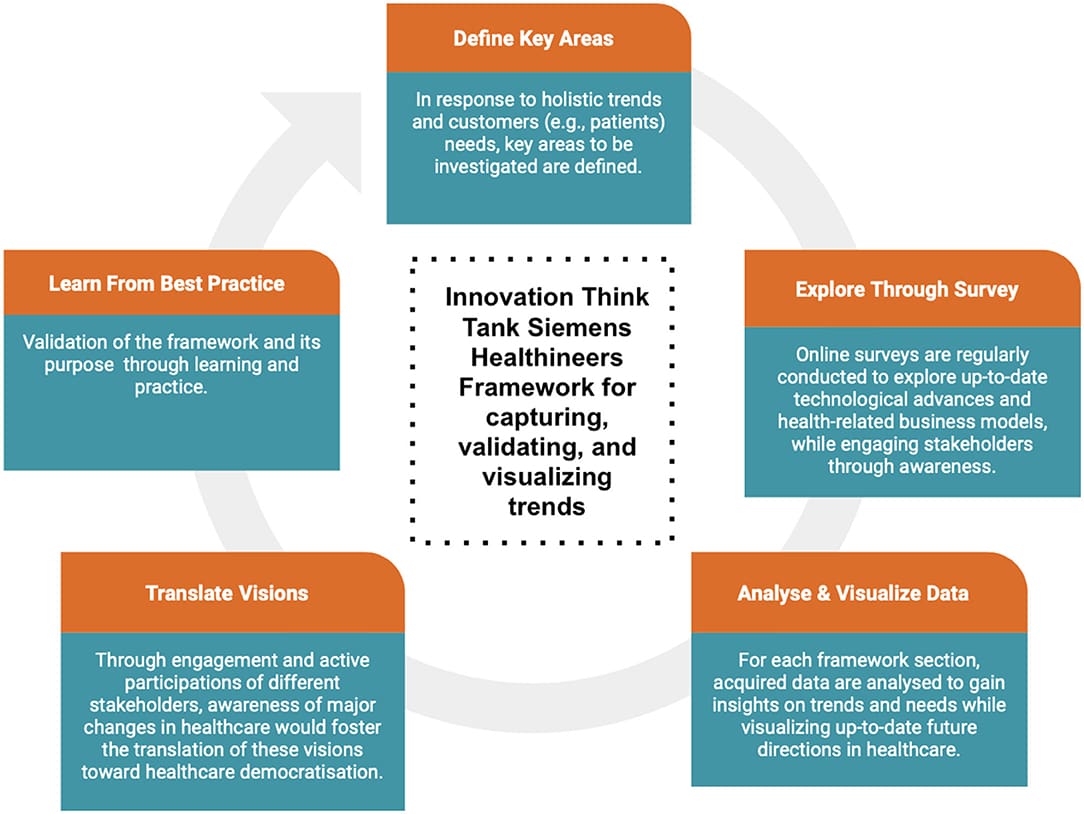
7. Case studies and best practices in promoting innovation and entrepreneurship
Singapore’s healthcare innovation ecosystem
Singapore has developed a robust healthcare innovation ecosystem by fostering collaboration between the government, research institutes, startups, and industry players. The Singapore government has established funding programs, such as the Medical Technology Innovation Program, to support research and development in the healthcare sector. The country’s public health system acts as a testbed for innovative healthcare technologies and services, allowing entrepreneurs to validate their solutions in a real-world setting. Singapore’s focus on creating a supportive regulatory environment and providing financial incentives has positioned it as a leading player in healthcare innovation and entrepreneurship.
Israel’s startup nation approach
Israel has gained international recognition for its thriving startup ecosystem and its significant contributions to the healthcare industry. The Israeli government has played a crucial role in promoting innovation and entrepreneurship through policies and initiatives that support startups. The country’s access to venture capital, strong links between academia and industry, and a culture that embraces risk-taking have fueled the growth of healthcare startups in Israel. The government has facilitated collaborations between startups and established healthcare organizations, enabling the quick adoption and scalability of innovative solutions. Israel’s startup nation approach has led to groundbreaking advancements in healthcare technology, including medical devices, digital health solutions, and artificial intelligence applications.
United States’ public-private collaborations
The United States has witnessed the power of public-private collaborations in promoting innovation and entrepreneurship in healthcare policy reform. Through initiatives such as the National Institutes of Health (NIH) and the Small Business Innovation Research (SBIR) program, the U.S. government has provided funding and resources to support healthcare startups and small businesses. These collaborations have resulted in breakthrough innovations in areas such as genomics, medical devices, and pharmaceuticals. Additionally, public-private partnerships, such as those between academic institutions and industry, have facilitated the transfer of knowledge and technology, accelerating the development of innovative healthcare solutions.
8. Call to action for policymakers and stakeholders
Prioritize innovation in healthcare policy agendas
Policymakers should prioritize innovation in healthcare policy agendas by integrating it as a core component of reform initiatives. Innovation should be recognized as a driving force for positive change and should be embedded in the objectives and strategies of healthcare policy reform. By providing a clear vision and direction, policymakers can inspire entrepreneurs, researchers, and healthcare professionals to develop and implement innovative solutions that address the pressing challenges in the healthcare industry.
Invest in educational and training programs
Investing in educational and training programs is essential to cultivate a skilled workforce and foster a culture of innovation and entrepreneurship in healthcare policy reform. Policymakers should allocate resources to support educational initiatives that focus on healthcare technology, data analytics, and entrepreneurship. By equipping individuals with the necessary knowledge and skills, policymakers can nurture a pipeline of innovators, entrepreneurs, and healthcare professionals who are capable of driving and implementing transformative changes in the healthcare industry.
Engage with industry experts and stakeholders
Engagement with industry experts and stakeholders is crucial for effective healthcare policy reform that promotes innovation and entrepreneurship. Policymakers should actively seek input and feedback from healthcare professionals, entrepreneurs, researchers, and patient advocacy groups. By involving these key stakeholders in the policy-making process, policymakers can gain valuable insights, identify challenges, and develop solutions that are aligned with the needs and priorities of the healthcare community. Collaboration and dialogue can pave the way for evidence-based policies that drive innovation and entrepreneurship in healthcare policy reform.

9. Conclusion
Innovation and entrepreneurship are vital drivers of change in healthcare policy reform. By prioritizing innovation and entrepreneurship, policymakers can enhance access to affordable healthcare, improve the quality of healthcare services, and foster economic growth and job creation. Strategies such as investing in research and development, supporting startups and small businesses, and promoting collaboration are key to promoting innovation in healthcare policy reform. The role of the government is crucial in creating a supportive regulatory environment, providing funding and incentives, and facilitating public-private partnerships. Successful examples and best practices from countries such as Singapore, Israel, and the United States demonstrate the potential of innovation and entrepreneurship in healthcare policy reform. However, challenges such as lack of funding and resources, regulatory complexities, and resistance to change must be addressed. Policymakers and stakeholders have a collective responsibility to prioritize innovation in healthcare policy agendas, invest in educational and training programs, and engage with industry experts. By doing so, they can create a future healthcare landscape that is innovative, sustainable, and patient-centered.