
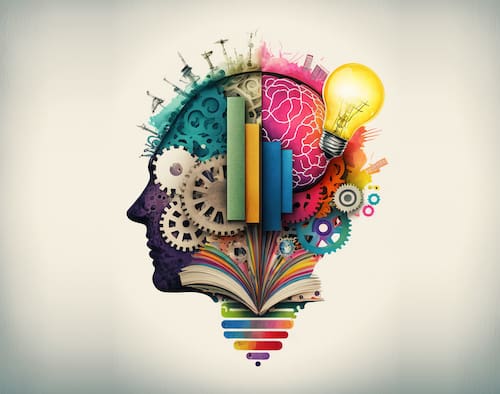
Did you know that creativity and expression can have a positive impact on your mental health? In today’s fast-paced world, finding ways to promote and maintain good mental health is crucial. One effective method is through engaging in creative activities that allow you to express yourself. Whether it’s painting, writing, dancing, or playing music, these activities can provide an outlet for your thoughts and emotions, helping to alleviate stress and improve overall well-being. In this article, we will explore the power of creativity in promoting mental health and uncover how you can incorporate it into your daily life. So grab your paintbrushes, pens, or dancing shoes, and let’s embark on a journey of self-discovery and mental well-being.
Art Therapy
Art therapy is a form of psychotherapy that utilizes creative processes and artistic mediums to promote emotional, cognitive, and physical well-being. Through art therapy, individuals are encouraged to express themselves visually, allowing them to explore their feelings, thoughts, and experiences in a non-verbal manner. This form of therapy provides a safe and supportive environment for individuals to engage in self-discovery, self-expression, and personal growth.
There are numerous benefits associated with art therapy. It allows individuals to communicate and process complex emotions that may be difficult to put into words. The act of creating art can also serve as a form of relaxation and stress relief, helping individuals to reduce anxiety and improve their overall mood. Furthermore, art therapy can enhance self-esteem and self-confidence by fostering a sense of accomplishment and mastery.
Art therapy encompasses a variety of different forms, each offering unique benefits and therapeutic approaches. Some common forms include painting, drawing, sculpting, collage-making, and printmaking. The choice of medium and technique often depends on the goals and preferences of the individual, as well as the expertise of the art therapist. By engaging in different forms of art therapy, individuals can explore various modes of creative expression and find the methods that resonate most with them.
Music Therapy
Music therapy involves the use of music and musical activities to promote physical, emotional, cognitive, and social well-being. It is a dynamic and interactive form of therapy that utilizes the power of music to improve overall mental health and enhance the quality of life. In music therapy sessions, individuals may engage in activities such as playing instruments, improvising, singing, and listening to music carefully selected by the music therapist.
The benefits of music therapy are wide-ranging. Music has the ability to evoke and regulate emotions, allowing individuals to express and process their feelings in a non-verbal manner. It can also provide a sense of comfort and support, promoting relaxation and reducing stress. Moreover, music therapy can enhance cognitive skills, such as attention and memory, as well as improve social skills and foster a sense of belonging and connection.
Different approaches to music therapy exist, including receptive and active methods. Receptive music therapy involves listening to carefully selected music, allowing individuals to reflect and respond emotionally. Active music therapy, on the other hand, involves active participation in creating music and engaging in musical activities. Both approaches have their own unique benefits and may be used depending on the needs and abilities of the individual.
Writing and Journaling
Writing and journaling have long been known for their therapeutic benefits. Whether through creative writing or simply documenting thoughts and experiences, writing provides a means of self-expression and self-reflection. Writing allows individuals to externalize their thoughts and emotions, enabling them to gain insight, process difficult experiences, and find a sense of clarity.
There are various writing techniques that can be employed for mental health purposes. Free writing, for example, involves writing continuously for a set period of time without worrying about grammar or spelling. This technique can be particularly helpful in accessing unconscious thoughts and emotions. Another technique is expressive writing, which involves writing about emotionally significant experiences or feelings. This form of writing can help individuals explore and make sense of difficult emotions, ultimately promoting a sense of emotional release and healing.
The therapeutic power of storytelling is another aspect of writing that can greatly enhance mental health. Sharing one’s story through writing can provide a sense of validation and connection, as well as inspire others who may be going through similar experiences. Writing stories allows individuals to create narratives that make sense of their experiences, providing a sense of order and meaning in their lives.
Dance and Movement Therapy
Dance and movement therapy is a form of psychotherapy that utilizes movement and dance to support physical, emotional, cognitive, and social integration. Through guided movement exercises and dance, individuals are encouraged to express themselves, engage in self-discovery, and develop a deeper connection with their bodies. This form of therapy can be particularly beneficial for individuals who struggle with verbal expression or for those who find it difficult to access and process emotions.
The benefits of dance and movement therapy are numerous. Physical movement and dance can release endorphins, the body’s natural mood-boosting chemicals, leading to an improved sense of well-being. Dance also encourages self-expression, allowing individuals to communicate and process emotions that may be difficult to put into words. Moreover, dance therapy can promote body awareness and enhance self-esteem by helping individuals develop a positive relationship with their bodies.
Different dance and movement therapy techniques exist, including improvisation, structured movement exercises, and choreographed dance routines. These techniques offer individuals the freedom to explore their bodies and movement in a safe and non-judgmental environment. By incorporating music and guided imagery, dance and movement therapy can further enhance the therapeutic experience and promote holistic well-being.
Photography and Visual Expression
Photography and visual expression can play a significant role in promoting mental health and well-being. Through the lens of a camera, individuals have the opportunity to capture and convey their unique perspectives, experiences, and emotions. Photography allows individuals to explore the world around them, encouraging them to notice and appreciate the beauty and details that may otherwise go unnoticed.
Engaging in photography and visual expression can have numerous benefits for mental health. It provides a means of self-expression, enabling individuals to communicate their thoughts, feelings, and experiences visually. The act of taking photographs can also serve as a mindfulness practice, promoting a sense of presence and moment-to-moment awareness. Additionally, photography can foster a sense of accomplishment and pride, as individuals are able to create tangible representations of their unique vision and creativity.
Experimenting with different photography techniques can further enhance the therapeutic benefit. From capturing landscapes to focusing on macro photography, individuals have the opportunity to explore their interests and preferences. Black and white photography, for example, can evoke a sense of nostalgia or highlight contrast and texture. Abstract photography, on the other hand, allows individuals to create unique and subjective interpretations of the world around them.
Drama and Theater Arts
Drama and theater arts therapy involves the use of dramatic expression and theatrical techniques to promote emotional, cognitive, and social well-being. Through acting, role-playing, and improvisation, individuals are able to explore different perspectives, develop empathy, and gain a deeper understanding of themselves and others. Drama and theater arts therapy provides a creative and interactive platform for individuals to engage in personal growth and self-expression.
The benefits of drama and theater arts therapy are diverse. It provides a safe space for individuals to step out of their comfort zones and explore different aspects of their identity. By taking on different roles and characters, individuals can develop empathy, enhance social skills, and gain a better understanding of the complexities of human emotions and relationships. Moreover, drama and theater arts therapy can foster creativity, enhance self-confidence, and promote a sense of community and collaboration.
There are various forms of dramatic expression that can be explored within drama and theater arts therapy. Improvisation, for example, allows individuals to engage in spontaneous and unscripted performances, encouraging them to trust their instincts and embrace the unknown. Role-playing involves taking on a specific character and exploring their thoughts, emotions, and experiences. Additionally, scripted performances provide individuals with the opportunity to rehearse and showcase their acting abilities, honing their skills and fostering a sense of achievement.
Crafts and DIY Projects
Crafts and DIY projects offer a unique and hands-on approach to promoting mental health and well-being. Engaging in creative activities with your own hands allows for a sense of control, accomplishment, and self-expression. Crafts and DIY projects can be a form of personal therapy and provide an outlet for stress relief, relaxation, and creative exploration.
The benefits of crafts and DIY projects for mental health are significant. Engaging in crafting activities can promote mindfulness, as individuals focus their attention on the present moment and the task at hand. This can help alleviate stress, reduce anxiety, and improve overall mood. Furthermore, crafting can enhance self-esteem and self-confidence, as individuals are able to see tangible evidence of their creativity and skill development.
There are countless craft ideas and techniques that can be explored for mental health purposes. From painting and sculpting to knitting and woodworking, individuals can choose activities that align with their interests and preferences. Working with different materials, such as clay, fabric, or wood, allows for a diverse range of creative possibilities. Additionally, the act of creating handmade items or home decor through DIY projects can provide a sense of personal satisfaction and pride.
Poetry and Spoken Word
Poetry and spoken word have long been recognized as powerful mediums for self-expression and storytelling. Writing and performing poetry or spoken word pieces can provide individuals with an outlet for their thoughts, feelings, and experiences, allowing them to communicate and connect with others on a deep and meaningful level.
The benefits of poetry and spoken word for mental health are extensive. Writing poetry allows individuals to externalize and process their emotions, providing a sense of release and catharsis. Reading or performing poetry can evoke strong emotions and create a sense of connection and understanding between the poet and the audience. Moreover, poetry and spoken word can be used as a tool for self-reflection, self-discovery, and personal growth.
There are various poetic forms and techniques that can be explored within poetry and spoken word. From traditional forms such as sonnets and haikus to contemporary free verse, individuals can experiment with different structures and styles. Additionally, incorporating literary devices such as metaphor, imagery, and rhyme can add depth and richness to poetic expressions. The act of performing poetry or spoken word pieces in front of an audience can further enhance the therapeutic experience, providing a platform for self-expression and connection.
Comic Art and Graphic Novels
Comic art and graphic novels offer a unique and visually captivating medium for promoting mental health and well-being. Through the use of illustrations, speech bubbles, and narrative sequencing, individuals have the opportunity to create and engage with stories that explore a range of emotions and experiences. Comic art and graphic novels can provide a form of escapism, self-expression, and connection for individuals navigating their own mental health journeys.
The therapeutic value of creating and reading comics lies in their ability to engage the visual and narrative aspects of storytelling. Creating comic art allows individuals to explore their creativity and imagination, while also providing a means of self-expression and personal reflection. The act of reading graphic novels can offer individuals a sense of connection and validation as they relate to characters and stories that mirror their own experiences or struggles.
The benefits of comic art and graphic novels for mental health extend beyond the act of creation or consumption. They can serve as a powerful tool for communication, enabling individuals to share their experiences and emotions with others in a visually engaging and accessible manner. Comic art and graphic novels can also provide a sense of empowerment and agency, as individuals have control over the characters and narratives they create or engage with.
Film-making and Video Production
Film-making and video production offer a dynamic and expressive medium for promoting mental health and self-expression. Through storytelling, cinematography, editing, and sound design, individuals can create films that convey their thoughts, emotions, and experiences. Film-making allows individuals to engage in a collaborative and multi-faceted creative process that can have a profound impact on their mental well-being.
The benefits of film-making and video production for mental health are vast. The process of creating a film involves planning, problem-solving, and decision-making, which can foster a sense of accomplishment and improvement in cognitive skills. It can also serve as a form of catharsis and self-reflection, as individuals delve into personal experiences and translate them into visual narratives. Moreover, film-making provides an opportunity for individuals to connect with others, collaborate, and build social connections.
Experimenting with different storytelling techniques in film-making can further enhance the therapeutic value. From narrative storytelling to experimental and abstract approaches, individuals have the freedom to express themselves and explore different styles. Cinematic techniques such as camera angles, lighting, and sound can be used to evoke specific emotions or create a particular atmosphere. Through film-making, individuals can harness their creativity and create visual stories that have the potential to inspire, educate, and promote mental health awareness.
Incorporating creativity and expression into our lives can contribute significantly to our mental health and well-being. Whether through art therapy, music therapy, writing, dance, photography, drama, crafts, poetry, comic art, film-making, or any other creative outlet, we have the power to explore our inner worlds, express ourselves authentically, and discover new depths of self-awareness. By engaging in these diverse forms of creative expression, we can promote mental health, enhance our overall well-being, and create a more fulfilling and meaningful life.