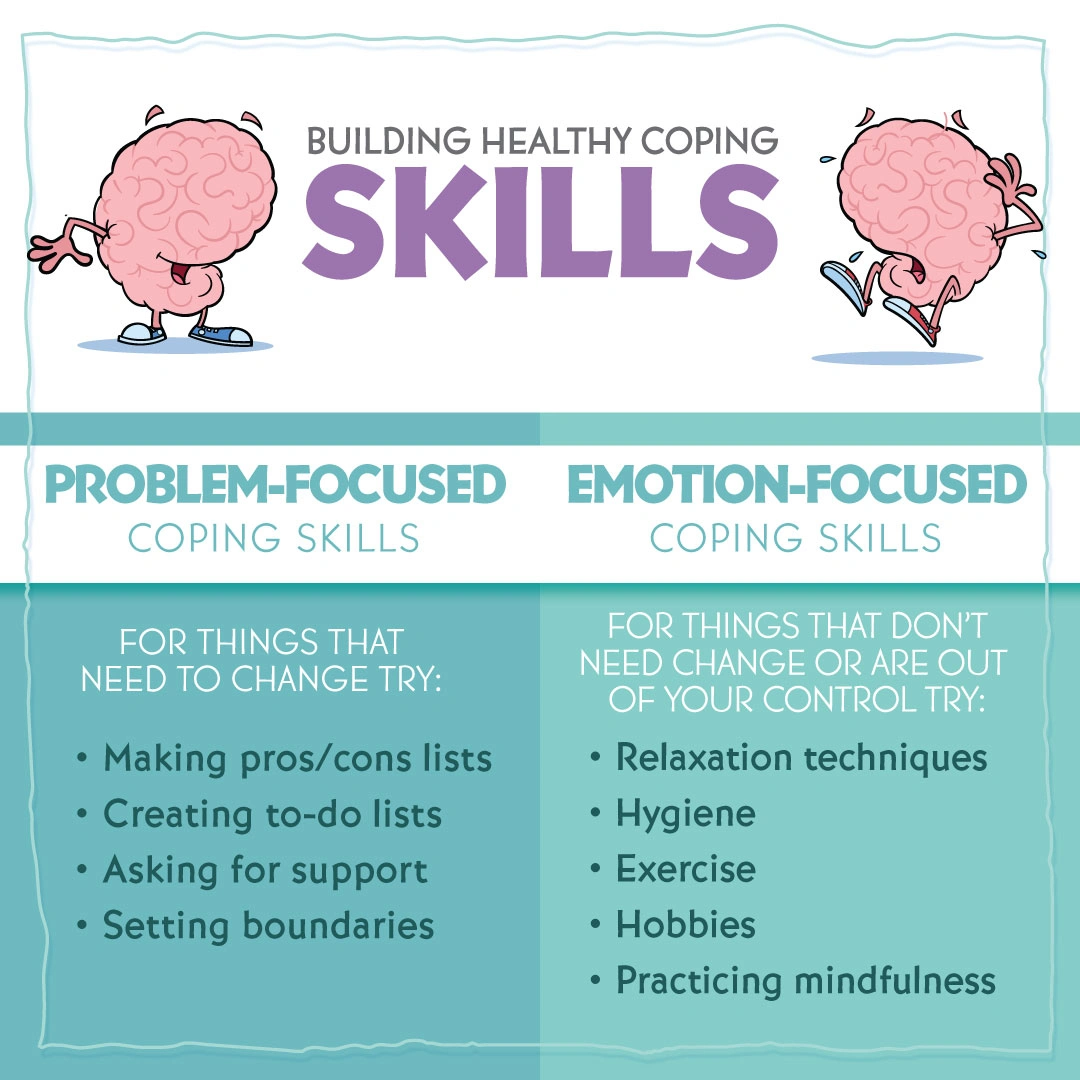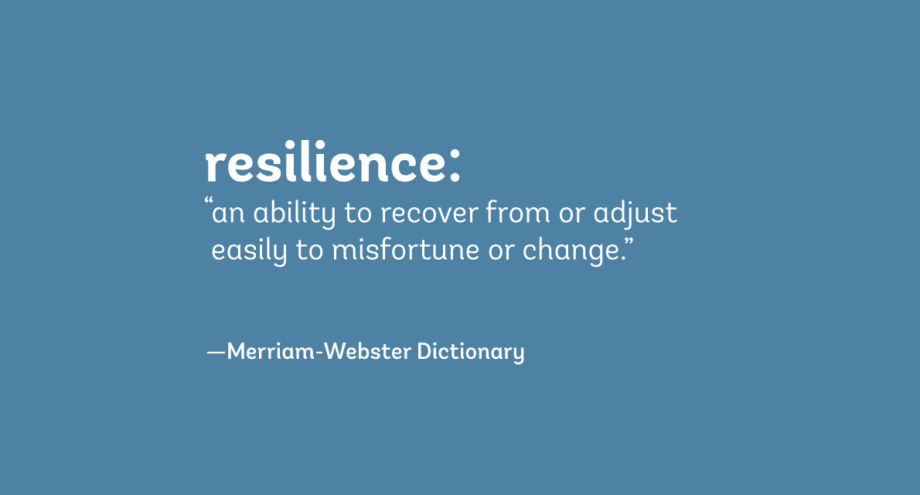
In today’s fast-paced and unpredictable world, it’s no surprise that stress has become a common occurrence in our lives. Whether it’s work pressures, personal relationships, or global events, we all face challenging situations that can take a toll on our mental and emotional well-being. However, the good news is that there are strategies you can adopt to build resilience and effectively cope with stressful situations. By implementing these techniques, you’ll be better equipped to navigate through adversity and bounce back stronger than ever before.
1. Recognize and acknowledge your emotions
Understand the importance of acknowledging emotions
Recognizing and acknowledging your emotions is a crucial step towards building resilience and coping with stressful situations. Emotions are part of being human, and denying or suppressing them can have negative consequences on your mental and emotional well-being. By allowing yourself to recognize and acknowledge your emotions, you are giving yourself the opportunity to understand and address them effectively.
Identify and label your emotions
It’s not always easy to identify and label our emotions, especially when we are overwhelmed or caught up in the busyness of life. However, taking the time to identify and label your emotions can provide clarity and insight into your inner state. Are you feeling happy, sad, anxious, angry, or maybe a combination of emotions? By identifying and labeling your emotions, you can better understand what you’re experiencing and take appropriate action.
Accept and validate your feelings
Once you have identified and labeled your emotions, it’s important to accept and validate them. Remember that your feelings are valid, regardless of whether they are positive or negative. Accepting and validating your feelings allows you to honor and respect your own emotions, which is essential for building resilience.
Seek support from others
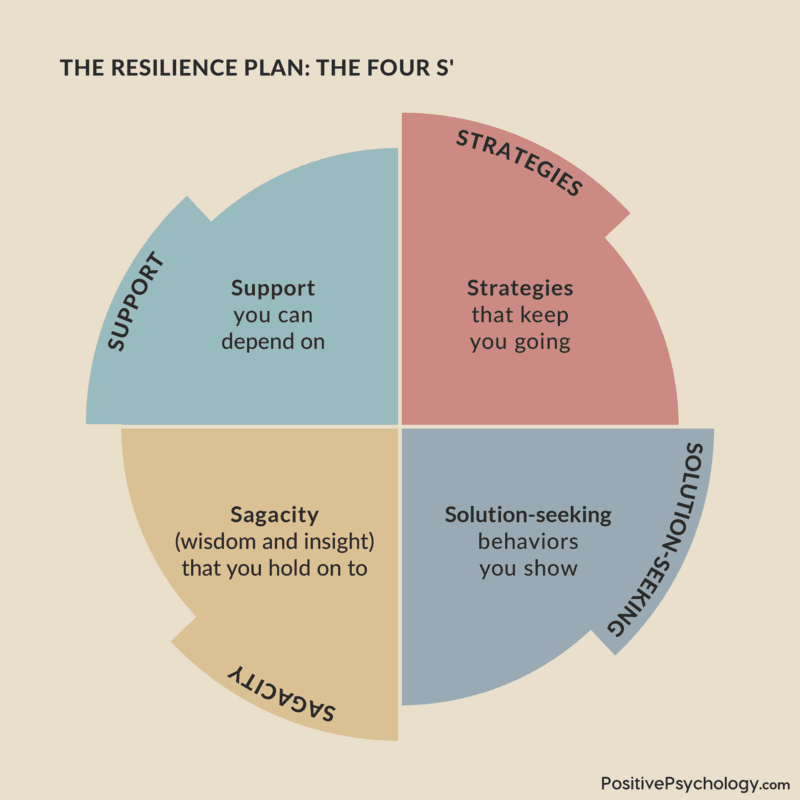
No one is meant to navigate through life’s challenges alone. Seeking support from others is a significant way to build resilience. Whether it’s talking to a trusted friend, family member, or a mental health professional, reaching out for support can provide you with a fresh perspective, guidance, and emotional validation. Don’t hesitate to lean on your support system when you need it – they are there to help you.
2. Develop a positive mindset
Practice gratitude
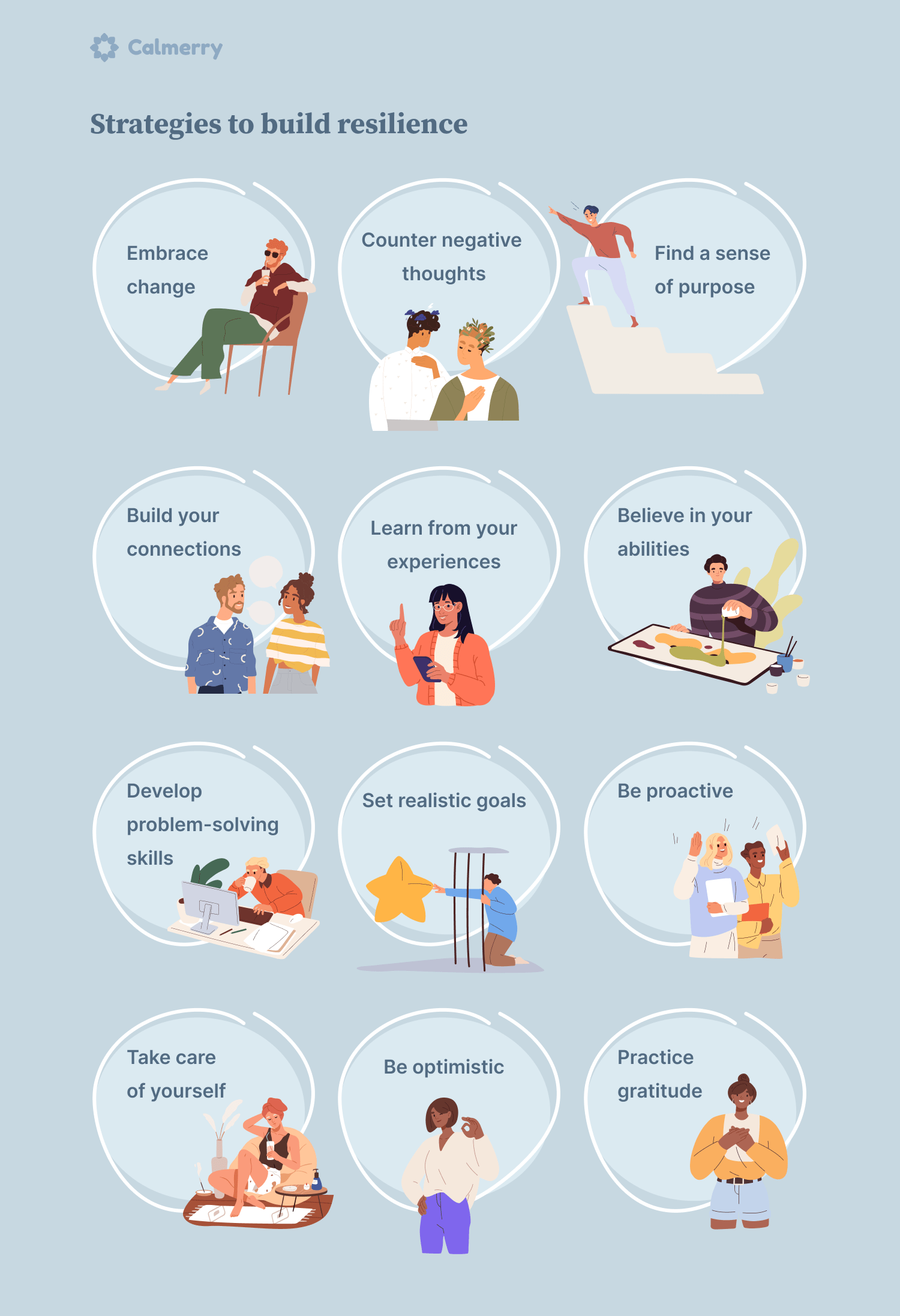
Practicing gratitude is a powerful tool for building resilience and cultivating a positive mindset. Taking the time to reflect on and appreciate the things you are grateful for can shift your focus from negative to positive aspects of your life. Whether it’s writing in a gratitude journal or simply expressing gratitude in your thoughts, incorporating gratitude into your daily routine can improve your overall well-being.
Challenge negative thoughts
Negative thoughts can undermine your resilience and contribute to stress and anxiety. To develop a positive mindset, it’s important to challenge those negative thoughts and replace them with more positive and realistic ones. When you catch yourself thinking negatively, ask yourself if there is evidence to support that thought. If not, try to reframe it and find a more balanced perspective.
Focus on strengths and self-compassion
Building resilience involves recognizing and leveraging your strengths. Take some time to reflect on your abilities, skills, and qualities that have helped you overcome past challenges. By acknowledging and focusing on your strengths, you can boost your confidence and develop a more positive outlook on yourself and your ability to handle stressful situations. Additionally, practicing self-compassion is essential. Treat yourself with kindness and understanding, just as you would treat a friend who is going through a tough time.
Cultivate optimism and hope
Optimism and hope are powerful factors in building resilience. Cultivating these qualities can help you maintain a positive outlook, even in the face of adversity. Look for the silver linings in difficult situations and try to see challenges as opportunities for growth and learning. Surround yourself with positive influences and cultivate a mindset of optimism and hope – it can make a significant difference in how you cope with stress.
3. Prioritize self-care
Practice regular physical exercise
Physical exercise not only benefits your physical health but also plays a significant role in your mental well-being and resilience. Engaging in regular physical exercise releases endorphins, which are natural mood enhancers that can help reduce stress and improve your overall mood. Find an exercise routine that you enjoy and make it a priority in your daily or weekly schedule.
Get enough sleep and rest
Sleep and rest are essential for your body and mind to function optimally. A lack of sleep can negatively impact your mood, cognitive function, and ability to cope with stress. Make it a priority to get enough sleep each night and take breaks throughout the day. Listen to your body’s signals and give yourself permission to rest and recharge when needed.
Maintain a balanced and nutritious diet
Nutrition plays a crucial role in your overall well-being. Eating a balanced and nutritious diet nourishes your body and provides the energy you need to cope with stress. Focus on incorporating whole foods, fruits, vegetables, lean proteins, and healthy fats into your meals. Avoid excessive consumption of sugary foods and caffeine, as they can negatively affect your mood and energy levels.
Engage in activities you enjoy and relax
Taking time for activities you enjoy and find relaxing is essential for self-care and resilience. Engaging in hobbies and leisure activities provides an opportunity to unwind, recharge, and do something that brings you joy. Whether it’s reading, painting, gardening, or spending time in nature, find activities that help you relax and make time for them regularly.
4. Set realistic goals and manage time effectively
Break tasks into smaller manageable steps
When faced with a daunting task or goal, breaking it down into smaller, more manageable steps can make it feel less overwhelming. By focusing on one step at a time, you can maintain a sense of progress and accomplishment, boosting your confidence and resilience.
Set achievable and measurable goals
Setting realistic and achievable goals is important for building resilience. Break down your larger goals into smaller, specific, and measurable objectives. This allows you to track your progress and celebrate your achievements along the way, reinforcing your resilience and motivation.
Create a structured schedule and prioritize tasks
Managing your time effectively is crucial in reducing stress and building resilience. Create a structured schedule that includes designated time for different tasks and activities. Prioritize the most important tasks and allocate time according to their importance and urgency. Remember, it’s okay to say no to tasks or commitments that do not align with your priorities or overwhelm your schedule.
Learn to delegate and say no when necessary
Building resilience involves recognizing and respecting your own limits. Learn to delegate tasks to others when possible and ask for help when needed. It’s also important to set boundaries and say no to additional responsibilities or tasks that may exceed your available time and energy. Prioritizing self-care and maintaining balance in your life is crucial for long-term resilience.

5. Build and maintain strong relationships
Nurture supportive and positive relationships
Strong relationships can provide a valuable source of support and resilience. Nurture positive and supportive relationships with family, friends, or colleagues who uplift and encourage you. Surround yourself with people who believe in your abilities and will be there for you during challenging times.
Seek social support from friends and family
During times of stress or adversity, reaching out to your friends and family for social support can greatly contribute to building resilience. Share your thoughts, concerns, and experiences with trusted individuals who can provide emotional support, guidance, and perspective. Social connections can be a powerful resource in times of need.
Develop effective communication and conflict resolution skills
Developing effective communication skills is vital for maintaining and strengthening relationships. Clear and open communication allows for better understanding and helps resolve conflicts in a constructive manner. Practice active listening, empathy, and assertiveness in your interactions to foster healthy and supportive relationships.
Join supportive communities or groups
Seeking support from communities or groups that align with your interests or experiences can provide an additional layer of support and resilience. Consider joining clubs, organizations, or online communities where you can connect with others who share similar experiences or goals. These connections can provide a sense of belonging and understanding, enhancing your resilience.
6. Practice stress management techniques
Deep breathing exercises and meditation
Deep breathing exercises and meditation are powerful ways to manage stress and build resilience. They help activate the body’s relaxation response, reducing anxiety and promoting a sense of calm and clarity. Incorporate deep breathing exercises or meditation into your daily routine to cultivate a greater sense of resilience.
Progressive muscle relaxation
Progressive muscle relaxation involves tensing and then relaxing specific muscle groups to release tension and promote relaxation. This technique can be particularly helpful in reducing physical symptoms of stress and promoting overall relaxation. Practice progressive muscle relaxation regularly to enhance your ability to cope with stressful situations.
Engage in hobbies and activities that reduce stress
Engaging in hobbies or activities that you find enjoyable and help reduce stress is an effective way to build resilience. Whether it’s listening to music, engaging in creative pursuits, or participating in sports, find activities that bring you joy and allow you to unwind. Regularly dedicating time to these activities will have a positive impact on your overall well-being and resilience.
Try relaxation techniques like yoga or tai chi
Yoga and tai chi are holistic practices that combine physical movement, mindfulness, and breathing techniques. These mind-body practices can help reduce stress, increase flexibility, and enhance overall well-being. Consider incorporating yoga or tai chi into your routine to improve your resilience and ability to manage stress.
7. Enhance problem-solving skills
Identify and define the problem accurately
Strengthening your problem-solving skills is essential for building resilience. Begin by accurately identifying and defining the problem you are facing. This involves breaking down the situation, understanding the underlying causes, and clarifying your desired outcome.
Generate alternative solutions
Once you have defined the problem, focus on generating a variety of possible solutions. Brainstorm different approaches and strategies that could potentially address the issue at hand. Allow yourself to think outside the box and consider different perspectives.
Evaluate and choose the best solution
After generating alternative solutions, evaluate each option based on its feasibility, potential effectiveness, and alignment with your goals and values. Consider the pros and cons of each solution and choose the one that is most likely to lead to a positive outcome.
Implement and review the outcomes
Implementing your chosen solution is the next step in problem-solving. Put your plan into action and monitor the outcomes closely. Stay flexible and open to making adjustments as necessary. After a reasonable amount of time, review the results of your solution and make any necessary revisions or adaptations.
8. Develop resilience through adaptability
Embrace change and uncertainty
Resilience is closely tied to adaptability – the ability to adjust and navigate through changes and uncertainty. Embracing change as a natural part of life and viewing it as an opportunity for growth and learning can help you build resilience. Instead of resisting change, focus on finding ways to adapt and thrive in new situations.
View challenges as opportunities for growth
Challenges are inevitable in life, but how you perceive them can greatly impact your resilience. Instead of viewing challenges as insurmountable obstacles, see them as opportunities for growth and self-improvement. Each challenge you successfully navigate through enhances your resilience and equips you with valuable skills and knowledge.
Learn from past experiences and mistakes
Reflection on past experiences and learning from your mistakes is a powerful way to build resilience. Take the time to reflect on what you have learned from past challenges and how those experiences have shaped you. Identify the lessons and insights gained, and apply them to future situations to enhance your resilience.
Develop flexibility and adapt to new situations
Flexibility is a key component of resilience. Learn to adapt and adjust your approach when faced with unexpected or changing circumstances. By embracing flexibility, you can navigate through new situations with more ease and confidence, building your resilience along the way.
9. Seek professional help if needed
Recognize when professional help may be necessary
Sometimes, building resilience and coping with stressful situations may require the support of a mental health professional. Recognize when your ability to cope is significantly impacted, and when your emotional well-being is at risk. Signs such as persistent feelings of sadness, anxiety, or being overwhelmed may indicate the need for professional help.
Consult a mental health professional or counselor
Seeking help from a mental health professional or counselor can provide valuable support and guidance in building resilience. They can help you navigate through difficult emotions, provide coping strategies, and offer personalized interventions to enhance your resilience.
Explore therapy options such as cognitive-behavioral therapy
Cognitive-behavioral therapy (CBT) is a type of therapy widely used to help individuals manage stress and build resilience. CBT focuses on identifying and changing negative thought patterns and behaviors that contribute to distress. Explore therapy options such as CBT to gain a deeper understanding of your emotions and develop effective coping strategies.
Utilize available resources and support services
In addition to professional help, there are many resources and support services available to help you build resilience and cope with stressful situations. These may include helplines, support groups, self-help books, online courses, or stress management workshops. Take advantage of these resources to enhance your resilience and well-being.
10. Practice self-compassion and forgiveness
Be kind and understanding towards yourself
Practicing self-compassion is an essential aspect of building resilience. Treat yourself with kindness and understanding, especially during challenging times. Acknowledge that you are doing your best, and do not be too hard on yourself when things do not go as planned.
Practice self-forgiveness and let go of past regrets
Holding onto past regrets or mistakes can hinder your resilience. Practice self-forgiveness by acknowledging that everyone makes mistakes and that growth and learning come from these experiences. Let go of lingering guilt or shame and focus on moving forward with compassion and self-acceptance.
Learn from mistakes and embrace personal growth
Rather than dwelling on past mistakes, use them as opportunities for personal growth and learning. Reflect on the lessons learned from those experiences and apply them to your life moving forward. Embracing personal growth allows you to develop resilience and build a stronger foundation for facing future challenges.
Cultivate a positive and compassionate inner dialogue
The way you speak to yourself internally significantly impacts your resilience. Replace negative self-talk with positive and empowering statements. Cultivate a compassionate inner dialogue that encourages self-belief and resilience. Treat yourself with the same kindness and compassion you would offer a close friend.